Astronomy, the study of celestial objects like stars, planets, and galaxies, is a fascinating hobby that anyone can enjoy. In 2025, it’s easier than ever to get started, thanks to readily available technology and resources. This family-friendly guide will answer common questions and provide tips to help you explore the universe from your own backyard!
What is Astronomy?
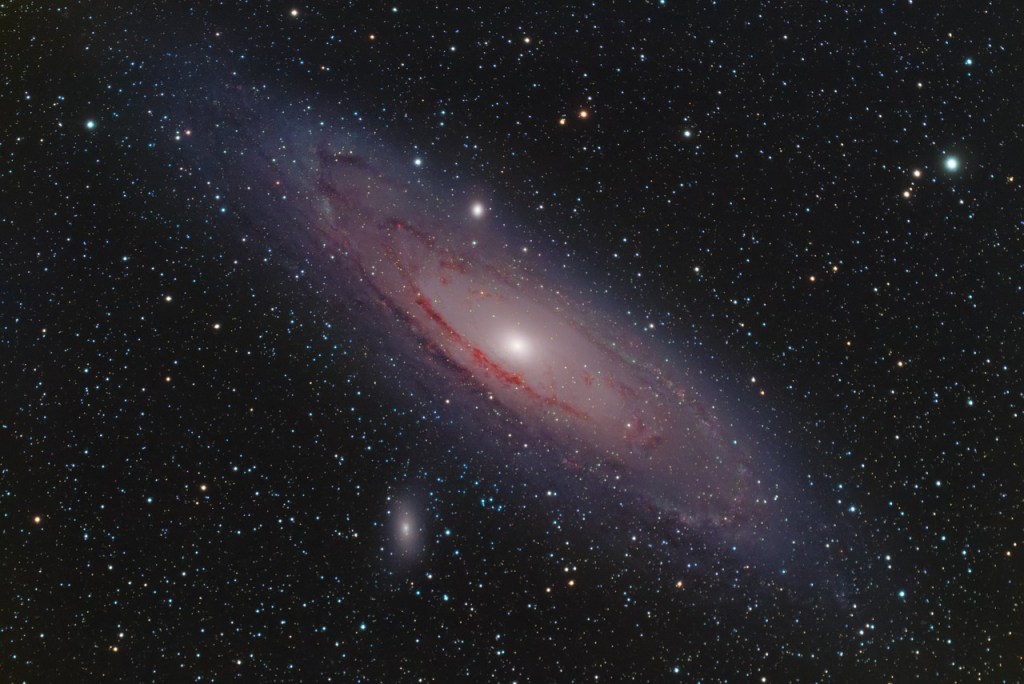
Astronomy is the study of everything beyond Earth’s atmosphere. It’s a science that spans centuries, continually evolving as we learn more about the cosmos. It encompasses planets, stars, galaxies, nebulae, black holes, and much, much more. From understanding the life cycle of a star to mapping the vastness of the universe, astronomy offers endless possibilities for exploration and discovery.
Why Get Into Astronomy?
There are countless reasons to dive into astronomy. Here are a few key benefits:
- It’s Fascinating: Astronomy opens a window to a universe filled with wonders. From the rings of Saturn to the swirling arms of distant galaxies, there’s always something new and amazing to discover. The more you learn, the more fascinating it becomes!
- It’s Accessible: You don’t need expensive equipment to start enjoying astronomy. You can begin with just your eyes, a star chart, and a sense of curiosity. Binoculars are a great next step, and even a small telescope can reveal incredible details.
- It’s Relaxing: Observing the night sky can be a calming and meditative experience. Away from the distractions of daily life, you can connect with the universe on a profound level. Find a comfortable spot, look up, and let the vastness of space wash over you.
- It’s Educational: Astronomy is a fantastic way to learn about science, math, and physics. You’ll discover concepts like gravity, light, and energy in a real and engaging way. It’s a great way to spark a love of science in kids (and adults!).
- It’s a Shared Experience: Stargazing is a wonderful activity to share with family and friends. You can explore the night sky together, learn from each other, and create lasting memories.
What Equipment Do I Need?
One of the first questions aspiring astronomers ask is about equipment. Here’s a breakdown of the basics, keeping cost and ease of use in mind for families:
- Your Eyes: The best and most accessible tool for astronomy is your own eyes! You can see constellations, planets, and even the Milky Way with just your naked eyes under dark skies.
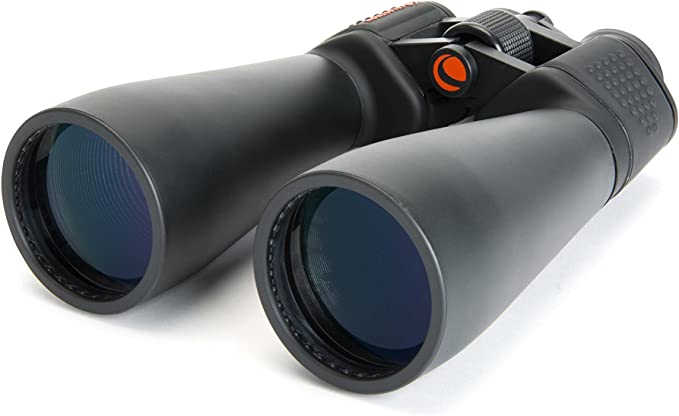
- Binoculars: Binoculars are an excellent first step beyond the naked eye. They are relatively inexpensive, easy to use, and can reveal a surprising amount of detail. Look for binoculars with a magnification of 7x to 10x and an objective lens diameter of 50mm (e.g., 7×50 or 10×50). These numbers will appear on the binoculars themselves.
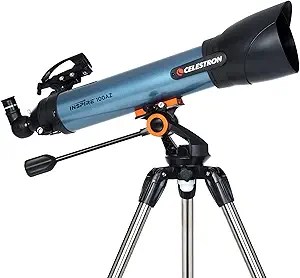
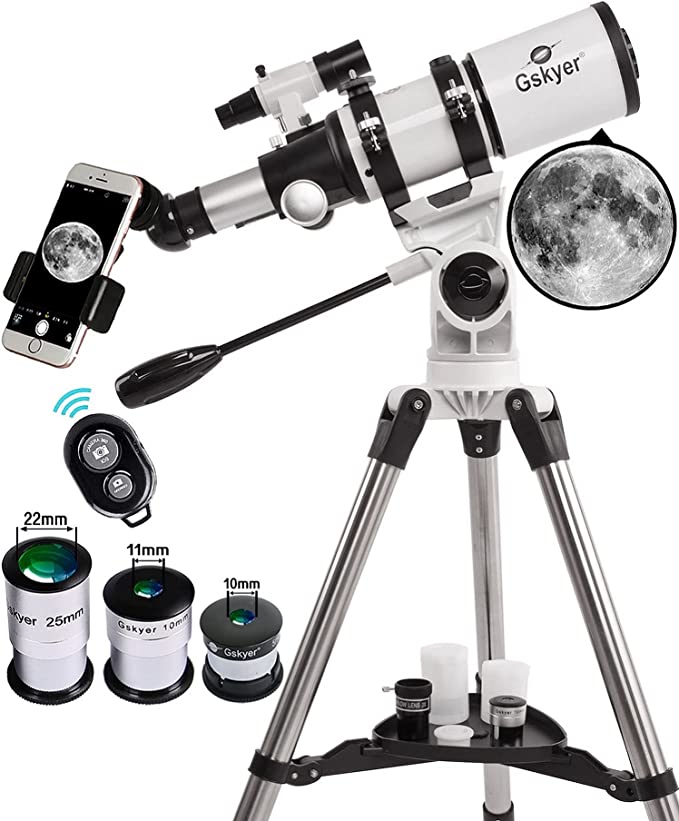
- Telescope: A telescope is a significant investment, but it can open up a whole new world of celestial objects. For beginners, consider a refractor telescope (which uses lenses) or a Dobsonian telescope (which uses mirrors and is known for its simplicity and affordability). Look for a telescope with an aperture (the diameter of the main lens or mirror) of at least 70mm for refractors or 6 inches for Dobsonians. Start with low magnification eyepieces and gradually increase magnification as you become more experienced.
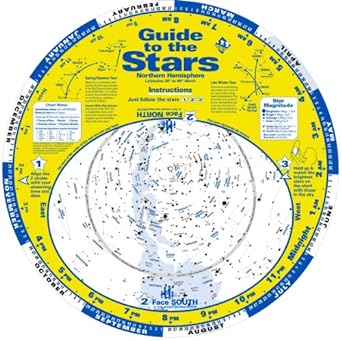
- Star Chart or App: A star chart is a map of the night sky that helps you locate constellations, planets, and other celestial objects. You can use a printed star chart, which are available at bookstores and online, or download a smartphone app like Stellarium Mobile, SkySafari, or Star Walk 2. These apps use your location and the time to show you a real-time map of the sky.
- Red Flashlight: A red flashlight is essential for preserving your night vision. White light can take up to 30 minutes to recover from, so red light is ideal for seeing maps. You can buy a red flashlight or simply cover a regular flashlight with red cellophane.
How Do I Learn the Night Sky?
Learning the night sky is like learning a new language. It takes time and practice, but it’s incredibly rewarding. Here are some tips:
- Start with the Brightest Stars and Constellations: Focus on learning the most prominent stars and constellations first. The Big Dipper, Orion, Leo, and Taurus are good starting points.
- Use a Star Chart or App Regularly: Make it a habit to consult your star chart or astronomy app every time you go out stargazing. This will help you learn the locations of different objects and recognize them in the sky.
- Learn Constellation Stories: The constellations are rich in mythology and folklore. Learning the stories behind the constellations can make them more memorable and engaging.
- Attend Astronomy Events: Attending astronomy events organized by local astronomy clubs, planetariums, or observatories is a great way to learn from experienced stargazers and meet other people who share your interest.
- Join an Astronomy Club: Joining an astronomy club provides opportunities to learn from other members, participate in group observing sessions, and access telescopes and other equipment.
How Do I Observe Celestial Objects?
Observing celestial objects is the heart of astronomy. Here are some tips to help you get the most out of your observing sessions:
- Choose the Right Time: The best time to observe is when the sky is dark and clear, usually a few hours after sunset or before sunrise. Avoid observing on nights when the Moon is full, as its bright light can wash out fainter objects.
- Choose the Right Location: Find a location that is away from city lights and has a clear view of the sky. Even a small amount of light pollution can significantly reduce the number of stars you can see.
- Allow Time for Dark Adaptation: Give your eyes at least 30 minutes to adjust to the darkness before you start observing. Avoid looking at bright lights during this time.
- Start with Easy Targets: Begin by observing bright objects like the Moon, planets, and bright star clusters. As you become more experienced, you can gradually move on to fainter objects like galaxies and nebulae.
- Use Proper Technique: When using a telescope or binoculars, take your time to focus the image and adjust the magnification. Hold your breath to minimize vibrations.
What to Observe in 2025
Here are a few celestial events to look forward to in 2025:
- Planetary Alignments: Keep an eye out for planetary alignments, when several planets appear close together in the sky. These events offer a unique opportunity to see multiple planets in one view.
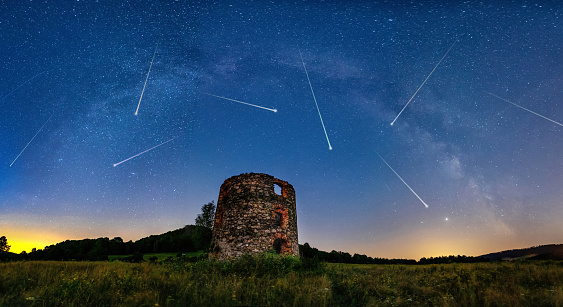
- Meteor Showers: Watch for meteor showers throughout the year. The Perseid meteor shower in August is particularly reliable and spectacular.
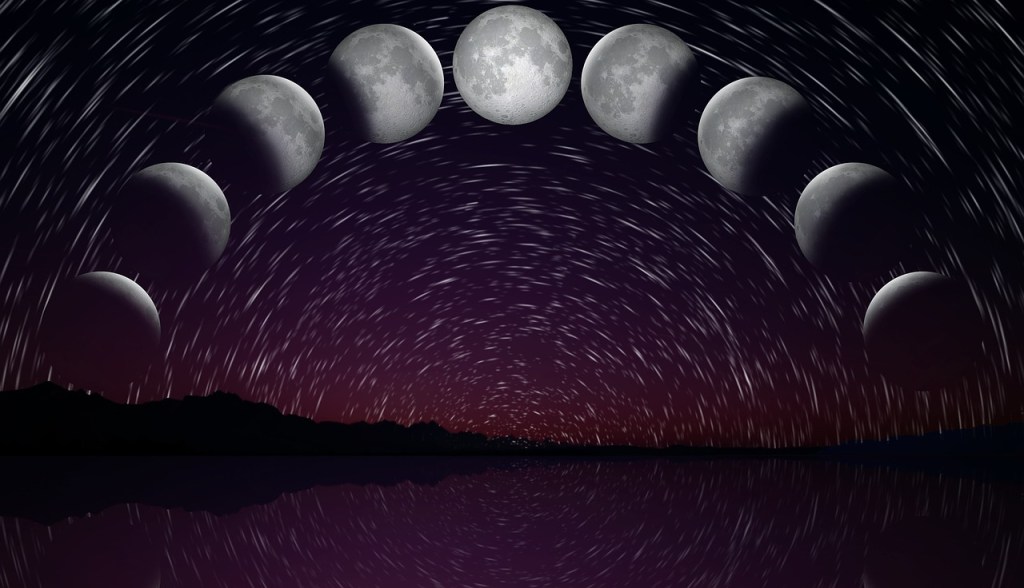
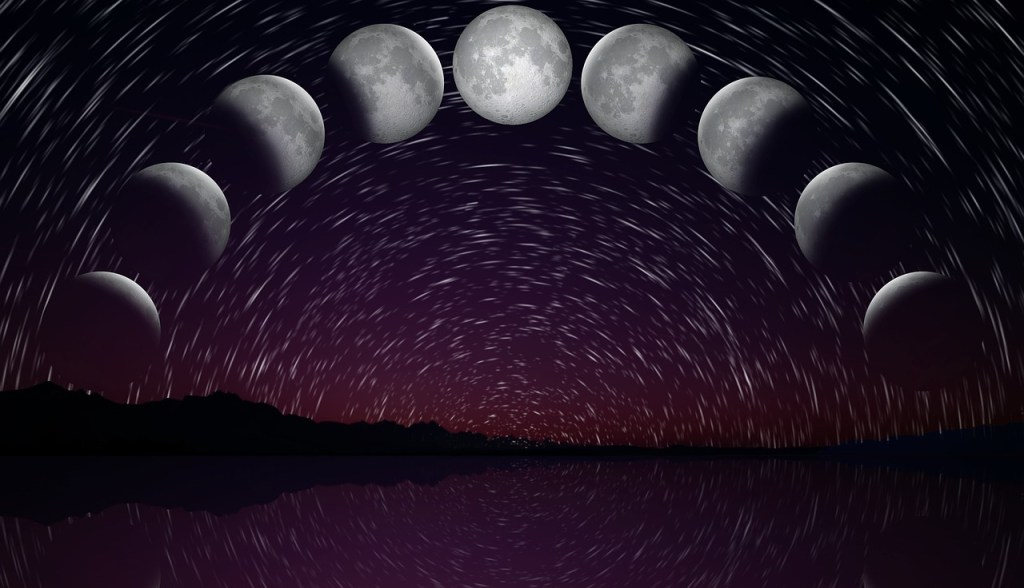
- Lunar Eclipses: Lunar eclipses occur when the Earth passes between the Sun and Moon, casting a shadow on the lunar surface. These events are safe to observe with the naked eye and can be quite dramatic.
Conclusion
Getting started in astronomy is easy and rewarding. With a few basic tools, some knowledge of the night sky, and a passion for exploration, you can begin a lifetime of discovery. Whether you’re a beginner or an experienced astronomer, there’s always something new to learn and see. So, grab your binoculars, download a star chart app, and start exploring the universe today! The cosmos awaits!











 Stan's Hobbies and Interests