Updated from June 2024
Model railroading has undergone a massive transformation over the last few years. While the charm of a steam engine chuffing through a miniature valley remains timeless, the way we plan and build these worlds has entered a new era. Whether you are a “Stan’s Hobbies” regular or a newcomer, choosing a track plan is the most critical decision you’ll make.
A well-thought-out plan prevents “siding blindness” (where you run out of things to do) and ensures your locomotives run smoothly without constant derailments. Let’s dive into the layouts that are defining the hobby in 2026.
1. The Continuous Run (Loop) Layouts
The “loop” remains the king for those who find zen in watching a long freight train roll by. However, in 2026, we’ve moved far beyond the basic “train set oval.”
The “Twisted Dogbone”
This is the evolved version of a loop. By pinching the middle of an oval, you create a narrow section that looks like a double-track mainline. It gives the illusion that the train is going somewhere distant rather than just around in a circle.
The Waterline Loop
A trending 2026 style where the track follows the perimeter of a room but includes a “duck-under” or a swing-gate. This allows for massive radii curves, which is essential if you want to run modern, full-length passenger cars without them looking awkward on tight turns.
Pro Tip: Always use a minimum of 24-inch radius for HO scale if space allows. Your rolling stock will thank you.
🛒 Essential Buy: Top-Rated Nickel Silver Integrated Roadbed Track on Amazon
2. Point-to-Point and Industrial Switching
If you enjoy the “puzzle” aspect of railroading—picking up a boxcar from a factory and delivering it to a yard—point-to-point is for you.
- Shelf Layouts: These have exploded in popularity as more hobbyists move into urban spaces. A 12-foot long by 18-inch wide shelf can provide hours of entertainment.
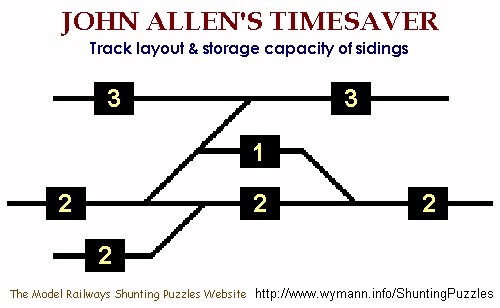
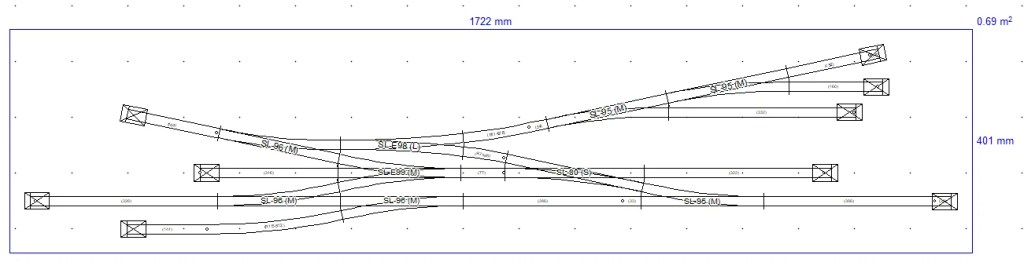
- The Inglenook Sidings: A classic switching puzzle that fits on a 4-foot board. It’s the perfect “desk hobby” for 2026 professionals.
3. Multi-Level and “Mushroom” Empires
For those with dedicated basements or sheds, the 2026 trend is Verticality.
The Helix
A helix is essentially a circular ramp that allows a train to climb from a lower staging yard to a visible upper scenery level. While they take up a 4×4 foot footprint, they double your usable space.
The Mushroom
This design involves two levels of track, but the “top” level is viewed from a raised platform or the other side of the benchwork. It prevents the “stacked” look and allows for much deeper, more immersive scenery.
4. The 2026 Innovation: Modular & Hybrid Plans
The biggest shift we’ve seen since 2024 is the move toward Hybrid Modular Design. Instead of building one giant, heavy table, hobbyists are building 4-foot modules.
- Why it works: You can finish one “scene” at a time at your workbench and then bolt it into the main layout.
- T-TRAK and Free-mo: These standards allow you to take your module to a local club and hook it up to 50 other people’s modules to create a layout the size of a gymnasium.
Essential Gear for Modern Planning
You shouldn’t start laying track without these 2026 essentials:
- Laser Levels: Forget the old bubble levels. A 360-degree laser level ensures your grades (inclines) are consistent so your trains don’t stall.
- DCC Next-Gen Controllers: Modern systems now allow you to control your layout via a smartphone or tablet with full “Sound Value” integration.
- Track Cleaning Robots: Yes, they exist! Automated cars that scrub your rails while you run your trains.
🛒 Must-Have: Digital Command Control (DCC) Starter Systems on Amazon
Summary & What’s New in 2026
Since this article was originally drafted in 2024, the model railroading landscape has shifted in three major ways:
- AI-Driven Design: We now use AI tools to generate “logical” track plans based on real-world topographical maps. You can input your room dimensions, and software will suggest the most efficient use of space.
- Dead Rail (Battery Power): One of the biggest updates in 2026 is the rise of “Dead Rail.” Many hobbyists are moving away from powered tracks entirely, using high-capacity onboard batteries and Bluetooth control. This means no more cleaning tracks to ensure electrical contact!
- 3D Printed Infrastructure: Most track plans now incorporate “printable footprints.” You can download a file for a station and know it fits exactly within your siding’s curve before you even buy the plastic.
Whether you’re building a classic 4×8 sheet of plywood layout or a high-tech modular masterpiece, the goal remains the same: Building something with your hands that brings a world to life.


 Stan's Hobbies and Interests