Model Railroading: Building Your Kingdom: An Introduction to Model Railroading

By Stan’s Hobbies and Interests | Updated: February 2026

Welcome to the start of a journey that spans generations. If you are looking for a way to connect your family through creativity, technology, and shared goals, you have found it.

Model railroading is often called “The World’s Greatest Hobby” because it isn’t just one interest—it is a dozen hobbies rolled into one. When you build a model railroad, you aren’t just playing with trains; you are a civil engineer, an electrical technician, a landscape artist, and a historian. In our Family Empire series, we look at hobbies not just as “pastimes,” but as tools to build stronger bonds and smarter kids.

Why Start a “Family Empire” on Tracks?

In 2026, our lives are more digital than ever. Model railroading provides the perfect “tactile reset.” It offers a physical space where parents and children can work side-by-side on a project that lives and breathes in the real world.

  • Educational Depth: From learning the physics of electricity to the geometry of track laying, the educational ROI (Return on Investment) is massive.
  • The Power of Narrative: Every railroad tells a story. Why is that train carrying coal? Where is that passenger headed? Building this world together encourages storytelling and imagination.
  • A Growing Legacy: A well-built layout is a family heirloom. It’s a project that can start on a dining room table this year and grow into a dedicated hobby room five years from now.

Choosing Your Scale: The First Big Decision

Before you buy your first locomotive, you need to choose your “Scale” (the size ratio of the model to the real thing). In 2026, two scales dominate the family-friendly market:

  1. HO Scale (1:87): The most popular worldwide. It’s large enough for kids to handle easily but small enough to fit a great layout in a spare room.
  2. N Scale (1:160): The “Space Saver.” You can fit a massive empire on a simple coffee table.

To calculate how much space you need, use this simple ratio:

Space Required = Real World Area \times (Scale Ratio)2

Don’t worry, we’ll handle the math together as we build!


The 2026 Starter’s Guide: 3 Proven Paths

To kickstart your Family Empire, I have selected three entry points that balance quality, technology, and value.

1. The Classic Family Entry: Bachmann HO Scale Thoroughbred Set

This is the “Gold Standard” for a reason. It is rugged, reliable, and uses the E-Z Track system that snaps together flawlessly—even on a play-room carpet. It’s the perfect way to see if the hobby “clicks” for your family without a massive technical hurdle.


Bachmann HO Scale Thoroughbred Set

2. The Tech-Forward Entry: NCE Power Cab DCC Starter

If your family loves gadgets, this is the 2026 winner. You control the train, the lights, and the authentic “chuff” of the engine directly from your smartphone via Bluetooth. It removes the need for complex wiring, making it incredibly beginner-friendly.
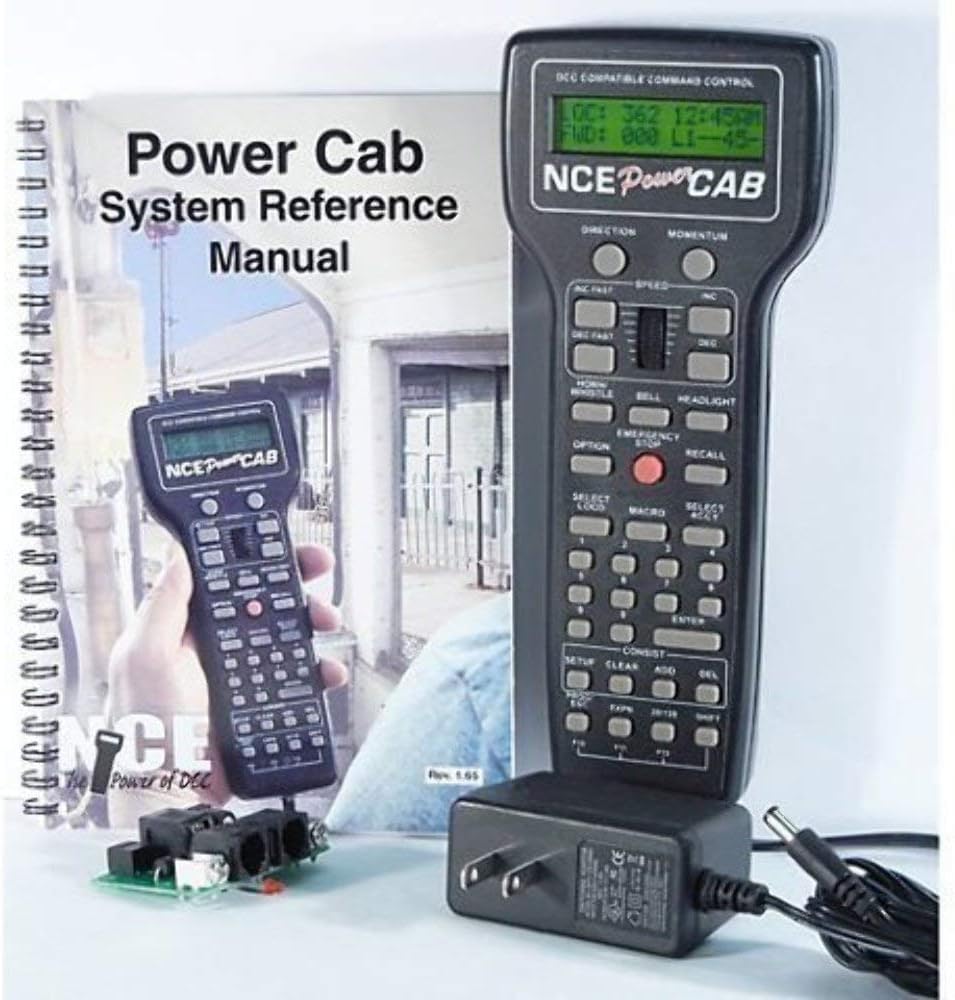
NCE Power Cab DCC Starter

3. The Precision Builder: Kato N-Scale Master 1 Set

For families with limited space but a high interest in detail, Kato’s N-Scale sets are unmatched. The “Unitrack” system is the most reliable in the world, ensuring your trains won’t stall or derail—keeping the “fun factor” high for younger operators.
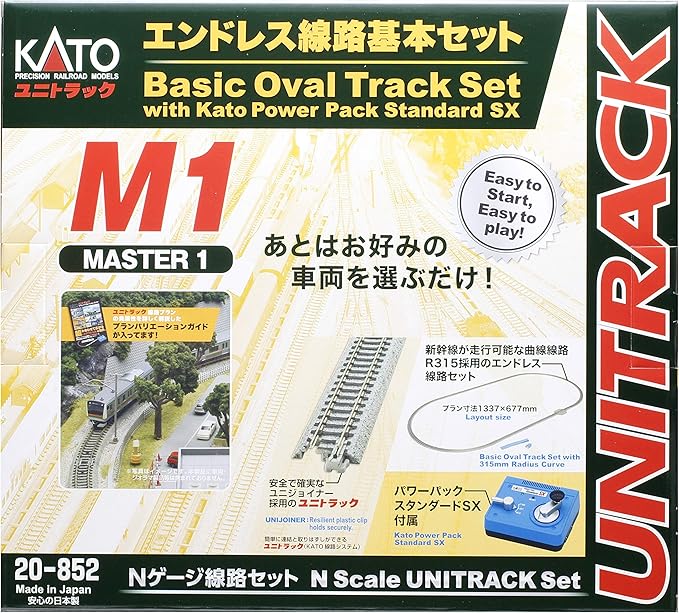
Kato N-Scale Master 1 Set


Beyond the Tracks: An Invitation to the Series

This article is just the beginning. Over the coming months, we will dive deeper into each aspect of the “Industrial Empire.” We will move from simply “running trains” to “building worlds.”

Our upcoming “Family Empire” modules will include:

  • Scenery & Artistry: Using 3D printing and modern foams to create realistic mountains and rivers.
  • The Digital Command Center: Learning the basics of DCC (Digital Command Control) to run multiple trains at once.
  • Operations & Logistics: How to run your railroad like a real business, teaching kids about scheduling and freight.

Final Thoughts

Model railroading isn’t about perfection; it’s about the process. It’s about the Saturday afternoon spent painting a plastic bridge or the pride in your child’s eyes when they finally master the “slow crawl” into the station.

We invite you to join us on this journey. Let’s stop just watching screens and start building something that lasts.

Next Step: Are you ready to pick a scale? Would you like me to provide a “Room Planner” guide to help you figure out exactly where your first layout could fit?


Getting Started in Model Railroading – 2026 Edition

This video is a fantastic visual companion to this introduction, showing the different scales in action and giving you a “sneak peek” at the scenery techniques we will cover later in this series.
Introduction to Puzzle Layouts in Model Railroading: A Beginner’s Guide

Introduction to Puzzle Layouts in Model Railroading: A Beginner’s Guide

Puzzles, also known as switching in the US, is a fascinating and engaging aspect of model railroading that focuses on organizing and rearranging train cars within a yard or station area. For beginners, a puzzle layout offers a hands-on way to experience the operational side of railroading beyond simply running trains in loops or point-to-point tracks.

What is a Puzzle Layout?

A puzzle layout is a type of model railway designed primarily for the purpose of sorting, assembling, and disassembling trains rather than continuous running. It typically features sidings, yards, and multiple tracks where freight or passenger cars can be moved around, detached, and reattached in specific sequences to simulate real railway operations6.

Why Choose a Puzzle Layout?

  • Operational Interest: Unlike simple loop layouts, shunting layouts provide a puzzle-like challenge where you manage the placement and order of cars. This adds depth and realism, making the hobby more interactive and rewarding28.
  • Space Efficiency: Many puzzle layouts are compact, making them ideal for hobbyists with limited space. Despite their small size, they offer complex operational possibilities2.
  • Learning Real Railway Practices: Puzzles mimics real-world railway logistics where freight cars are sorted in classification yards or stations for delivery to various destinations. This helps beginners understand how goods and passengers are moved efficiently by rail78.

Basic Concepts of Switching

  • Organizing Trains: Switching involves arranging cars in a required sequence for departure. For example, brake wheels must be at the rear, and cars destined for different locations are sorted accordingly8.
  • Sidings and Yards: These are the tracks off the main line where cars are temporarily parked or rearranged. A typical puzzle layout will have several sidings to represent different industries or destinations28.
  • Operations: The process includes detaching cars from incoming trains, moving them to the correct sidings (such as goods sheds, coal yards, or cattle docks), and assembling outbound trains with the correct cars8.

Getting Started with a Simple Switching Layout

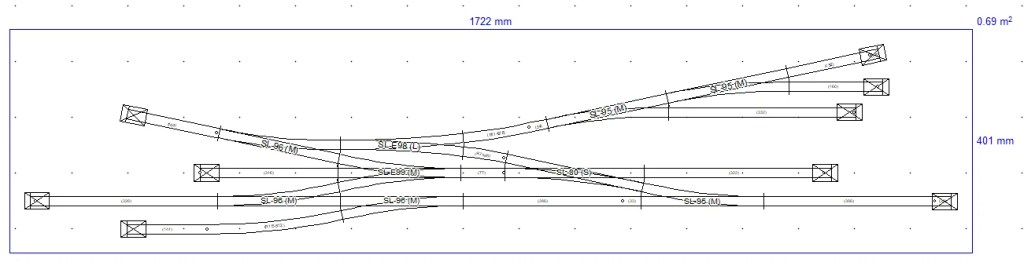
For beginners, starting with a simple switching layout is recommended. This can be as small as a shelf or table-top design with a few sidings and a small yard. The goal is to create a scenario where you receive a mixed train and then sort the wagons according to their destinations or cargo types.

  • Example Layout: A small branch line with a goods yard and a passenger platform can provide a variety of switching tasks, such as dropping off freight cars and picking up passengers1.
  • Operating Potential: Even simple layouts can offer hours of engagement by simulating real railway tasks like mixed passenger and goods trains, prioritizing passenger cars, and managing slow speeds to avoid mistakes1.

Tips for Enjoying Switching

  • Plan Your Traffic: Decide on the era, location, and type of traffic your layout will represent. This determines the kinds of cars and operations you’ll have2.
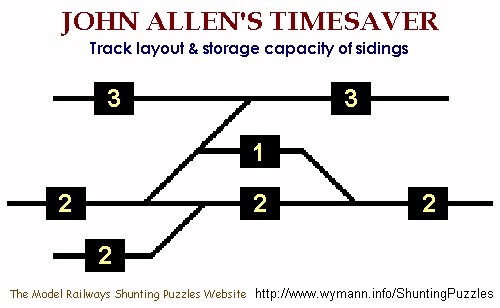
  • Use Switching Puzzles: Popular puzzles like Timesaver or Inglenook Sidings can help beginners practice switching techniques in a structured way6.
  • Patience and Practice: Switching can be complex and sometimes frustrating, but it is also very rewarding as you master the skills of organizing trains efficiently8.

Conclusion

A switching layout is an excellent introduction to model railroading for beginners who want more than just running trains around a loop. It combines operational realism, strategic thinking, and hands-on fun. By starting small and focusing on the basics of sorting and organizing cars, you can develop a deeper appreciation for the art and logistics of railroading.

Once you start switching, your layout will provide hours of pleasure and a rich understanding of how real railways work behind the scenes8. Enjoy the challenge and the satisfaction of creating order from the complexity of rail traffic!

This introduction is designed to spark interest and provide a clear understanding of what switching layouts are and why they are a rewarding choice for beginner model railroaders.

  1. https://www.youtube.com/watch?v=ZDqQxj4zPUc
  2. http://www.wymann.info/ShuntingPuzzles/small-layouts.html
  3. https://www.youtube.com/watch?v=awbeVHaZL3U
  4. https://www.reddit.com/r/modeltrains/comments/1ccpwqc/what_do_you_think_about_my_shunting_layout_plan/
  5. https://ercim-news.ercim.eu/en68/special/railyard-shunting-a-challenge-for-combinatorial-optimisation
  6. https://en.wikipedia.org/wiki/Model_railroad_layout
  7. https://www.dbcargo.com/rail-de-en/logistics-news/abc-rail-freight-transport-techniques-12984250
  8. https://www.modelrailforum.com/threads/beginners-guide-shunting.21933/
  9. https://homepages.cwi.nl/~lex/files/PlanningOfShuntTracks.pdf
  10. https://www.youtube.com/watch?v=2Q1O25XoHaE
  11. https://www.trainshop.co.uk/blog/post/1400-shunting-yards-designing-a-track-plan-for-realistic-operations.html