5 Top Model Train Accessories for 2025: A Family-Friendly Guide for Beginners

Model railroading is an exciting and rewarding hobby, and the accessories you choose can make all the difference in bringing your layout to life. As technology advances, new tools and features emerge every year, enhancing both realism and functionality. In 2025, several innovative accessories have become must-haves for hobbyists looking to elevate their layouts. This family-friendly article explores the top five model train accessories for 2025, perfect for beginners and families alike.


1. Digital Command Control (DCC) Systems

What It Is:

Digital Command Control (DCC) systems allow you to operate multiple trains independently on the same track. In 2025, DCC systems have become more user-friendly, with wireless connectivity and app-based controls.

Why It’s a Must-Have:

  • Ease of Use: Modern DCC systems feature intuitive interfaces that make it easy for beginners to learn.
  • Enhanced Control: You can control speed, direction, lighting, and sound effects for each train individually.
  • Family Fun: App-based controls allow multiple users to operate trains simultaneously, making it a great activity for families.

Tips for Beginners:

  • Start with entry-level DCC systems like the NCE Power Cab or Digitrax Zephyr Express.
  • Use online tutorials and videos to learn how to program locomotives.

2. LED Lighting Kits

What It Is:

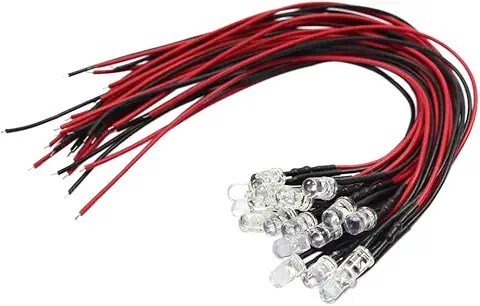
LED lighting kits are used to illuminate buildings, streetlights, and train interiors on your layout. In 2025, smart LED kits with programmable features have become increasingly popular.

Why It’s a Must-Have:

  • Realism: Lighting adds depth and atmosphere to your layout, especially during nighttime scenes.
  • Energy Efficiency: LEDs consume less power and last longer than traditional bulbs.
  • Customizable: Programmable kits allow you to adjust brightness and color for different scenes.

Tips for Beginners:

  • Use warm white LEDs for indoor lighting and cool white LEDs for outdoor areas.
  • Experiment with dimming effects to create realistic shadows.

3. Sound Modules

What It Is:

Sound modules provide realistic audio effects like train whistles, engine noises, station announcements, and ambient sounds. In 2025, sound modules have become more compact and versatile.

Why It’s a Must-Have:

  • Immersion: Sound effects bring your layout to life by adding an auditory dimension.
  • Customizable: Many sound modules allow you to upload custom audio files.
  • Family-Friendly: Kids love hearing realistic train sounds as they operate the layout.

Tips for Beginners:

  • Start with pre-programmed sound modules like those from SoundTraxx or MRC.
  • Place speakers strategically around your layout for even sound distribution.

4. Static Grass Applicators

What It Is:

Static grass applicators are tools used to create realistic grassy textures on your layout. In 2025, rechargeable applicators with adjustable voltage settings are trending.

Why It’s a Must-Have:

  • Realism: Static grass stands upright when applied correctly, mimicking real grass.
  • Versatility: Applicators can be used for fields, lawns, or overgrown areas.
  • Easy to Use: Modern applicators are lightweight and beginner-friendly.

Tips for Beginners:

  • Practice on a small area before applying static grass to larger sections of your layout.
  • Mix different shades of grass fibers for a more natural look.

5. Modular Scenery Kits

What It Is:

Modular scenery kits include pre-made components like hills, tunnels, rivers, and bridges that can be easily assembled and customized. These kits have become more detailed and lightweight in 2025.

Why It’s a Must-Have:

  • Time-Saving: Modular kits simplify the process of building complex terrain features.
  • Customizable: You can paint and add details to match your layout’s theme.
  • Family-Friendly: Assembly is straightforward and fun for all ages.

Tips for Beginners:

  • Choose kits that match the scale of your layout (e.g., HO or N scale).
  • Combine modular components with natural materials like rocks or twigs for added realism.

How These Accessories Enhance Your Layout

These top accessories not only improve the visual appeal of your model railroad but also make it more interactive and engaging. Here’s how they contribute:

  1. Realism: DCC systems and sound modules create lifelike operations that mimic real-world railroads. LED lighting adds atmosphere while static grass enhances scenery detail.
  2. Functionality: Modular kits save time while allowing you to focus on creative aspects of your layout.
  3. Family Fun: All five accessories offer opportunities for collaboration—whether it’s programming trains or assembling scenery components together as a family.

Beginner Tips for Accessory Integration

If you’re new to model railroading, here are some tips to help you incorporate these accessories into your layout:

  1. Start Small: Focus on one accessory at a time to avoid feeling overwhelmed.
  2. Learn as You Go: Watch tutorials online or join local model railroading clubs for guidance.
  3. Experiment: Don’t be afraid to try different techniques or configurations until you find what works best.
  4. Involve the Family: Assign tasks like painting scenery or programming trains to make it a shared activity.

Final Thoughts

The world of model railroading continues to evolve with new technologies and innovations each year. In 2025, accessories like DCC systems, LED lighting kits, sound modules, static grass applicators, and modular scenery kits are helping hobbyists create layouts that are more realistic and engaging than ever before.

For beginners, these tools provide an excellent starting point while offering plenty of room for creativity and customization. Whether you’re building a bustling cityscape or a quiet countryside scene, these accessories will help bring your miniature world to life—and create wonderful memories along the way!

So gather your family, pick up these must-have items, and start crafting a model railroad layout that’s truly breathtaking!


References

  1. Kalmbach Media (2025). Model Railroader Magazine. Various issues featuring reviews of model train accessories.[^1]
    Website: https://www.trains.com/mrr
  2. Woodland Scenics (n.d.). Scenery Techniques.
    Website: https://woodlandscenics.com
  3. National Model Railroad Association (NMRA). Recommended Tools & Accessories.
    Website: https://nmra.org
  4. Digitrax (2025). DCC Systems Overview.
    Website: https://www.digitrax.com
  5. Luke Towan (2025). YouTube Channel. Tutorials on integrating advanced techniques into model railroads.[^2]
    Link: https://www.youtube.com/@LukeTowan

[^1]: Kalmbach Media provides insights into modern tools like DCC systems that enhance model railroading layouts.
[^2]: Luke Towan’s tutorials offer step-by-step guidance on using accessories like LED lighting kits effectively.


Nature’s Little Helpers: Inexpensive Ways to Create Stunning Scenery for Your Model Railroad (Family-Friendly Edition!)

One of the most exciting parts of building a model railroad is creating a miniature world that feels real. The scenery – the trees, the ground, the rocks, the little details – is what breathes life into your layout and gives it its unique personality.

You might think that creating impressive scenery requires expensive materials from hobby stores. But guess what? You can create amazing landscapes using everyday items from your home and backyard! Not only is this budget-friendly, but it’s also a fantastic way to get the whole family involved in the creative process.

Let’s explore some fun and inexpensive ways to make trees and ground cover for your model railroad.

From Backyard to Background: Making Trees

Trees are essential for adding depth and realism to your model landscape. Here’s how to create them without breaking the bank:

Twiggy Wonders

Your backyard is a goldmine for tree-making materials!

  1. Gather: Collect small twigs and branches of varying shapes and sizes. The more variety, the better!
  2. Prepare: Let the twigs dry out completely. This will help prevent them from warping later.
  3. Customize: You don’t necessarily need to paint them, because they are already the right color! For a more realistic effect, you can drybrush them with lighter or darker shades of brown or green.
  4. Plant: Use white glue to fix them to the layout.

These twig trees work perfectly for small trees and shrubs or can be cut down to resemble logs. This is a cost-effective way to give your model railroad a realistic edge.

Skewer Logs

Did you know that wooden meat skewers from the supermarket aren’t just for kebabs?

  1. Cut: Cut the skewers into varying lengths to resemble logs.
  2. Texturize: Use sandpaper or a knife to create a rough bark-like texture.
  3. Stain: Apply a wood stain or diluted brown paint to give the logs a weathered look.
  4. Arrange: Glue the logs together to create log piles or use them individually to add details to your forest floor.

Sea Foam Forests (and Shrubs!)

Sea Foam, also known as “Forest in a Box,” is a lightweight, twiggy material sold at many hobby stores. But it’s still relatively inexpensive and very versatile.

  1. Prepare: Break off small pieces of Sea Foam and shape them into tree-like forms.
  2. Add Structure: Fine brass wire can be used to strengthen the trunks and branches. Torn-up pieces of masking tape can be wound around the tree trunk to add some width. This can then be sealed with a mixture of wall filler and PVA white glue.
  3. Adhesive: Spray with adhesive.
  4. Foliage: Sieve on some flock (described below.) It is usually best to mix a few little pieces together rather than use just one piece for an entire tree.
  5. Secure: You can then spray the trees all over with matt varnish, or spray them (upside down) with a mix of white glue and water. You then leave them to dry overnight.

Lichen Landscapes

Lichen is a readily available natural material that works wonders for both trees and shrubs.

  1. Gather (or Buy): You may be able to gather lichen from your yard or a park. Make sure it’s okay to do so, and only take what you need. You can also purchase bags of lichen at craft or hobby stores.
  2. Prepare: Break off small pieces and shape them into tree or shrub forms.
  3. Customize: You can purchase it in a range of colors that can be used separately or mixed together. Glue the lichen to your layout to create lush foliage and undergrowth.

From Kitchen to Countryside: Making Ground Cover

Ground cover adds texture and color to your model landscape, creating the illusion of grass, dirt, and other natural surfaces. Here are some easy and affordable ways to make it:

Mulberry Magic

If you have a mulberry tree nearby, you’re in luck!

  1. Gather: Collect fresh mulberry leaves.
  2. Dry: Dry them in a microwave oven.
  3. Blend: After they are dried out, drop them in a kitchen blender and you have instant ground cover!
  4. Store: Keep it in a plastic bag for when you need it.

The best thing is; it costs you virtually nothing to make. The only disadvantage with making your own ground cover is you will not necessarily know how long it will last when compared to the bought stuff.

Herbal Harvest

Dried herbs from your kitchen spice rack can be transformed into realistic ground cover.

  1. Gather: Collect different herbs, such as thyme, oregano, and parsley.
  2. Crush: Crush the herbs into fine pieces using a mortar and pestle or a rolling pin.
  3. Mix: Combine different herbs to create varying shades of green and brown.
  4. Apply: Sprinkle the crushed herbs onto your layout, using diluted white glue to secure them in place. Make sure to lay some newspaper underneath, as it can be a messy process.

This is a quick and easy way to add texture and color to your model landscape.

A Word About Store-Bought Scenery

There’s nothing wrong with purchasing scenery materials from hobby stores! In fact, a lot of model railroaders use a mix of ready-to-use grasses from the hobby store, and combine this with there own home made grass recipe. Many of the ground cover products from a hobby store will have been treated to help them maintain their color and withstand temperature and humidity variances over time. Some of them are non-flammable and nontoxic, so you need to decide what is important to you.

Final Thoughts

Creating scenery for your model railroad should be a fun and enjoyable process for the whole family. By using inexpensive and readily available materials, you can create a realistic and immersive landscape without breaking the bank.

Remember, there’s no right or wrong way to create scenery. Experiment with different materials and techniques to discover what works best for you. Let your imagination run wild and create a miniature world that reflects your unique vision!

As Robert Anderson says, “You just need to be a little creative in your approach. Have fun!”

Now go forth and transform your model railroad layout into a stunning landscape using these inexpensive and family-friendly techniques!

Citations:

References

Here are some helpful resources and references that inspired or support the ideas in the article “Nature’s Little Helpers: Inexpensive Ways to Create Stunning Scenery for Your Model Railroad”:

  1. Woodland Scenics
    Woodland Scenics offers a wide range of products for model railroad scenery, including trees, ground cover, and foliage materials. Their website also provides tutorials and videos on creating realistic landscapes.
    Website: www.woodlandscenics.com
  2. Model Railroader Magazine
    A trusted resource for model railroad enthusiasts, Model Railroader Magazine frequently publishes articles and tips on scenery-building techniques, including DIY methods for trees and ground cover.
    Website: www.trains.com/mrr
  3. YouTube Tutorials
    Many hobbyists share their creative scenery-making techniques on YouTube. Channels like “Luke Towan” and “Marklin of Sweden” provide step-by-step guides for crafting trees, shrubs, and ground cover using inexpensive materials.
  4. National Model Railroad Association (NMRA)
    The NMRA provides educational resources for model railroaders, including tips for creating realistic scenery and using natural materials effectively.
    Website: www.nmra.org
  5. Backyard Inspiration
    Observing nature firsthand is one of the best ways to gather materials and ideas for your model railroad scenery. Twigs, leaves, lichen, and other natural items can be collected responsibly from your own backyard or local parks.
  6. DIY Craft Blogs
    Websites like Instructables and Pinterest are great sources for DIY ideas, including using household items like coffee grounds or herbs to create realistic ground cover.
  7. Books on Model Railroading Scenery
    • “Basic Scenery for Model Railroaders” by Lou Sassi: A beginner-friendly book with practical advice on creating scenery using affordable materials.
    • “How to Build Realistic Model Railroad Scenery” by Dave Frary: A comprehensive guide that includes techniques for making trees, ground cover, and other landscape elements.

These references provide additional guidance and inspiration for creating stunning scenery on your model railroad layout while keeping it budget-friendly and family-focused!


Deciding a Track Plan Before Building Your Model Railroad Layout

Introduction:
As we enter 2025, the world of model railroading continues to evolve, offering enthusiasts new and exciting ways to plan and build their layouts. Whether you’re a seasoned hobbyist or just starting out, proper planning remains the cornerstone of a successful model railroad. This guide will walk you through the latest trends, tools, and considerations for planning your model railroad layout in 2024, with a focus on making the information both informative and entertaining.

  1. Embracing Digital Planning Tools:
    The digital revolution has transformed how we approach layout planning. In 2024, software like AnyRail, SCARM, and CADRail have become more sophisticated, offering realistic 3D rendering and even virtual reality previews of your layout. These tools allow you to experiment with different track configurations, elevations, and scenery without lifting a finger in the physical world.

Fun Fact: Did you know that some software can even simulate train operations on your virtual layout? It’s like playing a video game of your own design!

  1. Space Optimization:
    With urban living spaces becoming more compact, there’s a growing trend towards efficient use of space in model railroading. The “Model Railroad Planning 2024” guide showcases several innovative designs for small spaces, including modular layouts that can be easily stored when not in use.

Tip: Think vertically! Multi-level layouts can maximize your available space and add exciting operational possibilities.

  1. Multi-Scale Layouts:
    A fascinating trend in 2024 is the rise of multi-scale layouts. These innovative designs incorporate different scales within the same layout, creating forced perspective and the illusion of greater depth and distance. For example, using N scale in the background transitioning to HO scale in the foreground.

Imagine This: You could create a layout where a bustling city in N scale gives way to a detailed rural scene in HO scale, all in the same space!

  1. Eco-Friendly Considerations:
    Environmental consciousness has reached the model railroading world. Consider incorporating sustainable materials and energy-efficient LED lighting solutions into your plan from the outset.

Green Tip: Repurpose household items for scenery. Old sponges can make great bushes, and used coffee grounds can simulate soil!

  1. Interactive Elements:
    Modern layouts are becoming more interactive. Plan for areas where you can incorporate sound effects, working signals, and even smartphone-controlled turnouts and accessories. These features add a new dimension of engagement to your railroad.

Tech Talk: Some modelers are experimenting with augmented reality (AR) to overlay digital information onto their physical layouts. The future is now!

  1. Prototypical Accuracy:
    With access to vast online resources, there’s a renewed focus on creating historically accurate layouts. When planning, research the specific era and location you’re modeling to ensure authenticity in your track plan and scenery choices.

History Buff Alert: Dive deep into railroad archives and historical societies for inspiration. You might uncover fascinating details to incorporate into your layout!

  1. Modular Design:
    The modular approach to layout building has gained significant popularity. Planning your layout in modules allows for easier construction, transportation, and modification. It’s also great for those who might need to move their layout in the future.

Bonus: Modular designs make it easier to collaborate with other enthusiasts. Imagine connecting your modules with friends for a mega layout!

  1. Operations-Focused Planning:
    There’s a growing interest in operations-based layouts. When planning, consider how your trains will run realistically, incorporating industries, switching puzzles, and timetables into your design.

Game On: Treat your layout planning like a strategy game. How can you create the most engaging and challenging operations for yourself and fellow enthusiasts?

  1. Blending Eras:
    A creative trend in 2024 is the concept of blending different historical eras within the same layout. This allows for a diverse range of rolling stock and architectural styles, adding visual interest and storytelling opportunities.

Time Travel Tip: Create “transition zones” where one era seamlessly blends into another. It’s like having a miniature time machine on your layout!

Building your model Railroad

  1. Essential Tools for Planning:
    Don’t forget the basics! While digital tools are great, sometimes you can’t beat a good old-fashioned ruler, square, and pencil for sketching out ideas. The NMRA (National Model Railroad Association) recommends having a standard ruler or tape measure, a model scale ruler, and a square in your toolbox.

Pro Tip: Invest in a thin beam machinist square for precise 90-degree markings on your benchwork.

Conclusion:
As we move through 2024, the possibilities for model railroad layouts are more exciting than ever. By incorporating these modern trends, technologies, and tools into your planning process, you can create a layout that’s not only visually stunning but also engaging, efficient, and future-proof. Remember, the key to a great model railroad is thorough planning – take your time, explore your options, and most importantly, enjoy the creative process!

Final Thought: Model railroading isn’t just a hobby; it’s a journey through time, space, and imagination. So grab your tools, fire up your planning software, and let’s build something amazing together!

For Model Railroad Supplies check amazon.com

Citations:
[1] https://www.trains.com/mrr/videos-photos/videos/how-to/track-planning/track-planning-software/
[2] https://www.scarm.info/index.php
[3] https://shop.trains.com/products/model-railroad-planning-2024
[4] https://www.zinio.com/publications/model-railroad-planning/7052
[5] https://www.nmra.org/beginners-guide-part-11-tools
[6] https://www.semrush.com/blog/article-writing/
[7] https://ictrainsandhobbies.com/products/kalmbach-model-railroad-planning-2024
[8] https://www.linkedin.com/advice/3/how-can-you-make-your-writing-both-informative-3bh3f

Discover Model Trains

Model train manufacturers have done a great job of recreating life size trains as realistic models. And theyve been doing it since the late 19th century when electric model trains first appeared. Take a moment to discover the magic of model trains.

Germany is where it all began when Marklin introduced their full line of model trains back in 1891. Their first trains were based on earlier toy models and were available in three scales. They were made from tin and were very crude, but they were a great success.

Then, in 1901, Joshua Cowen entered the market with Lionel trains. Lionel would soon come to dominate the model train market in America.

Of course there were other companies that came on board with their own lines of model trains. Ives, American Flyer, and Marx all introduced model trains.

Because model trains are so interactive they are a great choice for children and adults. Even the youngest children can enjoy them. Its not uncommon for adults to recall their first train when talking about their fondest childhood memories.

Lionel was quick to recognize the importance of starting train collectors at a young age and thats why theyve got wooden train sets for ages 4 to 6. By the age of 8, kids are ready to be introduced to S scale, G scale, and the ever popular HO scale electric trains. And the hobby continues into adult life. Of course expanding on your model trains is just a matter of time, money, creativity, and space.

There are several different scales of model trains to choose from to fit your space, budget, and personal preferences. For example, if you are limited by space you can choose one of the smaller scales. Here are some of the most popular scale choices you have.

1. Z Scale is a 1:220 ratio. It is tiny and highly detailed, and is an excellent choice if you have limited space.

2. N Scale is a 1:160 ratio. It is the second smallest scale available and its a great choice for the hobbyist that want to be able to incorporate scenery and longer trains.

3. HO Scale is a 1:87 ratio. It is probably the most popular scale of model train. There is an endless supply of trains, cars, tracks, buildings, and scenery. The detail on HO is good and a fabulous setup can be put together in a reasonable amount of space.

4. S Scale is a 1:64 ratio. It is larger than the HO and is popular among those with plenty of room. It is the scale of American Flyer products.

5. O Scale is a 1:48 ratio. It is a popular choice for young children because they are able to easily handle them. Lionel carries a full line of O scale for the young ones.

6. G Scale is a 1:22.5 ratio. It is the perfect choice for the garden set up. Bachmann, L.G.B, and Aristo-Craft all make G scale trains.

To put together your model train you will need at least one engine along with some train cars. You can decide whether you want passenger cars or freight cars. And of course you will need train track. The type of track and how much track youll need is a personal choice.

Youll also need a transformer to provide the electricity to your train. Then all thats left is the scenery you want. Choose trees, tunnels, people, signals, or a host of other items.

If you are looking for a fun and rewarding hobby, why not discover the magic of model trains?