Complete Beginner’s Guide to Laying Track for an HO Scale Layout

Building an HO scale model railroad is a fun, creative, and rewarding family project. This guide covers everything a beginner needs to know-from planning and preparing the roadbed to choosing the right track and tools, step-by-step installation, and long-term maintenance. Each section is easy to follow and designed to help you achieve smooth, reliable operation and a realistic look.

1. Planning Your Layout

Start by sketching your track plan on paper or using planning software. This helps you visualize your layout and ensures it fits your available space. Mark the centerlines for your track on your baseboard using a pencil for accurate placement later. A well-thought-out plan saves time and prevents mistakes down the line13.

2. Preparing the Baseboard

A sturdy, flat base is essential for a reliable layout. Use plywood or foam board supported by a simple wooden framework. Make sure the surface is level and strong enough to support your scenery, track, and trains3.

Tools you’ll need:

  • Saw (for cutting wood)
  • Drill and screwdriver
  • Measuring tape and ruler
  • Pencil and set square

3. Understanding HO Scale Track Types

HO scale (1:87.1) is the most popular choice for model railroaders, offering a balance of detail and manageable size1.

Code 100 vs. Code 83 Track

Track TypeDescriptionProsCons
Code 100Taller rail (0.100″)Durable, easy for beginners, compatible with older trainsLess realistic appearance
Code 83Lower, more prototypical rail (0.083″)Realistic look, preferred for modern layoutsSlightly more delicate, not always compatible with vintage models
  • Code 100 is robust and forgiving, making it ideal for beginners.
  • Code 83 offers a more realistic look, perfect for those focused on detail.

Sectional vs. Flex Track
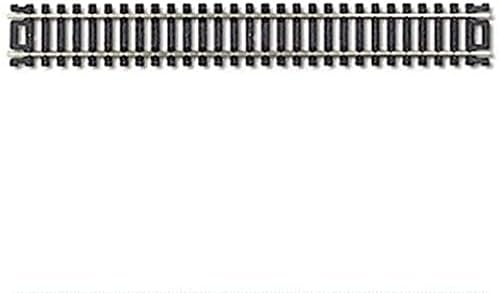
  • Sectional Track: Pre-formed, easy to assemble, ideal for beginners and temporary layouts.
  • Flex Track: Bendable, allows custom curves and more realistic layouts but requires careful cutting and fitting.

Integrated Roadbed Track

Some brands offer track with built-in roadbed (e.g., Bachmann EZ Track), simplifying installation for beginners and families.

4. Choosing and Preparing the Roadbed

The roadbed raises the track, provides sound dampening, and gives a realistic profile.

Roadbed TypeProsCons
FoamLightweight, easy to shape, quiets noiseSlightly more expensive
CorkTraditional, durable, easy to work withCan dry out or crumble over time
Integrated TrackSimplifies installation, portableLess realistic, limited flexibility
  • Foam (e.g., Woodland Scenics) is popular for its ease of use and sound dampening.
  • Cork is a classic, affordable choice.
  • Integrated roadbed track is best for quick setups and portability.

Step-by-Step: Preparing the Roadbed

  1. Mark Your Track Path:
    Use your track plan to draw the centerline on your baseboard.
  2. Cut and Fit the Roadbed:
    For curves, cut slits in the roadbed to help it bend smoothly. Dry-fit the roadbed along the marked centerline.
  3. Secure the Roadbed:
    Apply white glue or double-sided tape to attach the roadbed. Press firmly and use pins or small weights while the glue dries. Ensure it’s level and follows the centerline.
  4. Smooth the Surface:
    Once dry, check for bumps or gaps. Sand any rough edges or uneven spots gently.

5. Essential Tools for Accurate Track Laying

  • Track alignment gauges (for correct rail spacing)
  • Track cutters (for cutting track sections)
  • Needle-nose pliers (for bending rail ends and inserting joiners)
  • Small hammer or rubber mallet (for gently tapping in track nails or pins)
  • Measuring tape or ruler
  • Pencil/marker
  • Straightedge or flexible curve
  • Small level
  • Adhesive (white glue or double-sided tape)
  • Sandpaper or small file

6. Laying the Track: Step-by-Step

  1. Position the Track:
    Lay track sections on the prepared roadbed, aligning with the centerline. Shape flex track as needed.
  2. Connect and Secure:
    Join track sections using rail joiners. Use alignment gauges for correct spacing. Secure track with small nails, pins, or a dab of glue (avoid glue near moving parts).
  3. Test and Adjust:
    Run a piece of rolling stock over the track to check for bumps or misalignments. Adjust before final securing.
  4. (Optional) Ballasting:
    Spread model railroad ballast along the track for realism. Mist with a 50/50 water-glue mix (add a drop of dish soap) to secure, avoiding moving parts.

7. Maintenance and Repair Tips

  • Regular Cleaning:
    Use a soft cloth or track cleaning car to remove dust and dirt. Avoid harsh chemicals.
  • Inspect Joints:
    Check rail joiners and connections for gaps or looseness.
  • Check for Warping:
    Look for any warping or shifting in the roadbed or track, especially after temperature changes.
  • Repair as Needed:
    If a section becomes loose, re-glue or re-nail it. Replace damaged track or roadbed promptly.
  • Wheel and Coupler Checks:
    Make sure rolling stock wheels and couplers are clean and in good condition to prevent derailments.
  • Schedule Maintenance:
    Create a simple checklist to regularly inspect track, roadbed, and rolling stock.

8. Tips for Success

  • Start simple: Use sectional track and foam or cork roadbed for your first layout.
  • Test as you go to catch and fix issues early.
  • Take your time-patience leads to better results.
  • Involve family members in planning and assembly for a fun, shared project.

Suggested Images

  • Step-by-step photos: marking the baseboard, fitting roadbed, laying track, testing with rolling stock.
  • Close-ups of track types (Code 100 vs. Code 83).
  • Examples of foam and cork roadbed installation.

References

  1. Train scale guide – Webflow1
  2. How to Build a Model Railway | Step-by-Step Guide for Beginners & Railfans – YouTube3
  3. Walthers Model Railroading Products5

With these steps, you’ll be on your way to building a smooth-running, reliable HO scale railroad that the whole family can enjoy!

For Model Railroad Supplies check amazon.com

Citations:

  1. https://uploads-ssl.webflow.com/65f0212e0d7ed90e8f284129/681956687209e4ec9278c24d_58250850358.pdf
  2. https://lancemindheim.com/model-railroad-blog/
  3. https://www.youtube.com/watch?v=ZbPkf5B4zXo
  4. https://www.tiktok.com/discover/how-to-put-together-train-tracks
  5. https://www.walthers.com/about-us

Answer from Perplexity: pplx.ai/share

Bringing Your Model Railroad Layout to Life with 3D Printed Details: A Beginner’s Guide

Model railroading is a rewarding hobby that allows you to create a miniature world filled with intricate details and personal touches. Over the years, advancements in technology have made it easier than ever to add unique and realistic elements to your layout. One of the most exciting innovations in recent years is 3D printing. With 3D printed details, you can customize your model railroad like never before, creating everything from tiny accessories to entire structures.

If you’re new to the world of 3D printing or wondering how to incorporate these details into your layout, this family-friendly guide will walk you through everything you need to know.


Why Use 3D Printed Details?

3D printing has revolutionized the model railroading hobby for several reasons:

  1. Customization: You can create one-of-a-kind pieces that perfectly match your vision for your layout.
  2. Affordability: Once you have access to a 3D printer or online printing service, producing small details is often more cost-effective than buying pre-made items.
  3. Precision: 3D printers can produce highly detailed models that bring a level of realism difficult to achieve with traditional methods.
  4. Accessibility: Many online platforms offer free or affordable 3D models designed specifically for model railroads.

Getting Started with 3D Printing for Model Railroads

Step 1: Accessing a 3D Printer

If you don’t own a 3D printer, don’t worry! You have several options:

  • Purchase a Printer: Entry-level resin printers like the Elegoo Mars or Anycubic Photon are affordable and perfect for small, detailed prints.
  • Use Online Services: Websites like Shapeways or Treatstock allow you to upload designs and order prints without owning a printer.
  • Local Makerspaces: Many libraries and community centers have 3D printers available for public use.

Step 2: Finding Models

There are countless ready-to-print models available online:

  • Free Resources: Websites like Thingiverse and Printables offer free downloadable files for model railroad accessories.
  • Paid Models: Platforms like MyMiniFactory or Cults3D provide high-quality designs for a small fee.
  • Custom Designs: If you have specific needs, consider designing your own models using software like Tinkercad (beginner-friendly) or Fusion 360 (advanced).

Step 3: Choosing Materials

For model railroading, two types of materials are commonly used:

  1. PLA (Polylactic Acid): Affordable and easy to work with, PLA is great for larger pieces like buildings or terrain features.
  2. Resin: Resin printers produce finer details, making them ideal for small accessories like figures or tools.

Incorporating 3D Printed Details into Your Layout

Now that you have access to 3D printed models, let’s explore how to use them effectively on your layout.

1. Buildings and Structures

One of the most popular uses of 3D printing in model railroading is creating custom buildings and structures. Whether it’s a train station, factory, or farmhouse, 3D printing allows you to design structures that fit perfectly into your layout.

Tips:

  • Print buildings in sections (walls, roofs) to make painting easier.
  • Add texture by using sandpaper or applying weathering techniques after painting.
  • Use LED lighting inside buildings for added realism.

2. Accessories and Props

Small details make a big difference when it comes to bringing your layout to life. With 3D printing, you can add accessories like:

  • Benches, streetlights, and mailboxes for urban scenes.
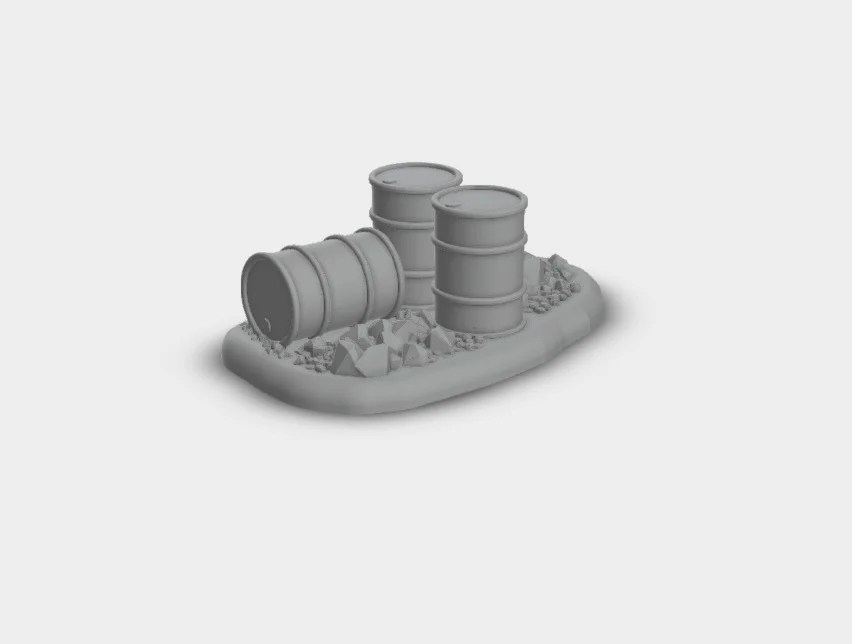
  • Barrels, crates, and tools for industrial areas.
  • Picnic tables, fences, and birdhouses for rural settings.

Tips:

  • Paint accessories in realistic colors using acrylic paints.
  • Group props together logically (e.g., crates near loading docks) to create believable scenes.

3. Vehicles

From cars and trucks to horse-drawn wagons, vehicles add movement and storytelling elements to your layout. Many hobbyists use 3D printing to create vehicles that match specific eras or themes.

Tips:

  • Add weathering effects like rust or dirt for used vehicles.
  • Use clear resin or transparent plastic sheets for windows.

4. Figures

Figures bring life and activity to any model railroad layout. With a resin printer, you can create highly detailed figures in various poses:

  • Workers loading cargo at an industrial site.
  • Families enjoying a picnic in the park.
  • Passengers waiting at the train station.

Tips:

  • Paint figures with fine brushes for precise details.
  • Place figures in contextually appropriate locations (e.g., workers near factories).

5. Terrain Features

Enhance your layout’s landscape with custom terrain features such as:

  • Rocks and cliffs
  • Bridges and tunnels
  • Water features like fountains or docks

Tips:

  • Combine printed terrain features with natural materials (e.g., real rocks) for added realism.
  • Use textured paints or flocking materials on terrain pieces.

6. Signage and Lettering

Custom signs are an easy way to add personality and storytelling elements to your layout. With a 3D printer, you can create:

  • Business signs for shops and factories
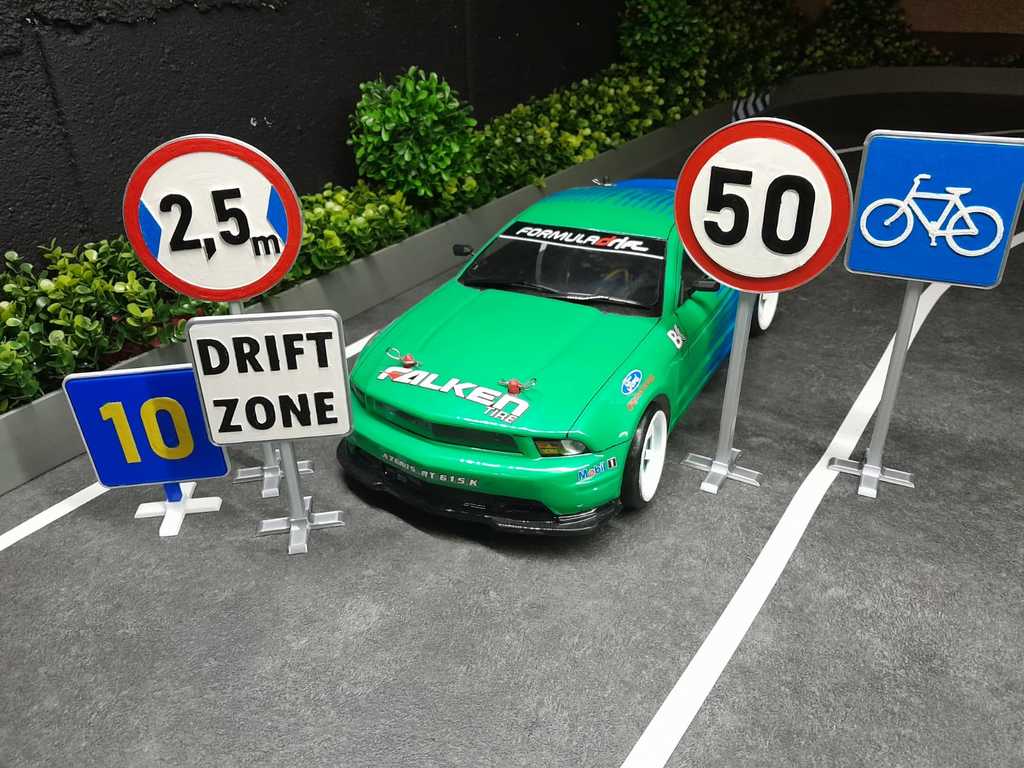
  • Street signs for urban areas
  • Custom lettering on buildings or vehicles

Tips:

  • Use contrasting paint colors to make lettering stand out.
  • Add weathering effects like chipped paint or grime.

Painting and Finishing Your Prints

To make your printed details look realistic, proper painting and finishing are essential:

  1. Clean Your Prints: Remove any support material left over from printing and lightly sand rough edges.
  2. Prime Before Painting: Apply a primer designed for plastic surfaces to help paint adhere evenly.
  3. Use Acrylic Paints: Acrylic paints are easy to work with and come in a wide range of colors.
  4. Add Weathering Effects: Use washes, dry brushing, or powders to simulate dirt, rust, or wear.
  5. Seal Your Work: Apply a matte or gloss sealant to protect your painted pieces.

Family-Friendly Fun with 3D Printing

One of the best things about using 3D printed details is that it’s a fun activity the whole family can enjoy! Here’s how everyone can get involved:

  • Kids can help paint small accessories like benches or barrels.
  • Teens can learn basic design skills using beginner-friendly software like Tinkercad.
  • Adults can handle more complex tasks like assembling buildings or operating the printer.

Working together not only makes the process faster but also creates lasting memories as you build something special as a family.


Final Thoughts

Incorporating 3D printed details into your model railroad layout is an exciting way to add customization and realism while keeping costs manageable. Whether you’re creating unique buildings, adding lifelike figures, or enhancing terrain features, the possibilities are endless with this innovative technology.

For beginners, start small—experiment with simple accessories before moving on to larger projects like custom structures. With time and practice, you’ll be amazed at what you can achieve!

So fire up that printer (or order from an online service), gather some paints and brushes, and start bringing your miniature world to life—one detail at a time!


References

  1. Kalmbach Media (2025). Model Railroader Magazine. Various issues featuring tips on using technology in model railroading.[^1]
    Website: https://www.trains.com/mrr
  2. Thingiverse (n.d.). Free Downloadable Models.
    Website: https://www.thingiverse.com
  3. Woodland Scenics (n.d.). Scenery Techniques.
    Website: https://woodlandscenics.com
  4. Luke Towan (2025). YouTube Channel. Tutorials on integrating advanced techniques into model railroads.[^2]
    Link: https://www.youtube.com/@LukeTowan
  5. Elegoo Official (2025). Resin Printers for Beginners.
    Website: https://www.elegoo.com

[^1]: Kalmbach Media provides insights into modern tools like 3D printing that enhance model railroading layouts.
[^2]: Luke Towan’s tutorials offer step-by-step guidance on painting and finishing techniques specific to 3D printed scenery elements.


Nature’s Little Helpers: Inexpensive Ways to Create Stunning Scenery for Your Model Railroad (Family-Friendly Edition!)

One of the most exciting parts of building a model railroad is creating a miniature world that feels real. The scenery – the trees, the ground, the rocks, the little details – is what breathes life into your layout and gives it its unique personality.

You might think that creating impressive scenery requires expensive materials from hobby stores. But guess what? You can create amazing landscapes using everyday items from your home and backyard! Not only is this budget-friendly, but it’s also a fantastic way to get the whole family involved in the creative process.

Let’s explore some fun and inexpensive ways to make trees and ground cover for your model railroad.

From Backyard to Background: Making Trees

Trees are essential for adding depth and realism to your model landscape. Here’s how to create them without breaking the bank:

Twiggy Wonders

Your backyard is a goldmine for tree-making materials!

  1. Gather: Collect small twigs and branches of varying shapes and sizes. The more variety, the better!
  2. Prepare: Let the twigs dry out completely. This will help prevent them from warping later.
  3. Customize: You don’t necessarily need to paint them, because they are already the right color! For a more realistic effect, you can drybrush them with lighter or darker shades of brown or green.
  4. Plant: Use white glue to fix them to the layout.

These twig trees work perfectly for small trees and shrubs or can be cut down to resemble logs. This is a cost-effective way to give your model railroad a realistic edge.

Skewer Logs

Did you know that wooden meat skewers from the supermarket aren’t just for kebabs?

  1. Cut: Cut the skewers into varying lengths to resemble logs.
  2. Texturize: Use sandpaper or a knife to create a rough bark-like texture.
  3. Stain: Apply a wood stain or diluted brown paint to give the logs a weathered look.
  4. Arrange: Glue the logs together to create log piles or use them individually to add details to your forest floor.

Sea Foam Forests (and Shrubs!)

Sea Foam, also known as “Forest in a Box,” is a lightweight, twiggy material sold at many hobby stores. But it’s still relatively inexpensive and very versatile.

  1. Prepare: Break off small pieces of Sea Foam and shape them into tree-like forms.
  2. Add Structure: Fine brass wire can be used to strengthen the trunks and branches. Torn-up pieces of masking tape can be wound around the tree trunk to add some width. This can then be sealed with a mixture of wall filler and PVA white glue.
  3. Adhesive: Spray with adhesive.
  4. Foliage: Sieve on some flock (described below.) It is usually best to mix a few little pieces together rather than use just one piece for an entire tree.
  5. Secure: You can then spray the trees all over with matt varnish, or spray them (upside down) with a mix of white glue and water. You then leave them to dry overnight.

Lichen Landscapes

Lichen is a readily available natural material that works wonders for both trees and shrubs.

  1. Gather (or Buy): You may be able to gather lichen from your yard or a park. Make sure it’s okay to do so, and only take what you need. You can also purchase bags of lichen at craft or hobby stores.
  2. Prepare: Break off small pieces and shape them into tree or shrub forms.
  3. Customize: You can purchase it in a range of colors that can be used separately or mixed together. Glue the lichen to your layout to create lush foliage and undergrowth.

From Kitchen to Countryside: Making Ground Cover

Ground cover adds texture and color to your model landscape, creating the illusion of grass, dirt, and other natural surfaces. Here are some easy and affordable ways to make it:

Mulberry Magic

If you have a mulberry tree nearby, you’re in luck!

  1. Gather: Collect fresh mulberry leaves.
  2. Dry: Dry them in a microwave oven.
  3. Blend: After they are dried out, drop them in a kitchen blender and you have instant ground cover!
  4. Store: Keep it in a plastic bag for when you need it.

The best thing is; it costs you virtually nothing to make. The only disadvantage with making your own ground cover is you will not necessarily know how long it will last when compared to the bought stuff.

Herbal Harvest

Dried herbs from your kitchen spice rack can be transformed into realistic ground cover.

  1. Gather: Collect different herbs, such as thyme, oregano, and parsley.
  2. Crush: Crush the herbs into fine pieces using a mortar and pestle or a rolling pin.
  3. Mix: Combine different herbs to create varying shades of green and brown.
  4. Apply: Sprinkle the crushed herbs onto your layout, using diluted white glue to secure them in place. Make sure to lay some newspaper underneath, as it can be a messy process.

This is a quick and easy way to add texture and color to your model landscape.

A Word About Store-Bought Scenery

There’s nothing wrong with purchasing scenery materials from hobby stores! In fact, a lot of model railroaders use a mix of ready-to-use grasses from the hobby store, and combine this with there own home made grass recipe. Many of the ground cover products from a hobby store will have been treated to help them maintain their color and withstand temperature and humidity variances over time. Some of them are non-flammable and nontoxic, so you need to decide what is important to you.

Final Thoughts

Creating scenery for your model railroad should be a fun and enjoyable process for the whole family. By using inexpensive and readily available materials, you can create a realistic and immersive landscape without breaking the bank.

Remember, there’s no right or wrong way to create scenery. Experiment with different materials and techniques to discover what works best for you. Let your imagination run wild and create a miniature world that reflects your unique vision!

As Robert Anderson says, “You just need to be a little creative in your approach. Have fun!”

Now go forth and transform your model railroad layout into a stunning landscape using these inexpensive and family-friendly techniques!

Citations:

References

Here are some helpful resources and references that inspired or support the ideas in the article “Nature’s Little Helpers: Inexpensive Ways to Create Stunning Scenery for Your Model Railroad”:

  1. Woodland Scenics
    Woodland Scenics offers a wide range of products for model railroad scenery, including trees, ground cover, and foliage materials. Their website also provides tutorials and videos on creating realistic landscapes.
    Website: www.woodlandscenics.com
  2. Model Railroader Magazine
    A trusted resource for model railroad enthusiasts, Model Railroader Magazine frequently publishes articles and tips on scenery-building techniques, including DIY methods for trees and ground cover.
    Website: www.trains.com/mrr
  3. YouTube Tutorials
    Many hobbyists share their creative scenery-making techniques on YouTube. Channels like “Luke Towan” and “Marklin of Sweden” provide step-by-step guides for crafting trees, shrubs, and ground cover using inexpensive materials.
  4. National Model Railroad Association (NMRA)
    The NMRA provides educational resources for model railroaders, including tips for creating realistic scenery and using natural materials effectively.
    Website: www.nmra.org
  5. Backyard Inspiration
    Observing nature firsthand is one of the best ways to gather materials and ideas for your model railroad scenery. Twigs, leaves, lichen, and other natural items can be collected responsibly from your own backyard or local parks.
  6. DIY Craft Blogs
    Websites like Instructables and Pinterest are great sources for DIY ideas, including using household items like coffee grounds or herbs to create realistic ground cover.
  7. Books on Model Railroading Scenery
    • “Basic Scenery for Model Railroaders” by Lou Sassi: A beginner-friendly book with practical advice on creating scenery using affordable materials.
    • “How to Build Realistic Model Railroad Scenery” by Dave Frary: A comprehensive guide that includes techniques for making trees, ground cover, and other landscape elements.

These references provide additional guidance and inspiration for creating stunning scenery on your model railroad layout while keeping it budget-friendly and family-focused!