Complete Beginner’s Guide to Laying Track for an HO Scale Layout

Building an HO scale model railroad is a fun, creative, and rewarding family project. This guide covers everything a beginner needs to know-from planning and preparing the roadbed to choosing the right track and tools, step-by-step installation, and long-term maintenance. Each section is easy to follow and designed to help you achieve smooth, reliable operation and a realistic look.

1. Planning Your Layout

Start by sketching your track plan on paper or using planning software. This helps you visualize your layout and ensures it fits your available space. Mark the centerlines for your track on your baseboard using a pencil for accurate placement later. A well-thought-out plan saves time and prevents mistakes down the line13.

2. Preparing the Baseboard

A sturdy, flat base is essential for a reliable layout. Use plywood or foam board supported by a simple wooden framework. Make sure the surface is level and strong enough to support your scenery, track, and trains3.

Tools you’ll need:

  • Saw (for cutting wood)
  • Drill and screwdriver
  • Measuring tape and ruler
  • Pencil and set square

3. Understanding HO Scale Track Types

HO scale (1:87.1) is the most popular choice for model railroaders, offering a balance of detail and manageable size1.

Code 100 vs. Code 83 Track

Track TypeDescriptionProsCons
Code 100Taller rail (0.100″)Durable, easy for beginners, compatible with older trainsLess realistic appearance
Code 83Lower, more prototypical rail (0.083″)Realistic look, preferred for modern layoutsSlightly more delicate, not always compatible with vintage models
  • Code 100 is robust and forgiving, making it ideal for beginners.
  • Code 83 offers a more realistic look, perfect for those focused on detail.

Sectional vs. Flex Track
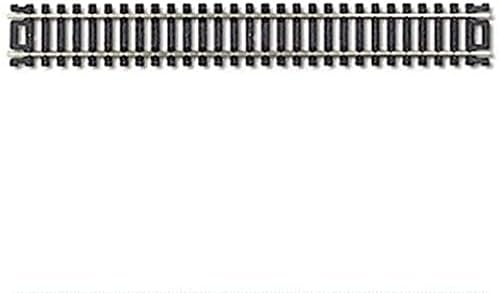
  • Sectional Track: Pre-formed, easy to assemble, ideal for beginners and temporary layouts.
  • Flex Track: Bendable, allows custom curves and more realistic layouts but requires careful cutting and fitting.

Integrated Roadbed Track

Some brands offer track with built-in roadbed (e.g., Bachmann EZ Track), simplifying installation for beginners and families.

4. Choosing and Preparing the Roadbed

The roadbed raises the track, provides sound dampening, and gives a realistic profile.

Roadbed TypeProsCons
FoamLightweight, easy to shape, quiets noiseSlightly more expensive
CorkTraditional, durable, easy to work withCan dry out or crumble over time
Integrated TrackSimplifies installation, portableLess realistic, limited flexibility
  • Foam (e.g., Woodland Scenics) is popular for its ease of use and sound dampening.
  • Cork is a classic, affordable choice.
  • Integrated roadbed track is best for quick setups and portability.

Step-by-Step: Preparing the Roadbed

  1. Mark Your Track Path:
    Use your track plan to draw the centerline on your baseboard.
  2. Cut and Fit the Roadbed:
    For curves, cut slits in the roadbed to help it bend smoothly. Dry-fit the roadbed along the marked centerline.
  3. Secure the Roadbed:
    Apply white glue or double-sided tape to attach the roadbed. Press firmly and use pins or small weights while the glue dries. Ensure it’s level and follows the centerline.
  4. Smooth the Surface:
    Once dry, check for bumps or gaps. Sand any rough edges or uneven spots gently.

5. Essential Tools for Accurate Track Laying

  • Track alignment gauges (for correct rail spacing)
  • Track cutters (for cutting track sections)
  • Needle-nose pliers (for bending rail ends and inserting joiners)
  • Small hammer or rubber mallet (for gently tapping in track nails or pins)
  • Measuring tape or ruler
  • Pencil/marker
  • Straightedge or flexible curve
  • Small level
  • Adhesive (white glue or double-sided tape)
  • Sandpaper or small file

6. Laying the Track: Step-by-Step

  1. Position the Track:
    Lay track sections on the prepared roadbed, aligning with the centerline. Shape flex track as needed.
  2. Connect and Secure:
    Join track sections using rail joiners. Use alignment gauges for correct spacing. Secure track with small nails, pins, or a dab of glue (avoid glue near moving parts).
  3. Test and Adjust:
    Run a piece of rolling stock over the track to check for bumps or misalignments. Adjust before final securing.
  4. (Optional) Ballasting:
    Spread model railroad ballast along the track for realism. Mist with a 50/50 water-glue mix (add a drop of dish soap) to secure, avoiding moving parts.

7. Maintenance and Repair Tips

  • Regular Cleaning:
    Use a soft cloth or track cleaning car to remove dust and dirt. Avoid harsh chemicals.
  • Inspect Joints:
    Check rail joiners and connections for gaps or looseness.
  • Check for Warping:
    Look for any warping or shifting in the roadbed or track, especially after temperature changes.
  • Repair as Needed:
    If a section becomes loose, re-glue or re-nail it. Replace damaged track or roadbed promptly.
  • Wheel and Coupler Checks:
    Make sure rolling stock wheels and couplers are clean and in good condition to prevent derailments.
  • Schedule Maintenance:
    Create a simple checklist to regularly inspect track, roadbed, and rolling stock.

8. Tips for Success

  • Start simple: Use sectional track and foam or cork roadbed for your first layout.
  • Test as you go to catch and fix issues early.
  • Take your time-patience leads to better results.
  • Involve family members in planning and assembly for a fun, shared project.

Suggested Images

  • Step-by-step photos: marking the baseboard, fitting roadbed, laying track, testing with rolling stock.
  • Close-ups of track types (Code 100 vs. Code 83).
  • Examples of foam and cork roadbed installation.

References

  1. Train scale guide – Webflow1
  2. How to Build a Model Railway | Step-by-Step Guide for Beginners & Railfans – YouTube3
  3. Walthers Model Railroading Products5

With these steps, you’ll be on your way to building a smooth-running, reliable HO scale railroad that the whole family can enjoy!

For Model Railroad Supplies check amazon.com

Citations:

  1. https://uploads-ssl.webflow.com/65f0212e0d7ed90e8f284129/681956687209e4ec9278c24d_58250850358.pdf
  2. https://lancemindheim.com/model-railroad-blog/
  3. https://www.youtube.com/watch?v=ZbPkf5B4zXo
  4. https://www.tiktok.com/discover/how-to-put-together-train-tracks
  5. https://www.walthers.com/about-us

Answer from Perplexity: pplx.ai/share

5 Top Model Train Accessories for 2025: A Family-Friendly Guide for Beginners

Model railroading is an exciting and rewarding hobby, and the accessories you choose can make all the difference in bringing your layout to life. As technology advances, new tools and features emerge every year, enhancing both realism and functionality. In 2025, several innovative accessories have become must-haves for hobbyists looking to elevate their layouts. This family-friendly article explores the top five model train accessories for 2025, perfect for beginners and families alike.


1. Digital Command Control (DCC) Systems

What It Is:

Digital Command Control (DCC) systems allow you to operate multiple trains independently on the same track. In 2025, DCC systems have become more user-friendly, with wireless connectivity and app-based controls.

Why It’s a Must-Have:

  • Ease of Use: Modern DCC systems feature intuitive interfaces that make it easy for beginners to learn.
  • Enhanced Control: You can control speed, direction, lighting, and sound effects for each train individually.
  • Family Fun: App-based controls allow multiple users to operate trains simultaneously, making it a great activity for families.

Tips for Beginners:

  • Start with entry-level DCC systems like the NCE Power Cab or Digitrax Zephyr Express.
  • Use online tutorials and videos to learn how to program locomotives.

2. LED Lighting Kits

What It Is:

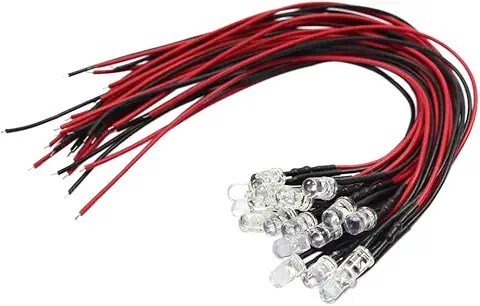
LED lighting kits are used to illuminate buildings, streetlights, and train interiors on your layout. In 2025, smart LED kits with programmable features have become increasingly popular.

Why It’s a Must-Have:

  • Realism: Lighting adds depth and atmosphere to your layout, especially during nighttime scenes.
  • Energy Efficiency: LEDs consume less power and last longer than traditional bulbs.
  • Customizable: Programmable kits allow you to adjust brightness and color for different scenes.

Tips for Beginners:

  • Use warm white LEDs for indoor lighting and cool white LEDs for outdoor areas.
  • Experiment with dimming effects to create realistic shadows.

3. Sound Modules

What It Is:

Sound modules provide realistic audio effects like train whistles, engine noises, station announcements, and ambient sounds. In 2025, sound modules have become more compact and versatile.

Why It’s a Must-Have:

  • Immersion: Sound effects bring your layout to life by adding an auditory dimension.
  • Customizable: Many sound modules allow you to upload custom audio files.
  • Family-Friendly: Kids love hearing realistic train sounds as they operate the layout.

Tips for Beginners:

  • Start with pre-programmed sound modules like those from SoundTraxx or MRC.
  • Place speakers strategically around your layout for even sound distribution.

4. Static Grass Applicators

What It Is:

Static grass applicators are tools used to create realistic grassy textures on your layout. In 2025, rechargeable applicators with adjustable voltage settings are trending.

Why It’s a Must-Have:

  • Realism: Static grass stands upright when applied correctly, mimicking real grass.
  • Versatility: Applicators can be used for fields, lawns, or overgrown areas.
  • Easy to Use: Modern applicators are lightweight and beginner-friendly.

Tips for Beginners:

  • Practice on a small area before applying static grass to larger sections of your layout.
  • Mix different shades of grass fibers for a more natural look.

5. Modular Scenery Kits

What It Is:

Modular scenery kits include pre-made components like hills, tunnels, rivers, and bridges that can be easily assembled and customized. These kits have become more detailed and lightweight in 2025.

Why It’s a Must-Have:

  • Time-Saving: Modular kits simplify the process of building complex terrain features.
  • Customizable: You can paint and add details to match your layout’s theme.
  • Family-Friendly: Assembly is straightforward and fun for all ages.

Tips for Beginners:

  • Choose kits that match the scale of your layout (e.g., HO or N scale).
  • Combine modular components with natural materials like rocks or twigs for added realism.

How These Accessories Enhance Your Layout

These top accessories not only improve the visual appeal of your model railroad but also make it more interactive and engaging. Here’s how they contribute:

  1. Realism: DCC systems and sound modules create lifelike operations that mimic real-world railroads. LED lighting adds atmosphere while static grass enhances scenery detail.
  2. Functionality: Modular kits save time while allowing you to focus on creative aspects of your layout.
  3. Family Fun: All five accessories offer opportunities for collaboration—whether it’s programming trains or assembling scenery components together as a family.

Beginner Tips for Accessory Integration

If you’re new to model railroading, here are some tips to help you incorporate these accessories into your layout:

  1. Start Small: Focus on one accessory at a time to avoid feeling overwhelmed.
  2. Learn as You Go: Watch tutorials online or join local model railroading clubs for guidance.
  3. Experiment: Don’t be afraid to try different techniques or configurations until you find what works best.
  4. Involve the Family: Assign tasks like painting scenery or programming trains to make it a shared activity.

Final Thoughts

The world of model railroading continues to evolve with new technologies and innovations each year. In 2025, accessories like DCC systems, LED lighting kits, sound modules, static grass applicators, and modular scenery kits are helping hobbyists create layouts that are more realistic and engaging than ever before.

For beginners, these tools provide an excellent starting point while offering plenty of room for creativity and customization. Whether you’re building a bustling cityscape or a quiet countryside scene, these accessories will help bring your miniature world to life—and create wonderful memories along the way!

So gather your family, pick up these must-have items, and start crafting a model railroad layout that’s truly breathtaking!


References

  1. Kalmbach Media (2025). Model Railroader Magazine. Various issues featuring reviews of model train accessories.[^1]
    Website: https://www.trains.com/mrr
  2. Woodland Scenics (n.d.). Scenery Techniques.
    Website: https://woodlandscenics.com
  3. National Model Railroad Association (NMRA). Recommended Tools & Accessories.
    Website: https://nmra.org
  4. Digitrax (2025). DCC Systems Overview.
    Website: https://www.digitrax.com
  5. Luke Towan (2025). YouTube Channel. Tutorials on integrating advanced techniques into model railroads.[^2]
    Link: https://www.youtube.com/@LukeTowan

[^1]: Kalmbach Media provides insights into modern tools like DCC systems that enhance model railroading layouts.
[^2]: Luke Towan’s tutorials offer step-by-step guidance on using accessories like LED lighting kits effectively.


Easy-to-Build Model Industries for Beginners

Adding industries to your model railroad layout brings it to life and provides engaging operational possibilities. For beginners, starting with simple yet effective industries is key. Here are some easy-to-build model industries that will enhance your layout without overwhelming you:

Grain Elevator

A grain elevator is a classic rail-served industry that’s visually striking and operationally significant2.

Key Elements:

  • Tall cylindrical silos
  • Loading/unloading area
  • Small office building

Materials Needed:

  • Plastic tubing or PVC pipe for silos
  • Styrene sheets for walls and roofs
  • Small-scale ladders and railings

Construction Steps:

  1. Cut plastic tubing to desired heights for silos
  2. Create a base and top for silos using styrene sheet
  3. Build a small office structure using styrene
  4. Add details like ladders, conveyor belts, and signage

Operation:

  • Receive covered hoppers of grain
  • Ship out processed products in boxcars

A grain elevator provides excellent opportunities for switching operations and adds vertical interest to your layout5.

Lumber Yard

A lumber yard is easy to model and offers varied operational possibilities3.

Key Elements:

  • Stacks of lumber
  • Loading dock
  • Small office or shed

Materials Needed:

  • Stripwood or basswood sheets for lumber stacks
  • Styrene for the loading dock and office
  • Glue and paint

Construction Steps:

  1. Cut stripwood into various lengths for lumber stacks
  2. Glue strips together to form stacks of different sizes
  3. Build a simple loading dock from styrene
  4. Construct a small office or shed

Operation:

  • Receive flatcars of raw lumber
  • Ship out finished products in boxcars

Team Track

A team track is versatile and perfect for beginners, accommodating various car types without complex structures.

Key Elements:

  • Simple track siding
  • Small loading area
  • Optional small storage shed

Materials Needed:

  • Track and ballast
  • Styrene or cardstock for the loading area
  • Optional kit for a small shed

Construction Steps:

  1. Lay a siding track parallel to your mainline
  2. Create a small paved area using styrene or textured cardstock
  3. Add details like pallets, crates, and barrels
  4. Optionally, build a small storage shed nearby

Operation:

  • Load and unload various car types (boxcars, flatcars, gondolas)
  • Simulate different small businesses using the same track

Small Factory or Warehouse

A generic industrial building offers flexibility in operations and is simple to construct.

Key Elements:

  • Rectangular building with loading docks
  • Parking area
  • Signage

Materials Needed:

  • Styrene sheets for walls and roof
  • Window and door castings
  • Acrylic paints

Construction Steps:

  1. Cut styrene sheets for walls and roof
  2. Add windows and doors
  3. Create loading docks on one side
  4. Paint and weather the structure
  5. Add signage and details like air conditioning units and downspouts

Operation:

  • Receive raw materials in various car types
  • Ship out finished products in boxcars or flatcars

Coal Dealer

A small coal yard with a simple unloading trestle provides opportunities for hopper car operations.

Key Elements:

  • Elevated track or small trestle
  • Coal pile
  • Small office or scale house

Materials Needed:

  • Styrene or balsa wood for the trestle
  • Fine gravel or commercial coal material
  • Small kit for the office

Construction Steps:

  1. Construct a simple elevated track or trestle
  2. Create a coal pile using fine gravel or commercial coal material
  3. Build a small office or scale house
  4. Add details like fencing and equipment

Operation:

  • Receive hopper cars of coal
  • Simulate local delivery operations

Tips for Building Model Industries

  1. Start Small: Begin with one or two industries and expand as you gain confidence and skills.
  2. Research: Look at photos of real industries for inspiration and accuracy.
  3. Use Kits: Many manufacturers offer kits for beginners that can be easily assembled.
  4. Weathering: Add realism by lightly weathering your structures and surrounding areas.
  5. Lighting: Consider adding simple LED lighting to bring your industries to life at night.
  6. Scenery: Integrate your industries into the landscape with appropriate ground cover, trees, and details.
  7. Operations: Plan how your industries will interact with your trains to create interesting operating sessions.

Conclusion

Building model industries for your railroad layout doesn’t have to be daunting. These easy-to-build options provide a great starting point for beginners. They offer a balance of simplicity in construction and interest in operation. As you become more comfortable with modeling techniques, you can add more details or expand to more complex industries.

Remember, the key to enjoying model railroading is to have fun and be creative. Don’t worry about perfect realism at first – focus on creating a layout that you enjoy operating and looking at. With these simple industries, you’ll be well on your way to creating an engaging and operational model railroad that will provide hours of enjoyment.

As your skills grow, you can always modify or replace these starter industries with more complex ones. The beauty of model railroading is that your layout can evolve with your skills and interests. So start simple, enjoy the process, and watch your miniature world come to life!

Citations:

  1. https://www.indeed.com/career-advice/finding-a-job/how-to-find-model-jobs
  2. https://www.scarm.info/blog/tutorials-and-examples/ho-scale-grain-elevator/
  3. https://www.armballast.com/modeling-a-lumber-operation-and-sawmill-a-detailed-guide/
  4. https://www.brandonandrephoto.com/blog/fashion-industry-101-a-guide-for-beginner-models
  5. https://www.youtube.com/watch?v=_BjVEAfxi9I
  6. https://www.youtube.com/watch?v=1yzfPK5LQwc
  7. https://www.reddit.com/r/modelmakers/comments/17wywax/whats_the_best_model_brand_in_your_opinion_for/
  8. https://forum.trains.com/t/grain-elevator-placement/315078

Answer from Perplexity: pplx.ai/share

Model Railroading: A Great Family-Friendly Hobby (Updated for 2025)

Model railroading is a hobby that has captivated people of all ages for generations. This unique craft allows enthusiasts, from novices to professionals, to develop small-scale railway systems complete with miniature trains and intricate scenery. With no skill or age restrictions, it’s an ideal activity for bringing families together. Let’s explore why model railroading remains a fantastic family-friendly hobby in 2025.

Everyone Can Participate

One of the most appealing aspects of model railroading is its inclusivity. Individuals of all ages, from young children to seniors, can participate and find enjoyment. Building a model railroad fosters teamwork and collaboration within the family. Each member can contribute to different aspects of the project, whether it’s designing the layout, constructing buildings, laying track, or adding scenery. This shared effort creates a sense of accomplishment and strengthens family bonds.

Educational Value

Model railroading offers significant educational opportunities. The hobby encompasses various subjects, including history, engineering, and design. Researching prototype railroads and their historical context deepens knowledge of transportation history and technological advancements. Constructing the model railroad itself involves practical engineering skills such as electrical wiring, track design, and spatial planning. These hands-on activities encourage problem-solving, critical thinking, and creativity.

Therapeutic Value

Beyond its educational benefits, model railroading can also be incredibly therapeutic. The hobby provides a means of stress relief and relaxation. The focus and concentration required in model railroading can help individuals detach from daily worries and immerse themselves in a positive and engaging activity. The creative process of designing and building a miniature world can be deeply satisfying, fostering a sense of accomplishment and well-being.

Endless Possibilities

Model railroading offers endless possibilities for customization and creativity. Enthusiasts can create their own unique worlds, designing layouts that reflect their personal interests and preferences. The choice of era, location, and type of trains allows for endless variation. Adding scenery, buildings, and other details allows for further personalization, making each model railroad a one-of-a-kind creation.

Long-Lasting Hobby

Model railroading is a hobby that can span a lifetime. Many enthusiasts begin their journey in childhood and continue to enjoy the hobby throughout their lives. Model railroading creates lasting memories and provides an opportunity to pass on a cherished tradition to future generations. Additionally, the hobby fosters connections with other enthusiasts through clubs, online forums, and model railroad shows, creating a supportive community of like-minded individuals.

What’s New in 2025?

  • Digital Command Control (DCC) is More Accessible: DCC systems are more user-friendly and affordable, making it easier for families to control multiple trains independently and add sound effects to their layouts.
  • 3D Printing Revolutionizes Customization: 3D printers have become more accessible, allowing modelers to create custom parts, buildings, and details that were previously difficult or impossible to find.
  • Augmented Reality (AR) Integration: New AR apps allow users to overlay virtual scenery and details onto their physical layouts, creating a blended reality experience that enhances immersion and realism.
  • Focus on Sustainability: There’s growing interest in using sustainable materials and practices in model railroading, such as recycled cardboard, biodegradable ground cover, and energy-efficient LED lighting.
  • Emphasis on Realistic Operations: More modelers are focusing on replicating real-world railroad operations, including switching maneuvers, freight car routing, and timetable-based operation.

Conclusion

In conclusion, model railroading remains a rewarding and family-friendly hobby in 2025. It provides opportunities for learning, creativity, relaxation, and connection. With its endless possibilities and long-lasting appeal, model railroading is sure to provide hours of entertainment and enjoyment for families for years to come. Now is the perfect time to gather your family, spark your imagination, and embark on the exciting journey of building your own miniature world. The innovative technologies and techniques available today make it easier than ever to create a truly immersive and engaging model railroad experience.

Citations:
[1] https://stanshobbiesandinterests.com/2023/09/18/model-railroading-a-great-family-friendly-hobby/