If you love model trains, you know how frustrating it is when a train starts to jump, stutter, or stop completely on the track. Usually, we blame “dirty track” and scrub it. But what is that black gunk on the rails, where does it come from, and how do we get rid of it for good?
Let’s look at the science behind model trains and learn a secret trick to keep your trains running smoothly for years!
The Secret Enemy: Tiny Lightning Bolts
You might think the black stuff on your tracks is just house dust, but most of it is actually caused by electricity.
When a model train runs, electricity flows from the metal track into the metal wheels. Because the wheels are constantly turning and bumping along, they lose contact with the track for a split second, over and over again. When this happens, a tiny, invisible electric spark jumps across the gap.
These tiny sparks act like miniature bolts of lightning! They blast microscopic holes into the top of the metal rails. Oxygen in the air rushes into these tiny holes and causes the metal to change into a dark crust called metal oxide. That is the black gunk that stops your trains.
Why Rubbing Alcohol Makes It Worse
For a long time, hobbyists used rubbing alcohol (also called isopropyl alcohol) to clean their tracks. It looks like it works great at first, but it actually creates a trap!
Rubbing alcohol is what scientists call polar. This means its molecules have a tiny electrical charge. When you leave even a microscopic drop of alcohol residue inside those tiny spark-holes, it acts like a magnet for electricity. The next time you run your train, the alcohol residue causes more tiny sparks, which creates more black gunk. You end up having to clean your track every couple of days!
Instead, it is much better to use a non-polar cleaner, like regular mineral spirits. Non-polar cleaners do not have an electrical charge, so they clean the track without causing extra sparks later.
The Secret Weapon: Conductive Grease
What if you could fill in those microscopic spark-holes with something that actually helps electricity flow?
There is a special, thick product called NO-OX-ID (pronounced no-ox-eyed). It looks like regular grease, but it is specifically made to help electricity pass through metal while keeping air and oxygen out.
I HIGHLY RECOMMEND THIS PRODUCT.
Putting grease on train tracks sounds like a terrible idea because you would think the train wheels would just spin and slip. But if you put it on the right way, it works like magic.
How to Treat Your Tracks in 5 Steps
To protect your layout so you don’t have to clean it again for a really long time, follow these steps with an adult’s help:
1.Clean the Tracks Deeply: Get rid of the old black gunk first. For cleaning switches using CRC Electrical Cleaner works very well.
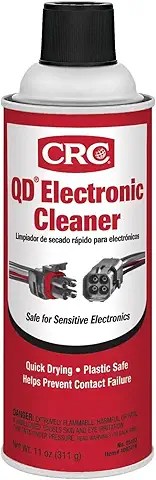
Have an adult help you use a soft cloth dipped in mineral spirits to wipe the rails. Keep wiping until the cloth doesn’t show any more black marks.
2.Clean the Train Wheels: Don’t put dirty wheels on clean track.
Make sure the wheels on your locomotives and cars are completely clean, too. If they are dirty, they will instantly mess up your clean track.
3.Apply a Microscopic Layer: Use a super small amount.
Put a tiny, invisible smudge of NO-OX-ID grease on your finger. Rub it along the top of the rails. You should use so little that you cannot even see it!
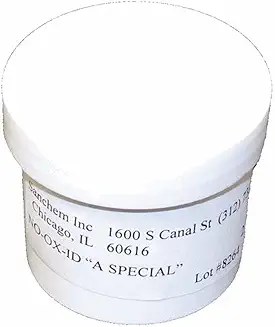
4.Run the Trains: Let the trains spread the grease.
Put your locomotives on the track and let them drive around for a few minutes. Their rolling wheels will pick up the grease and spread it perfectly across the whole layout.
5.The Final Wipe: Wipe off any extra film.
Take a dry, clean cloth and gently wipe the tops of the rails one last time. This leaves the grease hidden inside the microscopic holes but keeps the top of the track dry so the trains have good traction.
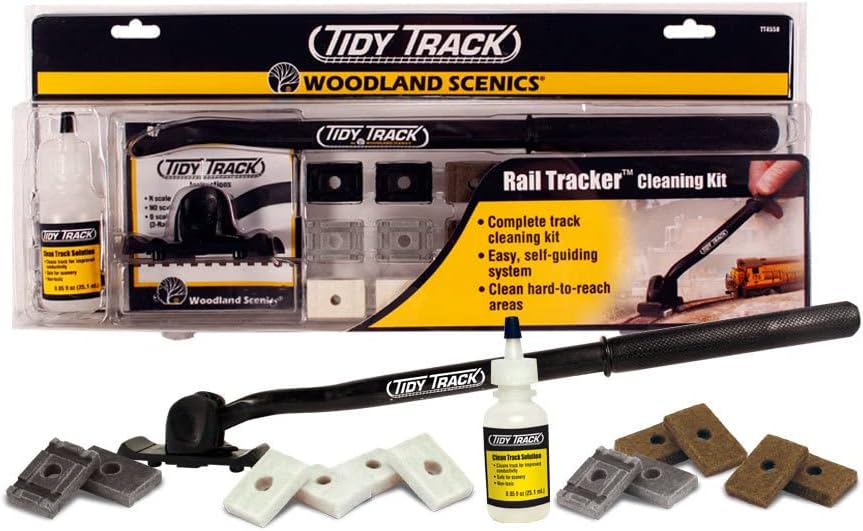
Woodland Scenic track cleaning kit
The Tidy Track Pads are not overly abrasive. In truth, mildly abrasive products are needed to maintain a proper functioning track. Tidy Track Wheel and Rail Maintenance System provides all the tools needed for corrective and preventive maintenance. The Rescue and Maintenance Pads have a fine grit embedded into a rubber-like material. These pads are actually good for the track. The Maintenance Pads will dress the track and help prevent corrosion and build-up.
Two Final Rules to Remember
Once you do this, your trains should run perfectly. Many model railroaders don’t have to wash their tracks again for five years! You only need to vacuum up normal household dust. Just remember these two rules:
- No More Liquids: Never spray liquid cleaners on your track after this, or you will wash away your protective grease layer.
- Watch Out for Rubber: If you have steam engines with rubber traction tires (small rubber bands on the wheels to help them pull heavy loads), skip the grease. The grease can make the rubber stretch out and break.
Until then, happy modeling, and keep those trains rolling!

