How to Lay Track on a Model Train Layout: A Guide for Novices

Model railroading is a wonderful hobby that combines creativity, engineering, and a love for trains. One of the most important steps in building your model train layout is laying the track. Properly laid track ensures smooth and reliable operation of your trains and adds to the overall realism of your layout. For novices, this task can seem daunting, but with the right guidance, it can be a manageable and enjoyable project. In this article, we’ll walk you through the essential steps to lay track on your model train layout.

Understanding the Basics

Before we dive into the step-by-step process, it’s important to understand some basic concepts related to model train track:

1. Types of Track

There are two main types of model train track: sectional track and flex track.

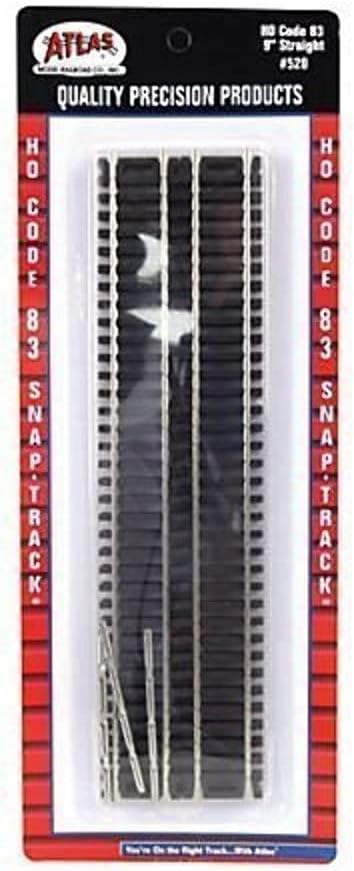
  • Sectional Track: Comes in fixed lengths and curves. It is easy to assemble and is ideal for beginners.
  • Flex Track: Comes in long, flexible sections that can be bent and cut to fit any layout design. It offers greater flexibility and allows for more realistic track arrangements.

2. Track Gauges

Track gauge refers to the distance between the rails. Common gauges include:

  • HO Scale (1:87): One of the most popular scales, suitable for detailed layouts.
  • N Scale (1:160): Smaller than HO, ideal for limited spaces.
  • O Scale (1:48): Larger than HO, provides more detail but requires more space.

3. Track Bed

The track bed is the foundation on which the track is laid. It provides stability and helps reduce noise. Common materials for track beds include cork, foam, and rubber.

Step-by-Step Guide to Laying Track

Step 1: Plan Your Layout

Before you start laying track, it’s crucial to plan your layout. Draw a detailed track plan, including all tracks, turnouts, and any accessories you plan to use. Consider the following:

  • Space: Measure the area where you will set up your layout.
  • Scale: Choose the scale that best fits your space and preferences.
  • Track Plan: Decide on the type of track plan (e.g., continuous loop, point-to-point, switching layout).

See my article on Factors to consider on your Track Plan

Step 2: Prepare the Base

The base of your layout is the surface on which you will lay the track. Common materials for the base include plywood, foam board, and MDF (medium-density fiberboard). Follow these steps to prepare the base:

  1. Cut the Base: Cut the base material to the desired size and shape.
  2. Support the Base: Build a sturdy frame or table to support the base. Ensure it is level and stable.
  3. Mark the Track Plan: Transfer your track plan onto the base using a pencil or marker. This will serve as a guide when laying the track.

Step 3: Install the Track Bed

The track bed provides a stable foundation for the track and helps reduce noise. Follow these steps to install the track bed:

  1. Cut the Track Bed: Cut the track bed material (e.g., cork or foam) to match the shape of your track plan.
  2. Glue the Track Bed: Apply a thin layer of adhesive (e.g., white glue or contact cement) to the base and press the track bed into place. Allow the adhesive to dry completely.
  3. Smooth the Track Bed: Ensure the track bed is smooth and level. Sand any rough edges if necessary.

Step 4: Lay the Track

Now it’s time to lay the track on the track bed. Follow these steps:

  1. Position the Track: Place the track sections on the track bed according to your track plan. Use track joiners (rail joiners) to connect the sections.
  2. Secure the Track: Once you are satisfied with the track placement, secure the track to the track bed using track nails or adhesive. If using track nails, be careful not to bend the rails.
  3. Cut Flex Track: If you are using flex track, cut it to the desired length using a rail cutter. Bend the flex track to fit your layout and secure it in place.
  4. Install Turnouts: If your layout includes turnouts (switches), install them according to the manufacturer’s instructions. Ensure they operate smoothly and align with the rest of the track.

Step 5: Wire the Track

Proper wiring is essential for smooth operation of your trains. Follow these steps to wire the track:

  1. Power Supply: Connect the power supply (DC or DCC) to the track. For DC layouts, connect the power pack to the track using feeder wires. For DCC layouts, connect the command station to the track.
  2. Feeder Wires: Install feeder wires at regular intervals to ensure consistent power distribution. Solder the feeder wires to the rails and connect them to the bus wires running underneath the layout.
  3. Test the Wiring: Use a multimeter to check for proper voltage and continuity. Ensure there are no short circuits or loose connections.

See my article on tips on How to Wire your Layout

Step 6: Test the Track

Before you start running trains, it’s important to test the track to ensure smooth operation. Follow these steps:

  1. Run a Test Train: Run a test train slowly around the entire layout. Check for any rough spots, derailments, or electrical issues.
  2. Adjust the Track: Make any necessary adjustments to the track alignment, elevation, or wiring. Ensure all turnouts operate smoothly.
  3. Clean the Track: Clean the track using a track cleaning eraser or isopropyl alcohol to remove any dirt or debris.

Step 7: Add Ballast

Ballasting the track adds realism and helps secure the track in place. Follow these steps to add ballast:

  1. Apply the Ballast: Spread the ballast evenly along the track using a small spoon or brush. Ensure the ballast covers the track bed and fills the space between the ties (sleepers).
  2. Shape the Ballast: Use a small brush to shape the ballast and remove any excess. Ensure the ballast is level and does not interfere with the rails.
  3. Glue the Ballast: Apply a mixture of white glue and water (50:50 ratio) to the ballast using a dropper or spray bottle. Allow the glue to dry completely.

Step 8: Add Scenery and Details

Once the track is laid and ballasted, you can add scenery and details to enhance the realism of your layout. Consider adding:

  • Buildings and Structures: Add stations, factories, houses, and other structures to create a realistic scene.
  • Vegetation: Use ground foam, static grass, and trees to add greenery to your layout.
  • Roads and Pathways: Create roads and pathways using paint, plaster, or pre-made road materials.
  • Figures and Vehicles: Add figures, vehicles, and other details to bring your layout to life.

For Model Railroad Scenery Supplies check this SITE

Conclusion

Laying track on a model train layout is a crucial step in creating a realistic and enjoyable model railroad. By following the steps outlined in this guide, you can ensure that your track is properly laid, wired, and tested for smooth operation. Remember, patience and attention to detail are key to a successful track-laying project. With practice and experience, you’ll become more confident in your skills and enjoy the rewarding process of building your model train layout. Happy railroading!

Citations:
[1] https://www.youtube.com/watch?v=oJL8DZO5mks
[2] https://www.nmra.org/beginners-guide-part-2-layout-planning
[3] https://cs.trains.com/mrr/f/11/t/212570.aspx
[4] https://www.building-your-model-railroad.com/model-railroad-track-plans.html
[5] https://www.youtube.com/watch?v=rbPZkp8gaY0
How to Wire a Model Train Layout: A Guide for Novices

This article is in response to a comment from Matthew, I hope this helps with your wiring project.

Model railroading is a fascinating and rewarding hobby that combines creativity, engineering, and a love for trains. One of the most crucial aspects of building a model train layout is wiring. Proper wiring ensures that your trains run smoothly and reliably, and it allows you to control various elements of your layout. For novices, wiring can seem daunting, but with the right guidance, it can be a manageable and even enjoyable task. In this article, we’ll walk you through the essential steps to wire your model train layout.

Understanding the Basics

Before diving into the wiring process, it’s essential to understand some basic concepts:

1. Power Supply

The power supply is the heart of your layout’s electrical system. It converts household electricity into a form that your trains can use. There are two main types of power supplies:

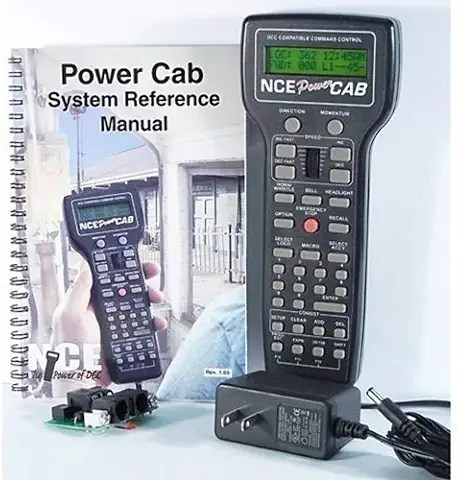
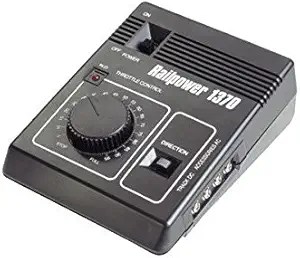
  • DCC (Digital Command Control): Modern layouts often use DCC, which allows for independent control of multiple trains on the same track. DCC systems send digital signals through the rails to control train functions. Power Cab DCC Starter Set NCE5240025

2. Track Wiring

Track wiring involves connecting the power supply to the rails so that the trains receive power. This is typically done using feeder wires and bus wires.

  • Feeder Wires: Short wires that connect the track to the bus wires.
  • Bus Wires: Long wires that run under the layout and distribute power from the power supply to the feeder wires.

3. Blocks and Sections

Dividing your layout into blocks or sections can help manage power distribution and control. Each block is an electrically isolated section of track with its own feeder wires.

4. Switches and Turnouts

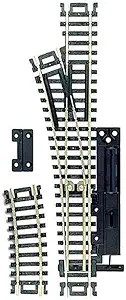
Switches (also known as turnouts) allow trains to change tracks. Wiring switches correctly is essential for smooth operation. HO Code 100 Manual Left-Hand Switch

Step-by-Step Guide to Wiring Your Model Train Layout

Step 1: Plan Your Layout

Before you start wiring, it’s crucial to plan your layout. Draw a detailed track plan, including all tracks, turnouts, and any accessories you plan to use. Identify where you will place the power supply and how you will divide the layout into blocks.

Step 2: Gather Your Materials

You’ll need the following materials for wiring your layout:

  • Power supply (DC or DCC)
  • Bus wires (typically 14-16 gauge)
  • Feeder wires (typically 20-22 gauge)
  • Rail joiners (insulated and non-insulated)
  • Terminal blocks or connectors – ( I prefer Suitcase connectors they work well)
  • Soldering iron and solder
  • Wire strippers and cutters
  • Electrical tape or heat shrink tubing
  • Multimeter (for testing)

Most of these items can be found in this article Must have accessories

Step 3:Install the Power Supply

Place your power supply in a convenient location where you can easily access it. If you’re using a DCC system, follow the manufacturer’s instructions for setting up the command station and connecting it to the power supply.

Step 4: Run the Bus Wires

Run the bus wires under your layout, following the path of your tracks. It’s a good idea to use color-coded wires (e.g., red for positive and black for negative) to avoid confusion. Secure the bus wires to the underside of your layout using cable clips or staples.

Step 5: Connect the Feeder Wires

Feeder wires connect the track to the bus wires, ensuring consistent power distribution. Here’s how to install feeder wires:

  1. Strip the Ends: Use wire strippers to remove about 1/4 inch of insulation from the ends of the feeder wires.
  2. Solder to the Track: Solder one end of the feeder wire to the rail. It’s best to solder the wire to the bottom or side of the rail to keep it hidden.
  3. Connect to the Bus Wires: Strip a small section of insulation from the bus wires and solder the other end of the feeder wire to the bus wire. Alternatively, you can use terminal blocks or connectors to make the connection.

Step 6: Divide the Layout into Blocks

Dividing your layout into blocks helps manage power distribution and control. To create blocks:

  1. Isolate the Sections: Use insulated rail joiners to separate the rails at the boundaries of each block.
  2. Install Block Feeder Wires: Run feeder wires from each block to the bus wires, ensuring that each block is independently powered.

Step 7: Wire the Switches and Turnouts

Wiring switches and turnouts correctly ensures smooth operation and prevents short circuits. Follow these steps:

  1. Power the Frog: If your turnouts have powered frogs (the moving part of the switch), connect a feeder wire to the frog and run it to a switch machine or relay.
  2. Control the Switch: Connect the switch machine or relay to your control panel or DCC system. This allows you to change the position of the turnout remotely.

Step 8: Test Your Wiring

Before running your trains, it’s essential to test your wiring to ensure everything is connected correctly. Use a multimeter to check for continuity and proper voltage at various points on the track. Look for any short circuits or areas with poor electrical contact.

Step 9: Troubleshoot Common Issues

If you encounter any issues, here are some common problems and solutions:

  • Short Circuits: Check for any metal objects or tools touching the rails. Ensure that insulated rail joiners are correctly installed at block boundaries.
  • Poor Electrical Contact: Clean the track and wheels of your trains. Ensure that all solder joints are secure and that feeder wires are properly connected.
  • Inconsistent Power: Check for loose connections in the bus and feeder wires. Ensure that the power supply is functioning correctly.

Step 10: Enjoy Your Layout

Once you’ve tested and verified your wiring, it’s time to enjoy your model train layout! Run your trains and experiment with different operations. As you gain experience, you can add more features and accessories to enhance your layout.

Model Railroad supplies and accessories

Tips for Successful Wiring

  1. Label Your Wires: Use labels or colored tape to identify different wires and their functions. This will make troubleshooting and future modifications easier.
  2. Keep It Neat: Organize your wires using cable clips, zip ties, or wire looms. A tidy wiring setup is easier to manage and less prone to issues.
  3. Document Your Work: Keep a wiring diagram or notes on your layout’s wiring. This will be invaluable for future reference and troubleshooting.
  4. Start Simple: If you’re new to wiring, start with a basic layout and gradually add more features as you become more comfortable with the process.
  5. Ask for Help: Don’t hesitate to seek advice from experienced model railroaders or online forums. The model railroading community is full of knowledgeable and helpful enthusiasts.

Conclusion

Wiring a model train layout may seem intimidating at first, but with careful planning and attention to detail, it can be a manageable and rewarding task. By following the steps outlined in this guide, you’ll be well on your way to creating a reliable and enjoyable model railroad layout. Remember, practice makes perfect, and each wiring project will build your skills and confidence. Happy railroading!

Choosing the Right Track Type for Your Model Railroad on a Budget

Model railroading is a fun and creative hobby that can bring joy to the whole family. But it can also be expensive if you don’t plan carefully. One of the most important decisions you’ll make is choosing the right type of track for your layout. This decision can affect not only how your trains run but also how much money you spend. In this guide, we will help you understand the different types of model railroad tracks and how to choose the best one for your budget.

Understanding Track Types

There are two main types of model railroad tracks: sectional track and flex track. Each type has its own advantages and disadvantages, and the right choice depends on your needs and budget.

Sectional Track

Sectional track comes in fixed lengths and curves. Each piece snaps together easily, making it a good choice for beginners.

Pros:

  • Easy to Use: Simple to assemble, perfect for beginners.
  • Uniformity: Ensures consistent curves and straight sections.
  • Availability: Widely available and often included in starter sets.

Cons:

  • Limited Flexibility: You are limited to the shapes and sizes provided by the manufacturer.
  • Cost: Can become expensive if you need many pieces to create a complex layout.

Budget Tips:

  • Look for bulk packs or second-hand options to save money.
  • Start with a basic set and add pieces as needed.

Flex Track

Flex track comes in long sections that can be bent and cut to fit any layout design. This gives you more flexibility in creating custom curves and layouts.

Pros:

  • Versatility: Can be shaped to fit any layout design.
  • Realism: Allows for more realistic track arrangements.
  • Cost-Effective: Fewer pieces needed to cover large areas.

Cons:

  • Skill Required: Requires cutting and shaping, which can be challenging for beginners.
  • Tools Needed: Additional tools like rail cutters and track gauges are necessary.

Budget Tips:

  • While the initial investment in tools may be higher, flex track can be more cost-effective in the long run.
  • Buy the longest sections of flex track you can afford to reduce the number of joints and save money.

Key Considerations for Choosing Track on a Budget

When deciding which type of track to use, consider the following factors:

  1. Available Space:
  • Measure the area where you plan to set up your layout.
  • Sectional track is good for smaller, simpler layouts.
  • Flex track is better for larger layouts with custom curves.
  1. Skill Level:
  • If you are a beginner, sectional track might be easier to start with.
  • If you are comfortable with cutting and shaping track, flex track offers more flexibility.
  1. Budget:
  • Sectional track can be more expensive over time if you need many pieces.
  • Flex track requires an initial investment in tools but can be cheaper in the long run.
  1. Realism:
  • Flex track allows for smoother curves and more realistic layouts.
  • Sectional track can look more “toy-like” with its fixed curves.

Tips for Saving Money

Here are some additional tips to help you save money on your model railroad track:

  1. Buy in Bulk:
  • Purchasing track in bulk can save you money. Look for deals on larger packs of track.
  1. Second-Hand Options:
  • Check online marketplaces, local hobby shops, and model railroad clubs for second-hand track. You can often find good deals on used track.
  1. Mix and Match:
  • Consider using a combination of sectional and flex track. Use sectional track for straight sections and simple curves, and flex track for custom curves and complex areas.
  1. Plan Ahead:
  • Use track planning software to design your layout before you start buying track. This will help you avoid buying unnecessary pieces and ensure you get the right amount of track for your layout.
  1. DIY Solutions:
  • For some parts of your layout, you can create your own solutions. For example, you can make your own roadbed from inexpensive materials instead of buying pre-made ones.

Find Track, guides for laying track and track plans HERE

Conclusion

Choosing the right track type for your model railroad on a budget involves careful planning and consideration. Both sectional and flex track have their advantages and disadvantages, and the best choice depends on your specific needs and budget. By understanding the pros and cons of each type and following our budget tips, you can create a fun and realistic model railroad layout without breaking the bank.

Remember, model railroading is a journey, and part of the fun is learning and experimenting along the way. Start with the basics, and as you gain experience, you can expand and improve your layout. Happy railroading!

Citations:
[1] https://cs.trains.com/mrr/f/11/t/30534.aspx
[2] https://ogrforum.ogaugerr.com/topic/3-rail-track-prices
[3] https://dccwiki.com/Flex_vs_sectional_track
[4] https://www.keymodelworld.com/article/which-sectional-track-system-choose-oo-gauge

Must-Have Accessories for a Family-Friendly Model Railroad Setup

Model railroading is a wonderful hobby that can bring families together, offering a blend of creativity, engineering, and fun. To make the most out of your model railroad setup, especially if you’re just starting out, it’s important to equip yourself with the right accessories. These accessories not only enhance the realism and functionality of your layout but also make the hobby more enjoyable for everyone involved. Here are some must-have accessories for a family-friendly model railroad setup in 2024.

1. Basic Tool Kit

A basic tool kit is essential for any model railroader, novice or experienced. It helps in assembling, maintaining, and troubleshooting your layout. Here are some key tools you should include:

  • Hobby Knife: For cutting and trimming materials.
  • Small Screwdrivers: Both flathead and Phillips for various screws.
  • Needle-Nose Pliers: For handling small parts and wires.
  • Wire Strippers/Cutters: Essential for working with electrical components.
  • Tweezers: For placing small details and parts.
  • Ruler and Measuring Tape: For accurate measurements.

These tools are fundamental and will be used frequently as you build and maintain your layout.

2. Track Cleaning Kit

Keeping your tracks clean is crucial for smooth operation. Dust and dirt can cause poor electrical contact and derailments. A basic track cleaning kit should include:

  • Track Cleaning Eraser: A specialized eraser for removing grime from the rails.
  • Isopropyl Alcohol: For cleaning the tracks without leaving residue.
  • Lint-Free Cloths: To wipe down the tracks after cleaning.

Regular cleaning ensures that your trains run smoothly and reduces the need for more extensive maintenance.

3. Digital Command Control (DCC) System

A DCC system allows you to control multiple trains independently on the same track, adding a layer of realism and excitement to your layout. For beginners, a user-friendly DCC starter set is ideal. Look for sets that include:

  • Command Station: The brain of the DCC system.
  • Power Supply: To provide the necessary power for your trains.
  • Handheld Throttle: For controlling the speed and direction of your trains.

Brands like Digitrax, NCE, and ESU offer reliable starter sets that are expandable as your layout grows.

4. Scenery Materials

Creating realistic scenery is one of the most enjoyable aspects of model railroading. Basic scenery materials can transform your layout from a simple track to a miniature world. Consider starting with:

  • Ground Foam: Available in various colors to simulate grass, dirt, and other ground covers.
  • Static Grass Applicator: For creating realistic grass effects.
  • Trees and Shrubs: Pre-made or kits that you can assemble and paint.
  • Scenic Cement: To glue down your scenery materials.

These materials will help you create a visually stunning layout that captures the imagination.

5. LED Lighting Kit

Proper lighting can make a significant difference in the appearance of your layout. LED lighting kits are energy-efficient and long-lasting. Look for kits that include:

  • Flexible LED Strips: For illuminating large areas.
  • Individual LEDs: For lighting buildings and specific scenes.
  • Power Supply and Connectors: To set up your lighting system.

LED lighting can simulate different times of day and add a dynamic element to your layout.

6. Rolling Stock and Locomotives

A variety of rolling stock and locomotives will keep your layout interesting and allow for different types of operations. When starting, consider:

  • Freight Cars: Boxcars, tank cars, and flatcars for hauling goods.
  • Passenger Cars: For simulating passenger services.
  • Locomotives: Both steam and diesel engines to add variety.

Look for high-quality models that run smoothly and are easy to maintain.

7. Buildings and Structures

Adding buildings and structures to your layout enhances realism and provides context for your trains. Start with a few key structures:

  • Railroad Station: A central hub for your layout.
  • Industrial Buildings: Factories, warehouses, and other facilities.
  • Residential Buildings: Houses and apartments to create a town or city scene.
  • Bridges and Tunnels: For added complexity and visual interest.

Kits are available in various scales and levels of detail, allowing you to choose what best fits your layout and skill level.

8. Coupler Height Gauge

Ensuring that your couplers are at the correct height is crucial for reliable operation. A coupler height gauge helps you check and adjust the couplers on your rolling stock. Brands like Kadee offer gauges for different scales, ensuring compatibility with your setup. Kadee

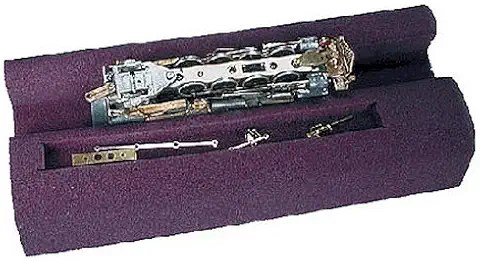
9. Foam Cradle

A foam cradle is a simple yet invaluable accessory for holding your locomotives and rolling stock securely while you work on them. It prevents damage to delicate parts and makes maintenance tasks easier.

10. Weathering Supplies

Weathering adds realism to your models by simulating the effects of age and use. Basic weathering supplies include:

  • Weathering Powders: In various colors to create dirt, rust, and grime effects.
  • Fine Brushes: For applying powders and paints.
  • Matte Clear Coat: To seal the weathering and protect the finish.

Weathering can be as simple or as detailed as you like, and it adds a unique touch to your models.

11. Essential Books and Guides

Having a few good books and guides on hand can provide valuable information and inspiration. Consider starting with:

  • “Starter Track Plans for Model Railroaders” by Kent J. Johnson: Offers a variety of track plans to suit different spaces and skill levels.
  • “Model Railroading: A Family Guide” by Bruce C. Greenberg: A comprehensive guide that covers all aspects of the hobby.
  • “The Complete Book of Model Railroading” by David Sutton: A classic reference book with detailed information on building and operating layouts.

These resources will help you learn the basics and provide ideas for expanding your layout.

Conclusion

Building a family-friendly model railroad setup is a rewarding and enjoyable hobby that can bring generations together. By equipping yourself with these must-have accessories, you’ll be well on your way to creating a layout that is both fun and realistic. Remember, the key to a successful model railroad is to start with the basics and gradually expand your collection as your skills and interests grow. Happy railroading!

Citations:
[1] https://toytooth.com/index.php?product_id=1617309&route=product%2Fproduct
[2] https://www.amazon.com/CityBuilder-Gauge-7mm-Railroad-Cardboard/dp/B00NXNWJEQ?psc=1&smid=AV83ANFWMW4VP
[3] https://www.etsy.com/listing/1194765654/scenic-model-railway-layout-made-to?gpla=1
[4] https://modelrailwaytechniques.com/benchworkstore/
[5] https://www.walthers.com/william-s-country-store-kit
[6] http://www.hobbylinc.com/bar-mills-potters-pub-kit-ho-scale-model-railroad-building-1440
[7] https://www.etsy.com/listing/1522850368/realistic-scenic-model-railway-layout?gpla=1
[8] https://www.walmart.com/ip/Starter-Track-Plans-for-Model-Railroaders-9780890248317/17131821?selectedSellerId=0&wmlspartner=wlpa
[9] https://www.trains.com/mrr/how-to/essential-tools-for-model-railroaders/
[10] https://www.youtube.com/watch?v=BkSPl7SSWbY
[11] https://www.amazon.com/Model-railroading-family-Bruce-Greenberg/dp/0135861497
[12] https://familygardentrains.com/primer/kids.htm
[13] https://forum.mrhmag.com/post/kids-and-model-railroading-12190242