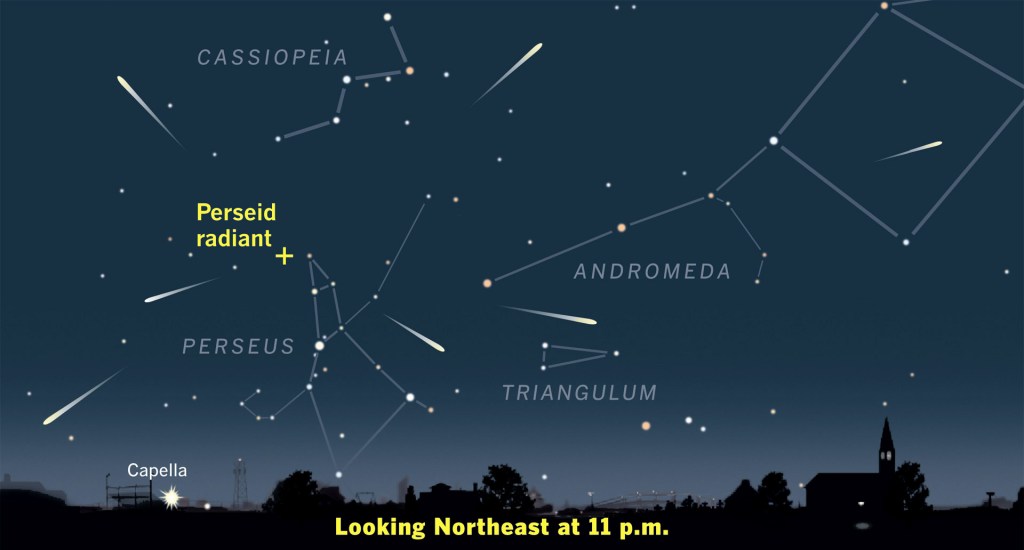
If you have ever stood in your backyard on a clear autumn night, looking up at the Moon while your child gasps at the outline of a lunar crater, you know the magic of astronomy. Getting kids hooked on stargazing is one of the most rewarding family activities imaginable. But let’s be honest: walk down the toy aisle or search online, and you are immediately flooded with plastic scopes promising “600x magnification!” that end up gathering dust in the garage.
As we navigate 2026, telescope technology and optics have evolved significantly. From classic budget refractors to smartphone-guided stars and compact smart imaging devices, finding the perfect scope depends on your family’s experience level, patience, and goals.
Whether you are a total beginner introducing your child to the night sky, a slightly experienced observer looking to upgrade, or a serious amateur astronomer seeking equipment the whole family can share, this comprehensive 2026 guide breaks down everything you need to know.
What Changed for 2026? Key Features to Look For
Before diving into specific models, it helps to know what modern astronomy gear offers today. The era of frustrating, shaky tripods and impossible manual alignment is largely behind us.
- Plate-Solving Smartphone Tech: Smartphone-assisted docks use your phone’s camera and location data to analyze star patterns overhead in real time. The screen shows arrows pointing exactly where to push the scope to hit your target.
- Accessible Tabletop Dobsonians: Small Newtonian reflectors mounted on sturdy, swivel tabletop bases remain the undisputed champions of value. They drop setup time to under sixty seconds.
- Smart Robotic Scopes: All-in-one digital imaging scopes have become lighter and far more affordable. These stack light digitally and stream crisp live color images of faint nebulae directly to smartphones or tablets.
1. Visual Spark / Beginner’s Guide: Young Kids & First-Time Families
Focus: Capturing immediate interest, ease of setup, zero maintenance, rugged design.
When buying for young children (ages 6–10) or families completely new to stargazing, your main goal is quick wins. If it takes thirty minutes to set up, your young astronomer will lose interest before you align the finderscope. You want clear lunar views, bright planets like Jupiter and Saturn, and intuitive manual controls.
Top Beginner Recommendation: Celestron AstroMaster 70AZ Refractor
- Type: 70mm Refractor on Alt-Azimuth Mount
- Best For: Kids ages 6–10 and stargazing newcomers
- Why It Wins: Refractors use glass lenses sealed in a tube—meaning zero optical alignment (collimation) is required. The alt-azimuth mount uses smooth panning controls so kids can naturally point it like a camera tripod. It provides razor-sharp views of Moon craters, Saturn’s rings, and Jupiter’s four main moons.
- Check Price on Amazon for Celestron AstroMaster 70AZ (Affiliate Link)
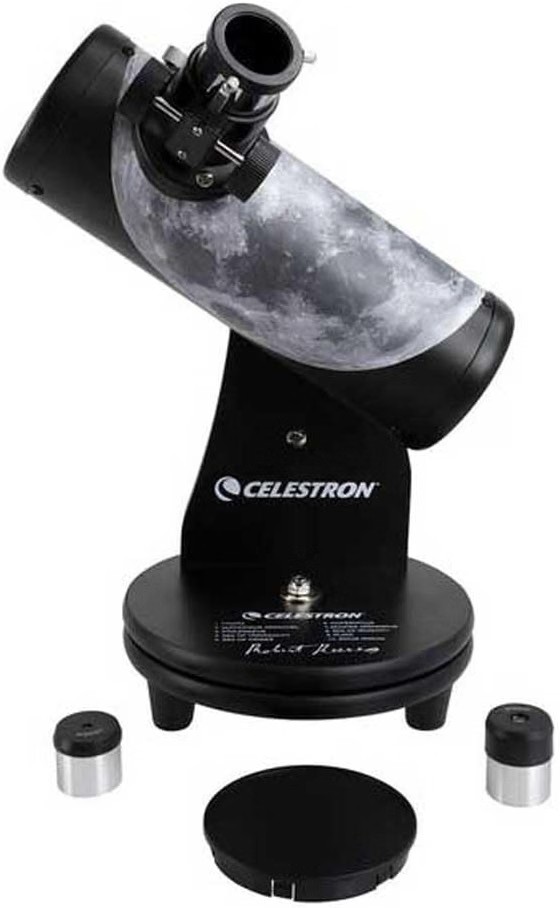
Budget Alternative: Celestron FirstScope Signature Series Moon
- Type: 76mm Tabletop Newtonian Reflector
- Best For: Young children (ages 5–8)
- Why It Wins: Weighing under 5 lbs, this ultra-portable tabletop design sits right on a patio table or lap. Kids simply swivel the optical tube toward the Moon without wrestling tall tripod legs.
- Check Price on Amazon for Celestron FirstScope (Affiliate Link)
Stan’s Tip: When starting out with young ones, don’t worry about distant galaxies right away. Focus on the Moon! Use a low-power eyepiece (like a 25mm) first to give a wide, bright view. Finding your target easily builds instant excitement.
2. Infographic / Backyard Explorer: Slightly Experienced Astronomers
Focus: Practical, action-oriented backyard observation, larger light gathering, smartphone guidance.
If your family already knows a few major constellations, or if you have a tween ready for a serious tool, it is time to step up in aperture (lens/mirror size). Light gathering power is the true engine of any telescope—the bigger the mirror, the brighter and clearer deep-sky objects become.
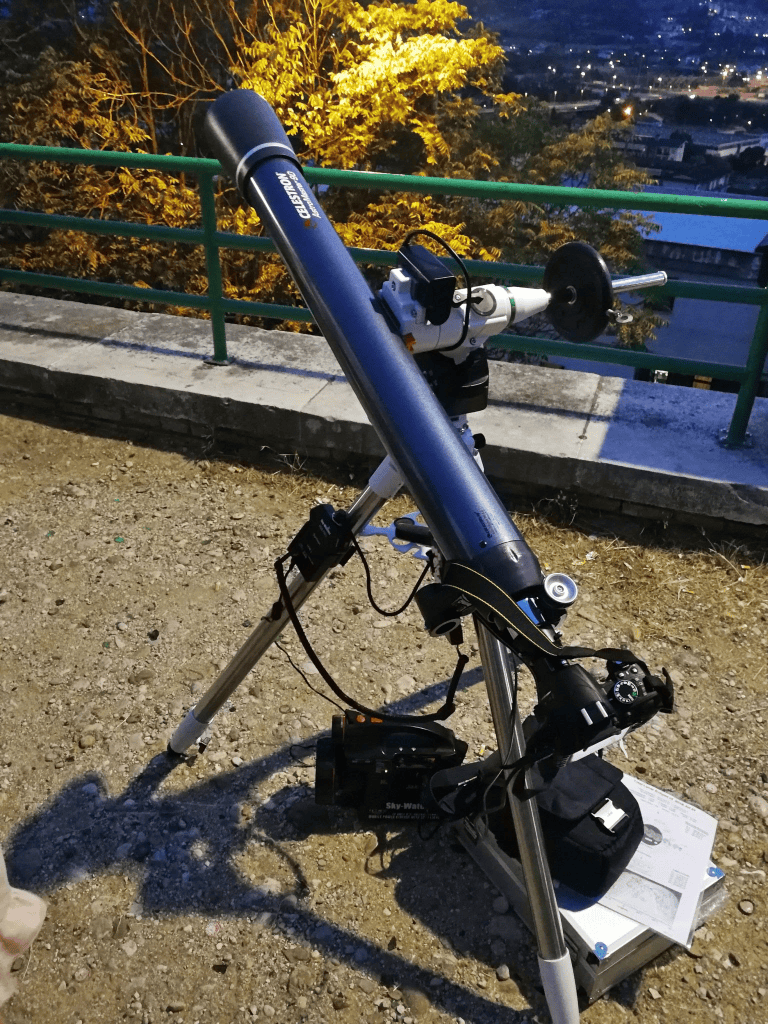
Tripod refractors set up easily in the yard.. Source: lucamato / Getty Images
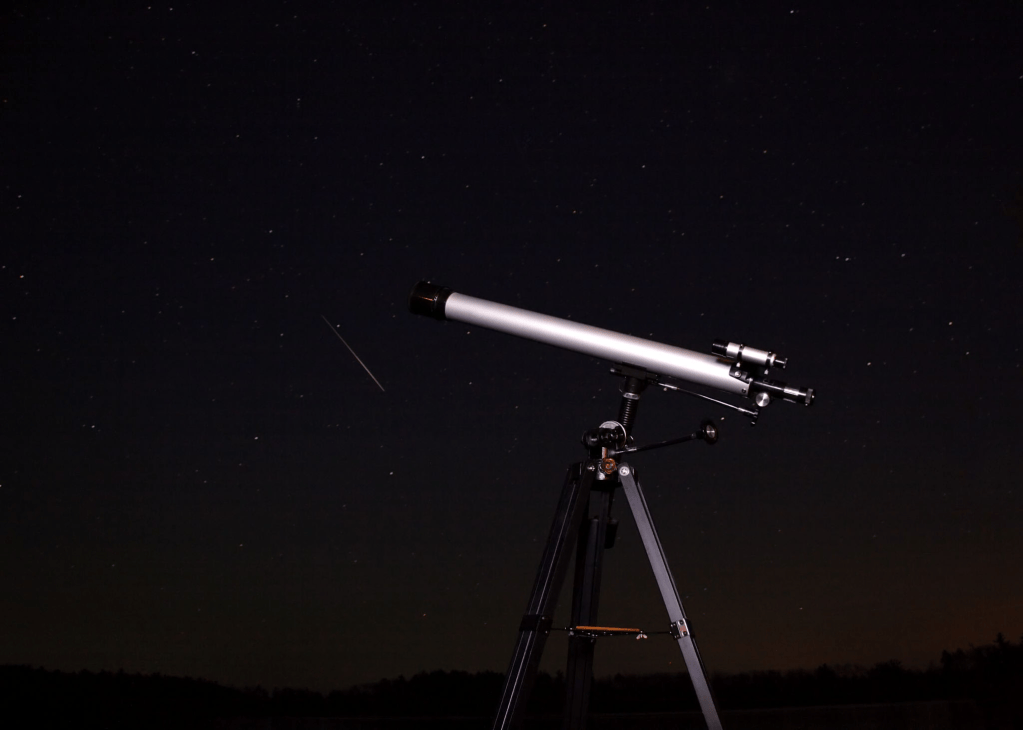
App-guided scopes point directly at celestial targets.. Source: Saturated / Getty Images
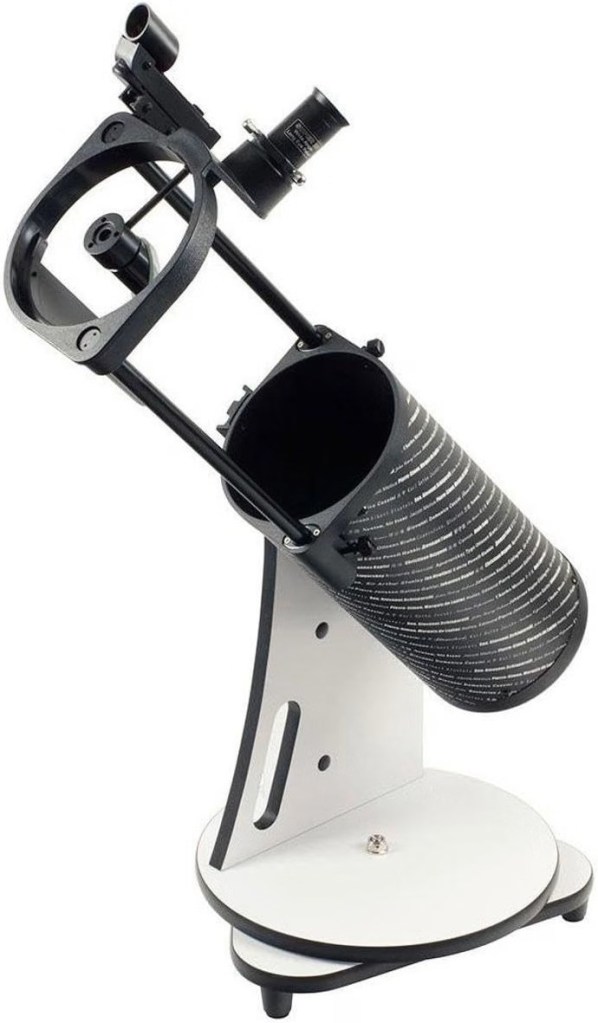
Top Mid-Range Pick: Sky-Watcher Heritage 130 Tabletop Dobsonian
- Type: 130mm (5.1-inch) Parabolic Truss-Reflector
- Best For: Growing astronomers, teens, and family backyard nights
- Why It Wins: The Heritage 130 delivers huge optical performance for its price tag. Its collapsible truss tube makes it compact enough to store on a bedroom shelf or pack for camping trips. The 130mm mirror pulls in subtle details in the Orion Nebula (M42), the Andromeda Galaxy (M31), and delicate star clusters.
- Check Price on Amazon for Sky-Watcher Heritage 130 (Affiliate Link)
Top Tech Pick: Celestron StarSense Explorer DX 130AZ
- Type: 130mm Smartphone-Guided Reflector
- Best For: Digitally-minded kids and families who want zero-frustration target finding.
- Why It Wins: Place your phone in the integrated dock, open the StarSense app, and let plate-solving technology map the night sky overhead. Follow on-screen arrows to manually push the scope right to open clusters, double stars, and nebulae.
- Check Price on Amazon for Celestron StarSense Explorer DX 130AZ (Affiliate Link)
| Telescope Model | Optical Design | Aperture | Best Target Audience | Key Advantage |
| Celestron AstroMaster 70AZ | Refractor | 70mm | Beginners / Kids 6–10 | No optical maintenance; sharp lunar views |
| Sky-Watcher Heritage 130 | Dobsonian Reflector | 130mm | Backyard Explorers / Tweens | Maximum aperture per dollar; collapsible |
| StarSense Explorer DX 130AZ | Smartphone-Guided Reflector | 130mm | Tech-Savvy Families / Teens | Real-time smartphone star navigation |
| Apertura AD8 / 8″ Dobsonian | Full-Size Dobsonian | 203mm (8″) | Advanced Hobbyists / Lifetime Use | Deep-space detail; planetary resolution |
| ZWO Seestar S30 Pro | Smart Digital Telescope | 30mm Triple Apo + Sensor | Astrophotography / Group Viewing | Stacks full-color photos to phone screens |
Stan’s Tip: Keep a simple red LED flashlight in your pocket during stargazing sessions. White light from smartphones degrades night vision for up to 30 minutes, but red light lets you read star charts without ruining your eye’s dark adaptation!
3. Deep Space & Astrophotography: Advanced Hobbyists & Serious Enthusiasts
Focus: Deep-sky detail, large mirrors, automated tracking, family image sharing.
For families where astronomy has become a serious shared hobby, or for parents wanting a scope that delivers lifetime views, you have two clear directions: massive optical aperture or modern smart imaging.
The Classic Visual Powerhouse: Apertura AD8 8-Inch Dobsonian
- Type: 203mm (8-inch) Ground-Standing Dobsonian Reflector
- Best For: Serious amateur astronomers and older teens
- Why It Wins: Ask almost any experienced astronomer what telescope they would choose if they could only have one, and the answer is almost always an 8-inch Dobsonian. An 8-inch mirror gathers over 800 times more light than the human eye. Spiral arms in distant galaxies, individual stars resolved in globular clusters, and intricate cloud bands on Jupiter are all within reach.
- Check Price on Amazon for Apertura AD8 Dobsonian (Affiliate Link)
The Modern Smart Revolution: ZWO Seestar S30 Pro Smart Telescope
- Type: All-In-One Smart Digital Astrophotography Scope
- Best For: Families wanting living-room image sharing and deep-sky astrophotography without complex software setup.
- Why It Wins: Compact enough to fit in a small backpack, the Seestar S30 Pro auto-aligns, tracks targets, and digitally stacks light exposures. Within minutes, a vibrant, full-color view of the Ring Nebula or Whirlpool Galaxy renders directly on your tablet or smartphone screen—making it ideal for sharing views with multiple family members simultaneously.
- Check Price on Amazon for ZWO Seestar S30 Pro (Affiliate Link)
4 Essential Accessories to Complete Your Kit
No matter which telescope you pick, adding a few inexpensive accessories can turn a good night into an unforgettable one:
- Planisphere / Adjustable Star Chart: A physical plastic star wheel helps kids learn how constellations rotate throughout the season without relying on batteries.
- Quality Moon Filter: The Moon is incredibly bright through a telescope. A neutral density filter threads onto the eyepiece to cut glare and highlight fine crater detail.
- Universal Smartphone Adapter: Let your kids snap their very first photo of lunar craters through the eyepiece to share with grandparents or classmates.
- Stargazing Logbook: Keep track of targets observed, dates, atmospheric conditions, and drawings of planetary features.
Watching hands-on demonstrations can also make setting up tripods, aligning red-dot finders, and using tabletop bases much simpler.
The video below shows setup steps, manual balancing, and alignment tips for entry-level refractor and reflector telescopes.
Final Thoughts: Making Memories Under the Stars
Buying a child’s first telescope isn’t just about optics, focal lengths, or apertures—it’s about opening a window into the wider universe and sharing moments of wonder together as a family. Start with an manageable scope that fits your space, pack a thermos of hot cocoa, and head out onto the deck or into the backyard on the next clear evening.
Here is a proper summary that reflects the full scope of each of the three article areas:
Visual Spark / Beginner’s Guide: Focuses on capturing immediate interest for newcomers by demystifying the night sky in an accessible, quick-read format. It covers fundamental stargazing basics, constellation identification, and initial celestial navigation without requiring specialized equipment.
Infographic / Naked-Eye Stargazing: A practical, action-oriented guide designed for immediate backyard observation. It outlines clear, step-by-step targets visible to the naked eye or basic binoculars—including bright planets like Jupiter and Saturn, the Orion constellation, and tracking the International Space Station.
Deep Space & Astrophotography: Explores more advanced astronomical concepts, shifting focus beyond the solar system toward deep-sky phenomena like nebulae, star clusters, and distant galaxies. It bridges the gap between basic visual stargazing and using telescope optics to capture and understand cosmic structures.
Clear sky’s and happy hunting.