On the night of July 16, 2025, the Moon and Saturn will create a beautiful spectacle in the sky, appearing close together in a conjunction visible across the United States. This event is perfect for families, beginners, and seasoned astronomers alike. Here’s how to make the most of this cosmic rendezvous—including the best times to watch from different US regions, simple ways to identify Saturn, and a look back at memorable images of similar events.
What’s Happening?
On July 16, the waning gibbous Moon will pass near Saturn, the solar system’s iconic ringed planet. While the two are separated by vast distances in space, they’ll appear just a few degrees apart in the sky, creating a striking visual pairing for observers on Earth123.
Best Times to View Across the US
| US Region | Saturn & Moon Rise | Closest Approach | Highest in Sky | Best Viewing Window |
|---|---|---|---|---|
| East Coast | ~11:00 p.m. EDT | ~2:00 a.m. EDT | 2:00–4:00 a.m. | 11:00 p.m.–4:30 a.m. |
| Central | ~10:00 p.m. CDT | ~1:00 a.m. CDT | 1:00–3:30 a.m. | 10:00 p.m.–4:00 a.m. |
| Mountain | ~9:00 p.m. MDT | ~12:00 a.m. MDT | 12:00–3:00 a.m. | 9:00 p.m.–4:00 a.m. |
| Pacific | ~8:30 p.m. PDT | ~11:00 p.m. PDT | 11:00 p.m.–2:30 a.m. | 8:30 p.m.–4:00 a.m. |
- Where to Look: The pair will rise in the east after sunset, climb high in the southeast by midnight, and drift toward the south by dawn245.
- Peak Viewing: Around midnight to 3 a.m. local time, when both are highest and most easily seen.
How to Identify Saturn: A Beginner’s Guide
Saturn can be mistaken for a bright star, but here’s how to spot it:
- Color: Saturn appears as a steady, pale yellow or gold “star.” Most stars are white or blue-white, while Saturn’s subtle hue stands out675.
- No Twinkle: Unlike stars, Saturn does not twinkle. Its light remains steady because it’s close enough to appear as a tiny disk rather than a pinpoint.
- Position: On July 16, Saturn will be just a few degrees below or beside the bright Moon, making it easy to locate.
- Brightness: Saturn shines brighter than most surrounding stars but is dimmer than the Moon and Venus.
- Movement: Over weeks, Saturn slowly shifts eastward among the stars, unlike the fixed star patterns.
Tip: Use a free sky app (like Stellarium, SkySafari, or Star Walk) to confirm Saturn’s position in real time75.
Viewing Tips for All Ages
- Naked Eye: Simply look for the bright Moon, then spot the steady yellow “star” nearby—that’s Saturn!
- Binoculars: Enhance Saturn’s color and may reveal its oval shape.
- Telescope: Even a small telescope will reveal Saturn’s famous rings and perhaps a few moons.
- Family Fun: Bring blankets, snacks, and sketchpads. Encourage kids to draw the Moon and Saturn or try smartphone photography.
Sample Viewing Timeline (Local Time)
| Time | What to See | Where to Look |
|---|---|---|
| 10:00 p.m.–12:00 a.m. | Moon and Saturn rising together | East |
| 12:00–2:00 a.m. | Closest approach, high in sky | Southeast |
| 2:00–4:00 a.m. | Pair moves toward south | South |
| 4:00 a.m.–Dawn | Setting, still visible | Southwest |
Memorable Images of Past Moon-Saturn Conjunctions
Below are examples of how the Moon and Saturn have appeared together in the night sky during previous conjunctions. These images illustrate what you can expect to see, whether with your eyes, binoculars, or a telescope.
- Smartphone Photo of Saturn and the Moon:
Astrophotographers have captured stunning images using just a smartphone and a small telescope, showing Saturn as a bright dot near the Moon8. - Telescope View:
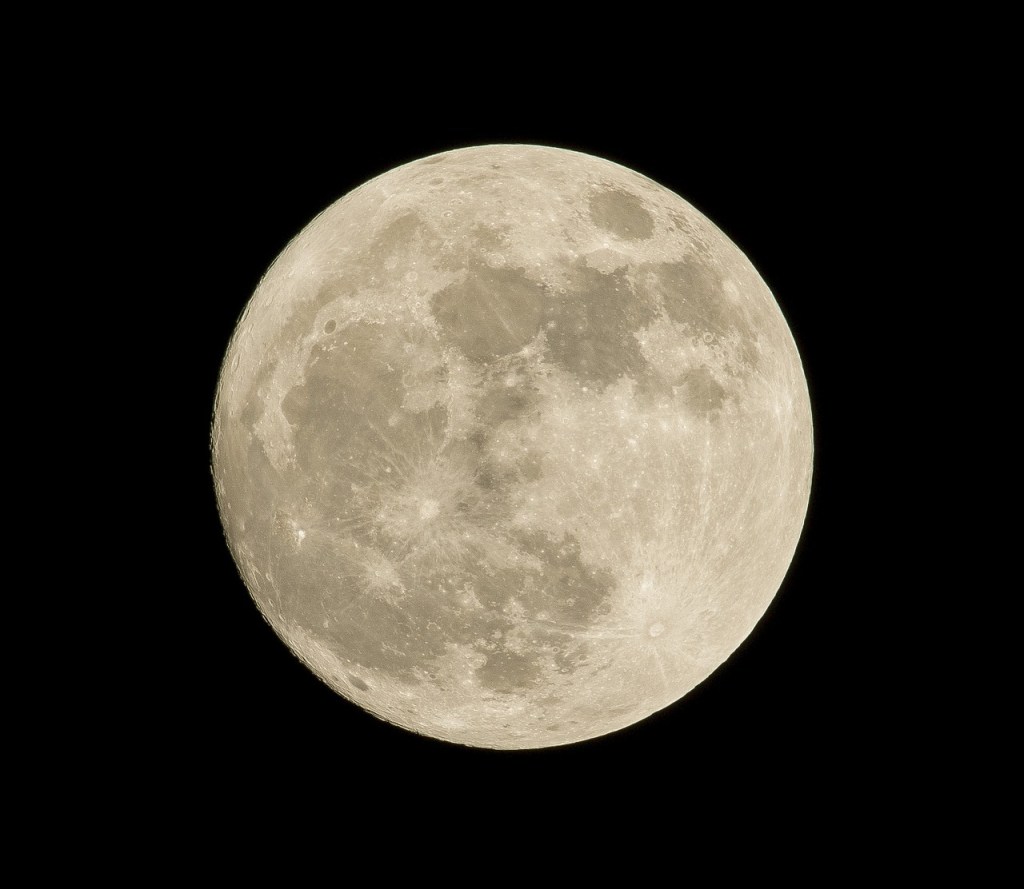
Through a telescope, Saturn’s rings are visible, while the Moon’s craters and maria provide a dramatic backdrop910. - Wide-Angle Sky Photos:
Many skywatchers have shared beautiful wide-angle images of the Moon and Saturn together, highlighting their proximity and the Moon’s brightness10.
Why This Event Is Special
- Easy and Accessible: No special equipment or expertise needed—just look up!
- Great for Families: The Moon and Saturn are bright, easy targets for all ages.
- A Gateway to Astronomy: Seeing Saturn’s rings for the first time is unforgettable.
- Rare and Beautiful: While the Moon and Saturn pair up monthly, this July’s conjunction is especially well-placed for nighttime viewing across the US25.
Safety and Comfort Tips
- Dress for the weather—even summer nights can get cool.
- Use red flashlights to preserve night vision.
- Bring bug spray if stargazing outdoors.
Fun Saturn and Moon Facts
- Saturn is about 890 million miles from Earth; the Moon is just 239,000 miles away.
- Saturn’s rings are made of ice and rock and stretch over 170,000 miles wide.
- The Moon will be a waning gibbous, more than half full but shrinking nightly.
References & Further Reading
- [In-The-Sky.org – US Rise/Set Times for Planets]11
- [When the Curves Line Up – Saturn-Moon Conjunction July 16, 2025]1
- [Astronomy Magazine – July 2025 Sky Guide]12
- [Travel + Leisure – July 2025 Night Sky]2
- [Star Walk – July 2025 Astronomy Calendar]13
- [High Point Scientific – How to Observe Saturn]6
- [Business Insider – Smartphone Photos of Saturn and the Moon]8
- [Adler Planetarium – July 2025 Skywatching]4
- [Cosmic Pursuits – Guide to Observing Saturn]9
- [EarthSky – Moon and Saturn Close Together]10
- [National Geographic – July 2025 Sky Events]3
- [Adler Planetarium – How to Identify Planets]7
- [The Planetary Society – July 2025 Night Sky]5
- [BBC Sky at Night Magazine – Observing Planets July 2025]14
Clear skies and happy stargazing!
- https://whenthecurveslineup.com/2025/07/01/2025-july-16-pre-dawn-saturn-moon-conjunction-venus-aims-at-jupiter/
- https://www.travelandleisure.com/july-2025-stargazing-astronomy-guide-11766109
- https://www.nationalgeographic.com/science/article/best-night-sky-events-july-2025
- https://www.adlerplanetarium.org/blog/what-to-see-stargazing-tips-july-2025/
- https://www.planetary.org/night-sky/night-sky-what-to-see-this-month
- https://www.highpointscientific.com/astronomy-hub/post/astronomy-101/how-to-observe-saturn
- https://www.adlerplanetarium.org/blog/how-to-identify-planets/
- https://www.businessinsider.com/saturn-moon-conjunction-smartphone-pictures-2019-4
- https://cosmicpursuits.com/2560/guide-to-observing-saturn/
- https://earthsky.org/space/moon-and-saturn-close-together-this-week-see-the-images/
- https://in-the-sky.org/whatsup_times.php
- https://www.astronomy.com/observing/sky-this-month-july-2025/
- https://starwalk.space/en/news/astronomy-calendar-2025
- https://www.skyatnightmagazine.com/advice/skills/how-see-planets-night-sky-july
- https://whenthecurveslineup.com/2024/12/20/2025-january-4-saturn-moon-conjunction-after-sunset/
- https://www.skyatnightmagazine.com/advice/skills/how-to-find-planets-night-sky
- https://www.reddit.com/r/astrophotography/comments/1e8g776/moon_and_saturn_conjunction_composite_image/
- https://www.space.com/33619-visible-planets-guide.html
- https://www.youtube.com/watch?v=iTT6Kkh57Rw
- https://www.instagram.com/p/C0-nVx7svoY/

 Stan's Hobbies and Interests