So you got a train set for Christmas—congratulations, and welcome aboard. Right now, it might be a simple oval of track on the floor or around the tree, but that little train can become the start of a lifelong hobby filled with creativity, family time, and imagination. With a few easy steps, your holiday train can grow into a miniature world that you and your family build together.
This series, “So You Got a Train Set for Christmas — What’s Next?”, is designed for families and brand‑new hobbyists who are curious but not sure where to begin. Each month, you will learn something new: how to set up your trains so they run smoothly, how to choose a basic layout, how to add scenery and buildings, and how to turn a simple starter set into a small railroad that tells a story. Everything will be explained in everyday language, with family‑friendly projects you can enjoy on a weekend afternoon.
You do not need to be a “train expert” to follow along. If all you know is that there is a train running in a circle and your children (or grandchildren) love watching it, you are in the right place. Over time, you will discover how to make your layout more reliable, more realistic, and more personal—step by step, at your own pace, and within a budget that works for you.
Think of this series as your guidebook. Some articles will focus on practical topics like track, power, and storage; others will explore creative areas like scenery, buildings, and planning stories for your trains to tell. By the end of the year, you will look back at your original Christmas train and be amazed at how far you—and your railroad—have come.
From Box to First Run: Getting Your Christmas Train Set Up Safely
So the big day is over, the wrapping paper is (mostly) cleaned up, and there it is: a brand‑new train set that has already made a few laps around the Christmas tree. Now comes the fun part—turning that gift into something your family can enjoy safely and confidently, not just for a day or two, but all winter long.
This first article in the “So You Got a Train Set for Christmas — What’s Next?” series will walk through the journey from unopened box to smooth, safe first run. Everything is explained in everyday language, with simple, family‑friendly steps you can follow even if this is your very first experience with model trains.
Step 1: Unboxing Your Train Set
Before anyone plugs anything in or snaps pieces together, take a few minutes to explore what is inside the box. This slows the rush just enough to prevent frustration later.
- Lay out all the pieces on a table or clean floor: locomotive (the engine), train cars, track sections, power pack (or controller), and any small accessories like signs or figures.
- Compare what you see to the contents list in the instruction sheet. If anything important is missing—especially track pieces or the power pack—it is better to spot that now and contact the seller than to discover it halfway through setup.
- Keep small bags and twist ties until the train has made its first successful run, in case something needs to be repacked or exchanged.
This is a great time to let kids “name” the locomotive or pick a favorite car. Giving the train a personality makes the whole project feel more like a shared adventure than just a toy on the floor.
Step 2: Understanding the Basic Parts
You do not need to know all the technical terms to enjoy a train set, but a quick introduction to the main components will make the rest of the process easier:
- Locomotive: The engine that pulls everything. It usually has more weight and more wheels than the other cars and may have a plug or socket for power on one end.
- Rolling stock: The train cars—boxcars, passenger coaches, tank cars, or whatever came with the set. They all rely on the locomotive for movement.
- Track: Curved sections form the loop, straight sections extend it, and sometimes there are turnouts (switches) that let the train change paths.
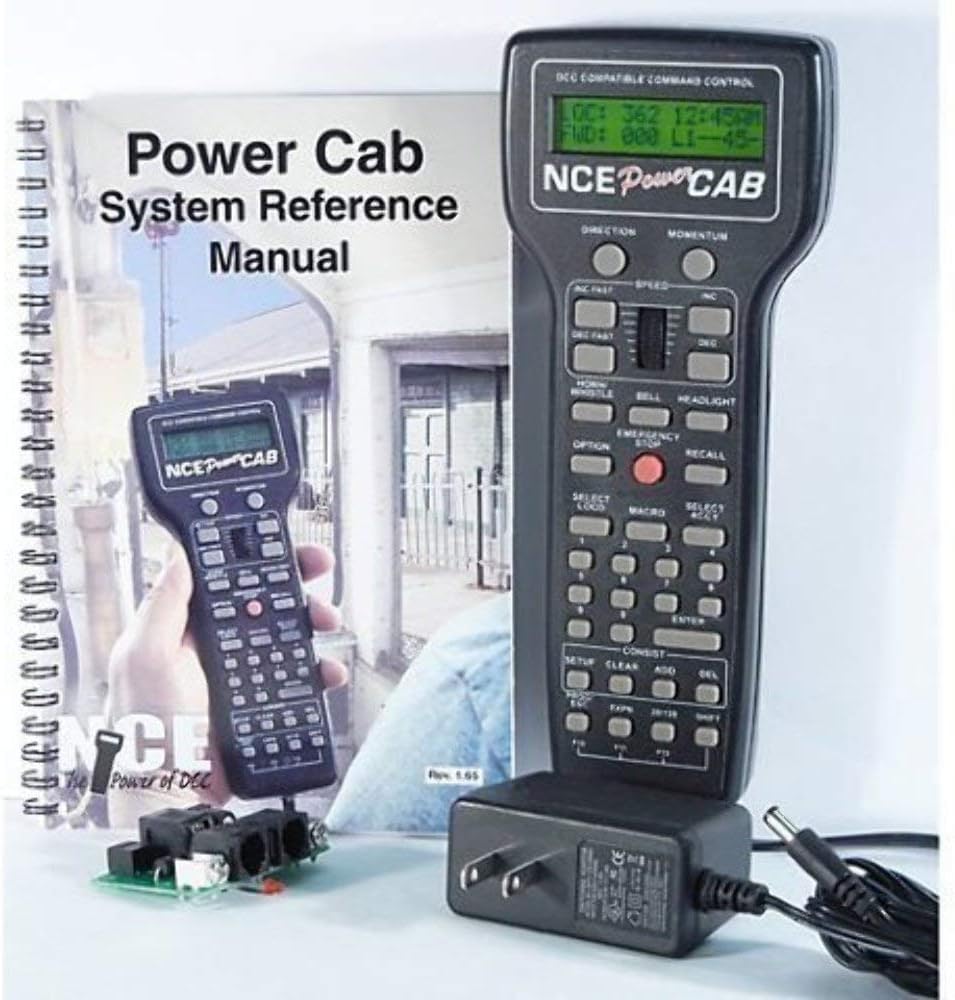
- Power pack/controller: The “brain” that feeds electricity to the track. A simple set usually has a knob to go faster or slower and a direction switch.
- Power wires: Small wires that connect the power pack to a special piece of track (often called a terminal track).
Explaining these parts to children in simple terms—“the engine,” “the cars,” “the road,” and “the controller”—helps them feel included and reduces the temptation to tug or twist something out of curiosity.
Step 3: Choosing a Safe, Flat Surface
Next, decide where this first layout will live. Even if you are just setting things up for a test run, the surface you choose can make the difference between smooth running and constant derailments.
Good options include:
- A sturdy dining or folding table
- A clean hardwood or laminate floor
- A large piece of plywood set on top of low storage boxes
Try to avoid thick carpet or uneven surfaces, which can cause bumps and gaps in the track joints. If carpet is the only option, lay a thin board, foam sheet, or even a large cardboard panel under the track to create a more solid base.
A few quick safety tips:
- Keep the layout away from high‑traffic walkways where people might step on the track.
- If you have very young children or pets, consider setting up on a table or using a low barrier (like a temporary baby gate) to protect the layout when no one is actively playing.
Step 4: Assembling the Track
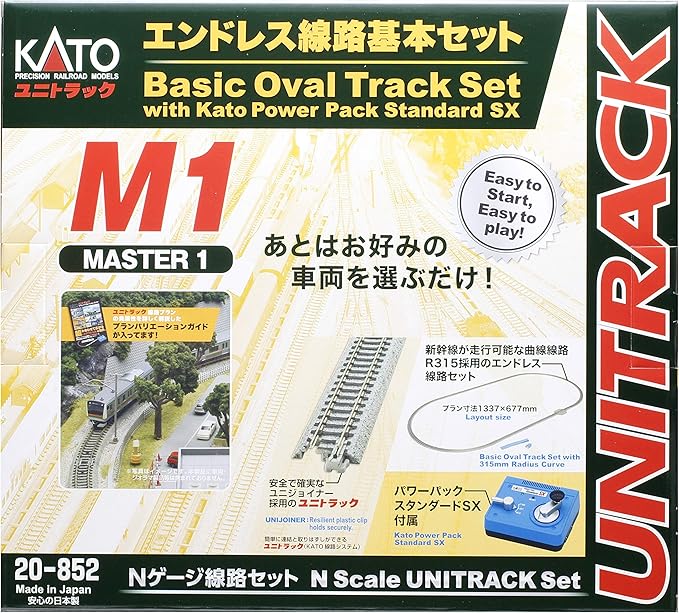
Most train sets are designed to assemble into a simple oval or circle the first time you use them. Follow the diagram in the instructions, but do not be afraid to let kids help with the “puzzle.”
Key points to keep in mind:
- Make sure each rail joiner (those small metal clips at the ends of the rails) slides fully onto the next piece. A joiner that is halfway on one rail and halfway off the other can cause derailments and power issues.
- Listen for a soft “click” if the system uses integrated roadbed track; it is a sign that the pieces are properly locked together.
- Work your way around the loop, gently pressing joints together and occasionally running a fingertip along the rail tops to feel for steps or misalignments.
At this stage, resist the urge to get fancy with extra curves or switches. A simple, smooth loop is the best teacher—and the most reliable—for your first day.
For more train accessories check HERE.
Step 5: Connecting the Power Safely
With the track assembled, it is time to power it—but slowly and thoughtfully.
- Find the terminal track piece.
This is usually a section with a small plug or screws for the power wires. Place it where the wires can easily reach the power pack without stretching across a walkway.
- Connect the wires.
- Match the plugs or screw terminals as shown in the instructions.
- Make sure bare wire ends are fully secured so no loose strands can touch each other or anything else metal.
- Place the power pack.
- Put it on a stable surface where it will not fall or get stepped on.
- Keep the cord away from water and out of paths where someone might trip.
- Plug into the wall last.
Do not plug in the power until everything is connected to the track and the controller is turned to “zero” or “off.” This way, the train will not suddenly lurch when power is applied.
If you are using a modern starter set that includes a safety‑listed power supply, it will usually have built‑in protection, but basic common sense—dry hands, no overloaded outlets, and keeping drinks away from the layout—still goes a long way.
Step 6: Placing the Train on the Track
Now for the moment that everyone looks forward to: putting the locomotive and cars on the rails.
- Start with the locomotive:
- Carefully set the wheels so they rest in the grooves of the rails, not on top of them.
- Look from the side at rail level; all wheels should be seated and parallel to the track.
- Add one or two cars:
- Hook them to the locomotive using the couplers at the ends of each car.
- For your first run, fewer cars make it easier to spot problems.
Encourage children to handle the train gently, using two hands and grasping the body of the locomotive instead of pulling on small detail parts or couplers.
Step 7: Your First Test Run
With everything in place, it is time for the big moment.
- Make sure everyone is ready and that nothing is touching the track.
- Double‑check that the controller knob is at zero or the lowest speed.
- Plug in the power pack.
- Slowly turn the knob until the locomotive begins to move.
Watch the first few laps closely. This is not just exciting; it is also an important test.
Look for:
- Smooth movement without sudden stops or jerks.
- Cars that follow the locomotive without wobbling.
- No spots where the train slows noticeably (which might signal a loose track joint or dirty connection).
If the train derails, do not panic. Simply stop the power, gently move the derailed car back onto the rails, and inspect that section of track for gaps or bumps. Fixing small issues together—“What do you think went wrong here?”—turns problems into teachable moments rather than frustrations.
Step 8: Troubleshooting Common First‑Day Issues
Every new train set has a learning curve, but most problems have simple causes and easy fixes.
- Train does not move at all:
- Confirm the power pack is plugged in and turned on.
- Check that the wires are firmly attached to the terminal track.
- Jiggle the locomotive slightly to ensure it has good contact with the rails.
- Train starts and stops randomly:
- Inspect track joints for loose or crooked sections.
- Gently press rails together where you see gaps.
- Check that the terminal track is securely attached and not lifting off the surface.
- Frequent derailments on the same piece of track:
- Look for a kink or height difference between the rails.
- Make sure that piece is not twisted or bent.
- Try rotating the piece or replacing it with a different section if your set includes extras.
Treat these issues as part of the fun, not as failures. Kids often enjoy becoming “junior engineers” who help solve the mysteries of a stubborn curve or a bumpy joint.
Step 9: Setting Simple Family Rules for Safety and Care
Before the first evening ends, it helps to agree on a few “engineer rules” to keep the train running well and everyone safe:
- Only adults plug or unplug the power pack.
- Trains must be turned off before they are lifted from the track.
- No leaning on the table or stepping on the board the trains are on.
- After each running session, someone is responsible for checking that the power is off and cords are safely out of the way.
These rules do not have to feel strict; you can present them as part of becoming “train crew” with special responsibilities.
Step 10: Make the First Run Special
Finally, give this first run the celebration it deserves. A few simple touches can turn it into a memory:
- Have a countdown before the first lap.
- Take a photo or short video with the whole family gathered around.
- Let each child take a turn at the throttle (with an adult nearby).
- Start a small “railroad log” notebook where you write the date of the first run and maybe even the name of your new railroad.
By the time you pack up for the day, you will have moved from a box of parts to a safely running train—and from curiosity to real enthusiasm. In the next article, the series will explore how to choose a good “home” for your railroad, whether that is a table, a corner of the family room, or a layout that comes out each Christmas and grows a little more every year.
Your Christmas train set is no longer just a holiday novelty; it is the beginning of a hobby that can bring your family together for years to come.
For more train accessories check HERE.

 Stan's Hobbies and Interests