October 2025 Night Sky — Beginner’s Calendar.

Here’s a concise, beginner-friendly October 2025 night-sky events calendar for easy skywatching:


October 6–7: Full Harvest Supermoon
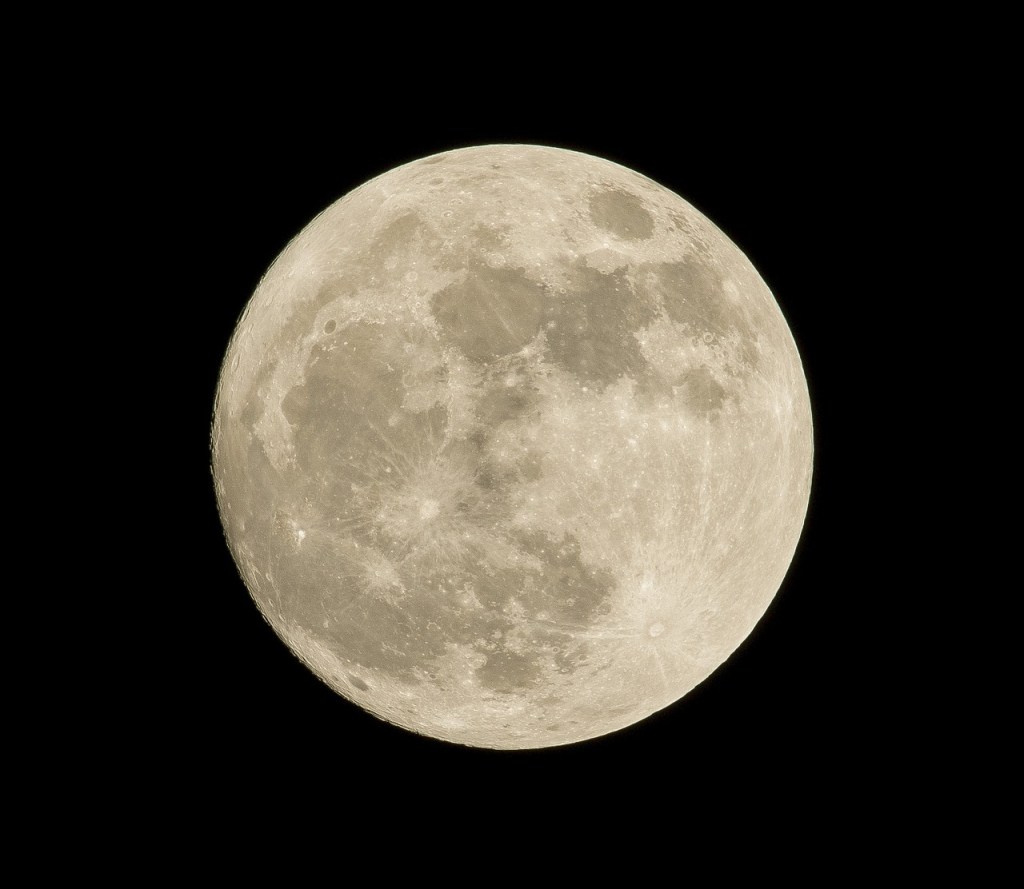
  • The brightest, closest full moon of the yelar! Look east just after sunset—no equipment needed. More Info.

October 8–9: Draconid Meteor Shower

  • Watch for a few “shooting stars” from the Dragon constellation just after sunset. This year’s display will be faint due to moonlight, but it’s a fun, easy event for families. More Info.

October 13: Moon Close to Jupiter

  • Spot the moon and bright Jupiter together in the east after sunset—great with naked eyes or binoculars. More Info.

October 19: Moon Close to Venus at Dawn

  • Before sunrise, look east to see super-bright Venus and a thin crescent moon side by side. More Info.

October 20–22: Orionid Meteor Shower Peaks

  • Watch after midnight for bright, fast meteors “shooting” from Orion’s shoulder. Best seen from dark spots, and this year, the moon will be out of the way for better viewing. More Info.

October 21: New Moon

  • The sky will be extra dark—you’ll see more stars than usual. Perfect for spotting constellations and the Milky Way. More Info.

October 29: Mercury at Its Best

  • Mercury shines low in the west just after sunset. Use binoculars and a clear horizon to catch it, as it fades quickly with twilight. More info.

Planets All Month

  • Saturn visible after sunset, high in the southeast.
  • Jupiter rises in the east, growing brighter each week.
  • Venus—spectacular before dawn in the east.

Pro Tips for Beginners:

  • For most events, just step outside—no telescope needed!
  • Use a stargazing app to help identify planets and constellations.
  • The best nights for stargazing are near the new moon (October 21–24).

Clear skies! October is packed with easy, awe-inspiring sky events for everyone to enjoy.


🌟 October 2025 Night Sky Calendar 🌟

Plan Your Stargazing Month – Beginner Friendly

October Highlights

DateEventWhat to Watch forViewing Tips
Oct 5Moon near SaturnMoon & bright Saturn together in SE8–10 PM: naked eye or binocularsstarwalk+2
Oct 6–7Full Harvest SupermoonLarge, golden moonrise in eastAfter sunset; great for family photosseasky+1
Oct 8–9Draconid Meteor ShowerSlow, bright “shooting stars”After dusk, face north; moonlight may lessen showkenpress
Oct 10Moon near PleiadesMoon close to star cluster in Taurus9–11 PM, binoculars add sparklestarwalk+1
Oct 13–14Moon near JupiterMoon & brightest planet in eastJust after moonrise; spot Jupiter’s moons with binocularsstarwalk+1
Oct 19Moon near VenusCrescent moon & Venus at dawnLook east, 30 min before sunrise highpointscientific
Oct 19Mercury & Mars at duskTwo planets low in west after sunsetUse binoculars; flat western horizonstarwalk+1
Oct 20–22Orionid Meteor Shower PeakUp to 20 meteors/hour, dark skiesAfter midnight, face southeast, best after moonsetstarwalk+1
Oct 21New MoonDeepest dark sky of the monthPerfect for seeing faint stars & Milky Wayseasky+1
Oct 23Moon near Mars & MercuryThree close at sunset in southwest15–30 min after sunset; binoculars helpstarwalk+1
Oct 29Mercury at greatest elongationBright Mercury low in west at dusk30–45 min after sunset, use low horizonstarwalk+1

All Month

  • Saturn: Southeast, golden glow after sunset
  • Jupiter: Rises in east, 4 moons visible with binoculars
  • Venus: Dazzling “Morning Star” before sunrise
  • Pegasus, Andromeda, Cassiopeia: Easy autumn constellations overhead for family star-hopping
  • Comet Lemmon: May be visible with binoculars after sunset; check astronomy news for updatests2
  • Milky Way: Visible from dark sites after sunset (best Oct 21–24)

Family Tips:

  • Print and hang this calendar for easy reference.
  • Use a blanket or chair for comfort. Let eyes adjust 20 minutes for best night vision.
  • Download the “Star Walk 2” or “Sky Tonight” app for real-time planet and constellation guides.

Celebrate autumn under the stars—every night is a new adventure!

starwalk+4

If you need a PDF or image file for printing, just ask—this format can be adapted to any design you like!

  1. https://www.wiki-calendar.com/october-calendars.html
  2. https://starwalk.space/en/news/astronomy-calendar-2025
  3. http://www.seasky.org/astronomy/astronomy-calendar-current.html
  4. https://www.highpointscientific.com/astronomy-hub/post/night-sky-news/2025-astronomical-calendar
  5. https://kenpress.com/files/2025WOT10Oct.pdf
  6. https://science.nasa.gov/multimedia/2025-nasa-science-planning-guide/
  7. https://www.etsy.com/listing/1623609853/printable-calendar-2025-night-sky
  8. https://in-the-sky.org/newscal.php?year=2025&month=10
  9. https://capturetheatlas.com/milky-way-calendars/
  10. https://ts2.tech/en/dont-miss-these-skywatch-wonders-in-october-2025/
  1. https://www.tensixphotography.com/eclipse-blog/2025-astrophotography-events
  2. https://discoveryplace.org/stay-at-home-science/celestial-events-to-see-in-octobers-night-sky/
  3. https://koa.com/blog/celestial-events-2025/
  4. https://starwalk.space/en/news/astronomy-calendar-2025
  5. http://www.seasky.org/astronomy/astronomy-calendar-current.html
  6. https://www.planetary.org/articles/calendar-of-space-events-2025
  7. https://in-the-sky.org/newscal.php?year=2025&month=10
  8. https://www.highpointscientific.com/astronomy-hub/post/night-sky-news/2025-astronomical-calendar
  9. https://www.space.com/39469-best-meteor-showers.html
  10. https://www.adlerplanetarium.org/blog/what-to-see-stargazing-tips-october-2025/
  11. https://www.hipcamp.com/journal/camping/stargazing-guide-astronomical-calendar/
  12. https://www.timeanddate.com/astronomy/sights-to-see.html
  13. https://ts2.tech/en/dont-miss-these-skywatch-wonders-in-october-2025/

September & October 2025 Night Sky Constellations: A Family-Friendly Guide

September and October are magical months for family stargazing. As days grow shorter, evenings cool, and the night sky swells with brilliant stars, both beginners and seasoned astronomers can find joy in the constellations that rise and sweep overhead. Whether stargazing from a backyard, a park, or on a camping trip, here’s a friendly guide to the brightest, easiest, and most memorable constellations on display—and how families can best enjoy them together throughout early autumn.


Why Early Autumn Is Perfect for Family Stargazing

September and October offer nights that come earlier and last longer, making it easy for kids and adults to explore the sky without staying up late. The air is clear, there’s less humidity and haze than summer, and the moon’s phase lets some moonless nights reveal even fainter stars. For experienced observers, the shift in constellations marks a transition between summer and winter favorites, and brings the celestial equinox—a balance between day and night—right overhead. For more information.


The Brightest Autumn Constellations: Your Top Six

1. Aquila (The Eagle)

  • How to Find: Look high in the southern sky on September evenings for Altair, a blazing white star. Two nearby fainter stars, Tarazed and Alshain, outline Aquila’s “head,” forming a short straight line. Aquila is a part of the famous Summer Triangle, along with Cygnus and Lyra. For more information.
  • Best Time: 9 p.m.–midnight, from September through early October.
  • How to View: Naked-eye for the main shape; sweep binoculars along the Milky Way for star clusters and nebulae.
  • Family Fact: In Greek myth, Aquila carried Zeus’s thunderbolts and the youth Ganymede to the gods.

2. Cygnus (The Swan, or Northern Cross)

  • How to Find: High overhead right after dusk, Cygnus stretches across the Milky Way. Find Deneb, a bright star, as the top of the “cross.”
  • Best Time: 9 p.m.–midnight, best viewed in September; in October it moves westward.
  • How to View: Very easy with just your eyes. Binoculars bring out the rich star clouds nearby.
  • Family Fact: Cygnus resembles a swan flying along the river of the Milky Way.

3. Lyra

  • How to Find: Vega, the dazzling blue-white star, marks Lyra; search overhead or a bit west after sunset.
  • Best Time: 9–11 p.m. in September, earlier evenings in October.
  • How to View: Vega can be seen from cities; binoculars pick out the tiny parallelogram of Lyra and may show the famous Ring Nebula.
  • Family Fact: Vega is one of the closest bright stars to Earth and part of the Summer Triangle.

4. Cassiopeia (The Queen)

  • How to Find: A big “W” or “M” of five bright stars in the northeast. As autumn progresses, Cassiopeia rises higher and is easily spotted all night. For more information.
  • Best Time: All evening, from dusk onward.
  • How to View: Naked-eye; it’s perfect for teaching star patterns to kids.
  • Family Fact: Cassiopeia was a vain queen from Greek myth—her throne now glimmers in the sky.

5. Pegasus (The Winged Horse)

  • How to Find: At dusk in September, look east for the Great Square—a near-perfect diamond of four stars. Through October, Pegasus soars higher, marking the gateway to other autumn constellations.For additional information.
  • Best Time: 9 p.m.–midnight, climbs higher each night.
  • How to View: Naked-eye for the Square; with binoculars, scan for faint star clusters like M15.
  • Family Fact: Imagine the Winged Horse carrying heroes across the sky—let kids create their own stories!

6. Andromeda

  • How to Find: Trace a line from the top left corner of Pegasus’s Square upward. Look for a chain of stars running northeast.
  • Best Time: 10 p.m.–midnight in September; by October, visible earlier in the east. More information.
  • How to View: Naked-eye may reveal the faint smudge of Andromeda Galaxy (M31) under dark skies. Binoculars or a small scope show it as a clear oval.
  • Family Fact: Light from Andromeda’s stars started traveling here over two million years ago!

Other Notable Constellations and Features

  • Capricornus: Faint, low in the south—best seen on moonless nights with a star chart.
  • Pisces & Aquarius: Zodiac patterns rising in the east. Binoculars make finding their stars easier.
  • Perseus & Auriga: In the northeast after 10 p.m., lovely for finding star clusters.
  • Milky Way: Still visible sweeping overhead in early autumn—binoculars reveal clouds and dark lanes near Aquila and Cygnus.Additional information.

How to View: Family-Friendly Tips

With the Naked Eye

  • All the constellations above are easily visible without any equipment, especially under clear, moonless skies.
  • Let your eyes adapt to the dark for 15–20 minutes.
  • Use a reclining chair or blanket for comfort—looking up is much easier!
  • A printed star chart or a phone app (try “Star Walk 2” or “Stellarium”) helps everyone find patterns and learn names.

With Binoculars

  • All you need is a basic pair (7×50 or 10×50). They reveal more stars, clusters, and even the Andromeda Galaxy’s true shape.
  • Sweep Cygnus and Aquila for star clouds; scan Andromeda for the galaxy M31.
  • Avoid city lights; the darker the sky, the more you’ll see.

Best Times to View

  • Early Evening (8–10 p.m.): Great for young families; Pegasus, Cygnus, Vega, Cassiopeia are high.
  • Late Night (10 p.m.–midnight): Andromeda, Perseus, Auriga, and the Milky Way move higher.

Activities for All Ages

  • Star Pattern Drawing: Let everyone draw their favorite constellation or invent new ones.
  • Sky Storytelling: Share the myths for each constellation, or create your family’s own!
  • Constellation Bingo: Make a game out of spotting shapes, bright stars, and unique patterns.
  • Sky Journals: Track what you see each week, watch how the sky moves and changes.

Special September & October Events

  • Equinox: September brings the celestial balance of day and night—observe how sunset time changes!
  • Saturn at Opposition (Sept 21): Glows golden, near Pisces, visible all night. Spot it with the naked eye or binoculars.
  • Blood Moon Eclipse (Sept 7): A total lunar eclipse turns the Moon red for many regions.
  • Orionid Meteor Shower (October 21–22): Watch for “falling stars” near Orion after midnight.

References & Further Learning

  1. [Star Walk – September Constellations]starwalk
  2. [Constellation Guide – September Constellations]constellation-guide
  3. [Sky Guide September 2025 – Bresser]bresser
  4. [Sea and Sky – Astronomy Calendar]seasky
  5. [Young Stargazers – What’s Up for September]popastro

For best stargazing, check local weather, moon phase, and sunset times before heading out. Use apps, join astronomy clubs, and let every family member’s curiosity guide the adventure! Clear autumn skies and happy stargazing!

  1. https://starwalk.space/en/news/september-constellations
  2. https://www.planetary.org/night-sky/night-sky-what-to-see-this-month
  3. https://www.bresser.com/recommendations/sky-guide/sky-guide-september-2025/
  4. https://www.astronomy.com/observing/sky-this-month-september-2025/
  5. https://powerhouse.com.au/stories/sky-guide-september-2025
  6. http://www.seasky.org/astronomy/astronomy-calendar-current.html
  7. https://www.popastro.com/youngstargazers/whats-up/
  8. https://www.constellation-guide.com/constellations-by-month/september-constellations/