July 2025 is shaping up to be a truly stellar month for astronomy, offering a rich tapestry of celestial events that will captivate both casual skywatchers and experienced astronomers. Here’s why this month stands out and what makes it so special for anyone looking up at the night sky:
1. Mercury at Greatest Elongation – Best Time to Spot the Elusive Planet
On July 4, Mercury reaches its greatest western elongation, appearing at its farthest distance from the Sun in the morning sky. This is the best time of the year to observe Mercury, as it will be higher above the horizon and easier to find just before sunrise. For many observers, Mercury is a challenging target, so this event is a rare opportunity to add it to your planetary checklist12.
2. Venus and Uranus Pair Up in the Dawn
Also on July 4, Venus—the brilliant “morning star”—makes a close approach to Uranus. While Venus is easily visible to the naked eye, Uranus will require binoculars or a small telescope. The two planets will appear just a couple of degrees apart in the constellation Taurus, providing a striking sight for early risers and a great chance to spot distant Uranus13.
3. Full Buck Moon and Penumbral Eclipse
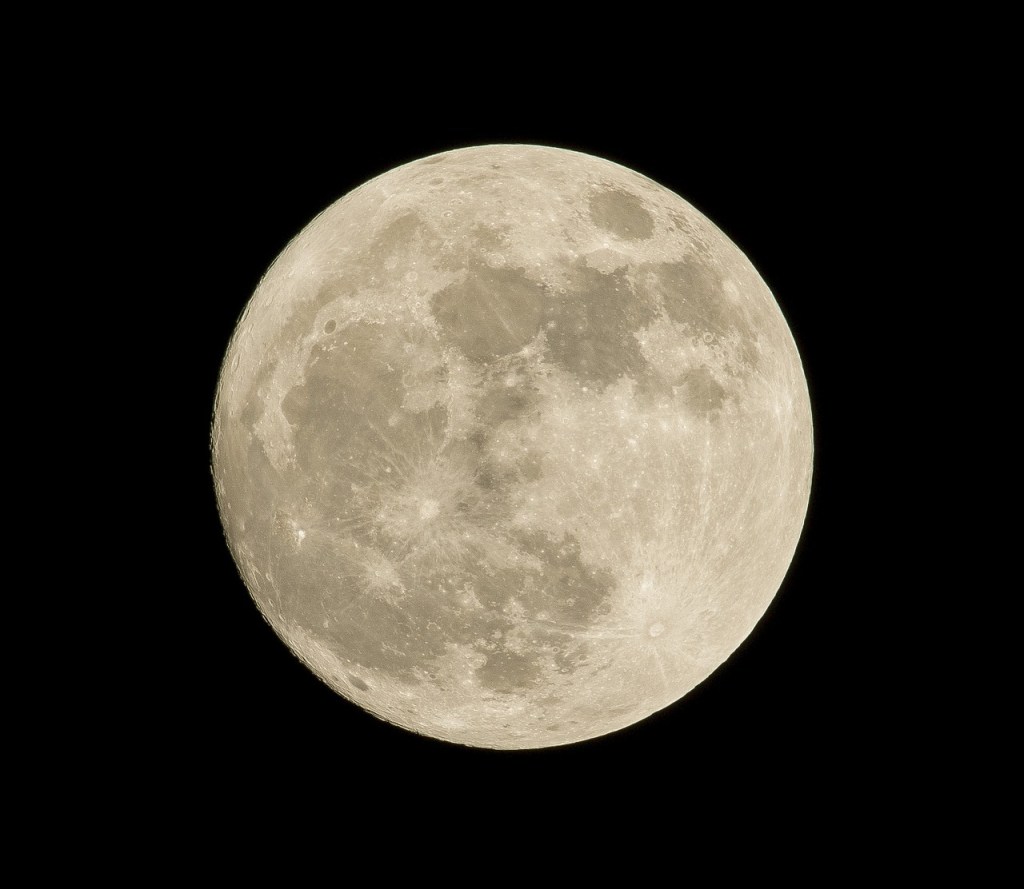
The Full Moon on July 10, known as the Buck Moon, will be fully illuminated and located in the constellation Sagittarius. This full moon is named for the time when male deer start to grow new antlers. In some regions, a subtle penumbral lunar eclipse may also be visible, with the Moon passing through the outer part of Earth’s shadow. While not as dramatic as a total eclipse, it’s still a noteworthy event for lunar enthusiasts124.
4. Saturn’s Grand Entrance
Saturn becomes a showstopper in July, rising earlier each night and dominating the late evening and pre-dawn skies. By mid-month, the ringed planet is easily visible in Pisces, and on July 16, the Moon will appear close to Saturn, creating a beautiful pairing that’s easily seen with the naked eye or binoculars. Saturn’s rings are tilted for optimal viewing, making this a great time for telescopic observations134.
5. Mars and Mercury After Sunset
After sunset, both Mars and Mercury are visible in the western sky. Mars, with its reddish hue, is easy to spot, while Mercury’s position is best in the first week of July. These planetary pairings offer excellent opportunities for comparison and planetary photography34.
6. Delta Aquariid Meteor Shower – A Summer Classic
Late July brings the Delta Aquariid meteor shower, peaking around July 28–31. This shower is known for its steady stream of meteors, with up to 20 meteors per hour under ideal dark-sky conditions. The Moon will be only slightly illuminated, so its light won’t interfere much, making this one of the best meteor showers of the year for southern and mid-latitude observers. Watch after midnight for the best display, and keep an eye out for meteors with persistent glowing trails562.
7. Prime Time for Deep-Sky Observing
With the New Moon on July 24, the skies will be at their darkest, providing perfect conditions for observing faint galaxies, nebulae, and star clusters. July’s warm nights and minimal moonlight make it a favorite month for deep-sky exploration, whether with binoculars or a telescope24.
8. The Summer Milky Way and Classic Constellations

July is the heart of Milky Way season. As darkness falls, the bright band of our galaxy stretches across the sky, especially prominent in rural locations. Constellations like Scorpius and Sagittarius mark the Milky Way’s core, while the Summer Triangle (Vega, Deneb, Altair) climbs high overhead. These star patterns are easy to spot and serve as gateways to countless deep-sky wonders4.
9. Opportunities for All Ages and Skill Levels
Whether you’re a beginner using just your eyes or an advanced astronomer with a telescope, July 2025 offers something for everyone:
- Beginners can enjoy bright planets, the full Moon, and the Milky Way.
- Families can host meteor-watching parties or try spotting Mercury at dawn.
- Advanced observers can chase faint galaxies and nebulae during the new moon window.
10. Easy Planning with Modern Tools
Apps like Sky Tonight and interactive sky maps make it simple to locate planets, stars, and meteor showers in real time, ensuring you don’t miss any celestial highlights1.
Summary Table: July 2025 Night Sky Highlights
| Date | Event | Viewing Tip |
|---|---|---|
| July 4 | Mercury at greatest elongation (west) | Best dawn view of Mercury |
| July 4 | Venus near Uranus | Binoculars for Uranus |
| July 10 | Full Buck Moon & penumbral eclipse | Look southeast at moonrise |
| July 16 | Moon near Saturn | Naked eye or binoculars |
| July 24 | New Moon | Best for deep-sky objects |
| July 28–31 | Delta Aquariid meteor shower peak | After midnight, dark location |
References & Further Reading
- Star Walk – Astronomy Calendar 2025
- When the Curves Line Up – July 7, 2025: A Celestial Showcase
- EarthSky – Meteor Shower Guide 2025
- Planetary Society – Calendar of Space Events 2025
- Sea and Sky – Astronomy Calendar 2025
- Almanac.com – Night Sky for July 2025
In short: July 2025 is packed with planetary encounters, a bright full Moon, a top-tier meteor shower, and some of the best deep-sky viewing of the year. Whether you’re a first-time stargazer or a seasoned astronomer, this month’s night sky is not to be missed!
- https://starwalk.space/en/news/astronomy-calendar-2025
- http://www.seasky.org/astronomy/astronomy-calendar-2025.html
- https://whenthecurveslineup.com/2025/06/22/2025-july-7-a-celestial-showcase-planets-and-the-moon-light-up-the-sky/
- https://www.almanac.com/night-sky-july
- https://earthsky.org/astronomy-essentials/earthskys-meteor-shower-guide/
- https://www.planetary.org/articles/calendar-of-space-events-2025
- https://www.rmg.co.uk/stories/space-astronomy/space-astronomy-highlights-2025
- https://www.spacecentre.co.uk/news/space-now-blog/stargazing-challenges-july-2025/
- https://timesofindia.indiatimes.com/science/best-stargazing-events-of-summer-2025-full-moons-meteor-showers-and-eclipses-you-cant-miss/articleshow/121263047.cms
- https://www.reddit.com/r/UKWitches/comments/1ht02q9/astrological_events_2025/
- https://in-the-sky.org/newscal.php?year=2025&month=7
- https://tpwd.texas.gov/calendar/bonham/copy_of_night-sky-2/2025-07-25
- https://repeatreplay.com/july-2024-astrological-events/
- https://www.bankbazaar.com/indian-holiday/july-holidays.html
- https://www.space.com/stargazing/international-dark-sky-week-2025-see-these-10-night-sky-sights-to-celebrate
- https://matadornetwork.com/read/night-sky-events/
- https://shop.australiangeographic.com.au/products/astronomy-2025-australia-your-guide-to-the-night-sky

 Stan's Hobbies and Interests