Model Railroading: A Great Family-Friendly Hobby (Updated for 2025)

Model railroading is a hobby that has captivated people of all ages for generations. This unique craft allows enthusiasts, from novices to professionals, to develop small-scale railway systems complete with miniature trains and intricate scenery. With no skill or age restrictions, it’s an ideal activity for bringing families together. Let’s explore why model railroading remains a fantastic family-friendly hobby in 2025.

Everyone Can Participate

One of the most appealing aspects of model railroading is its inclusivity. Individuals of all ages, from young children to seniors, can participate and find enjoyment. Building a model railroad fosters teamwork and collaboration within the family. Each member can contribute to different aspects of the project, whether it’s designing the layout, constructing buildings, laying track, or adding scenery. This shared effort creates a sense of accomplishment and strengthens family bonds.

Educational Value

Model railroading offers significant educational opportunities. The hobby encompasses various subjects, including history, engineering, and design. Researching prototype railroads and their historical context deepens knowledge of transportation history and technological advancements. Constructing the model railroad itself involves practical engineering skills such as electrical wiring, track design, and spatial planning. These hands-on activities encourage problem-solving, critical thinking, and creativity.

Therapeutic Value

Beyond its educational benefits, model railroading can also be incredibly therapeutic. The hobby provides a means of stress relief and relaxation. The focus and concentration required in model railroading can help individuals detach from daily worries and immerse themselves in a positive and engaging activity. The creative process of designing and building a miniature world can be deeply satisfying, fostering a sense of accomplishment and well-being.

Endless Possibilities

Model railroading offers endless possibilities for customization and creativity. Enthusiasts can create their own unique worlds, designing layouts that reflect their personal interests and preferences. The choice of era, location, and type of trains allows for endless variation. Adding scenery, buildings, and other details allows for further personalization, making each model railroad a one-of-a-kind creation.

Long-Lasting Hobby

Model railroading is a hobby that can span a lifetime. Many enthusiasts begin their journey in childhood and continue to enjoy the hobby throughout their lives. Model railroading creates lasting memories and provides an opportunity to pass on a cherished tradition to future generations. Additionally, the hobby fosters connections with other enthusiasts through clubs, online forums, and model railroad shows, creating a supportive community of like-minded individuals.

What’s New in 2025?

  • Digital Command Control (DCC) is More Accessible: DCC systems are more user-friendly and affordable, making it easier for families to control multiple trains independently and add sound effects to their layouts.
  • 3D Printing Revolutionizes Customization: 3D printers have become more accessible, allowing modelers to create custom parts, buildings, and details that were previously difficult or impossible to find.
  • Augmented Reality (AR) Integration: New AR apps allow users to overlay virtual scenery and details onto their physical layouts, creating a blended reality experience that enhances immersion and realism.
  • Focus on Sustainability: There’s growing interest in using sustainable materials and practices in model railroading, such as recycled cardboard, biodegradable ground cover, and energy-efficient LED lighting.
  • Emphasis on Realistic Operations: More modelers are focusing on replicating real-world railroad operations, including switching maneuvers, freight car routing, and timetable-based operation.

Conclusion

In conclusion, model railroading remains a rewarding and family-friendly hobby in 2025. It provides opportunities for learning, creativity, relaxation, and connection. With its endless possibilities and long-lasting appeal, model railroading is sure to provide hours of entertainment and enjoyment for families for years to come. Now is the perfect time to gather your family, spark your imagination, and embark on the exciting journey of building your own miniature world. The innovative technologies and techniques available today make it easier than ever to create a truly immersive and engaging model railroad experience.

Citations:
[1] https://stanshobbiesandinterests.com/2023/09/18/model-railroading-a-great-family-friendly-hobby/

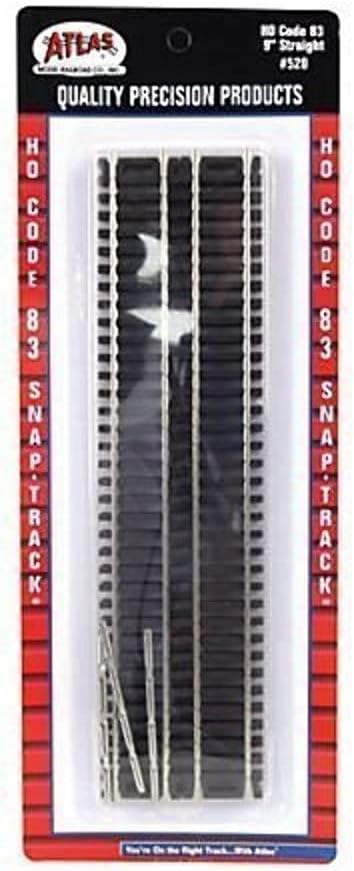
Choosing the Right Track Type for Your Model Railroad on a Budget

Model railroading is a fun and creative hobby that can bring joy to the whole family. But it can also be expensive if you don’t plan carefully. One of the most important decisions you’ll make is choosing the right type of track for your layout. This decision can affect not only how your trains run but also how much money you spend. In this guide, we will help you understand the different types of model railroad tracks and how to choose the best one for your budget.

Understanding Track Types

There are two main types of model railroad tracks: sectional track and flex track. Each type has its own advantages and disadvantages, and the right choice depends on your needs and budget.

Sectional Track

Sectional track comes in fixed lengths and curves. Each piece snaps together easily, making it a good choice for beginners.

Pros:

  • Easy to Use: Simple to assemble, perfect for beginners.
  • Uniformity: Ensures consistent curves and straight sections.
  • Availability: Widely available and often included in starter sets.

Cons:

  • Limited Flexibility: You are limited to the shapes and sizes provided by the manufacturer.
  • Cost: Can become expensive if you need many pieces to create a complex layout.

Budget Tips:

  • Look for bulk packs or second-hand options to save money.
  • Start with a basic set and add pieces as needed.

Flex Track

Flex track comes in long sections that can be bent and cut to fit any layout design. This gives you more flexibility in creating custom curves and layouts.

Pros:

  • Versatility: Can be shaped to fit any layout design.
  • Realism: Allows for more realistic track arrangements.
  • Cost-Effective: Fewer pieces needed to cover large areas.

Cons:

  • Skill Required: Requires cutting and shaping, which can be challenging for beginners.
  • Tools Needed: Additional tools like rail cutters and track gauges are necessary.

Budget Tips:

  • While the initial investment in tools may be higher, flex track can be more cost-effective in the long run.
  • Buy the longest sections of flex track you can afford to reduce the number of joints and save money.

Key Considerations for Choosing Track on a Budget

When deciding which type of track to use, consider the following factors:

  1. Available Space:
  • Measure the area where you plan to set up your layout.
  • Sectional track is good for smaller, simpler layouts.
  • Flex track is better for larger layouts with custom curves.
  1. Skill Level:
  • If you are a beginner, sectional track might be easier to start with.
  • If you are comfortable with cutting and shaping track, flex track offers more flexibility.
  1. Budget:
  • Sectional track can be more expensive over time if you need many pieces.
  • Flex track requires an initial investment in tools but can be cheaper in the long run.
  1. Realism:
  • Flex track allows for smoother curves and more realistic layouts.
  • Sectional track can look more “toy-like” with its fixed curves.

Tips for Saving Money

Here are some additional tips to help you save money on your model railroad track:

  1. Buy in Bulk:
  • Purchasing track in bulk can save you money. Look for deals on larger packs of track.
  1. Second-Hand Options:
  • Check online marketplaces, local hobby shops, and model railroad clubs for second-hand track. You can often find good deals on used track.
  1. Mix and Match:
  • Consider using a combination of sectional and flex track. Use sectional track for straight sections and simple curves, and flex track for custom curves and complex areas.
  1. Plan Ahead:
  • Use track planning software to design your layout before you start buying track. This will help you avoid buying unnecessary pieces and ensure you get the right amount of track for your layout.
  1. DIY Solutions:
  • For some parts of your layout, you can create your own solutions. For example, you can make your own roadbed from inexpensive materials instead of buying pre-made ones.

Find Track, guides for laying track and track plans HERE

Conclusion

Choosing the right track type for your model railroad on a budget involves careful planning and consideration. Both sectional and flex track have their advantages and disadvantages, and the best choice depends on your specific needs and budget. By understanding the pros and cons of each type and following our budget tips, you can create a fun and realistic model railroad layout without breaking the bank.

Remember, model railroading is a journey, and part of the fun is learning and experimenting along the way. Start with the basics, and as you gain experience, you can expand and improve your layout. Happy railroading!

Citations:
[1] https://cs.trains.com/mrr/f/11/t/30534.aspx
[2] https://ogrforum.ogaugerr.com/topic/3-rail-track-prices
[3] https://dccwiki.com/Flex_vs_sectional_track
[4] https://www.keymodelworld.com/article/which-sectional-track-system-choose-oo-gauge

5 Top Model Train Accessories

Many people’s first introduction to model railroading is with a simple circle or oval on a sheet of plywood. No scenery, no landscaping and maybe not even any buildings or vehicles.

It doesn’t take long, however, to get the urge to start adding accessories to the railroad to make it more realistic. For many people, this become a lifelong endeavor, and can grow to very large proportions.

Every layout is different and everyone has their own favorite accessories, but the following 5 items are some of the most common accessories that add a level of realism and interest to your model railroad.

Also See the TOP ACCESSORIES FOR MODEL RAILROADS IN 2024

1. Train Station

This is one of the first buildings most people add to their layout. It gives the railroad a starting and ending point and often serves as the basis for an entire town or city to be built up around it. The TRAIN STATION.

A quick easy way to a stunning Layout CLICK HERE

2. Lighting

There are many forms of lighting for railroads. There can be background lighting to give a backdrop a degree of realism or street lights to add to the ambiance of a city. These may be strictly for decoration, or they may actually light up at night to give the streets a realistic glow.

3. Rail Cars

The locomotive usually gets the most attention when setting up a model railroad, but there are many choices for railcars as well.

4. People and Animals

A city or rail yard isn’t complete without people as part of the design. And if your layout travels through mountains or countryside, animals add a touch of realism to the design. And vehicles always add to the realism.

A quick easy way to a stunning Layout CLICK HERE

5. Landscaping

There are many options for landscaping a railroad. You can add things like grass, trees, lakes or rivers alongside the track. Or you can get a little more in depth and add hills and valleys for your train to travel through, and tunnels through the mountains.