Festive Wine and Food Pairings for the Christmas Holidays: A Novice’s Guide

The holiday season is a time for gathering with loved ones, sharing delicious meals, and creating lasting memories. For many families, Christmas dinner is the centerpiece of these celebrations. While traditional fare often takes center stage, pairing the right wines with your holiday dishes can elevate the experience and add an extra layer of festivity to your gatherings. This guide will help novices navigate the world of Christmas wine pairings, ensuring a merry and delicious holiday season for all.

Setting the Scene: Christmas Eve

Many families begin their holiday celebrations on Christmas Eve. Whether you’re observing the Italian-American tradition of the Feast of Seven Fishes or simply enjoying a light meal before the main event, here are some wine pairing suggestions to kick off your festivities:

Appetizers and Light Bites

Start your evening with some festive appetizers. Smoked salmon canapés are a popular choice, and they pair beautifully with a crisp white wine. Consider a Chenin Blanc, which offers a moderate dryness and lower alcohol content, perfect for early evening sipping[5]. If you’re feeling extra festive, a glass of bubbly is always appropriate. Champagne or a sparkling Crémant can add a touch of elegance to your salmon bites[5].

For a classic holiday appetizer like pigs in a blanket, try a rosé Champagne. The bubbles and slight fruitiness will cut through the richness of the pastry and complement the smoky-sweet flavors of the pork[5].

The Feast of Seven Fishes

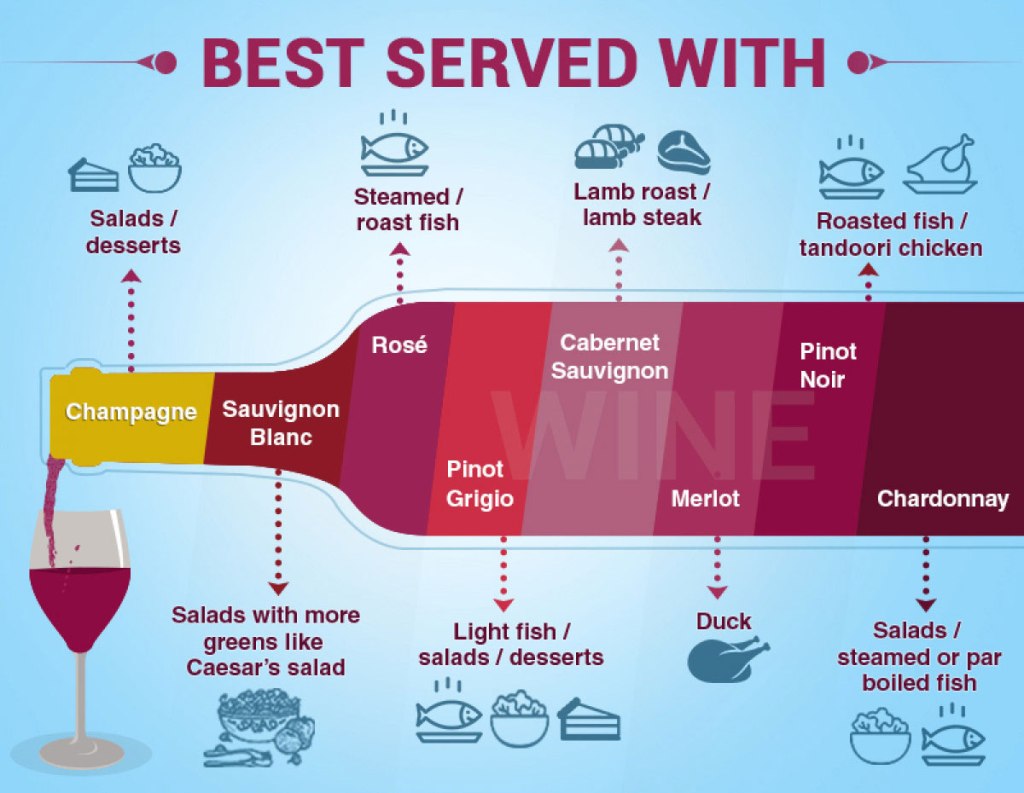
If your family celebrates the Feast of Seven Fishes on Christmas Eve, you’ll want wines that pair well with a variety of seafood dishes. A versatile Chardonnay is an excellent choice, as it won’t overpower the subtle flavors of seafood while adding complexity to simpler preparations[3].

For specific fish dishes, consider these pairings:

  • Calamari or Baccalà (salt cod): Try a bright and acidic Pinot Gris[1].
  • Shrimp or clam dishes: A crisp Sauvignon Blanc can complement these lighter seafood options.
  • Grilled fish: A light-bodied red like Pinot Noir can work surprisingly well with grilled fish dishes.
Christmas Day: The Main Event

As Christmas Day arrives, it’s time for the main feast. Whether your family prefers a traditional roast turkey, a succulent ham, or a luxurious prime rib, there’s a perfect wine pairing for your centerpiece.

Roast Turkey

For the classic roast turkey, you have several excellent options:

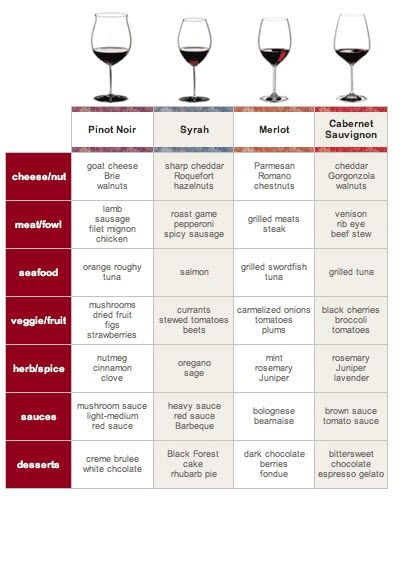
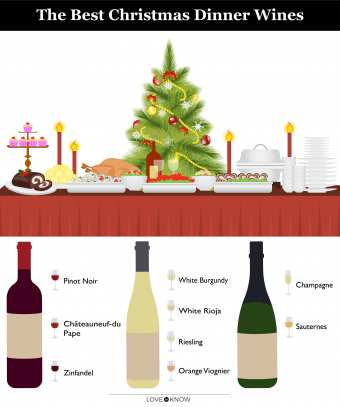
  • Pinot Noir: With its notes of cranberry, raspberry, and earthy undertones, Pinot Noir is a versatile choice that complements turkey beautifully[4].
  • Beaujolais: This light-bodied red wine, made from Gamay grapes, offers bright cherry flavors that pair wonderfully with roasted turkey[1].
  • Chardonnay: If you prefer white wine, a medium-bodied Chardonnay can stand up to the rich flavors of turkey and gravy.

Glazed Ham

If ham is the star of your Christmas table, consider these wine pairings:

  • Zinfandel: This bold, fruity red wine with notes of blackberry, cherry, and spice is an excellent match for a sweet and savory glazed ham[4][5].
  • Riesling: For a white wine option, a dry Riesling offers bright acidity and stone fruit flavors that can balance the saltiness of ham[4].

Prime Rib or Beef Roast

For those serving a hearty beef dish, reach for a full-bodied red wine:

  • Cabernet Sauvignon: With its complex flavors of blackberry, cocoa, and vanilla, a good Cabernet Sauvignon is the perfect companion to a rich prime rib[3].
  • Châteauneuf-du-Pape: This classic French blend offers a balance of fruit, savory herbs, and earthy notes that pair wonderfully with roasted red meats[4].

Side Dishes and Their Perfect Pairings

Don’t forget about the side dishes! Here are some suggestions for pairing wines with popular Christmas sides:

  • Mashed Potatoes: A medium-bodied Merlot can complement the creamy richness of mashed potatoes[1].
  • Roasted Brussels Sprouts: Try a buttery Chardonnay, especially if the sprouts are prepared with a maple glaze[1].
  • Butternut Squash Soup: The earthy flavors of butternut squash pair beautifully with a Chianti[1].

Sweet Endings: Dessert Pairings

No Christmas meal is complete without dessert. Here are some suggestions for ending your feast on a sweet note:

  • Pumpkin Pie: A late-harvest Riesling or a tawny Port can complement the warm spices in pumpkin pie.
  • Fruit Tarts: A sweet Sauternes, with its notes of honeyed apricot and marmalade, pairs wonderfully with fruit-based desserts[4].
  • Chocolate Desserts: A rich, full-bodied red like Zinfandel can stand up to the intensity of chocolate.
Tips for Novice Wine Enthusiasts

As you explore the world of wine pairings this holiday season, keep these tips in mind:

  1. Don’t stress too much about perfect pairings. The holidays are about enjoyment and togetherness, so choose wines you and your guests will enjoy.
  2. Serve wines at the proper temperature. Chill white wines and serve red wines slightly cooler than room temperature for optimal enjoyment[3].
  3. Have a variety of wines available to cater to different tastes. Include both red and white options, and perhaps a sparkling wine for toasting.
  4. Consider non-alcoholic options for designated drivers and non-drinkers. Sparkling cider or non-alcoholic wine can be festive alternatives.
  5. Pace yourself throughout the meal. Holiday dinners can be long affairs, so sip slowly and stay hydrated with water between glasses of wine.
  6. If you’re unsure about a pairing, Champagne or other sparkling wines are versatile choices that pair well with many foods[1][5].

Conclusion: Celebrating with Wine and Food

Pairing wine with your Christmas feast doesn’t have to be intimidating. By following these suggestions and keeping an open mind, you can enhance your holiday meals and create a truly festive atmosphere. Remember, the most important aspect of holiday dining is sharing good food and drink with those you love.

As you prepare for your Christmas celebrations, don’t be afraid to experiment with different pairings. You might discover a new favorite combination that becomes a holiday tradition for years to come. Whether you’re serving a traditional turkey, a glazed ham, or a variety of seafood, there’s a perfect wine waiting to complement your meal.

Most importantly, remember that the best pairing is the one that brings joy to you and your loved ones. So raise a glass, toast to good health and happiness, and savor the flavors of the season. Merry Christmas and happy pairing!

Citations:
[1] https://www.coravin.com/blogs/community/christmas-wine-pairings-dinner-dessert-sides
[2] https://westchesterwineguy.com/2012/12/19/some-new-and-improved-christmas-wine-pairings/
[3] https://www.harryanddavid.com/articles/holidays/how-to-pair-food-and-wine-for-christmas
[4] https://www.lovetoknow.com/food-drink/wine/christmas-dinner-wine-pairings
[5] https://vinepair.com/wine-blog/holiday-dinner-wine-pairing-guide/
[6] https://thebackpackermom.com/2021/12/21/wine-and-christmas-cookie-pairing/
[7] https://www.wallywine.com/blog/perfect-holiday-food-and-wine-pairings/
[8] https://www.winecountry.com/blog/holiday-food-and-wine-pairings/
Spicing Up Your Mexican Fiesta: Perfect Food Pairings for a Wine Tasting Adventure

Hosting a Mexican Fiesta-themed wine tasting is an exciting way to explore the vibrant flavors of Mexican cuisine alongside carefully selected wines. While many people automatically think of margaritas or beer when it comes to Mexican food, wine can be an excellent and sophisticated accompaniment to these bold and spicy dishes. This guide will help you create delicious food pairings that will complement your wine selections and make your Mexican Fiesta wine tasting an unforgettable experience.

Understanding Wine Pairing Basics

Before diving into specific pairings, it’s helpful to understand some basic principles of pairing wine with Mexican food:

  1. Match intensity: Pair lighter wines with milder dishes and bolder wines with more robust flavors.
  2. Consider acidity: High-acid wines can cut through rich, fatty foods and balance spicy flavors.
  3. Embrace sweetness: A touch of sweetness in wine can help tame spicy heat.
  4. Think about texture: Crisp wines can contrast nicely with creamy dishes, while fuller-bodied wines complement heartier fare.

With these principles in mind, let’s explore some fantastic food and wine pairings for your Mexican Fiesta.

Appetizers and Light Bites

  1. Chips and Guacamole
    Guacamole’s creamy texture and bright flavors pair wonderfully with crisp white wines. Try serving it with a zesty Sauvignon Blanc or a light, refreshing Vinho Verde. The wine’s acidity will cut through the richness of the avocado, while its herbal notes complement the cilantro and lime in the guacamole.
  2. Ceviche
    This citrus-cured seafood dish is a natural match for crisp, high-acid white wines. Opt for an Albariño or a dry Riesling to complement the dish’s bright, tangy flavors. The wine’s citrusy notes will enhance the lime in the ceviche, while its minerality pairs beautifully with the seafood.
  3. Queso Fundido
    This rich, cheesy dip calls for a wine that can stand up to its bold flavors. A fruity, medium-bodied red like Zinfandel or Grenache works well here. The wine’s fruit-forward profile will balance the salty cheese, while its body can match the dip’s richness.

White Wine for your Tasting

Main Courses

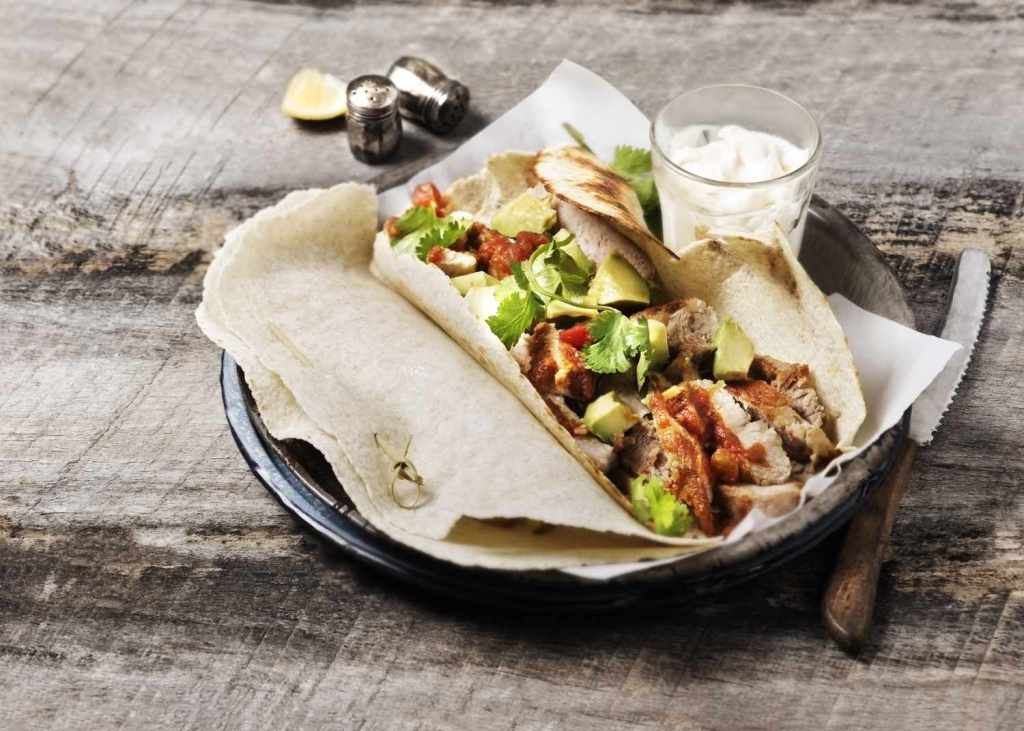
  1. Tacos al Pastor
    These popular pork tacos, marinated with chiles and pineapple, pair beautifully with rosé wines. A dry rosé from Provence or a fruity rosé from Spain will complement the sweet and spicy flavors of the pork while refreshing the palate. The wine’s acidity also helps cut through the richness of the meat.
  2. Chicken Enchiladas
    For this classic dish, consider a light to medium-bodied red wine like Pinot Noir or Gamay. These wines have enough body to stand up to the sauce without overpowering the chicken. Their bright fruit flavors and low tannins make them versatile enough to pair with various enchilada sauces, from verde to mole.
  3. Carne Asada
    This grilled beef dish calls for a bolder red wine. Try pairing it with a Malbec or Tempranillo. These wines have enough structure and tannins to complement the beef’s richness, while their fruit flavors can stand up to any spicy marinade or salsa served alongside.
  4. Fish Tacos
    Light, flaky fish tacos pair wonderfully with crisp white wines. A Sauvignon Blanc or unoaked Chardonnay will complement the delicate fish flavors while cutting through any creamy sauces. If the tacos come with a spicy salsa, consider a slightly off-dry Riesling to balance the heat.
  5. Vegetarian Chiles Rellenos
    These cheese-stuffed peppers pair well with a variety of wines. For a red option, try a light-bodied Pinot Noir. Its earthy notes complement the peppers, while its acidity cuts through the cheese. For a white option, a Grüner Veltliner can match the green pepper flavors while offering enough body to stand up to the cheese.

Side Dishes

  1. Mexican Rice
    This tomato-based rice dish pairs nicely with both red and white wines. For a red option, try a fruity Grenache or Zinfandel. For white, a medium-bodied Chardonnay can complement the dish’s flavors without overpowering them.
  2. Refried Beans
    The rich, creamy texture of refried beans calls for a wine with good acidity. A Barbera or Sangiovese can cut through the richness while complementing the earthy flavors of the beans.
  3. Elote (Mexican Street Corn)
    This popular corn dish, often served with mayo, cheese, and chili powder, pairs wonderfully with a crisp, unoaked Chardonnay or a Viognier. The wine’s body can match the corn’s sweetness, while its acidity balances the creamy toppings.

Red Wine for your Tasting

Desserts

  1. Churros
    These crispy, cinnamon-sugar coated pastries pair beautifully with sweet dessert wines. Try a Pedro Ximénez sherry or a late-harvest Riesling. The wine’s sweetness will complement the cinnamon sugar, while its acidity keeps the pairing from becoming too cloying.
  2. Flan
    This creamy caramel custard calls for a wine with both sweetness and acidity. A Moscato d’Asti or a sweet Vouvray can complement the dessert’s sweetness while offering enough acidity to cut through its richness.
  3. Tres Leches Cake
    This ultra-moist cake pairs well with a sweet, bubbly wine. Try a demi-sec Champagne or a sweet sparkling Moscato. The bubbles will refresh the palate between bites of the rich cake, while the wine’s sweetness matches that of the dessert.

Tips for a Successful Mexican Fiesta Wine Tasting

  1. Offer a variety of wines: Include both red and white options to cater to different preferences and dish pairings.
  2. Serve wines at the proper temperature: Chill white wines and rosés, and serve red wines slightly cooler than room temperature.
  3. Provide water and palate cleansers: Offer plain crackers or bread to help guests cleanse their palates between tastings.
  4. Create a festive atmosphere: Decorate with colorful Mexican-inspired decor, play traditional music, and consider providing sombreros or other fun accessories for guests.
  5. Educate your guests: Provide tasting notes for each wine and explain why it pairs well with certain dishes.
  6. Encourage experimentation: While the pairings suggested here work well, encourage guests to try different combinations and discover their own favorite pairings.

Conclusion

Pairing wine with Mexican cuisine opens up a world of exciting flavor combinations. By considering the intensity, acidity, and sweetness of both the food and the wine, you can create harmonious pairings that enhance the dining experience. Remember, there’s no single “right” pairing – personal preference plays a big role, so don’t be afraid to experiment and find what you enjoy most.

A Mexican Fiesta wine tasting offers a unique opportunity to explore the rich, diverse flavors of Mexican cuisine alongside a carefully curated selection of wines. From crisp whites that complement fresh salsas and seafood to bold reds that stand up to grilled meats and rich sauces, there’s a perfect wine for every dish. By following these pairing suggestions and tips, you’ll be well on your way to hosting an unforgettable Mexican Fiesta wine tasting that your guests will be talking about for years to come. ¡Salud!

Citations:
[1] https://winefolly.com/wine-pairing/wine-with-mexican-food-starting-with-the-basics/
[2] https://www.brightcellars.com/blogs/learn/6-tacos-and-wine-pairings
[3] https://www.winereviewonline.com/Miranda_Franco_Wine_with_Mexican_Food.cfm
[4] https://armchairsommelier.com/food-and-pairings/pairing-wine-with-mexican-food/
[5] https://begoodrestaurants.com/exploring-the-flavors-of-mexico-5-popular-mexican-dishes/
[6] https://www.npr.org/2022/10/28/1132205161/mexican-cooking-ingredients-expert-tips
[7] https://www.tastingtable.com/1413962/essential-ingredients-need-mexican-cooking/
[8] https://www.decanter.com/learn/food/wine-with-tacos-food-matching-368831/
[9] https://rrealtacos.com/authentic-mexican-food-cuisine/
[10] https://www.matchingfoodandwine.com/news/pairings/wine-beer-and-other-pairings-for-mexican-food/
[11] https://www.tasteofhome.com/collection/mexican-foods-take/
[12] https://www.reddit.com/r/wine/comments/162va66/what_wine_to_pair_with_mexican/

What Dishes Pair Well with Chardonnay?

What Dishes Pair Well with Chardonnay?

Chardonnay is one of the most versatile and widely enjoyed white wines in the world. Its flavor profile can range from crisp and citrusy to rich and buttery, depending on the winemaking techniques and the region where it is produced. This versatility makes Chardonnay an excellent companion for a variety of dishes. Here are some dishes that pair exceptionally well with Chardonnay, along with some dos and don’ts to keep in mind when pairing this wine.

Classic Pairings for Chardonnay

  1. Roast Chicken with Herbs
  • Why it works: The mild, buttery flavors of roast chicken complement the creamy texture and subtle oakiness of many Chardonnays. Herbs like rosemary and thyme add an aromatic complexity that enhances the wine’s flavor profile[9].
  1. Wine-Braised Chicken with Mashed Potatoes
  • Why it works: The richness of the braised chicken and the creamy mashed potatoes are a perfect match for a full-bodied, oaky Chardonnay. The wine’s acidity cuts through the richness, balancing the dish[9].
  1. Grilled Lemon-Garlic Turkey
  • Why it works: The citrus and garlic flavors in the turkey highlight the crisp, citrusy notes in a lighter, unoaked Chardonnay. The grilling adds a smoky element that pairs well with the wine’s subtle oakiness[9].
  1. Pecan-Crusted Chicken
  • Why it works: The nutty, toasty flavors of the pecan crust complement the toasty oak notes in an oaked Chardonnay. The wine’s acidity balances the richness of the dish[9].
  1. Roast Pork with Apples
  • Why it works: The sweetness of the apples and the savory flavors of the roast pork create a harmonious balance with the ripe fruit flavors and slight sweetness of a well-rounded Chardonnay[9].
  1. Seafood Dishes
  • Meaty Fish (Halibut, Cod): The mild flavors of these fish pair well with both oaked and unoaked Chardonnays. The wine’s acidity enhances the delicate flavors of the fish.
  • Shellfish (Lobster, Shrimp, Crab, Scallops): The rich, buttery texture of shellfish is a natural match for a creamy, oaky Chardonnay. The wine’s acidity cuts through the richness, creating a balanced pairing[9].

Find your Favorite CHARDONNAY HERE

  1. Creamy Pasta Dishes
  • Risottos and Cream-Enhanced Sauces: The silky texture of risottos and creamy pasta dishes complements the creamy mouthfeel of a full-bodied Chardonnay. The wine’s acidity balances the richness of the dish[9].
  1. Vegetable Dishes
  • Corn, Butternut Squash, Sweet Potatoes: The natural sweetness of these vegetables pairs well with the ripe fruit flavors in Chardonnay. Roasting or grilling these vegetables adds a caramelized flavor that complements the wine’s toasty oak notes[9].

Dos and Don’ts for Pairing Chardonnay

DO:

  • Serve with mild, buttery, or creamy dishes: These flavors complement the creamy texture and subtle oakiness of Chardonnay.
  • Pair with meaty fish and shellfish: The wine’s acidity enhances the delicate flavors of the seafood.
  • Complement oaky Chardonnay with toasty flavors: Foods with toasted nuts, pastry crust, grilling, or smoking enhance the wine’s oak notes.
  • Pair crisp, delicate Chardonnay with simply flavored foods: Baked fish or poultry with butter and herbs are excellent choices.
  • Play to ripe Chardonnay’s impression of sweetness: Ingredients like corn, butternut squash, and sweet potatoes, as well as caramelized foods, work well.
  • Pair with dishes that have a silky texture: Risottos and cream-enhanced soups, sauces, and pastas are great matches[9].

DON’T:

  • Pair with aggressively seasoned food: Avoid fresh or dried chilies and super spicy dishes, as they can overpower the wine.
  • Pair with bitter foods: Bitter greens, vegetables, and spices like turmeric can make the wine taste sour.
  • Pair with acidic foods: Raw tomatoes, olives, capers, ceviche, and tangy vinaigrettes and sauces can clash with the wine’s acidity.
  • Pair with pungent or high-acid cheeses: Funky, washed-rind cheeses and aged goat and sheep’s cheese can overpower the wine.
  • Serve Chardonnay too cold: This can dull its pairing powers. Remove it from the ice bucket or refrigerator 15 to 20 minutes before pouring, and let it warm up to about 48 degrees Fahrenheit[9].

SHOP CHARDONNAY HERE

Conclusion

Chardonnay’s versatility makes it a fantastic wine to pair with a wide range of dishes. Whether you prefer a crisp, unoaked Chardonnay or a rich, buttery, oaked version, there are plenty of food pairings that can enhance your dining experience. By following these guidelines and experimenting with different combinations, you can discover the perfect pairings that suit your palate. Cheers to exploring the delightful world of Chardonnay and food pairings!

Citations:
[1] https://www.yelp.com/biz/ripple-wine-bar-covington-covington?adjust_creative=6zagVcKwffYZAA-51mlGNg
[2] https://www.yelp.com/biz/bouquet-restaurant-covington?adjust_creative=6zagVcKwffYZAA-51mlGNg
[3] https://www.yelp.com/biz/strongs-brick-oven-pizzeria-newport?adjust_creative=6zagVcKwffYZAA-51mlGNg
[4] https://www.yelp.com/biz/york-street-caf%C3%A9-newport-2?adjust_creative=6zagVcKwffYZAA-51mlGNg
[5] https://www.yelp.com/biz/louvino-otr-cincinnati?adjust_creative=6zagVcKwffYZAA-51mlGNg
[6] https://www.yelp.com/biz/sacred-beast-cincinnati-2?adjust_creative=6zagVcKwffYZAA-51mlGNg
[7] https://www.yelp.com/biz/bow-tie-caf%C3%A9-cincinnati-2?adjust_creative=6zagVcKwffYZAA-51mlGNg
[8] https://www.yelp.com/biz/alfios-buon-cibo-cincinnati?adjust_creative=6zagVcKwffYZAA-51mlGNg
[9] https://www.lacrema.com/chardonnay-food-pairings/
[10] https://www.matchingfoodandwine.com/news/pairings/the-best-food-to-match-with-chardonnay/
[11] https://www.lafatacellars.com/10-effortless-dishes-to-pair-with-chardonnay/
[12] https://hopefamilywines.com/blog/what-foods-pair-best-with-chardonnay-wine/
[13] https://www.wineberserkers.com/t/chardonnay-why-so-hard-to-pair-with-food/163072
[14] https://www.insolenceandwine.com/blog/2016/2/food-wine-pairings-chardonnay
[15] https://www.winetourism.com/top-5-dishes-to-pair-with-chardonnay/
[16] https://www.platingsandpairings.com/category/wine-pairings/chardonnay-food-pairings/

Wines That Pair Best with Grilled Foods

Grilling is a beloved cooking method that brings out the best in meats, vegetables, and even fruits. The smoky, charred flavors from the grill can be beautifully complemented by the right wine, enhancing the overall dining experience. Here are some wines that pair exceptionally well with various grilled foods, based on insights from multiple sources.

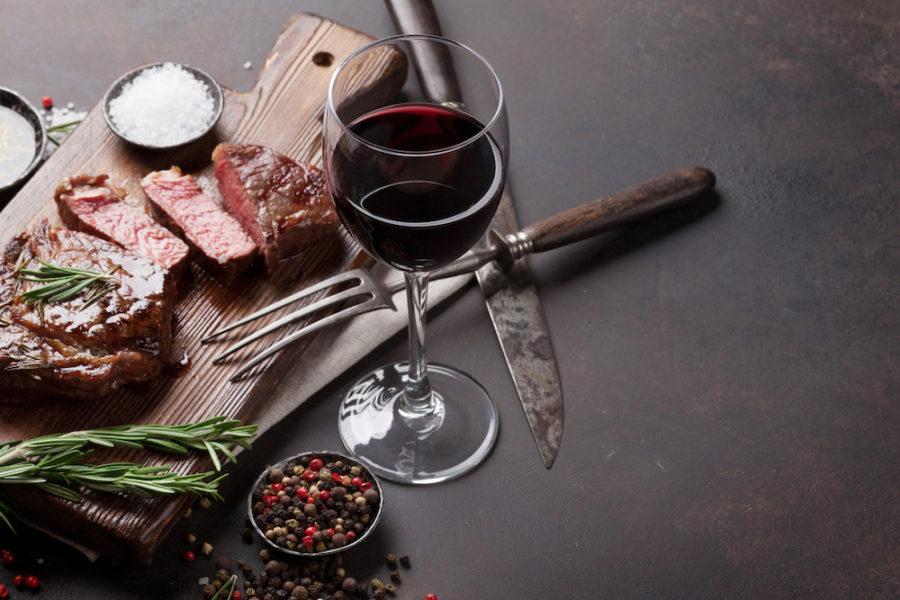
Grilled ribeye beef steak with red wine, herbs and spices on stone table

1. Zinfandel

Zinfandel is a robust red wine known for its bold fruit flavors and spicy notes, making it an excellent match for grilled meats. Its high alcohol content and rich texture can stand up to the intense flavors of barbecue sauces and charred meats.

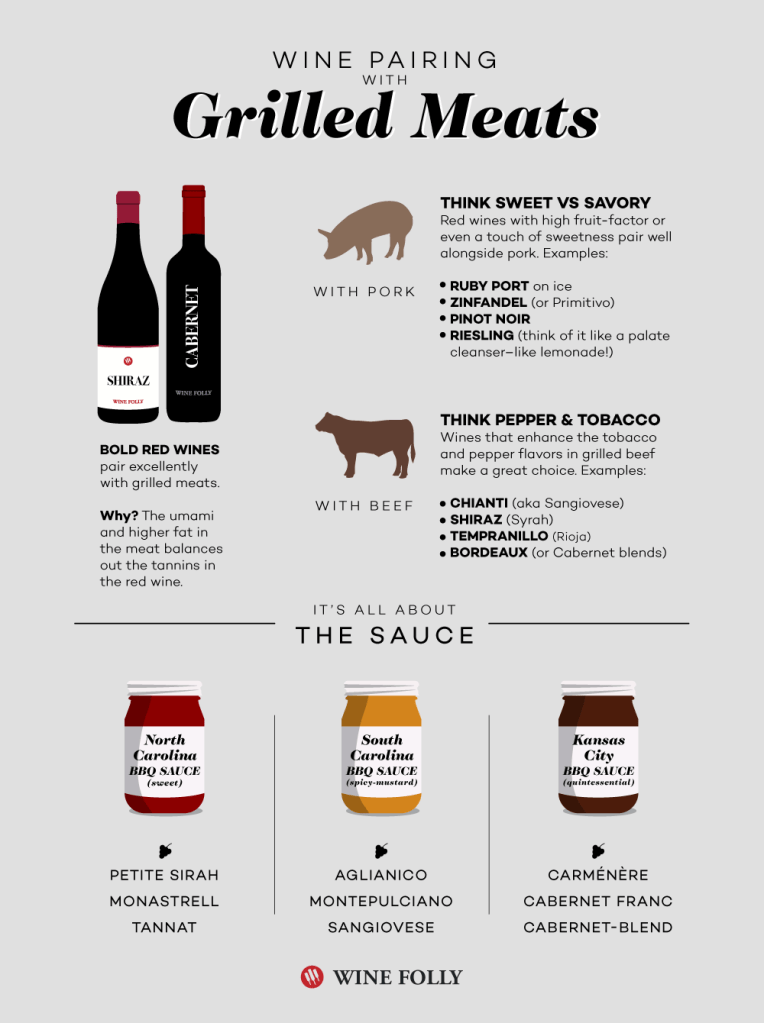
  • Pair with: Grilled ribs, brisket, and burgers. The wine’s fruit-forward profile balances the smokiness and sweetness of barbecue sauces[1][2].

The Best Wines for Grilled Foods

2. Cabernet Sauvignon

Cabernet Sauvignon is a full-bodied red wine with firm tannins and dark fruit flavors. It pairs well with rich, fatty meats, as the tannins help cut through the fat, creating a balanced and enjoyable experience.

  • Pair with: Ribeye steaks, lamb chops, and grilled sausages. The wine’s structure complements the richness of these meats[1][3].

3. Syrah/Shiraz

Syrah (known as Shiraz in Australia) is a versatile red wine with flavors of dark berries, pepper, and smoke. Its bold profile makes it a great match for a variety of grilled dishes.

  • Pair with: Grilled pork chops, spicy sausages, and barbecued chicken. The wine’s spiciness and smokiness enhance the flavors of the grilled food[1][3].

4. Malbec

Malbec, particularly from Argentina, is known for its dark fruit flavors and smooth tannins. It pairs wonderfully with grilled meats, especially those with a bit of char and smokiness.

  • Pair with: Grilled steaks, especially with chimichurri sauce, and barbecued ribs. The wine’s fruitiness and slight smokiness complement the grilled flavors[3].

5. Pinot Noir

Pinot Noir is a lighter red wine with high acidity and delicate fruit flavors. It is one of the most food-friendly wines, capable of pairing with a wide range of dishes without overpowering them.

  • Pair with: Grilled salmon, chicken skewers, and vegetable kebabs. The wine’s acidity and subtle smokiness make it a versatile choice for lighter grilled foods[2][4].

6. Rosé

Rosé wines, with their refreshing acidity and fruity flavors, are perfect for summer grilling. They can handle a variety of flavors and are particularly good with lighter grilled dishes.

  • Pair with: Grilled shrimp, turkey burgers, and vegetable skewers. The wine’s crispness and fruitiness balance the smoky flavors of the grill[2][5].

7. Sauvignon Blanc

Sauvignon Blanc is a crisp, high-acid white wine with citrus and herbaceous notes. It pairs well with grilled vegetables and lighter meats, providing a refreshing contrast to the smoky flavors.

  • Pair with: Grilled asparagus, zucchini, and chicken. The wine’s acidity cuts through the char and enhances the natural flavors of the vegetables[4].

8. Chardonnay

Chardonnay can range from crisp and unoaked to rich and buttery, making it a versatile pairing option. The wine’s body and flavor profile can complement a variety of grilled dishes.

  • Pair with: Grilled lobster, chicken, and corn on the cob. The wine’s richness pairs well with the buttery and smoky flavors of these dishes[3][4].

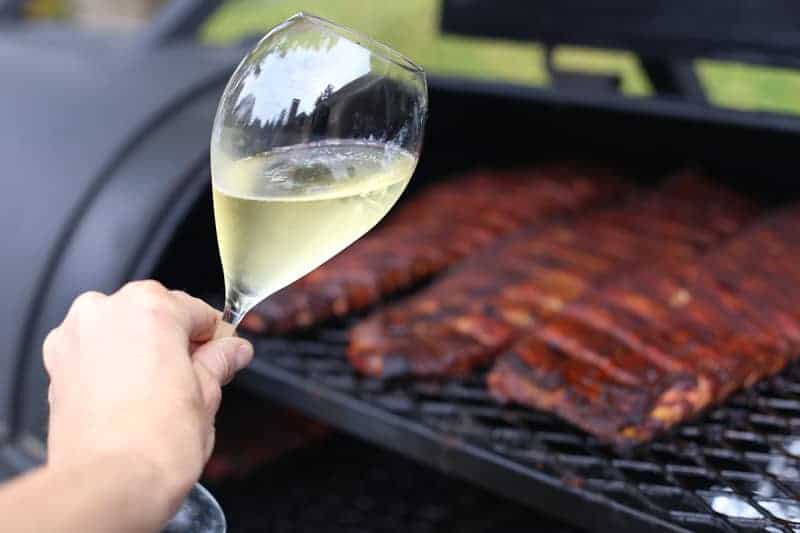
9. Sparkling Wine

Sparkling wines, such as Cava or Prosecco, are excellent for cutting through the richness of grilled foods. Their bubbles and acidity provide a refreshing palate cleanser.

  • Pair with: Grilled pork chops, fried chicken, and seafood. The wine’s effervescence and acidity balance the richness and enhance the flavors of the grilled food[2].

Tips for Pairing Wine with Grilled Foods

  1. Consider the Sauce: The sauce or marinade used in grilling can significantly impact the wine pairing. Sweet and tangy barbecue sauces pair well with fruit-forward wines, while herbaceous marinades might be better with more acidic wines[1].
  2. Match the Intensity: Pair the intensity of the wine with the intensity of the food. Bold, full-bodied wines work well with rich, fatty meats, while lighter wines are better suited for delicate dishes[1][3].
  3. Balance the Flavors: Look for wines that balance the flavors of the grilled food. For example, a wine with good acidity can cut through the richness of fatty meats, while a slightly sweet wine can balance spicy dishes[2][4].
  4. Experiment and Enjoy: Don’t be afraid to try different combinations and see what works best for your palate. The goal is to enhance your dining experience, so have fun experimenting with various wines and grilled foods[5].

SHOP for the Best Grilling tools

Conclusion

Pairing wine with grilled foods can elevate your barbecue experience, bringing out the best in both the wine and the food. By understanding the characteristics of different wines and how they complement various grilled dishes, you can create harmonious and enjoyable pairings. Whether you’re grilling steaks, seafood, or vegetables, there’s a perfect wine to enhance your meal. Cheers to discovering the delightful world of wine and grilling!

Citations:
[1] https://www.jjbuckley.com/wine-knowledge/blog/how-to-pair-wine-with-your-favorite-grilled-foods-/308
[2] https://www.platingsandpairings.com/7-wines-that-pair-with-bbq-perfectly/
[3] https://www.news-press.com/story/life/food/2021/06/30/best-wines-grilling-how-pair-wine-grilled-meats-vegetables/5320468001/
[4] https://discover.texasrealfood.com/the-pairing-post/what-wine-goes-well-with-grilled-vegetables
[5] https://www.yummly.com/dish/887562/an-easy-guide-to-the-best-wines-for-bbq
[6] https://winecountrytable.com/eat-drink/wine-food-pairings/bbq-wine-pairing/
[7] https://www.cardsofwine.com/food_vegetables_grilled.asp
[8] https://www.try.vi/wine-pairing/grilled-vegetables
[9] https://www.wineenthusiast.com/archive/what-to-drink-with-barbecue-food/
[10] https://www.foodandwine.com/lifestyle/best-wine-pairings-grilled-steak
[11] https://www.platingsandpairings.com/wine-with-fish/
[12] https://www.decanter.com/learn/pairing-wine-with-fish-what-to-choose-440973/
[13] https://www.davywine.co.uk/bbq-wines-best-wine-pairings-for-cheese-vegetables/
[14] https://www.coravin.com/community/grilling-best-wines-for-bbq
[15] https://www.coravin.com/blogs/community/grilling-best-wines-for-bbq
[16] https://winefolly.com/wine-pairing/never-fear-the-grill-wine-pairings-with-barbecue/
[17] https://www.thespruceeats.com/pairing-wine-with-seafood-1300638
[18] https://www.sizzlefish.com/pages/seafood-wine-pairings
[19] https://www.vivino.com/wine-news/the-cheat-sheet-to-pairing-wines-with-seafood
[20] https://www.decanter.com/learn/food/wines-at-a-barbeque-320919/

What Foods Pair well with Red Wines

Navigating the world of red wine can be an exhilarating journey, filled with discoveries of rich flavors, bold aromas, and the art of pairing these wines with food. Red wine, with its diverse range from light-bodied to full-bodied, offers a plethora of pairing possibilities that can elevate a simple meal into a memorable dining experience. This article aims to guide novices through the essentials of pairing red wines with food, ensuring each sip and bite harmonizes beautifully.

Understanding Red Wine

Before delving into pairings, it’s crucial to understand the characteristics of red wine. Red wines are distinguished by their color, which ranges from light red to deep purple, derived from the grape skins used in the winemaking process. The body of the wine, which refers to its weight and fullness on the palate, can be light, medium, or full. This is influenced by factors such as grape variety, region, and winemaking techniques. Tannins, natural compounds found in grape skins, seeds, and stems, give red wine its structure and can contribute to a drying sensation in the mouth[1][2].

Pairing Foods with Red Wine

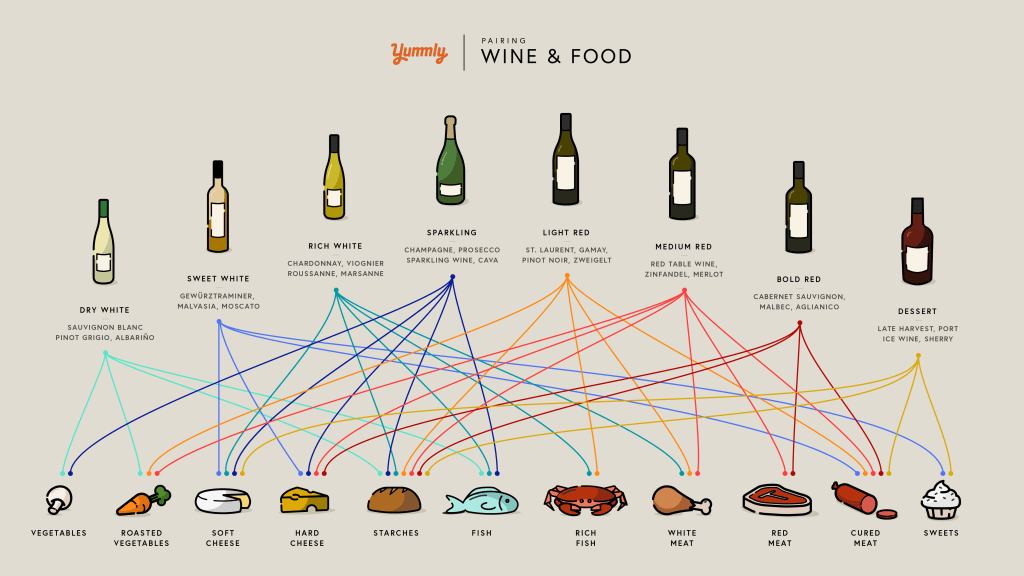
The key to successful wine pairing is balance. The wine should complement the food, enhancing its flavors without overpowering them. Here are some guidelines for pairing foods with different types of red wine:

Light-Bodied Red Wines

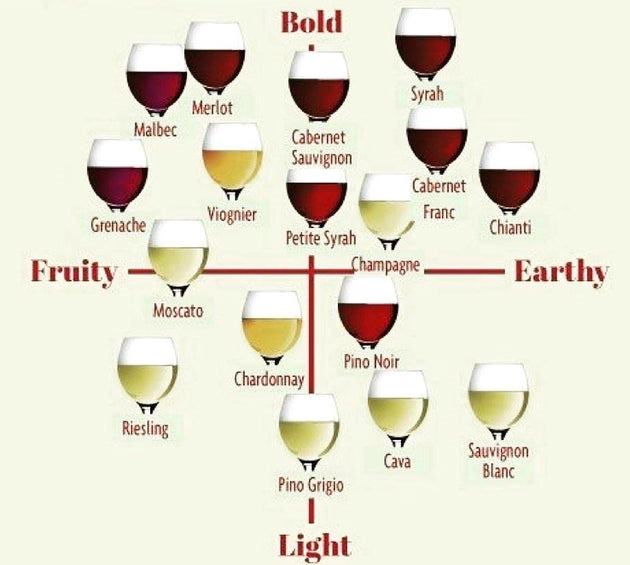
Light-bodied red wines, such as Pinot Noir, are known for their delicate flavors and higher acidity. They pair wonderfully with lighter dishes that might be overwhelmed by more robust wines.

  • Pinot Noir: Ideal with earthy flavors, such as dishes featuring mushrooms or truffles. It also pairs well with poultry, like roasted chicken, and is versatile enough to complement lightly seasoned fish[1][3].
  • Beaujolais: With its fruity profile, Beaujolais goes well with a variety of foods, including grilled chicken, light pasta dishes, and charcuterie[5].

For a selection of red wines please check HERE

Medium-Bodied Red Wines

Medium-bodied red wines strike a balance between light and full-bodied, offering a wider range of pairing options.

  • Merlot: Known for its soft, smooth texture, Merlot pairs well with grilled meats, including steak and lamb chops. It’s also a great match for pasta with tomato-based sauces[2][4].
  • Chianti: With its high acidity and tannin content, Chianti complements dishes with tomato sauce, such as pizza and pasta, as well as grilled meats and hard cheeses[5].

Full-Bodied Red Wines

Full-bodied red wines are rich and powerful, with bold flavors that can stand up to hearty dishes.

  • Cabernet Sauvignon: The king of red wines, Cabernet Sauvignon, pairs excellently with red meat, including juicy steaks and burgers. Its bold flavors also complement strong cheeses and dark chocolate[1][2].
  • Syrah/Shiraz: This wine’s spicy and bold profile makes it a perfect match for barbecued meats, spicy dishes, and stews[2].

Special Considerations

  • Spicy Foods: For dishes with a kick, opt for a red wine with lower alcohol and softer tannins, like a Malbec or a fruitier Merlot, to avoid intensifying the heat[3].
  • Cheese Pairings: Red wines can be paired with a variety of cheeses. A general rule is to match the intensity of the wine with the intensity of the cheese. For example, a light-bodied Pinot Noir pairs well with soft cheeses, while a full-bodied Cabernet Sauvignon can stand up to aged cheeses[3].
  • Vegetarian Dishes: Earthy wines like Pinot Noir and Merlot complement dishes with mushrooms, lentils, and root vegetables. For spicy vegetarian stews, a softer, sweeter red wine can balance the spice[1].

Tips for Successful Pairings

  • Experiment: Don’t be afraid to try new combinations. Personal taste plays a significant role in what makes a pairing successful.
  • Consider the Sauce: Sometimes, the sauce can be the dominant element of a dish. Pair the wine with the sauce rather than the protein for a more harmonious match.
  • Balance Tannins with Fat: Tannic wines pair well with fatty foods, as the fat can soften the wine’s astringency, creating a pleasant balance[2].
  • Mind the Cooking Method: The way a dish is prepared can influence the pairing. Grilled and roasted dishes often pair well with bolder wines, while steamed or poached dishes might call for something lighter[4].

For RED WINES

Conclusion

Pairing red wine with food is an art that enhances the dining experience, creating a symphony of flavors that delight the palate. By understanding the characteristics of different red wines and following these guidelines, novices can confidently navigate the world of wine pairings. Remember, the ultimate goal is to enjoy the journey of discovery, experimenting with different wines and foods to find what delights your senses the most. Cheers to exploring the rich and rewarding world of red wine pairings!

Citations:
[1] https://theharewineco.com/red-wine-pairings-what-to-eat-with-red-wine/
[2] https://www.virginwines.co.uk/hub/wine-guide/wine-basics/types-of-red-wine/
[3] https://www.franbergerliving.com/blogs/signature-pairings/red-wine-pairings-definitive-guide-for-every-dish
[4] https://winecellarhq.com/blogs/news/food-and-wine-pairing-chart
[5] https://ilchianti.wine/5-most-common-types-of-wine-with-food-pairings/
[6] https://www.wienscellars.com/pairing-wine-with-food-a-comprehensive-guide/
[7] https://www.napacabs.com/blog/the-ultimate-red-wine-food-pairings-to-enhance-your-all-your-meals/
[8] https://www.wtso.com/blog/guide-on-how-to-pair-your-red-wine-and-food/
[9] https://www.altiwineexchange.com/news/pairing-101/
[10] https://www.ecoleducasse.com/en/blog/wine-food-pairing-guide
[11] https://winefolly.com/wine-pairing/getting-started-with-food-and-wine-pairing/
[12] https://cleaverandcocktail.com/wine-and-food-pairing-guide/
[13] https://www.stettyncellar.co.za/blog/red-wine-food-pairing/
[14] https://www.coravin.com/community/wine-101/coravins-guide-to-mastering-the-art-of-food-and-wine-pairings
[15] https://academy.getbackbar.com/the-basics-wine-and-food-pairing
[16] https://www.firstleaf.com/wine-school/article/how-to-pair-wine-with-food
[17] https://jonathansristorante.com/what-foods-pair-best-with-red-wine/
[18] https://www.wineenthusiast.com/basics/red-wine-basics/
[19] https://www.foodandwine.com/food-and-wine-pairing-guide-6409590
[20] https://www.reddit.com/r/Cooking/comments/u8lxp5/suggestions_for_snacks_that_go_with_red_wine/

Guidelines and Basic Tips for Pairing Wine and Food

As a wine novice, the prospect of pairing wine with food can seem daunting. With countless varieties of wine and an endless array of culinary delights, it’s easy to feel overwhelmed. However, fear not! This comprehensive guide will provide you with the essential guidelines and basic tips to navigate the world of wine and food pairing with confidence.

Understanding the Fundamentals
Before we dive into the specifics, it’s crucial to grasp the fundamental principles that govern successful wine and food pairings. The key lies in achieving a harmonious balance between the flavors and characteristics of the wine and the dish. This balance can be achieved through complementing or contrasting flavors, textures, and intensities.

Complementary Pairings
One of the most common approaches to wine and food pairing is to seek out complementary flavors. This means selecting a wine that shares similar flavor profiles or characteristics with the dish. For example, a buttery Chardonnay can complement the richness of a creamy pasta dish, while a fruity Pinot Noir can enhance the earthy flavors of mushroom-based dishes.

Contrasting Pairings
On the other hand, contrasting pairings can create an exciting interplay of flavors by balancing opposing elements. A classic example is pairing a high-acid white wine, like a crisp Sauvignon Blanc, with a rich, fatty dish like fried fish or creamy risotto. The wine’s acidity cuts through the richness, creating a refreshing and balanced experience.

Weight and Intensity
One of the most fundamental guidelines in wine and food pairing is to match the weight and intensity of the wine with the dish. Lighter wines, such as Pinot Grigio or Beaujolais, pair well with delicate dishes like salads or grilled fish. Conversely, full-bodied wines like Cabernet Sauvignon or Syrah are better suited for hearty dishes like grilled meats or rich stews.

Acidity and Richness
Acidity is a crucial factor in wine and food pairing. High-acid wines, like Sauvignon Blanc or Barbera, can cut through rich, fatty dishes, cleansing the palate and enhancing the flavors. On the other hand, low-acid wines, such as Chardonnay or Merlot, pair well with creamy or buttery dishes, as their softer acidity won’t overpower the richness.

Sweetness and Spice
When it comes to pairing wine with spicy or sweet dishes, the key is to find a balance. Slightly sweet wines, like off-dry Riesling or Gewürztraminer, can tame the heat of spicy dishes, while dessert wines, like Port or Sauternes, can complement the sweetness of desserts or rich, decadent dishes.

Tannins and Protein
Tannins, the compounds that give red wines their astringency and structure, can be softened by the presence of protein. This makes tannic red wines, like Cabernet Sauvignon or Syrah, ideal partners for protein-rich dishes like grilled steak or lamb.

Experiment and Enjoy
While these guidelines can serve as a starting point, the most important aspect of wine and food pairing is personal preference. Don’t be afraid to experiment and trust your palate. Try different combinations and take note of what works for you. Remember, the ultimate goal is to enhance your dining experience and create memorable moments of enjoyment.

Check HERE for a wide selection of wines

Basic Tips for Successful Pairings
Now that we’ve covered the fundamental principles, let’s explore some basic tips to help you navigate the world of wine and food pairing with confidence:

  1. Consider the Dominant Flavor: When pairing wine with a dish, identify the dominant flavor or ingredient and use that as a guide. For example, if you’re serving a dish with a prominent herb like rosemary, consider a wine with complementary herbal notes, like a Sauvignon Blanc or a Cabernet Franc.
  2. Balance Flavors: Aim for a balance between the flavors of the wine and the dish. If the dish is rich and heavy, opt for a full-bodied wine with robust flavors. If the dish is light and delicate, choose a lighter, more delicate wine.
  3. Pair by Weight: As a general rule, pair lighter wines with lighter dishes and heavier wines with heartier dishes. This helps create a harmonious balance and prevents either the wine or the food from overpowering the other.
  4. Consider Cooking Methods: The cooking method can also influence the wine pairing. For example, grilled or roasted dishes often pair well with wines that have a touch of smokiness or toasted notes, while braised or stewed dishes may benefit from a wine with a bit more body and richness.
  5. Don’t Forget Dessert: When it comes to dessert wines, the general rule is to choose a wine that is sweeter than the dessert itself. This ensures that the wine’s sweetness doesn’t taste flat or dull in comparison to the dessert.
  6. Serve at the Right Temperature: Serving wine at the appropriate temperature can greatly enhance the flavors and aromas. As a general guideline, white wines should be served chilled, while red wines should be served slightly cooler than room temperature.
  7. Start Light and Progress: When serving multiple courses, it’s best to start with lighter wines and progress to heavier, more full-bodied wines as the meal progresses. This allows your palate to appreciate the nuances of each wine without becoming overwhelmed.
  8. Trust Your Palate: Ultimately, the most important factor in wine and food pairing is your personal preference. Don’t be afraid to trust your palate and experiment with different combinations. What may seem like an unconventional pairing could turn out to be a delightful surprise.

Conclusion
The art of wine and food pairing is a journey of exploration and discovery. By understanding the fundamental principles and basic tips outlined in this guide, you’ll be well-equipped to navigate the world of wine and food pairings with confidence. Remember, the key is to experiment, trust your palate, and most importantly, enjoy the process. Cheers to a lifetime of delicious pairings and unforgettable dining experiences!

Beginners Guide to Wine

Selecting wine can be an exciting and rewarding experience, but for those new to the world of wine, it can also be somewhat intimidating. With so many varieties, regions, and styles to choose from, knowing where to start is key. This beginner’s guide will provide you with the foundational knowledge to confidently select wines that suit your taste and occasion.

Understanding Wine Varieties

Wine is primarily categorized by the grape variety used to make it, known as the varietal. The most planted wine grape in the world is Cabernet Sauvignon, which produces full-bodied red wines[1]. Other popular red varietals include Merlot, Pinot Noir, and Syrah, while common white varietals are Chardonnay, Sauvignon Blanc, and Riesling.

The Importance of Glassware

The glassware you choose can significantly affect your wine experience. Red wines typically benefit from glasses with a larger bowl, allowing the wine to breathe and release its aromas. White wines, on the other hand, are often served in glasses with a narrower bowl to concentrate the more delicate aromas[1].

Developing Your Palate

Learning to identify flavors in wine is a skill that comes with practice. A helpful method is the 4-step tasting process: look, swirl, smell, and taste. This helps you to discern the wine’s bouquet (the total scent of the wine) and aroma (the scent of the grapes), as well as its flavor profile and finish[1].

Storing and Serving Wine

Proper storage and serving can enhance a wine’s qualities. Most wines are best stored in a cool, dark place, and serving temperatures can vary: reds are often best slightly below room temperature, while whites and rosés are typically served chilled[1].

Buying Wine

When purchasing wine, consider the occasion and your personal preferences. Don’t be swayed by ratings or labels alone. Instead, read descriptions to find a style that matches your taste. Starting with approachable wines like white or rosé can be a good introduction for beginners[1].

Pairing Wine with Food

A great wine and food pairing can create a harmonious balance on your palate. The basics of pairing are simple to learn and fun to practice. For example, white wines often pair well with lighter dishes like seafood, while red wines complement red meats[1].

Expanding Your Wine Knowledge

Wine for Beginners

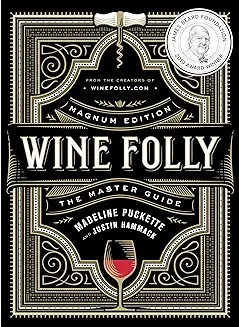
As you become more familiar with wine, challenge yourself to try different types. Keep notes on the wines you enjoy, and don’t be afraid to ask questions at wine tastings or wine shops. Resources like Wine Folly’s “The Master Guide” can be invaluable for learning about wine basics, regions, and varietals[1].

Trusting Your Taste

The most important aspect of selecting wine is your personal enjoyment. Trust your taste and preferences, and remember that the best wine for you is the one you enjoy drinking[1].

Conclusion

Selecting wine is a personal journey that involves exploring different flavors, aromas, and textures. By understanding the basics of wine varieties, proper glassware, tasting techniques, and food pairings, you can begin to navigate the wine world with confidence. Remember to trust your palate, be open to new experiences, and most importantly, enjoy the process of discovering the wines that speak to you. Cheers to your wine exploration!

Citations:
[1] https://winefolly.com/wine-basics-beginners-guide/
[2] https://ingoodtaste.com/blogs/wine-101/beginners-guide-to-wine
[3] https://www.wineenthusiast.com/culture/wine-for-beginners/
[4] https://www.hookandladderwinery.com/wine-blog/a-beginners-guide-to-choosing-the-right-red-wine-for-your-meal/
[5] https://wineinsiders.com/blogs/wine-101-wine-basics/how-to-pick-a-wine-for-beginners
[6] https://www.primermagazine.com/2022/learn/different-wine-types
[7] https://www.getbackbar.com/basic-wine-knowledge
[8] https://latahcreek.com/news/a-beginners-guide-to-the-basics-of-wine-and-food-pairing

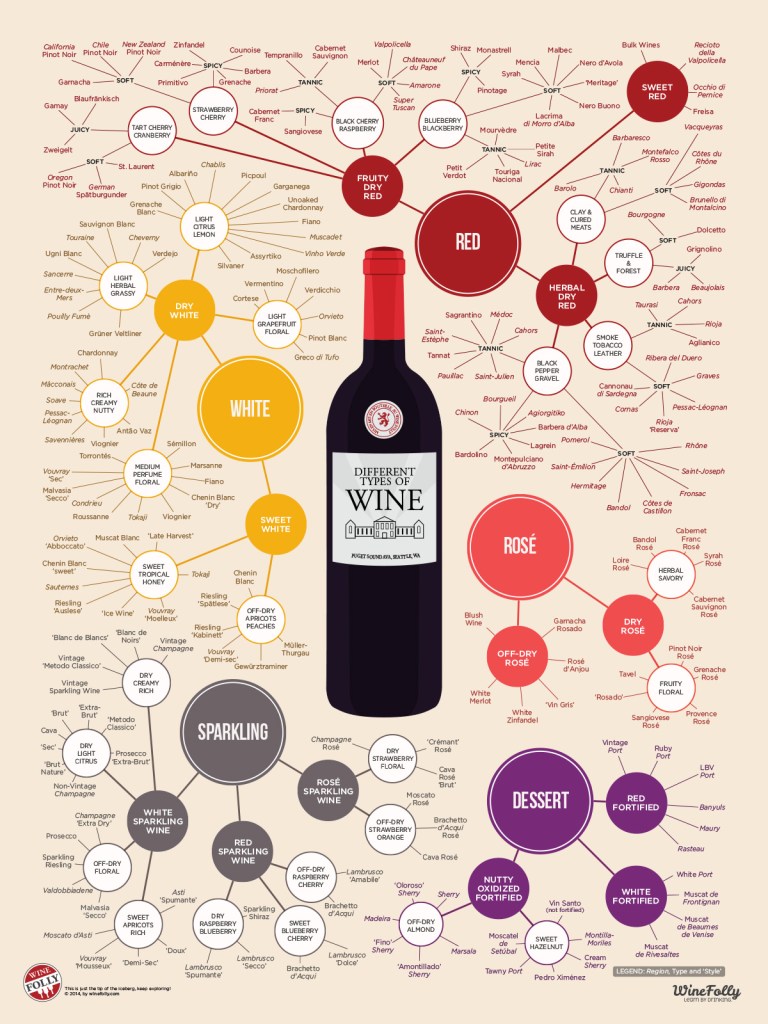
Different types of Wine and their Characteristics

Wine, an elixir of joy and culture, has been celebrated across the globe for centuries. Its diversity in taste, aroma, and character offers an endless journey of discovery for both novices and connoisseurs alike. Understanding the different types of wine and their characteristics is essential for anyone looking to deepen their appreciation of this fascinating beverage. This article aims to demystify the world of wine, providing a comprehensive guide to the main types of wine and their unique features.

Red Wine

Red wine is perhaps the most iconic of all wine types, known for its rich flavors and deep colors ranging from bright ruby to dense purple. The color and complexity of red wine come from the grape skins, which are left in contact with the juice during fermentation. This process also introduces tannins, compounds that add structure and the potential for aging, giving red wine its characteristic dryness and astringency.

Characteristics: Red wines are celebrated for their complexity and depth, with flavors that can include fruits, herbs, and spices. The presence of tannins provides a unique texture, often described as astringent or drying to the mouth.

Popular Varieties:

  • Cabernet Sauvignon: Known for its boldness and rich fruit flavors, often accompanied by hints of spice and oak.
  • Merlot: Softer and more approachable, with plush textures and flavors of ripe berries and plums.
  • Pinot Noir: Elegant and aromatic, with lighter tannins and flavors of red fruits and earthy undertones[1].

White Wine

White wine is made from white or green grapes, and sometimes from red grapes with minimal contact with the skins. These wines are generally lighter in both color and tannins compared to red wines, offering a wide range of flavors from crisp and refreshing to rich and creamy.

Characteristics: White wines can be dry or sweet and are often appreciated for their acidity, which adds brightness and freshness. They can exhibit flavors of citrus, orchard fruits, tropical fruits, and even floral or mineral notes.

Popular Varieties:

  • Chardonnay: Versatile and popular, ranging from lean and mineral-driven to rich and buttery, depending on the winemaking style.
  • Sauvignon Blanc: Crisp and aromatic, with pronounced acidity and flavors of green fruits, herbs, and sometimes tropical notes.
  • Riesling: Can be made in styles from bone-dry to lusciously sweet, always with high acidity and aromatic intensity[2].

Rosé Wine

Rosé stands out for its beautiful pink hues, which are achieved by allowing the juice to have brief contact with red grape skins. This type of wine combines some of the color and flavors of red wine with the crispness and freshness of white wine.

Characteristics: Rosé wines are known for their refreshing and fruity profile, with flavors that can range from strawberries and cherries to melon and citrus. They can be dry or slightly sweet and are perfect for warm weather sipping.

Popular Varieties:

  • Provence Rosé: Typically dry and delicate, with subtle flavors of red fruits, flowers, and minerals.
  • Sangiovese Rosé: Offers a bit more body and vibrant acidity, with notes of fresh red berries and hints of spice[3].

Sparkling Wine

Sparkling wine is celebrated for its effervescence, achieved through secondary fermentation that traps carbon dioxide bubbles in the wine. This category includes some of the most prestigious wines in the world and is synonymous with celebration and luxury.

Characteristics: Sparkling wines can range from very dry to sweet and exhibit a wide array of flavors, including citrus, apple, pear, and bready or yeasty notes from the fermentation process.

Popular Varieties:

  • Champagne: The most renowned sparkling wine, from the Champagne region of France, known for its complexity and elegance.
  • Prosecco: Italian sparkling wine that is generally lighter, fruitier, and more approachable than Champagne.
  • Cava: Spanish sparkling wine that offers great value, with flavors ranging from fresh and fruity to rich and toasty[4].

Dessert and Fortified Wine

Dessert and fortified wines are a diverse group, including both sweet wines meant to accompany or serve as dessert and wines fortified with spirits to increase their alcohol content and complexity.

Characteristics: These wines are known for their sweetness and rich flavors, which can include fruits, nuts, honey, and spices. Fortified wines also have higher alcohol content and can offer a wide range of flavors from dry to sweet.

Popular Varieties:

  • Port: A sweet, fortified wine from Portugal, with rich flavors of dark fruit, chocolate, and spices.
  • Sherry: From Spain, ranging from dry and nutty to sweet and rich.
  • Ice Wine: Made from grapes frozen on the vine, offering intense sweetness and concentrated flavors[5].

Wine appreciation is a journey of discovery, with each sip offering a glimpse into the culture, geography, and craftsmanship that go into every bottle. Whether you’re drawn to the robust complexity of a Cabernet Sauvignon, the crisp freshness of a Sauvignon Blanc, or the celebratory sparkle of Champagne, the world of wine holds endless possibilities for exploration and enjoyment.

Citations:
[1] https://www.wineenthusiast.com/basics/red-wine-basics/
[2] https://winefolly.com/deep-dive/beginners-white-wines-list/
[3] https://ingoodtaste.com/blogs/wine-101/rose-wine
[4] https://www.firstleaf.com/wine-school/article/what-is-sparkling-wine
[5] https://www.thrillist.com/drink/nation/red-wine-types-explained
[6] https://www.abcfws.com/about-whiteWine
[7] https://legrandcourtage.com/a-guide-to-rose-what-it-is-how-it-is-made-and-what-it-pairs-with/
[8] https://ramsgatewinery.com/blogs/rams-gate-winery-blog/a-guide-to-red-wines
[9] https://wineinsiders.com/blogs/wine-101-essential-wine-guides/a-comprehensive-guide-to-white-wine
[10] https://winefolly.com/deep-dive/what-is-rose-wine/
[11] https://www.virginwines.co.uk/hub/wine-guide/wine-basics/quick-guide-to-red-wine/
[12] https://www.goodpairdays.com/guides/wine-101/article/white-wine/
[13] https://www.realsimple.com/food-recipes/shopping-storing/beverages/what-is-rose-wine
[14] https://winefolly.com/tips/the-spectrum-of-boldness-in-red-wines-chart/
[15] https://winepigeon.com/white-wine/
[16] https://usualwines.com/blogs/knowledge-base/what-is-rose-wine
[17] https://themillkeeper.com/the-red-wine-descriptions-chart-explained-to-beginners/
[18] https://winefolly.com/tips/flavor-profiles-of-white-wines/
[19] https://wineinsiders.com/blogs/wine-101-essential-wine-guides/a-comprehensive-guide-to-rose-wine
[20] https://winefolly.com/deep-dive/red-wine-flavor-profiles/
[21] https://ingoodtaste.com/blogs/wine-101/white-wine
[22] https://www.wineenthusiast.com/basics/a-quick-guide-to-rose-wine/
[23] https://wineinsiders.com/blogs/wine-101-wine-basics/a-comprehensive-guide-to-red-wine
[24] https://www.marketviewliquor.com/blog/the-different-types-of-white-wine/
[25] https://www.marketviewliquor.com/blog/what-is-rose-wine/