As May settles across the Northern Hemisphere, the sky begins its gentle shift toward summer. The evenings warm, the air softens, and the constellations slowly rearrange themselves into their warm-season patterns. For families who love stepping outside together, May is one of the most rewarding months of the year — a month filled with bright planets, a meteor shower born from a legendary comet, and not one but two full moons. It’s a month that invites you to slow down, look up, and rediscover the quiet magic of the night sky.
The Flower Moon: A Bright Beginning to the Month
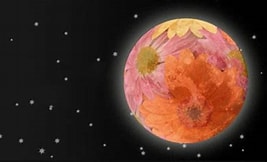
May opens with a luminous gift: the Flower Moon, rising on the very first night of the month. As the sun sets, the full moon lifts in the east, glowing with a warm, creamy light that seems to echo the blossoms covering the ground below. If you watch it rise from behind trees or rooftops, you may notice the moon looks unusually large — a trick of the mind known as the “moon illusion.” Children love this effect, and it’s a wonderful way to begin a month of skywatching.
Stan’s Tip: If you want to photograph the Flower Moon, try using your phone’s night mode or a simple clip-on zoom lens. Moonrise colors are often richer than the moon at its highest point.
As the days pass, the moon wanes toward new moon on May 16, bringing the darkest skies of the month. This is the perfect window for families to explore fainter objects — galaxies, star clusters, and the delicate constellations that often hide behind moonlight. Then, as May draws to a close, the sky surprises us with a second full moon on May 31. This “Blue Moon” bookends the month with a second burst of brightness, giving May a rare sense of symmetry.
Stan’s Recommendation: If you’re new to stargazing, a simple pair of 7×50 or 10×50 binoculars can transform your night. They’re lightweight, easy for kids to use, and perfect for scanning the moon’s craters. Many families enjoy starting with an affordable pair — you can find several beginner-friendly options on Amazon that offer excellent clarity without stretching the budget.
The Eta Aquariids: A Meteor Shower from Halley’s Comet
One of May’s most exciting events arrives before dawn on May 5 and 6: the Eta Aquariid meteor shower, created by dust left behind by Halley’s Comet. Although the comet itself won’t return until 2061, Earth passes through its debris trail every spring, and the result is a graceful display of fast, bright meteors.
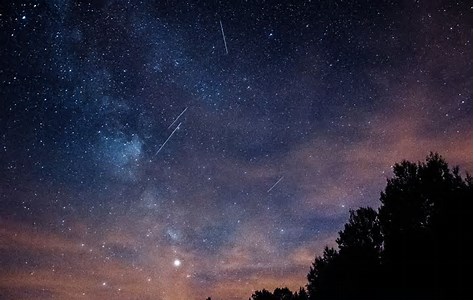
To watch the shower, step outside around 4 a.m. and face the eastern sky. The meteors appear to radiate from the constellation Aquarius, but they can streak across any part of the sky. What makes the Eta Aquariids special is their speed — they are swift, leaving glowing trails that linger for a heartbeat before fading.
Stan’s Tip: Lie flat on a blanket or reclining chair so you can see as much of the sky as possible. Meteors often appear in unexpected places, and kids love calling out each streak.
Stan’s Recommendation: A red-light flashlight is a great addition to any meteor-watching outing. Red light preserves night vision, making meteors easier to spot. Many inexpensive options are available online.
Planets on Display: Venus, Jupiter, Mars & Saturn
May offers a beautiful parade of planets, and even beginners can enjoy the show.
In the evening sky, Venus shines brilliantly in the west after sunset. It’s the first “star” to appear each night, glowing with a steady, unmistakable brilliance. If you’re introducing children to skywatching, Venus is the perfect starting point — easy to find, bright, and reliable.
Jupiter also climbs higher in the evening sky this month. Through binoculars, you may glimpse its four largest moons — tiny points of light lined up like beads on a string. These moons orbit Jupiter in just a few days, so their positions change nightly. It’s a wonderful way to show young skywatchers that the solar system is full of motion.
Stan’s Recommendation: A small beginner telescope — even a tabletop model — can reveal Jupiter’s moons and Saturn’s rings. Many families enjoy starting with a compact, budget-friendly reflector or refractor. Look for models described as “beginner telescopes” or “family telescopes” on Amazon; they’re often surprisingly capable.
In the morning sky, Mars and Saturn rise before dawn. Mars glows with a warm, ember-like light, while Saturn shines pale yellow. If you’re already awake for the meteor shower, take a moment to look for these two planets keeping watch over the early morning hours.
Constellations of Late Spring
As May unfolds, the constellations shift into their springtime positions. Leo the Lion stands high in the south, its bright star Regulus marking the lion’s heart. Leo’s “sickle” shape — a backward question mark — is one of the easiest patterns to recognize.

To the east lies Virgo, home to the bright star Spica. Virgo is a sprawling constellation, but Spica anchors it with a steady blue-white glow. If you follow the curve of the Big Dipper’s handle, you’ll “arc to Arcturus” in the constellation Boötes, and then “speed on to Spica.” This simple phrase has guided skywatchers for generations.
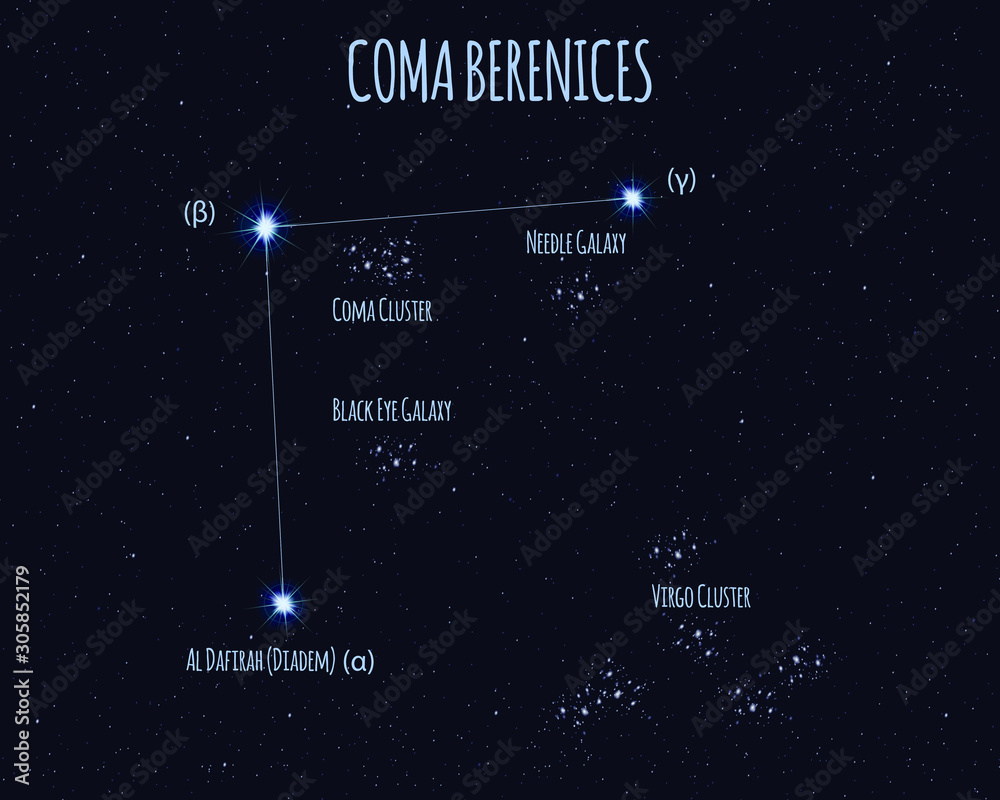
Above Virgo lies Coma Berenices, a delicate cluster of faint stars that shimmer like a handful of diamonds scattered across velvet. This region of the sky is rich with galaxies — dozens of them, far beyond the reach of the naked eye but visible through telescopes.
Stan’s Tip: If you’re having trouble spotting faint constellations, try shielding your eyes from nearby lights. Even turning your back to a streetlamp can make a big difference.
Deep-Sky Wonders of May
The dark skies around the new moon offer a chance to explore some of the deeper treasures of the night. One of the most rewarding binocular targets is the Beehive Cluster in the constellation Cancer. To the naked eye, it appears as a faint, misty patch, but through binoculars it blossoms into a swarm of tiny stars — a true “beehive” of light.
Another favorite is the Whirlpool Galaxy (M51), located near the end of the Big Dipper’s handle. Through a small telescope, it appears as a faint spiral, its arms curling gracefully around a bright core.

For binocular users, try finding M3, a globular cluster in the constellation Canes Venatici. It looks like a tiny ball of frost suspended in the sky, made up of hundreds of thousands of ancient stars packed tightly together.
Stan’s Recommendation: If you want to explore deep-sky objects more easily, consider a planisphere or a beginner star atlas. Many affordable versions are available online, and they make it much easier to navigate the sky with kids.
A Month That Opens the Sky
May is a month of transition — a bridge between the quiet skies of early spring and the brilliant Milky Way nights of summer. With two full moons, a meteor shower, wandering planets, and constellations shifting into their warm-season positions, the sky feels alive with possibility. Whether you’re watching meteors before dawn, tracing constellations after sunset, or exploring star clusters under the new moon, May offers countless opportunities to share the night sky with family and friends.
As the evenings grow warmer, take a moment to step outside, breathe in the soft air, and look up. The universe is waiting, and May is your invitation to explore it.
Clear Skies – Happy Hunting

