The Ultimate Backyard Summer Space Race: June 2026 Edition

Welcome back to “Stan’s Hobbies and Interests.” If you have been following our monthly night sky journals over the past five years, you know that June is the official gateway to the finest stargazing season of the year. The evening air is warm, the kids are out of school, and the cosmos is shifting gears.

This month, our ongoing 2026 Cosmic Scavenger Hunt takes on a dramatic complexion. As we pass the June Solstice, the brilliant “Spring Diamond” sinks into the west, and the spectacular, star-rich core of the Milky Way climbs into prime viewing position.

To ensure everyone in our growing “Family Empire” can participate, this month’s field guide is split into two distinct operational theaters: The Lunar Ascent for our newcomers, and The Deep-Space Relay for our veteran “Light Bucket” voyagers.

Grab your red flashlights, set up your lawn chairs, and let the June race begin!

1. The Rookie Tracker: The Lunar Ascent Scavenger Hunt

For those who are brand new to the hobby or looking to engage the grandkids with a pair of simple 10×50 binoculars, June 2026 is serving up a high-speed orbital game of catch. Your mission this month is to track the Moon as it acts as a celestial tour guide, pointing out targets you might otherwise miss.

Objective 1: The Ringed Rendezvous (June 5–6)

  • The Target: The Waning Gibbous Moon passing next to Saturn.
  • How to Find It: You will need to set an early alarm for this one, or catch it if you are a night owl. Look toward the east-southeast around 3:30 AM on the morning of June 6. The Moon will be hovering just a few degrees below a steady, pale-yellow light.
  • The Education: That steady light is Saturn. Through a small backyard telescope, you can cleanly resolve its ring plane. Explain to your young field agents that they are looking at an alien world situated over 800 million miles away, yet its icy rings are reflecting enough sunlight to be seen from a suburban Fort Thomas backyard.

Night-by-Night Chain Reaction: The June 17-19 Planetary Slingshot

This is where the “Space Race” gets exciting. Over three consecutive nights, you can watch the Moon physically sprint past our solar system’s inner rocky worlds.

Objective 2: The Red Planet Intersection (June 17)

  • The Target: The Waxing Crescent Moon meeting Mars.
  • How to Find It: Step outside just before dawn on June 17 and look low in the eastern sky. The thin, beautiful sliver of the crescent Moon will be positioned right next to a distinctly ruddy, orange-red point of light.
  • The Education: That red dot is Mars. Because Mars is covered in iron oxide (rust), it reflects a warm, copper tone. Contrast this color with the cool, blue-white stars elsewhere in the sky.

Objective 3: The King’s Alignment (June 19)

  • The Target: The Moon aligning with Jupiter.
  • How to Find It: Two mornings later, on June 19, return to your morning viewing post. The Moon has now traveled further along its orbital path and will hang gracefully just above Jupiter, the largest planet in our solar system.
  • The Education: If you hold your binoculars steady, you can spot Jupiter’s four largest Galilean moons stretched out in a neat, straight line. You are watching a miniature solar system in action!

2. The Veteran Voyager: The Deep-Space Core Relay

For our seasoned observers wielding an 8-inch Dobsonian “Light Bucket” or a classic Celestron 8, June is the month we leave our solar system behind. As the Earth rotates into the midnight hours, we look directly out of our atmospheric window and straight into the dense, gas-rich core of our galaxy.

Advanced Target 1: The Swan Nebula (M17)

  • How to Find It: Locate the constellation Sagittarius (famous for its “Teapot” asterism) low in the southern sky. Star-hop just north of the teapot’s spout into the constellation Scutum.
  • The View: Through a medium-to-large aperture telescope, M17 reveals itself as a bright, ghostly silhouette shaped remarkably like a swan swimming through a sea of stars. This is a massive stellar nursery—a chaotic cloud of hydrogen gas where brand-new suns are currently being compressed into existence.

The Chain Reaction Leap: From Birth to Intermediate Youth (M11)

  • Advanced Target 2: The Wild Duck Cluster (M11)
  • The Connection: Once you have observed the birthplace of stars at M17, sweep your telescope slightly northward to find M11.
  • The View: M11 is one of the most compact and star-rich open clusters known in the night sky, containing nearly 3,000 stars. Through your eyepiece, it looks like a tight, glittering v-shape of diamonds, resembling a flock of wild ducks in flight.
  • The Educational Tie-In: This introduces a profound lesson in cosmic aging. While the Swan Nebula (M17) represents stars in their absolute infancy, still shrouded in their birth clouds, the Wild Duck Cluster (M11) represents an older, mature family of sibling stars that have successfully blown away their parental gas clouds and are now traveling through the galaxy together.

3. The June 2026 Citizen Science Briefing: The Summer Triangle Survey

Whether you are a newcomer or a veteran, your June stargazing can directly contribute to international space research. This month, the Globe at Night project is officially tracking light pollution using the constellation Cygnus the Swan and its brilliant anchor star, Deneb.
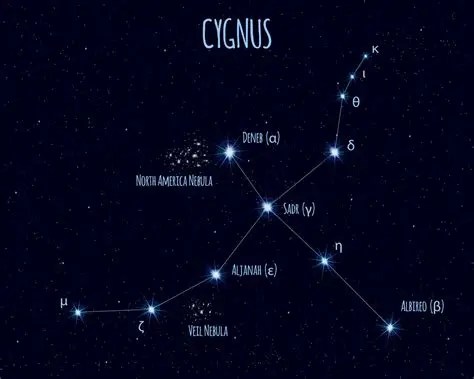
  1. Find the Target: Look East after midnight to find the massive Summer Triangle (formed by the bright stars Vega, Deneb, and Altair). Cygnus forms the central cross of this shape.
  2. Take the Measurement: Match the stars you can see with your naked eye to the magnitude charts provided in the Globe at Night app.
  3. Submit the Data: By logging your observation from your specific neighborhood, your family provides real-world data points that help NASA and global environmental scientists map the changing levels of light pollution across suburban areas in 2026.

4. Stan’s June Gear Recommendations

To check off every item on this month’s scavenger hunt, ensure your equipment locker is stocked with these affiliate-supported tools:

  • Apertura AD8 8″ Dobsonian Telescope: The absolute king of deep-space hunting. Its generous 8-inch mirror is vital for gathering the faint, ancient photons traveling from the Swan Nebula and the distant stars of the Wild Duck Cluster.
  • Celestron Omni 2x Barlow Lens: Essential for the June morning planetary parade. Inserting this lens doubles the focal length of your eyepieces, letting you get close-up, high-magnification views of Saturn’s ring structure and Jupiter’s cloud belts.
  • Celestron SkyMaps (Planisphere): The summer sky moves quickly. A durable, physical, glow-in-the-dark star wheel is the absolute best way to teach the grandkids how to track constellations from twilight to midnight without relying on a battery-draining phone screen.

SEO & Editorial Metadata

  • Primary Keywords: Summer Astronomy 2026, June Night Sky Guide, Track Saturn and Mars June, Backyard Telescope Scavenger Hunt, Deep Space Galaxy Clusters.
  • Local/GEO Standards: Formatted for general northern hemisphere/Midwest suburban viewing.
  • Affiliate Disclaimer: As an Amazon Associate, I earn a small commission from qualifying purchases made through our curated gear links. This helps keep our multi-generational “Family Empire” blog alive, modern, and ad-free!

Stan’s Final Thought for June

“Over the last five years of writing these monthly journals, I’ve watched grandkids grow up, older telescopes get restored, and new families discover the peace of a quiet backyard night. June is the heart of it all. When you stand out there on June 19 and watch the Moon align with Jupiter, you are looking at the same cosmic clockwork that has guided humanity for millennia. Take it slow, enjoy the warm air, and remember: the greatest show of the summer doesn’t cost a dime—it’s playing right above your roof.”

Clear skies and happy hunting!

How to Get Started in the Hobby of Astronomy: The Updated 2025 Guide.

Curiosity about the cosmos has never been higher, and with today’s wealth of resources, getting started in astronomy is easier and more rewarding than ever. Whether you dream of seeing the rings of Saturn, want to marvel at meteor showers with your family, or simply crave quiet nights under the stars, 2025 offers new tools, sky events, and community connections for beginner and advancing astronomers alike. Here’s your updated roadmap to exploring the universe from right where you are.


Why Astronomy?

Astronomy connects us across space and time. Watching the night sky fosters awe, science curiosity, and a sense of place in the cosmos. It’s also an easy, affordable hobby—no expensive gear required to begin—making it perfect for families, solo explorers, and lifelong learners.


1. Start With the Naked Eye

Astronomy is an outdoor nature hobby. The most important first step is simply to go outside at night and look up. Take in the Moon, note the brightest “stars” (some are planets!), and see if you can spot patterns or constellations as the ancients did.skyandtelescope+2

  • Learn the sky’s basics:
    • Identify a few bright stars (like Vega, Arcturus, or Sirius).
    • Trace constellation shapes: the Big Dipper, Orion, Cassiopeia, or the Summer Triangle are perfect starters.
  • Use a star wheel (planisphere) or printable star map to guide your exploration—these show you “what’s up” based on date and time.ras
  • Observe the sky regularly: Patterns change with the seasons, making the hobby fresh all year.planetary+1

2. Leverage Modern Technology: Apps and Online Resources

Smartphones and tablets have revolutionized astronomy. Point your device at the sky, and apps instantly tell you what you’re seeing—stars, planets, constellations, satellites, and more.highpointscientific+2

Top free/recommended apps for 2025:

  • Stellarium Mobile (Android free, iOS paid): A digital planetarium; see real-time sky maps.
  • SkyView Lite (iOS/Android): AR overlays highlight and name sky objects.
  • Star Walk 2 Free (iOS/Android): Beautiful, intuitive, and great for families.
  • Sky Map (Android): Simple, reliable, always free.

Tips:

  • Download your app of choice and allow camera/location access.
  • Use the built-in night mode (often red light) to preserve your night vision.
  • Try exploring ahead of time: many apps let you “time travel” to future (or past) sky events.

3. Upgrade Your Sky Experience With Binoculars

You don’t need a telescope to see more! Binoculars are a simple, budget-friendly next step that reveal lunar craters, Jupiter’s moons, and star clusters invisible to the naked eye.discoverspace+1

  • Ideal specs: 7×50 or 10×50 binoculars are a common recommendation—big enough to gather light, light enough to hold.ras+1
  • Bonus: Binoculars are great for daytime use as well (birds, landscapes)—and you might already have a set in the closet!

4. Join the Astronomy Community

Astronomy is a social hobby!

  • Find a local astronomy club: Most welcome beginners and host star parties, telescope “try-it” nights, and educational programs.reddit+1
  • Online forums and social groups (Cloudy Nights, Reddit’s r/Astronomy or r/Stargazing): Share your questions, photos, and discoveries; get advice before buying equipment.cloudynights
  • Attend virtual sky events: Many observatories stream sky tours or planetary alignments, with real-time Q&A.

5. Try a Telescope (When Ready!)

Ready to go deeper? Take your time before buying a telescope; starting with binoculars or observing with a club is often best.pathloom+2

For 2025, these beginner scopes earn high marks:

  • Celestron Inspire 100AZ (refractor): “Best beginner telescope for kids,” easy to use.space+3
  • Celestron NexStar 5SE (computerized): Tracks objects for you, great optics, top pick for families and serious beginners.nytimes+1
  • Sky-Watcher Heritage 100P Tabletop Dobsonian: Compact, portable, and praised for value.skyatnightmagazine+1

Pro tips:

  • Avoid low-quality “toy store” telescopes—they often disappoint.ras
  • Look for scopes with sturdy mounts, good finders, and included eyepieces.
  • Many scopes now feature smartphone app integration to help you find and track objects.pathloom+1

6. Keep Learning and Observing

  • Get a good starter book: “NightWatch” by Terence Dickinson or “Turn Left at Orion” are favorites.
  • Follow a sky calendar: Websites like Stellarium-Web, timeanddate.com, or astronomy magazines highlight each month’s best events.
  • Track your observations: Keep a simple logbook or photo journal—kids especially love charting their “discoveries.”

7. Best Practices for Enjoyable Stargazing

  • Dress warmly, bring snacks, and a comfortable chair.
  • Use red light only: Protect your (and your family’s) night vision.
  • Be patient: Some objects (distant galaxies, nebulae) can be faint even through good optics.
  • Adapt to your sky: Even in cities, planets, the Moon, and some bright stars/charts remain visible.planetary+1
  • Share the moment: Stargazing is more fun with others—invite friends, neighbors, or participate in community events.

8. Exciting 2025 Sky Events for Beginners

This year’s memorable highlights include:astronomy

  • Saturn’s rings edge-on (rare sight!).
  • Total lunar eclipse (visible in the Americas).
  • Mars at opposition (bright and easy to spot).
  • Meteor showers: Perseids (August), Geminids (December)—great with the naked eye or binoculars.

Summary Checklist: Getting Started in Astronomy, 2025 Edition

  • Step outside and look up often
  • Use a planisphere/star chart or a free sky app
  • Grab binoculars for a better view (7×50 or 10×50)
  • Join a club or online community
  • Try a telescope only after learning your way around the sky
  • Keep a log and have fun with family and friends
  • Follow a sky calendar for upcoming cosmic events

Resources and References

  1. Sky & Telescope – How to Start Right in Astronomyskyandtelescope
  2. The Planetary Society – Astronomy for Beginners Guideplanetary
  3. Royal Astronomical Society – Getting Started in Astronomyras
  4. BBC Sky at Night Magazine – Best Telescopes for Beginners 2025skyatnightmagazine
  5. Space.com – Best Beginner Telescopes 2025space+2
  6. Wirecutter (NYT) – Best Telescopes for Beginners 2025nytimes
  7. High Point Scientific – Top 25 Essential Tips for Beginner Astronomershighpointscientific
  8. Reddit Beginners’ Advice – Astronomy & Stargazingreddit+1
  9. Pathloom – Astronomy Gear Guidepathloom
  10. Stellarium Web, SkyView Lite, Star Walk 2 Free, Sky Map – Top Free Astronomy Apps for 2025

Enjoy your journey—every night sky is a new adventure. Clear skies in 2025 and beyond!

  1. https://skyandtelescope.org/astronomy-resources/stargazing-basics/how-to-start-right-in-astronomy/
  2. https://ras.ac.uk/education-and-careers/for-everyone/92-getting-started-in-astronomy
  3. https://milwaukeeastro.org/beginners/getting_started.asp
  4. https://www.planetary.org/night-sky/astronomy-for-beginners
  5. https://www.highpointscientific.com/astronomy-hub/post/astronomy-101/top-25-tips-for-beginner-astronomers
  6. https://www.reddit.com/r/Stargazing/comments/nzonu1/a_beginners_guide_to_stargazing/
  7. https://discoverspace.org/astronomy-equipment-dos-and-donts/
  8. https://www.reddit.com/r/Astronomy/comments/4xuin1/i_want_to_get_into_astronomy_as_a_hobby_but_dont/
  9. https://raleighastro.org/getting-started-in-astronomy/
  10. https://www.cloudynights.com/topic/957045-new-to-astronomy-advice/
  11. https://www.pathloom.com/post/beginners-astronomy-guide-basic-astronomy-gear
  12. https://www.space.com/15693-telescopes-beginners-telescope-reviews-buying-guide.html
  13. https://www.skyatnightmagazine.com/top-astronomy-kit/best-telescopes-beginners
  14. https://www.space.com/31229-best-beginner-telescopes.html
  15. https://www.livescience.com/best-telescopes
  16. https://www.nytimes.com/wirecutter/reviews/best-telescopes-for-beginners/
  17. https://www.reddit.com/r/telescopes/comments/1j0hv3f/is_it_just_me_or_is_this_a_terrible_list_of_2025/
  18. https://www.astronomy.com/observing/sky-guide-2025/
  19. https://www.instructables.com/How-to-Get-Started-in-Amateur-Astronomy/
  20. https://skyandtelescope.org/astronomy-resources/stargazing-basics/