Beginner Parent’s Guide: Finding a First Train Set Your Child Will Love for Years


Starting a model railroad with your child is fun, memorable, and educational. But with dozens of starter train sets—from classic brands to value bundles—choosing one can feel daunting. This guide breaks down the major options available on Amazon in 2025, with a focus on beginner-friendly features, expandability, and true family enjoyment.


What Sets Make Good Starters?

A quality starter set should have:

  • Reliable locomotive and cars with smooth operation
  • Solid, easy-to-assemble track for creative layouts
  • Expandable components to grow with your child or family’s interest
  • Durability (can withstand play by young hands)
  • Value (includes everything to get started at a fair price)

Let’s evaluate the most popular brands and kits, comparing pros, cons, and future possibilities. Read more


1. Bachmann HO Scale Starter Sets

Bachmann

Overview

Bachmann Trains are among Amazon’s best-sellers for beginners, particularly sets like the Santa Fe Flyer, Rail Chief, The Stallion, and Durango & Silverton. They’re electric, HO scale (medium size), and include an oval of EZ Track, a locomotive, cars, and a power pack. Read more

Pros

  • Affordable, all-in-one packages—open, assemble, and run immediately
  • EZ Track system snaps together easily and is highly expandable, with widely available extra pieces
  • Durable plastic construction (for careful play)
  • HO scale is large enough for little hands yet compact for most homes
  • Great variety in themes (steam, freight, passenger)
  • Compatible with other Bachmann or standard HO products for future expansion

Cons

  • Some quality concerns: Entry-level locomotives and cars can run less smoothly than premium brands; couplers and wheels may need upgrading for advanced play
  • Track provided makes only a simple loop or oval, which can get boring unless expanded
  • The power pack is basic and may limit future features (like multi-train control)
  • Can require regular cleaning for optimal function
  • Not as robust as higher-priced sets for heavy, unsupervised play

Expandability

Yes! Bachmann’s track and rolling stock are nearly universal in HO, allowing easy upgrades. Add track, switches, buildings, or more detailed cars as your child’s interest grows. Read More


2. Lionel Ready-to-Play and Electric Sets

Lionel Trains

Overview

Lionel offers “Ready-to-Play” battery sets (great for young children) and traditional electric O-gauge sets (for bigger layouts and realistic operation).

Pros

  • Large, chunky trains great for small hands (especially battery sets)
  • Battery sets are safe and easy to set up (no wiring or electricity)
  • Electric O-gauge sets offer realism, sound, and plenty of accessories
  • Durable and made to last through rougher play
  • Wide character themes (Disney, Polar Express, Christmas, etc.)
  • O-gauge electric sets are highly expandable with Lionel track and accessories

Cons

  • Ready-to-Play battery sets are not compatible with Lionel’s O-gauge track or trains (expanding them is tricky)
  • O-gauge electric sets are more expensive and take up more space
  • Battery sets may lack speed control and sound realism

Expandability

Electric O-gauge sets: yes—huge expandability. Battery sets: not really—these are more stand-alone toys. Read more


3. Kato N Scale Starter Sets

Kato Trains

Overview

Kato N Scale (smaller than HO) starter kits are praised for quality and modular “unitrack.” Their sets often feature Japanese or modern North American trains.

Pros

  • Excellent quality locomotives and reliable, smooth track
  • Compact layouts: N scale takes less space, ideal for homes with limited room
  • Track is modular and expands easily; Kato “Unitrack” is highly regarded
  • Great for slightly older children (ages 8+) or parent-child projects
  • Durable and precisely made

Cons

  • N scale trains are smaller and can be more delicate for younger kids (age 6 and up with supervision is ideal)
  • Sets can be pricier than typical retail starter packs
  • Beginning rolling stock selection on Amazon may be limited; hobby shops have more

Expandability

Absolutely—Kato Unitrack, additional trains, custom scenery, and digital upgrades available as your layout grows. Read more


4. LGB G Scale Construction Site Starter Set

LGB G scale Trains

Overview

This G-scale (largest common size) set is big, sturdy, and perfect for indoor or outdoor floor play—appropriate for ages 5 and up.

Pros

  • Very large, durable trains (perfect for playrooms, yards, or classrooms)
  • Set includes locomotive, cars, circle of track, and a robust power supply
  • Fully electric—no batteries required!
  • Very expandable with extra track, cars, figures, and scenery, all durable enough for young children
  • Great visual impact and accessible to kids of all agesyoutube​

Cons

  • Takes up more space, so needs a large area for setup
  • G scale accessories and track expansions are more expensive
  • Fewer fine-scale details (made for fun, not museum display)
  • Not as portable for taking to grandma’s house or between rooms

Expandability

Endless—G scale is made for growth but be aware of the cost of brass track and accessories. youtube​


5. Budget & No-Brand Amazon Sets

Starter Train sets

Overview

Cheap, often unbranded sets populate Amazon. They may look appealing for their price and big box contents but proceed with caution. youtube​

Pros

  • Very affordable initial price tag
  • Contain a lot of track, switches, and sometimes extra train cars
  • Often fun for short-term play, especially for small kids

Cons

  • Track and trains often have poor fit, weak construction, and electric contacts that fail quickly
  • Expanding the set is usually impossible due to “off-brand” connections
  • Replacement parts are hard or impossible to find
  • Not investments for years of play

Expandability

Generally, not expandable or compatible with other brands. Good for a fun “trial run” before investing in a higher quality set. youtube​


Quick Comparison Table

Set TypeExpandableDurabilityTrack QualityFor Ages
Bachmann HOYesGoodGood6+ supervised
Lionel Electric (O)YesExcellentExcellent6+
Lionel BatteryNoVery GoodGood3–7
Kato N ScaleYesExcellentOutstanding8+
LGB G ScaleYesExcellentExcellent5+
No-Brand Cheap SetsRarelyWeakPoor4+ short-term

Final Tips for Parents

  • Go Expandable: Sets from Bachmann, Kato, Lionel (electric), or LGB give your family years of imagination and growth.
  • Start Small, Plan Ahead: Even a basic loop is a foundation; expansion is part of the fun as your child’s skills and interests grow.
  • Supervise Young Children: Always keep an eye on kids under age 8, especially with small parts in HO and N scale sets.
  • Connect & Learn: Model railroading offers lessons in history, engineering, patience, and creativity—enjoy the journey together!

By choosing the right set from Amazon, you can ensure your first trips down the rails are fun, frustration-free, and just the start of a lifelong hobby full of memories and learning. Read more​youtube+1​

  1. https://www.reddit.com/r/modeltrains/comments/1ja1q8t/are_the_bachmann_starter_sets_good_for_a_first/
  2. https://www.armballast.com/best-starter-set-for-model-railroading/
  3. https://www.parents.com/best-train-sets-for-kids-8606278
  4. https://www.trainworld.com/which-train-set-is-right-for-me
  5. https://www.youtube.com/watch?v=YudIAQcaes8
  6. https://www.youtube.com/watch?v=nKIUEJkvCDA
  7. https://www.youtube.com/watch?v=d4-vf36BjVU
  8. https://www.tgauge.com/section/20/1/starter-sets
  9. https://www.reddit.com/r/lioneltrains/comments/16tzv46/good_train_sets_under_150_for_christmas_use_or_is/
  10. https://www.youtube.com/watch?v=J11J3hG0vUk

The August 2025 Night Sky: A Month of Wonders for Every Astronomer

August 2025 is a month made for stargazers, families, and fans of the cosmos. From the dazzling Perseid meteor shower and stunning planetary alignments to star-filled constellations and deep-sky treasures, the heavens are set to entertain both newcomers and dedicated astronomers. Whether you’re lying on a blanket with your kids, introducing friends to their first meteor, or searching the galaxy’s heart with your telescope, August’s night sky will not disappoint. Here is your comprehensive, family-friendly guide to the celestial spectacles of this unforgettable month.

Table of Contents

  1. August Nights: Why This Month Is Special
  2. The Perseid Meteor Shower – The Ultimate Showstopper
  3. A Parade of Planets: Jupiter, Saturn, Venus, and Mars
  4. Constellations and Cosmic Patterns
  5. Deep-Sky Wonders: Nebulae, Clusters, and the Milky Way
  6. Unique Celestial Events in August 2025
  7. Tips for Beginners and Advanced Stargazers
  8. Family-Friendly Astronomy Activities
  9. Safety, Comfort, and Fun: Making Your Skywatch Special
  10. References & Further Reading

1. August Nights: Why This Month Is Special

Once the Sun sets in August, the balmy warmth and short nights of earlier summer begin to ease, making late-night and early-morning stargazing much more comfortable. Skies are often clearer, humidity drops, and the heart of our Milky Way climbs high overhead. For beginners, it’s the best time to see the brightest meteors, planets, and constellations. For seasoned astronomers, minimal moonlight during key nights creates ideal conditions for deep-sky discoveries and long-exposure photography.

2. The Perseid Meteor Shower – The Ultimate Showstopper

Dates to Watch: August 11–13, 2025
Peak Activity: Predawn hours, August 12th and 13th

The Perseids are the highlight of August’s sky, and 2025 is a banner year. With only a slim crescent Moon, the night will be perfectly dark for watching these “shooting stars.”

What are the Perseids?
They’re fragments of comet Swift-Tuttle, which Earth plows through every August. As these tiny pieces hit Earth’s atmosphere at 37 miles per second, they glow and streak across the sky in dramatic bursts.

How many will I see?
Under dark, rural skies, you may spot 50 or more meteors per hour at peak, with occasional “fireballs” and persistent glowing trains.

When and Where to Look:

  • Best Time: From 10 p.m. local time to dawn, with action ramping up after midnight.
  • Best Direction: The meteors appear to radiate from the constellation Perseus (northeast sky), but you can see them anywhere overhead—so recline, face northeast, and enjoy a 180-degree view.

Family Fun Tip:
Make a game of counting meteors, recording the brightest, or making a wish for each shooting star. Bring sleeping bags and enjoy a midnight picnic!

3. A Parade of Planets: Jupiter, Saturn, Venus, and Mars

Jupiter – King of the Night

  • When: Rises after sunset in the eastern sky; visible all night long.
  • Where: In Taurus, not far from the bright star Aldebaran.
  • How to See: Easy with the naked eye. Binoculars reveal up to four of Jupiter’s moons; a small telescope shows cloud bands and the famous Great Red Spot.

Saturn at Its Best – The Ringed Giant

  • Opposition Date: August 16, 2025 (closest to Earth, brightest, and largest)
  • Where: Southeast after dark, rising earlier each evening in Aquarius.
  • How to See: To the unaided eye, Saturn looks like a bright golden “star.” Through a telescope, its rings are stunning—this is the planet’s best showing all year!

Fun Fact: Saturn’s rings are nearly at maximum tilt, making them especially easy to see even with modest telescopes.

Venus – Morning Star Magic

  • When: Shining before dawn in the east (best the first two weeks of August).
  • How to See: Brilliant and impossible to miss, Venus is one of the brightest objects in the sky.

Mars – Distant Red Gem

  • When: Low in the eastern sky right before sunrise.
  • How to See: Reddish and faint, Mars hides among morning stars, best seen with the help of astronomy apps.

4. Constellations and Cosmic Patterns

The Summer Triangle

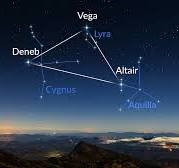
The asterism of Vega, Deneb, and Altair forms a triangle overhead. Each vertex leads to a different constellation—Lyra, Cygnus, and Aquila—rich with fascinating double stars and star clusters.

Scorpius & Sagittarius: The Milky Way’s Heart

Look to the south after dark for Scorpius’s curved tail and red Antares; to its left is Sagittarius, whose “Teapot” asterism pours “steam” right into the brightest stretch of the Milky Way—perfect for binoculars or telescope scanning.

Cygnus, the Swan

Also known as the Northern Cross, Cygnus soars through the thickest part of the Milky Way, offering beautiful sights like the double star Albireo (golden and blue) and the North America Nebula.

Perseus & Cassiopeia

Rising in the northeast after midnight, these constellations contain the Perseid meteor radiant and the sparkling Double Cluster.

5. Deep-Sky Wonders: Nebulae, Clusters, and the Milky Way

August is glorious for exploring deep-sky objects. Here are a few family favorites:

  • Lagoon Nebula (M8, Sagittarius): A glowing cloud teeming with newborn stars. Visible in binoculars as a misty patch; telescopes reveal greater detail.
  • Hercules Cluster (M13): A vast ball of hundreds of thousands of stars—easily found in binoculars between Vega and Arcturus.
  • The Double Cluster: In Perseus, two clusters packed with hundreds of stars, giving a 3D effect in binoculars.

6. Unique Celestial Events in August 2025

DateEventHow and When to See
August 4New MoonPerfectly dark skies for deep-sky observing
August 11–13Perseid Meteor Shower PeakAfter midnight, northeast sky
August 16Saturn at OppositionAll night, southeast sky, telescopic viewing
August 19First Quarter MoonMoon high at sunset, great for beginners
August 25–27Moon passes near JupiterEast, after sunset, perfect for a twin-view
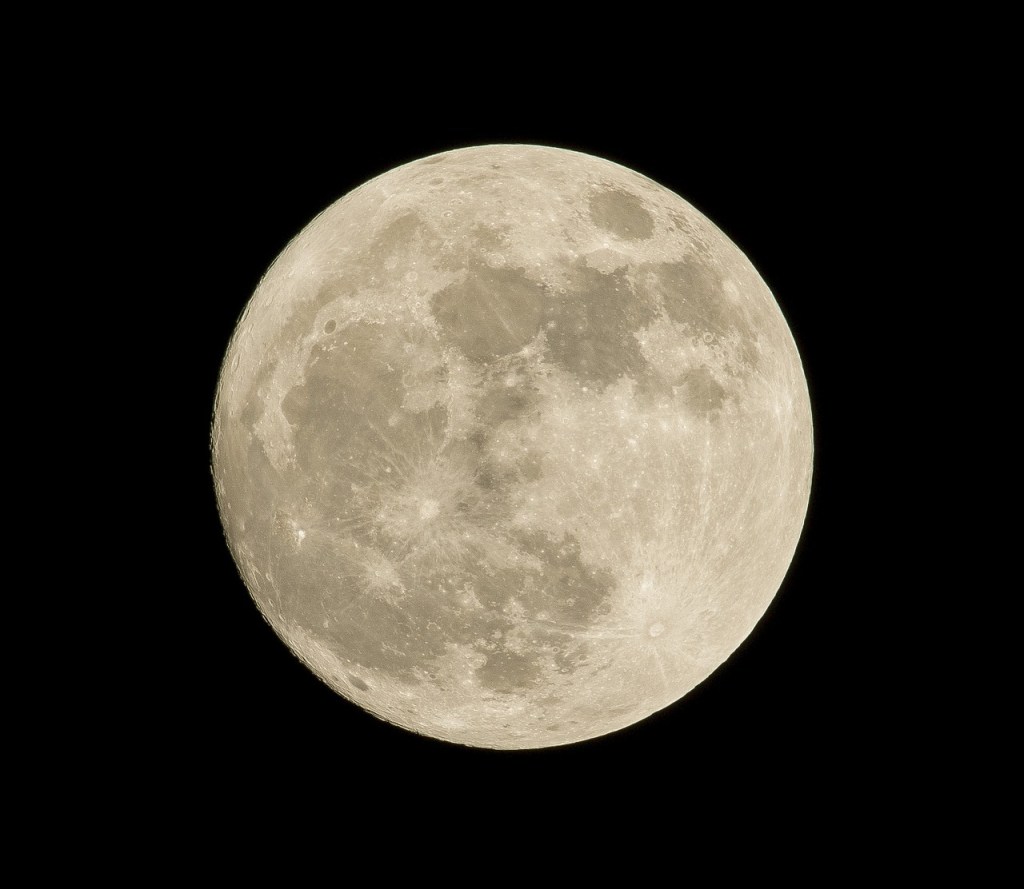
August 28Full Sturgeon MoonRises at sunset, large and golden

7. Tips for Beginners and Advanced Stargazers

  • Start Simple: Use your eyes for meteors and bright planets; try binoculars for star clusters.
  • Set the Mood: Turn off all lights, let your eyes adapt for 20 minutes, and lie back for comfort.
  • Use Technology: Free apps (like Star Walk, Stellarium, SkySafari) help you find constellations and planets in real time.
  • Telescope Challenges: Advanced users, try hunting for faint planetary nebulae, supernova remnants (like the Veil Nebula in Cygnus), or the subtle colors of Albireo.
  • Keep a Logbook: Record what you see—drawing, writing, or snapping smartphone pictures.

8. Family-Friendly Astronomy Activities

  • Meteor Shower Party: Bring snacks and sleeping bags, and make it a summer tradition!
  • Planet Hunt: See who in the family can find the most planets with unaided eyes or binoculars.
  • Moon Phases Diary: Sketch or photograph the changing face of the Moon each night.
  • Shadow Play: Use the bright August full moon to make moonshadows on the grass—kids love it!

9. Safety, Comfort, and Fun: Making Your Skywatch Special

  • Dress Smart: Even in August, nights get cool—bring layers and bug spray.
  • Pick the Right Spot: The farther you are from bright city lights, the more you’ll see. National Parks and rural areas are ideal.
  • Red Flashlights: Preserve your night vision with red LED flashlights.
  • Respect Nature: Leave no trash, stay on paths, and be mindful of wildlife.

10. References & Further Reading

  1. American Meteor Society – Perseid Meteor Shower 2025 Guide
  2. Sky & Telescope – August 2025 Night Sky Events
  3. NASA Night Sky Network – Planets and Meteor Showers in August 2025
  4. Star Walk – August Astronomy Calendar & Event Details
  5. Royal Astronomical Society – Family Stargazing Resources
  6. Time and Date – Planetary Events and Moon Phases August 2025
  7. EarthSky – Exploring Summer Constellations
  8. Astronomy Magazine – Deep Sky Objects for August
  9. Stellarium Web Online Star Map – Free, Interactive Star Charts

Footnotes:

  • Meteor shower rates indicate maximums for dark, moonless, rural skies; suburban/city locations will see fewer meteors.
  • Planet rise/set times vary by your geography—consult a sky app for exact timing at your location.
  • Telescope recommendations assume a common entry-level or family telescope (60–90mm aperture).

In Summary: August’s Sky—A Nightly Invitation

August 2025’s night sky promises awe and discovery for every age and skill. Whether you’re spotting your first Perseid, showing a child the rings of Saturn, or photographing clusters deep in the Milky Way, the universe is open for exploration. So grab your family, friends, or simply your own sense of curiosity—and take your place under a sky sparkling with stories millions of years in the making. Clear skies and happy stargazing!

For more detailed charts, timeline planning, and expert tips, visit the American Meteor Society, NASA Night Sky Network, or your local planetarium’s monthly guide.

Why July 2025 Is a Stellar Month for Astronomy

July 2025 is shaping up to be a truly stellar month for astronomy, offering a rich tapestry of celestial events that will captivate both casual skywatchers and experienced astronomers. Here’s why this month stands out and what makes it so special for anyone looking up at the night sky:

1. Mercury at Greatest Elongation – Best Time to Spot the Elusive Planet

On July 4, Mercury reaches its greatest western elongation, appearing at its farthest distance from the Sun in the morning sky. This is the best time of the year to observe Mercury, as it will be higher above the horizon and easier to find just before sunrise. For many observers, Mercury is a challenging target, so this event is a rare opportunity to add it to your planetary checklist12.

2. Venus and Uranus Pair Up in the Dawn

Also on July 4, Venus—the brilliant “morning star”—makes a close approach to Uranus. While Venus is easily visible to the naked eye, Uranus will require binoculars or a small telescope. The two planets will appear just a couple of degrees apart in the constellation Taurus, providing a striking sight for early risers and a great chance to spot distant Uranus13.

3. Full Buck Moon and Penumbral Eclipse

The Full Moon on July 10, known as the Buck Moon, will be fully illuminated and located in the constellation Sagittarius. This full moon is named for the time when male deer start to grow new antlers. In some regions, a subtle penumbral lunar eclipse may also be visible, with the Moon passing through the outer part of Earth’s shadow. While not as dramatic as a total eclipse, it’s still a noteworthy event for lunar enthusiasts124.

4. Saturn’s Grand Entrance

Saturn becomes a showstopper in July, rising earlier each night and dominating the late evening and pre-dawn skies. By mid-month, the ringed planet is easily visible in Pisces, and on July 16, the Moon will appear close to Saturn, creating a beautiful pairing that’s easily seen with the naked eye or binoculars. Saturn’s rings are tilted for optimal viewing, making this a great time for telescopic observations134.

5. Mars and Mercury After Sunset

After sunset, both Mars and Mercury are visible in the western sky. Mars, with its reddish hue, is easy to spot, while Mercury’s position is best in the first week of July. These planetary pairings offer excellent opportunities for comparison and planetary photography34.

6. Delta Aquariid Meteor Shower – A Summer Classic

Late July brings the Delta Aquariid meteor shower, peaking around July 28–31. This shower is known for its steady stream of meteors, with up to 20 meteors per hour under ideal dark-sky conditions. The Moon will be only slightly illuminated, so its light won’t interfere much, making this one of the best meteor showers of the year for southern and mid-latitude observers. Watch after midnight for the best display, and keep an eye out for meteors with persistent glowing trails562.

7. Prime Time for Deep-Sky Observing

With the New Moon on July 24, the skies will be at their darkest, providing perfect conditions for observing faint galaxies, nebulae, and star clusters. July’s warm nights and minimal moonlight make it a favorite month for deep-sky exploration, whether with binoculars or a telescope24.

8. The Summer Milky Way and Classic Constellations

July is the heart of Milky Way season. As darkness falls, the bright band of our galaxy stretches across the sky, especially prominent in rural locations. Constellations like Scorpius and Sagittarius mark the Milky Way’s core, while the Summer Triangle (Vega, Deneb, Altair) climbs high overhead. These star patterns are easy to spot and serve as gateways to countless deep-sky wonders4.

9. Opportunities for All Ages and Skill Levels

Whether you’re a beginner using just your eyes or an advanced astronomer with a telescope, July 2025 offers something for everyone:

  • Beginners can enjoy bright planets, the full Moon, and the Milky Way.
  • Families can host meteor-watching parties or try spotting Mercury at dawn.
  • Advanced observers can chase faint galaxies and nebulae during the new moon window.

10. Easy Planning with Modern Tools

Apps like Sky Tonight and interactive sky maps make it simple to locate planets, stars, and meteor showers in real time, ensuring you don’t miss any celestial highlights1.

Summary Table: July 2025 Night Sky Highlights

DateEventViewing Tip
July 4Mercury at greatest elongation (west)Best dawn view of Mercury
July 4Venus near UranusBinoculars for Uranus
July 10Full Buck Moon & penumbral eclipseLook southeast at moonrise
July 16Moon near SaturnNaked eye or binoculars
July 24New MoonBest for deep-sky objects
July 28–31Delta Aquariid meteor shower peakAfter midnight, dark location

References & Further Reading

  1. Star Walk – Astronomy Calendar 2025
  2. When the Curves Line Up – July 7, 2025: A Celestial Showcase
  3. EarthSky – Meteor Shower Guide 2025
  4. Planetary Society – Calendar of Space Events 2025
  5. Sea and Sky – Astronomy Calendar 2025
  6. Almanac.com – Night Sky for July 2025

In short: July 2025 is packed with planetary encounters, a bright full Moon, a top-tier meteor shower, and some of the best deep-sky viewing of the year. Whether you’re a first-time stargazer or a seasoned astronomer, this month’s night sky is not to be missed!

  1. https://starwalk.space/en/news/astronomy-calendar-2025
  2. http://www.seasky.org/astronomy/astronomy-calendar-2025.html
  3. https://whenthecurveslineup.com/2025/06/22/2025-july-7-a-celestial-showcase-planets-and-the-moon-light-up-the-sky/
  4. https://www.almanac.com/night-sky-july
  5. https://earthsky.org/astronomy-essentials/earthskys-meteor-shower-guide/
  6. https://www.planetary.org/articles/calendar-of-space-events-2025
  7. https://www.rmg.co.uk/stories/space-astronomy/space-astronomy-highlights-2025
  8. https://www.spacecentre.co.uk/news/space-now-blog/stargazing-challenges-july-2025/
  9. https://timesofindia.indiatimes.com/science/best-stargazing-events-of-summer-2025-full-moons-meteor-showers-and-eclipses-you-cant-miss/articleshow/121263047.cms
  10. https://www.reddit.com/r/UKWitches/comments/1ht02q9/astrological_events_2025/
  11. https://in-the-sky.org/newscal.php?year=2025&month=7
  12. https://tpwd.texas.gov/calendar/bonham/copy_of_night-sky-2/2025-07-25
  13. https://repeatreplay.com/july-2024-astrological-events/
  14. https://www.bankbazaar.com/indian-holiday/july-holidays.html
  15. https://www.space.com/stargazing/international-dark-sky-week-2025-see-these-10-night-sky-sights-to-celebrate
  16. https://matadornetwork.com/read/night-sky-events/
  17. https://shop.australiangeographic.com.au/products/astronomy-2025-australia-your-guide-to-the-night-sky