After the last article I had some comments about the neglect to mention electric power along with steam and diesel. I used creative license and developed a discussion between Mark Twain and John Grisham, my favorite authors from the periods to have a lively discussion about motive power.
I can attempt to emulate the writing styles of Mark Twain and John Grisham (both authors from different eras Mark Twain wrote Huckleberry Finn, John Grisham wrote The Firm, The Pelican Brief and more) in the form of a debate on the topic of modeling steam or diesel locomotives. Both favorite authors.
Mark Twain: Well, here we are, gathered in the realm of model railroading, debating the merits of steam versus diesel locomotives. A delightful topic indeed! Let me begin by extolling the virtues of steam. Its hissing, chugging symphony carries us back to a bygone era, where the romance of train travel enthralled our imaginations.

Steam locomotives embody the very essence of nostalgia and provide a tangible link to our shared history.
John Grisham: Ah, Mark, while I appreciate your fondness for steam, allow me to advocate for the practicality of diesel locomotives. Picture this: sleek, efficient engines gliding effortlessly along the tracks, with the power to transport us to the modern era. Diesel locomotives symbolize progress, representing the advancement and innovation that have shaped the contemporary world we live in.
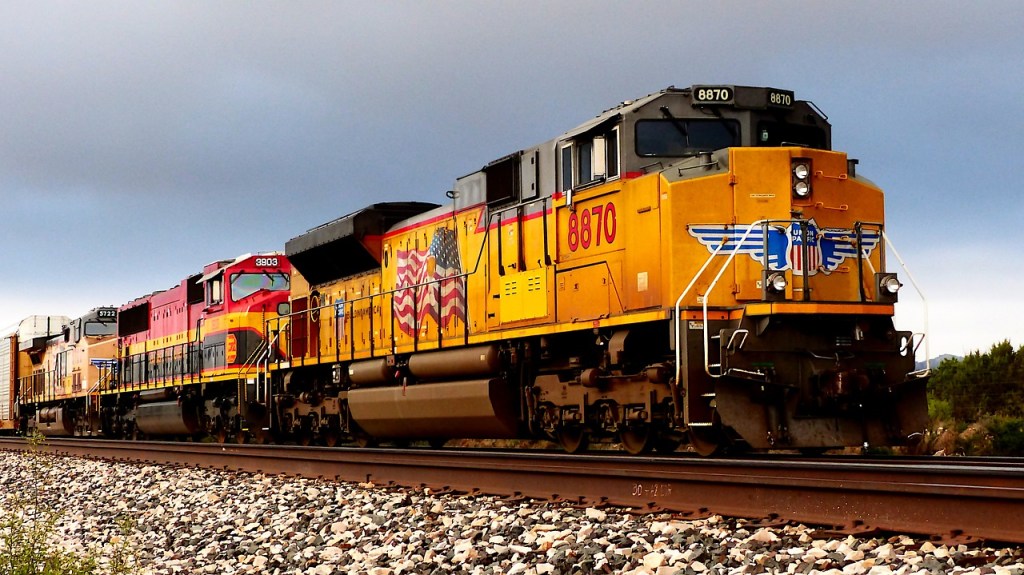
Their reliability and ease of maintenance make them a sensible choice for any model railroad enthusiast.
Mark Twain: John, I must concede that diesel locomotives have their merits. Their streamlined design and efficient performance do hold an undeniable allure. However, we must not dismiss the historical significance and visual grandeur of steam. The plumes of smoke and rhythmic chugging stir the soul and evoke a sense of adventure.

There’s a reason steam locomotives have captured the hearts of enthusiasts for generations.
John Grisham: Mark, I cannot dispute the emotional connection one may feel with steam locomotives. They do possess a certain charm. However, we must also consider the practical aspects of modeling. Diesel locomotives offer a wide range of models, allowing enthusiasts to explore various eras and railroad lines. They are more accessible, both in terms of maintenance and availability of models and accessories. For those seeking a modern touch, diesel power is the way to go.
Mark Twain: John, I understand your point. The modeling world is indeed fortunate to have a diverse array of diesel locomotives to choose from. But let us not forget that blending the two worlds can create a harmonious fusion. By incorporating both steam and diesel locomotives into our layouts, we can capture the best of both eras, paying homage to the rich history while embracing the dynamic present.
John Grisham: Mark, I must admit your proposition has merit. The juxtaposition of steam and diesel can add layers of intrigue and versatility to our layouts. It allows us to explore different time periods and create a narrative that spans generations. Perhaps a compromise is in order, blending the classic with the contemporary to create a truly captivating model train experience.
Mark Twain: Well said, John. By combining our passions for both steam and diesel locomotives, we can embark on a remarkable journey through time, where the echoes of history mingle with the pulse of progress. Let us celebrate the diversity and possibilities that model railroading offers, irrespective of our chosen power source.

In this lively debate between Mark Twain and John Grisham, we witness the clash of perspectives on the steam versus diesel locomotive dilemma. While Mark Twain champions the nostalgia and historical significance of steam, John Grisham emphasizes the practicality and modern appeal of diesel. Ultimately, they find common ground in the idea of blending the two, allowing for a harmonious coexistence on the model railroad.


 Stan's Hobbies and Interests