Stargazing Wonders of November 2025: A Family Guide to Planets, Constellations, and Celestial Magic

November 2025 is a holiday gift for skywatchers, offering planetary displays, dazzling meteor showers, a record-bright supermoon, and a host of famous constellations and stars. Whether you’re spending quiet moments in your backyard with family or gathering fellow enthusiasts in a local astronomy club, the month promises magic for stargazers of all ages and experience levels.


Planets on Parade
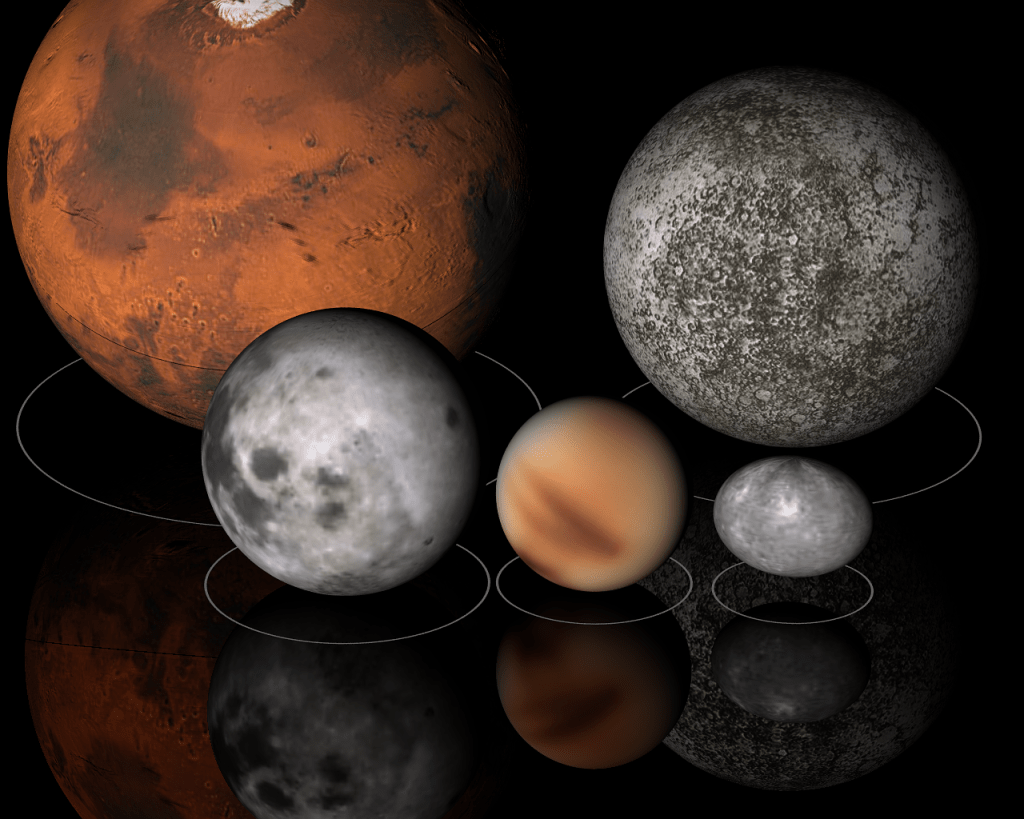
November is one of the richest months for planet watching in 2025. On clear nights, nearly every naked-eye planet makes a memorable appearance:

  • Mercury: The elusive innermost planet appears just above the southeastern horizon at dawn near the end of the month (November 28–30). Its fleeting glow is best caught about 30 minutes before sunrise, challenging even for seasoned observers but a thrill for patient families. farmersalmanac+1
  • Venus: Brilliant Venus shines low in the morning twilight the first three weeks of November before disappearing from view—look for it before sunrise in the east and southeast. astroshop+4
  • Saturn: The ringed planet graces the southwest after sunset all month. On November 1–2, Saturn pairs closely with the waxing gibbous Moon—don’t miss the pairing with binoculars or a telescope. adlerplanetarium+3
  • Jupiter: Jupiter rises in the east after 9 PM and dominates the late-night sky. Its moons and cloud bands are visible in even small telescopes, offering an inviting family observing project. skyatnightmagazine+2
  • Uranus: On November 21, Uranus reaches opposition and shines all night in Aries. Usually invisible to the naked eye, it’s within reach of binoculars or a modest telescope—a blue-green gem for those ready to find new worlds. timeanddate+3
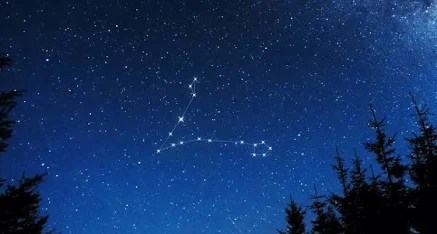
  • Neptune: Faint Neptune lurks in Pisces, crossing the southern sky late at night. Binoculars or a telescope are needed, but locating this distant planet can be a rewarding family challenge. farmersalmanac+1

Moon Facts and Lunar Events
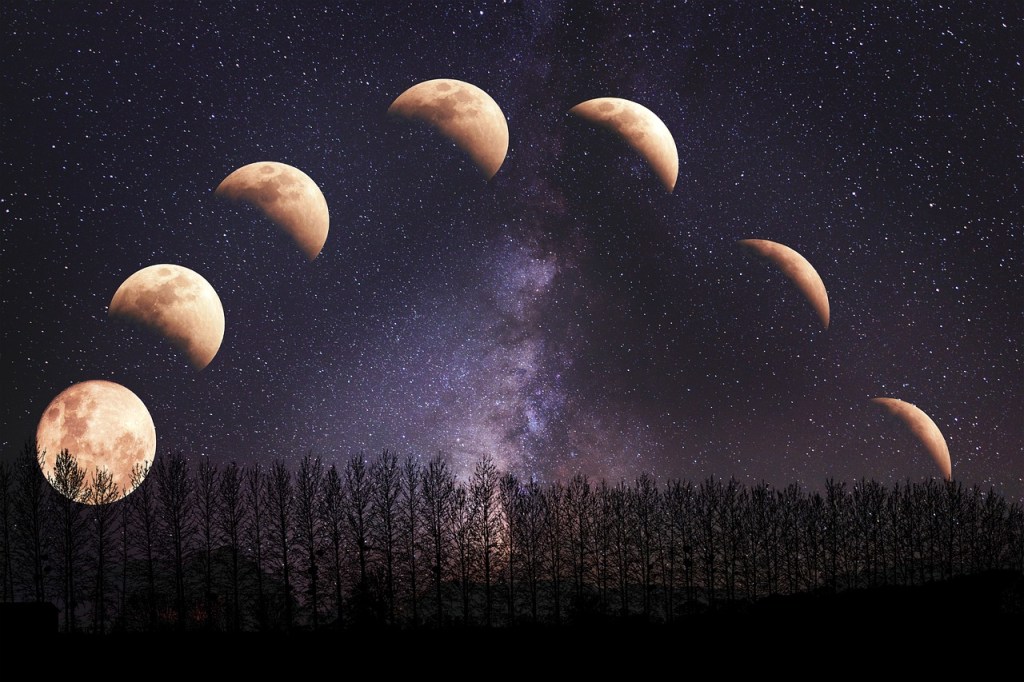
This November offers a lunar showstopper sure to spark curiosity and creativity, plus several phase changes for sky journaling:

  • Supermoon – November 5: The year’s biggest and brightest full moon rises on Nov. 5. Named the Beaver Moon or Frosty Moon, it appears nearly 8% larger and up to 16% brighter than a typical full moon. Early Native Americans used this time to set beaver traps ahead of winter. rmg+5
  • Moon-Planet Conjunctions: The Moon passes near Saturn on Nov. 1–2 and pairs up with Aldebaran (the “Bull’s Eye”) in Taurus on Nov. 7—a great reason for crafty photos or family stories about the sky’s ancient myths. whenthecurveslineup+1
  • Other Phases: The moon’s changing face is easy to track and sketch:
    • Full Moon: Nov. 5
    • Last Quarter: Nov. 12
    • New Moon: Nov. 20 (a “micro” new moon at farthest distance from Earth)
    • First Quarter: Nov. 28. theskylive+1

Meteor Showers to Watch

November delivers two meteor showers—one spectacular, the other subtle but known for bright fireballs:

  • Southern Taurids – Nov. 4–5: This minor shower produces slow, bright meteors. Only 5–10 meteors per hour, but some may become fireballs as they radiate from Taurus. Try viewing after midnight—best with the whole family, lying back and sharing wishes. seasky+1
  • Leonids – Nov. 17: The Leonid meteor shower, famed for epic storms, produces 10–15 bright meteors per hour at its peak just before dawn. Look southeast from a safe, dark spot. The crescent moon will set early, leaving a perfectly dark sky for viewing. planetary+3

Constellations: Old Friends Return

As November evenings lengthen, classic constellations and famous stars reclaim their positions:

  • Orion the Hunter: Orion rises by midnight, instantly recognizable by his three-star “belt.” Follow the belt downward left to find Sirius, the sky’s brightest star, rising in the southeast near the end of the month. nationalgeographic+2
  • Taurus the Bull: Home to red-orange Aldebaran (the “Bull’s Eye”), the glimmering Pleiades (Seven Sisters), and the Hyades cluster—the V-shaped “face” of Taurus. rmg+2
  • Andromeda: High overhead, Andromeda forms a graceful arc and hosts the Andromeda Galaxy (M31)—a faint smudge in dark skies visible to the naked eye, binoculars, or small telescopes. starwalk+1
  • Pegasus: The Great Square of Pegasus marks autumn and is a great jumping-off point for star-hopping.
  • Cassiopeia, Pisces, and more: Cassiopeia’s “W” shape dominates the northeast. Pisces, the Fishes, is less obvious but sits south of Andromeda. starwalk
  • Sirius and Canis Major: By late November, Sirius—known as the “Dog Star”—rises in the southeast. It’s 25 times more luminous than the sun and just 8.6 light years away, a brilliant beacon for cold nights. rmg

Other Notable Night Sky Events

  • Planetary Encounters: Nov. 3, the Moon and three planets (Venus, Saturn, Jupiter) are on display overnight. Nov. 25, Venus and Mercury share the dawn in a rare pairing. whenthecurveslineup+1
  • Hyades at Apex – Nov. 27: The Hyades cluster, making the V of Taurus’s face, reaches its highest point around midnight. This is the best time to see its dozens of stars under dark skies, an ideal binocular or family-accessible target. nationalgeographic
  • Comet c/2025 A6: Expected to be visible from dark locations in late October and early November. It may be possible to spot it with binoculars just before sunrise or after sunset—watch astronomy news sites for updates. facebook

More Astronomy Information

Bright Stars to Visit

  • Aldebaran (Taurus): Orange-red, marking the Bull’s eye.
  • Betelgeuse and Rigel (Orion): Red and blue supergiants, highlighting Orion’s shoulder and foot.
  • Capella (Auriga): Bright, yellowish star rising high in the northeast.
  • Spica (Virgo): Visible near Venus in the dawn sky early in the month. whenthecurveslineup

Family Activities and Tips

  • Make a Sky Journal: Track phases of the moon and meteor counts. Sketch constellations or note unusual “shooting stars.”
  • Try Star Storytelling: Share myths about Orion, Taurus, and the Pleiades, or invent your own tales.
  • Holiday Stargazing: Pair a hot cocoa night with meteor counting or supermoon watching. Invite friends or neighbors for a “full moon walk” or a “Leonids pajama party.”
  • Binocular Astronomy: Many November targets—the moon’s craters, Pleiades, Hyades, Jupiter’s moons—look wonderful even through basic binoculars.
  • Prepare for the Cold: Layer up, bring blankets and sleeping bags, and warm drinks.

Handy Stargazing Tips

  • Allow 15 minutes for your eyes to adapt to the darkness.
  • Avoid bright lights (use red flashlights to preserve night vision).
  • Choose a safe, dark location away from city lights.
  • Use free sky map apps or printable star charts to help identify targets.
  • Record your sightings and try to spot new constellations each week.rmg

More Astronomy Information.

Looking Ahead and Inspiring Wonder

As the nights lengthen and the year edges closer to holidays, November 2025 offers families and astronomers a cosmos packed with both new wonders and returning favorites. There’s no better time to start a skywatching tradition with your children, friends, or students—nature’s awe-inspiring show is always free and never repeats in quite the same way.

From the joy of the supermoon’s silvery glow and the thrill of counting Leonid meteors to the satisfaction of picking out planets and patterns among the stars, the night sky rewards curiosity and connects us to ancient stories and ongoing scientific discovery.

Wishing clear skies, many discoveries, and countless family memories under the November night sky! kenpress+17

  1. https://www.farmersalmanac.com/visible-planets-guide
  2. https://www.astroshop.eu/magazine/practical-tips/observation/astronomy-highlights-in-autumn-2025/i,1244
  3. https://www.adlerplanetarium.org/blog/what-to-see-stargazing-tips-november-2025/
  4. https://www.skyatnightmagazine.com/advice/skills/astronomy-guide-viewing-planets-night-sky
  5. https://whenthecurveslineup.com/2025/10/23/2025-november-3-moon-and-three-planets-on-display-in-the-night-sky/
  6. https://www.rmg.co.uk/stories/space-astronomy/astronomy/night-sky-highlights-november-2025
  7. https://kenpress.com/files/2025WOT11Nov.pdf
  8. https://www.timeanddate.com/news/astronomy/night-sky-november-2025
  9. http://www.seasky.org/astronomy/astronomy-calendar-current.html
  10. https://www.planetary.org/articles/calendar-of-space-events-2025
  11. https://starlust.org/november-2025-skywatching-guide-this-years-biggest-supermoon-leonids-fireballs-and-more/
  12. https://theskylive.com/moon-calendar?year=2025&month=11
  13. https://www.calendarr.com/united-states/lunar-calendar-november-2025/
  14. https://whenthecurveslineup.com/2025/10/27/2025-november-7-moon-and-bulls-eye/
  15. https://www.nationalgeographic.com/science/article/november-night-sky-events-2025
  16. https://starwalk.space/en/news/november-constellations-and-stars
  17. https://www.space.com/stargazing/autumn-skywatching-targets-to-see-in-the-night-sky-2025
  18. https://www.facebook.com/groups/auroraaustralia/posts/2376217279460361/
  19. https://www.spaceweatherlive.com/en/moon-phases-calendar/2025/11.html
  20. https://www.timeanddate.com/astronomy/sights-to-see.html

September 2025 Night Sky Guide: A Family-Friendly Tour from Beginner to Advanced Stargazer.

September 2025 is set to dazzle skywatchers on every continent, with celestial spectacles ranging from dramatic eclipses and bright planets to subtle meteor showers and shifting constellations. Whether you’re an absolute beginner or a longtime astronomy lover, this educational, family-friendly guide will walk you through this month’s most rewarding highlights. We’ll explore naked-eye and binocular sights, provide skywatching tips, and show you how to make the most of every clear night — all optimized for high engagement, readability, and shareability in today’s online world.


Why September 2025 Is So Special

September 2025 brings a rare convergence of events:

  • A stunning total lunar (“Blood Moon”) eclipse
  • A striking partial solar eclipse
  • Saturn and Neptune at their brightest (“opposition”)
  • A lunar meet-up with Venus, visible occultations, and close planetary approaches
  • Constellations shifting from summer to autumn dominance
  • Meteor showers, celestial equinox, and more

No expensive gear is required for many of these sights — just your own eyes, curiosity, and a sense of wonder.


September 2025: Celestial Events Calendar (All dates are approximate; check local apps for timing in your region)

  • September 1: Aurigid meteor shower peaks
  • September 7: Full Moon & total lunar eclipse (“Blood Moon”)
  • September 8: Moon close to Saturn & Neptune
  • September 9: ε-Perseid meteor shower peaks
  • September 12: Moon occults the Pleiades cluster
  • September 14: Last Quarter Moon
  • September 16–17: Moon near Jupiter and the Beehive Cluster
  • September 19: Moon near Venus, lunar occultation of Venus in some regions
  • September 21: Saturn at opposition & partial solar eclipse & New Moon
  • September 22: September Equinox (start of fall)
  • September 23: Neptune at opposition
  • September 27: Daytime Sextantids meteor shower
  • September 29: First Quarter Moon

1. The Eclipses: September’s Main Attractions

Total Lunar Eclipse — September 7

On the evening of September 7, the Full Moon will slip into Earth’s shadow, transforming into a coppery red “Blood Moon” for lucky viewers across Africa, Asia, Australia, and parts of Europe and the Pacific. Since lunar eclipses are safe to watch with unaided eyes, it’s a perfect family event!starwalk+3

How to Watch:

  • No special equipment needed, though binoculars reveal extra detail in the reddish lunar surface.
  • Try taking a photo: even a smartphone will capture the dramatic change in color.
  • Make it fun: have children sketch the moon’s phases or write “moon eclipse diaries.”

Partial Solar Eclipse — September 21

This deep partial solar eclipse is visible from Antarctica, parts of Australia and New Zealand’s south, southern South America, and the South Pacific. For safety, only use special eclipse glasses or viewers.planetary+2

Family Tip:

  • If you aren’t in the path: Many observatories and NASA stream eclipses live. Make popcorn and have a “solar eclipse party” at home!

2. Planetary Spectacles: Saturn, Jupiter, Venus & More

Saturn at Opposition — September 21

Saturn rises as the sun sets and is visible all night at its biggest and brightest of the year, in Pisces. Binoculars will show its golden hue; even a small telescope (especially if borrowed from a local library or club!) may reveal Saturn’s rings, although the rings are nearly edge-on this year—a rare geometric arrangement that makes them appear very thin or almost vanish.starwalk+3

How to See:

  • Look southeast after dusk for a bright golden “star” — that’s Saturn.
  • Binoculars or telescopes reveal more detail.
  • For kids: Have them pretend “lining a marble up” with Saturn’s rings — are they really flat?

Jupiter Returns

Jupiter rises after midnight and stays up until dawn, growing spectacularly bright through the month. It’s great for “early bird” skywatchers and a favorite target for binoculars; in crisp conditions, you can spot up to four of Jupiter’s large moons in a little row!ts2+2

Venus — The Glorious Morning Star

Venus blazes before sunrise in the east, sometimes called the “Morning Star.” On September 19, Venus and the slender crescent Moon perform a special dance. In certain regions (Europe, Africa, Russia, Asia, Canada, Greenland), the Moon will actually “cover” Venus in a rare occultation. If you’re outside the path, you’ll still enjoy the pair’s close, sparkly approach.starwalk+2

Try This: Use a free stargazing app (like Sky Tonight or Stellarium) to see exactly where Venus, Saturn, and Jupiter are hiding each morning or evening.

Distant Planets at Opposition

  • Neptune (September 23): Only visible with binoculars or a telescope but at its brightest for the year.
  • Uranus: Begins retrograde; faint but fun to find with star maps and optics.

3. Constellations to Watch as Summer Fades

September skies transition from summer to autumn starshows. Here’s what to scan for:

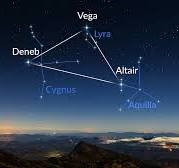
  • Summer Triangle (Vega–Deneb–Altair): High overhead at dusk, these three bright stars anchor the constellations Lyra (look for the Ring Nebula with optics!), Cygnus (the Northern Cross), and Aquila (the eagle).
  • Pegasus & Andromeda: Rising higher each night in the east, these constellations signal fall’s return. Try to spot the Andromeda Galaxy — bare eye in very dark skies, binoculars make it easy even in suburbs.
  • Pisces, Aquarius, Capricornus: Look along the “ecliptic” (the Sun’s path). Use a star map or app to help orient yourself.
  • Pisces Austrinus: Low in the southern sky (northern hemisphere) — try to spot its bright “alpha” star, Fomalhaut.

Make it a family game to spot new constellations each week and compare how they move across the night sky!


4. September’s Minor Meteor Showers

Aurigids (September 1), ε-Perseids (September 9), and Daytime Sextantids (September 27) offer glimpses of shooting stars. These are minor showers (5–10 meteors/hour) and sometimes washed out by moonlight — but if you do catch one, it’s a fun bonus for night owls and early risers. For best results, go outside after midnight, find a dark spot, and let your eyes adjust.in-the-sky+2


5. Special Nights and Skywatching Events

  • September 12: The Moon crosses in front of the beautiful Pleiades Star Cluster. Binoculars show this “jewel box” hiding behind the bright limb of the moon!
  • September 16–17: The Moon passes near Jupiter and the Beehive Cluster.
  • September 21: New Moon = best night for deep-space viewing; no moonlight to wash out faint galaxies and clusters.
  • September 22: The Equinox — day and night are nearly equal. The autumn sky takes center stage!
  • September 23: Neptune at opposition — use binoculars or a telescope for a special challenge.
  • September 27: The Moon briefly “occults” (blocks) fiery red Antares.

6. Skywatching Tips: Making the Most of September

  • Find Dark Skies: Light pollution hides many celestial treats; visit parks, open fields, or dark-sky preserves if possible.
  • Let Your Eyes Adapt: Wait 15–30 minutes outside for full night vision — avoid phone glare.
  • Use Apps: Tools like Stellarium Mobile, Sky Tonight, and Star Walk 2 make it easy for families and beginners to locate objects and understand what they’re seeing.
  • Bring Binoculars: Unlock details in the Moon, star clusters, and see Jupiter’s moons and Saturn’s rings (when visible).
  • Log Your Observations: Keep a “sky journal” to track each sighting and share the sky with friends or family.
  • Join a Club or Attend Star Parties: Most astronomy groups welcome all ages and love to share telescopic views during big events (like Saturn at opposition or lunar eclipses).

7. Activities for the Whole Family

  • Sky Scavenger Hunt: List the planets, constellations, or major stars you want to find — see who spots the most in one night!
  • Eclipse Story Night: Read about ancient eclipse myths and invite kids (and grownups!) to draw what they see.
  • Take Photos: Use a tripod and even a basic smartphone to snap the Big Three—Moon, Jupiter, Saturn—plus wide-field shots during eclipses or conjunctions.

References

  1. [Star Walk: Astronomical Events in September 2025]starwalk
  2. [Sea and Sky: Astronomy Calendar of Celestial Events 2025]seasky
  3. [The Planetary Society: Calendar of Space Events 2025]planetary
  4. [In-The-Sky.org: Calendar of Astronomical Events 2025]in-the-sky
  5. [Space.com: Must-See Naked-Eye Events in 2025]space
  6. [Star Walk: Calendar of All Astronomical Events 2025]starwalk
  7. [All Eyes on the Skies: September Spectacles 2025]ts2

Footnotes

  • For exact eclipse, occultation, and opposition times in your location, use a reputable mobile app (e.g., Sky Tonight, Stellarium Mobile) or check your local observatory’s website.
  • Eclipses require safety precautions for solar viewing — only use certified eclipse glasses or safe indirect viewing methods.
  • Many events are perfectly visible without any equipment, but binoculars and even entry-level telescopes will enrich every experience.
  • Family star parties can be hosted at local parks, schoolyards, or anyone’s backyard!

September 2025 offers something special for everyone — from total lunar eclipses and bright Saturn to the rhythms of the autumn equinox and the return of the Andromeda Galaxy. There’s never been a better time to look up, learn together, and create memories that will last a lifetime. Happy skywatching!

  1. https://starwalk.space/en/news/night-sky-tonight-september
  2. https://www.planetary.org/articles/calendar-of-space-events-2025
  3. https://starwalk.space/en/news/astronomy-calendar-2025
  4. https://ts2.tech/en/all-eyes-on-the-skies-september-2025-celestial-spectacles-meteor-showers-eclipses-more/
  5. http://www.seasky.org/astronomy/astronomy-calendar-current.html
  6. https://www.space.com/stargazing/15-must-see-naked-eye-skywatching-events-in-2025
  7. https://in-the-sky.org/newscal.php?year=2025&month=9
  8. https://whenthecurveslineup.com/2025/08/21/2025-september-3-uranus-and-neptune-before-sunrise/
  9. https://thevlm.org/the-planets-in-our-night-sky-what-you-can-see-this-month/
  10. https://koa.com/blog/celestial-events-2025/

The August 2025 Night Sky: A Month of Wonders for Every Astronomer

August 2025 is a month made for stargazers, families, and fans of the cosmos. From the dazzling Perseid meteor shower and stunning planetary alignments to star-filled constellations and deep-sky treasures, the heavens are set to entertain both newcomers and dedicated astronomers. Whether you’re lying on a blanket with your kids, introducing friends to their first meteor, or searching the galaxy’s heart with your telescope, August’s night sky will not disappoint. Here is your comprehensive, family-friendly guide to the celestial spectacles of this unforgettable month.

Table of Contents

  1. August Nights: Why This Month Is Special
  2. The Perseid Meteor Shower – The Ultimate Showstopper
  3. A Parade of Planets: Jupiter, Saturn, Venus, and Mars
  4. Constellations and Cosmic Patterns
  5. Deep-Sky Wonders: Nebulae, Clusters, and the Milky Way
  6. Unique Celestial Events in August 2025
  7. Tips for Beginners and Advanced Stargazers
  8. Family-Friendly Astronomy Activities
  9. Safety, Comfort, and Fun: Making Your Skywatch Special
  10. References & Further Reading

1. August Nights: Why This Month Is Special

Once the Sun sets in August, the balmy warmth and short nights of earlier summer begin to ease, making late-night and early-morning stargazing much more comfortable. Skies are often clearer, humidity drops, and the heart of our Milky Way climbs high overhead. For beginners, it’s the best time to see the brightest meteors, planets, and constellations. For seasoned astronomers, minimal moonlight during key nights creates ideal conditions for deep-sky discoveries and long-exposure photography.

2. The Perseid Meteor Shower – The Ultimate Showstopper

Dates to Watch: August 11–13, 2025
Peak Activity: Predawn hours, August 12th and 13th

The Perseids are the highlight of August’s sky, and 2025 is a banner year. With only a slim crescent Moon, the night will be perfectly dark for watching these “shooting stars.”

What are the Perseids?
They’re fragments of comet Swift-Tuttle, which Earth plows through every August. As these tiny pieces hit Earth’s atmosphere at 37 miles per second, they glow and streak across the sky in dramatic bursts.

How many will I see?
Under dark, rural skies, you may spot 50 or more meteors per hour at peak, with occasional “fireballs” and persistent glowing trains.

When and Where to Look:

  • Best Time: From 10 p.m. local time to dawn, with action ramping up after midnight.
  • Best Direction: The meteors appear to radiate from the constellation Perseus (northeast sky), but you can see them anywhere overhead—so recline, face northeast, and enjoy a 180-degree view.

Family Fun Tip:
Make a game of counting meteors, recording the brightest, or making a wish for each shooting star. Bring sleeping bags and enjoy a midnight picnic!

3. A Parade of Planets: Jupiter, Saturn, Venus, and Mars

Jupiter – King of the Night

  • When: Rises after sunset in the eastern sky; visible all night long.
  • Where: In Taurus, not far from the bright star Aldebaran.
  • How to See: Easy with the naked eye. Binoculars reveal up to four of Jupiter’s moons; a small telescope shows cloud bands and the famous Great Red Spot.

Saturn at Its Best – The Ringed Giant

  • Opposition Date: August 16, 2025 (closest to Earth, brightest, and largest)
  • Where: Southeast after dark, rising earlier each evening in Aquarius.
  • How to See: To the unaided eye, Saturn looks like a bright golden “star.” Through a telescope, its rings are stunning—this is the planet’s best showing all year!

Fun Fact: Saturn’s rings are nearly at maximum tilt, making them especially easy to see even with modest telescopes.

Venus – Morning Star Magic

  • When: Shining before dawn in the east (best the first two weeks of August).
  • How to See: Brilliant and impossible to miss, Venus is one of the brightest objects in the sky.

Mars – Distant Red Gem

  • When: Low in the eastern sky right before sunrise.
  • How to See: Reddish and faint, Mars hides among morning stars, best seen with the help of astronomy apps.

4. Constellations and Cosmic Patterns

The Summer Triangle

The asterism of Vega, Deneb, and Altair forms a triangle overhead. Each vertex leads to a different constellation—Lyra, Cygnus, and Aquila—rich with fascinating double stars and star clusters.

Scorpius & Sagittarius: The Milky Way’s Heart

Look to the south after dark for Scorpius’s curved tail and red Antares; to its left is Sagittarius, whose “Teapot” asterism pours “steam” right into the brightest stretch of the Milky Way—perfect for binoculars or telescope scanning.

Cygnus, the Swan

Also known as the Northern Cross, Cygnus soars through the thickest part of the Milky Way, offering beautiful sights like the double star Albireo (golden and blue) and the North America Nebula.

Perseus & Cassiopeia

Rising in the northeast after midnight, these constellations contain the Perseid meteor radiant and the sparkling Double Cluster.

5. Deep-Sky Wonders: Nebulae, Clusters, and the Milky Way

August is glorious for exploring deep-sky objects. Here are a few family favorites:

  • Lagoon Nebula (M8, Sagittarius): A glowing cloud teeming with newborn stars. Visible in binoculars as a misty patch; telescopes reveal greater detail.
  • Hercules Cluster (M13): A vast ball of hundreds of thousands of stars—easily found in binoculars between Vega and Arcturus.
  • The Double Cluster: In Perseus, two clusters packed with hundreds of stars, giving a 3D effect in binoculars.

6. Unique Celestial Events in August 2025

DateEventHow and When to See
August 4New MoonPerfectly dark skies for deep-sky observing
August 11–13Perseid Meteor Shower PeakAfter midnight, northeast sky
August 16Saturn at OppositionAll night, southeast sky, telescopic viewing
August 19First Quarter MoonMoon high at sunset, great for beginners
August 25–27Moon passes near JupiterEast, after sunset, perfect for a twin-view
August 28Full Sturgeon MoonRises at sunset, large and golden

7. Tips for Beginners and Advanced Stargazers

  • Start Simple: Use your eyes for meteors and bright planets; try binoculars for star clusters.
  • Set the Mood: Turn off all lights, let your eyes adapt for 20 minutes, and lie back for comfort.
  • Use Technology: Free apps (like Star Walk, Stellarium, SkySafari) help you find constellations and planets in real time.
  • Telescope Challenges: Advanced users, try hunting for faint planetary nebulae, supernova remnants (like the Veil Nebula in Cygnus), or the subtle colors of Albireo.
  • Keep a Logbook: Record what you see—drawing, writing, or snapping smartphone pictures.

8. Family-Friendly Astronomy Activities

  • Meteor Shower Party: Bring snacks and sleeping bags, and make it a summer tradition!
  • Planet Hunt: See who in the family can find the most planets with unaided eyes or binoculars.
  • Moon Phases Diary: Sketch or photograph the changing face of the Moon each night.
  • Shadow Play: Use the bright August full moon to make moonshadows on the grass—kids love it!

9. Safety, Comfort, and Fun: Making Your Skywatch Special

  • Dress Smart: Even in August, nights get cool—bring layers and bug spray.
  • Pick the Right Spot: The farther you are from bright city lights, the more you’ll see. National Parks and rural areas are ideal.
  • Red Flashlights: Preserve your night vision with red LED flashlights.
  • Respect Nature: Leave no trash, stay on paths, and be mindful of wildlife.

10. References & Further Reading

  1. American Meteor Society – Perseid Meteor Shower 2025 Guide
  2. Sky & Telescope – August 2025 Night Sky Events
  3. NASA Night Sky Network – Planets and Meteor Showers in August 2025
  4. Star Walk – August Astronomy Calendar & Event Details
  5. Royal Astronomical Society – Family Stargazing Resources
  6. Time and Date – Planetary Events and Moon Phases August 2025
  7. EarthSky – Exploring Summer Constellations
  8. Astronomy Magazine – Deep Sky Objects for August
  9. Stellarium Web Online Star Map – Free, Interactive Star Charts

Footnotes:

  • Meteor shower rates indicate maximums for dark, moonless, rural skies; suburban/city locations will see fewer meteors.
  • Planet rise/set times vary by your geography—consult a sky app for exact timing at your location.
  • Telescope recommendations assume a common entry-level or family telescope (60–90mm aperture).

In Summary: August’s Sky—A Nightly Invitation

August 2025’s night sky promises awe and discovery for every age and skill. Whether you’re spotting your first Perseid, showing a child the rings of Saturn, or photographing clusters deep in the Milky Way, the universe is open for exploration. So grab your family, friends, or simply your own sense of curiosity—and take your place under a sky sparkling with stories millions of years in the making. Clear skies and happy stargazing!

For more detailed charts, timeline planning, and expert tips, visit the American Meteor Society, NASA Night Sky Network, or your local planetarium’s monthly guide.

The Delta Aquariid Meteor Shower: A Beginner’s and Family Guide for July 28–31, 2025

Every summer, as July transitions into August, a lesser-known yet enchanting celestial event graces the night sky: the Delta Aquariid meteor shower. Peaking from July 28 to July 31, 2025, this meteor shower promises a memorable spectacle for families, skywatching beginners, and anyone hoping to experience a night of awe under the stars. This guide will help you understand, prepare for, and enjoy the Delta Aquariids—even if you’re new to stargazing.

What Are the Delta Aquariids?

The Delta Aquariids are an annual meteor shower named after the star Delta Aquarii in the constellation Aquarius, where the meteors appear to originate (their radiant point). The shower is caused by Earth passing through debris left behind by the comet 96P/Machholz. As tiny bits of comet dust enter our atmosphere at over 90,000 miles per hour, they burn up and streak across the sky as meteors, or “shooting stars”.

Why the Delta Aquariids Are Special

While the Delta Aquariid shower isn’t as famous as the Perseids in August, it is beloved by skywatchers for several reasons:

  • Steady Meteor Rate: During the peak, you can expect to see 15–20 meteors per hour from a dark, rural sky.
  • Early Show: It kicks off the summer “meteor shower season” and sometimes overlaps with early Perseid meteors for a double show.
  • Long-Lasting Meteors: Many Delta Aquariids produce faint but long-lasting trails—sometimes glowing for a second or more.

When and Where to Watch in 2025

Peak Dates & Times

  • Best Nights: July 28, 29, 30, and 31, 2025
  • Best Hours: Between midnight and 4:00 a.m. (local time). The shower is best after midnight when the constellation Aquarius climbs higher in the southern sky.
  • Moon Phase: The Moon will be a waning crescent, setting before the best radiant hours, leaving the sky mostly dark—excellent for meteor watching.

Where to Look

  • Direction: Face generally southeast or south. Find a broad, open view of the sky, focusing east to south.
  • Constellation: Meteors will radiate from the area near Aquarius, but “shooting stars” can appear anywhere overhead.

Preparing for Your Meteor-Watching Night

What You’ll Need

  • No Telescopes Required: Meteors move too fast for telescopes or binoculars; use just your eyes!
  • Comfort Essentials:
    • Blanket, sleeping bag, or reclining lawn chair to lie back and watch comfortably.
    • Warm clothes and bug spray—even summer nights can get chilly or buggy.
    • Snacks and drinks for your meteor party.
  • Optional:
    • A red flashlight (to preserve night vision).
    • Star charts or a free stargazing app for finding constellations like Aquarius and Capricornus.

Family-Friendly Tips to Maximize the Experience

1. Make It a Nighttime Picnic

Pack favorite snacks and turn the meteor shower into an event. Invite family, neighbors, or friends for a backyard “shooting star” picnic.

2. Get Kids Involved

  • Encourage children to keep count of meteors or sketch their favorite ones.
  • Turn it into a science lesson about comets, space, and Earth’s atmosphere.
  • Have kids make a wish on each shooting star!

3. Safety First

Observe from a safe location away from busy roads. Bring flashlights for safe navigation but keep lights off while watching.

4. Choose the Right Spot

For the best show, escape city lights. A rural park, beach, or even a family-friendly campsite will reveal many more meteors.

What to Expect

  • Patience Pays Off: It can take 15–20 minutes for your eyes to adapt to darkness. The more time spent outside, the more meteors you’ll see.
  • Persistence: Meteors arrive at random. Sometimes, several appear in a quick burst, followed by a lull.
  • Look Up All Around: While the radiant is in Aquarius, meteors may streak across any part of the sky.

Suggested Viewing Timeline

Time (Local)What’s HappeningTips
10:00 p.m.Twilight ends, stars appearSettle in and get comfy
MidnightAquarius rises higher, meteors beginStart serious watching
2:00–4:00 a.m.Peak meteor activityHighest rates, darkest sky
DawnShower ends as sky brightensTime for breakfast stories!

Fun Delta Aquariid Facts

  • Parent Comet: The debris stream comes from Comet 96P/Machholz—a visitor that returns every five years.
  • Speed: Delta Aquariid meteors travel at about 25 miles per second!
  • Best in the South: The further south you are (e.g., southern US states), the higher Aquarius appears, and the more meteors you’ll spot.
  • Double Show: Early Perseid meteors (from August’s more famous shower) sometimes mingle with the Delta Aquariids, offering extra surprises.

Bringing Astronomy to Life

Meteor showers are a magical entryway to astronomy for families and beginners. They require no equipment, no expertise—just a little patience, wonder, and a clear night. Watching shooting stars is also a shared experience, connecting all ages with the wonders of the universe.

If you’d like to identify more stars or planets while you wait for meteors:

  • Look for the bright Summer Triangle stars: Vega, Deneb, and Altair high overhead.
  • Saturn, the ringed planet, will be rising in the southeast before midnight.
  • Jupiter may rise before dawn in the east by the end of July.

Common Questions

Are showers best seen at their radiant?

Not necessarily—meteors can appear anywhere in the sky. But more will appear to originate from the Aquarius region.

What if it’s cloudy?

If clouds cover your location, try another night within the peak window, or tune in to online streams from observatories.

Can I photograph meteors?

A camera with a tripod and long-exposure settings may capture bright “fireballs,” but relax and enjoy watching with your eyes first.

Summary

The Delta Aquariids offer families and beginners a perfect opportunity to enjoy the universe together. On a warm night in late July, all you have to do is lie back, look up, and watch as cosmic dust transforms into fleeting, brilliant streaks of light. The memory of a shared meteor shower may last far longer than the meteors themselves.

References & Further Reading

  1. American Meteor Society – Delta Aquariid Meteor Shower Overview
  2. Star Walk – Delta Aquariids 2025 Viewing Guide
  3. EarthSky – 2025 Meteor Shower Calendar
  4. Royal Astronomical Society – How to Watch Meteor Showers
  5. Sky & Telescope – July 2025 Night Sky Guide

Wishing you clear, star-filled skies and a wonderful Delta Aquariid experience!

Saturn and the Moon’s Celestial Dance: How to Watch Their Close Encounter on July 16, 2025

On the night of July 16, 2025, the Moon and Saturn will create a beautiful spectacle in the sky, appearing close together in a conjunction visible across the United States. This event is perfect for families, beginners, and seasoned astronomers alike. Here’s how to make the most of this cosmic rendezvous—including the best times to watch from different US regions, simple ways to identify Saturn, and a look back at memorable images of similar events.

What’s Happening?

On July 16, the waning gibbous Moon will pass near Saturn, the solar system’s iconic ringed planet. While the two are separated by vast distances in space, they’ll appear just a few degrees apart in the sky, creating a striking visual pairing for observers on Earth123.

Best Times to View Across the US

US RegionSaturn & Moon RiseClosest ApproachHighest in SkyBest Viewing Window
East Coast~11:00 p.m. EDT~2:00 a.m. EDT2:00–4:00 a.m.11:00 p.m.–4:30 a.m.
Central~10:00 p.m. CDT~1:00 a.m. CDT1:00–3:30 a.m.10:00 p.m.–4:00 a.m.
Mountain~9:00 p.m. MDT~12:00 a.m. MDT12:00–3:00 a.m.9:00 p.m.–4:00 a.m.
Pacific~8:30 p.m. PDT~11:00 p.m. PDT11:00 p.m.–2:30 a.m.8:30 p.m.–4:00 a.m.
  • Where to Look: The pair will rise in the east after sunset, climb high in the southeast by midnight, and drift toward the south by dawn245.
  • Peak Viewing: Around midnight to 3 a.m. local time, when both are highest and most easily seen.

How to Identify Saturn: A Beginner’s Guide

Saturn can be mistaken for a bright star, but here’s how to spot it:

  • Color: Saturn appears as a steady, pale yellow or gold “star.” Most stars are white or blue-white, while Saturn’s subtle hue stands out675.
  • No Twinkle: Unlike stars, Saturn does not twinkle. Its light remains steady because it’s close enough to appear as a tiny disk rather than a pinpoint.
  • Position: On July 16, Saturn will be just a few degrees below or beside the bright Moon, making it easy to locate.
  • Brightness: Saturn shines brighter than most surrounding stars but is dimmer than the Moon and Venus.
  • Movement: Over weeks, Saturn slowly shifts eastward among the stars, unlike the fixed star patterns.

Tip: Use a free sky app (like Stellarium, SkySafari, or Star Walk) to confirm Saturn’s position in real time75.

Viewing Tips for All Ages

  • Naked Eye: Simply look for the bright Moon, then spot the steady yellow “star” nearby—that’s Saturn!
  • Binoculars: Enhance Saturn’s color and may reveal its oval shape.
  • Telescope: Even a small telescope will reveal Saturn’s famous rings and perhaps a few moons.
  • Family Fun: Bring blankets, snacks, and sketchpads. Encourage kids to draw the Moon and Saturn or try smartphone photography.

Sample Viewing Timeline (Local Time)

TimeWhat to SeeWhere to Look
10:00 p.m.–12:00 a.m.Moon and Saturn rising togetherEast
12:00–2:00 a.m.Closest approach, high in skySoutheast
2:00–4:00 a.m.Pair moves toward southSouth
4:00 a.m.–DawnSetting, still visibleSouthwest

Memorable Images of Past Moon-Saturn Conjunctions

Below are examples of how the Moon and Saturn have appeared together in the night sky during previous conjunctions. These images illustrate what you can expect to see, whether with your eyes, binoculars, or a telescope.

  • Smartphone Photo of Saturn and the Moon:
    Astrophotographers have captured stunning images using just a smartphone and a small telescope, showing Saturn as a bright dot near the Moon8.
  • Telescope View:
    Through a telescope, Saturn’s rings are visible, while the Moon’s craters and maria provide a dramatic backdrop910.
  • Wide-Angle Sky Photos:
    Many skywatchers have shared beautiful wide-angle images of the Moon and Saturn together, highlighting their proximity and the Moon’s brightness10.

Why This Event Is Special

  • Easy and Accessible: No special equipment or expertise needed—just look up!
  • Great for Families: The Moon and Saturn are bright, easy targets for all ages.
  • A Gateway to Astronomy: Seeing Saturn’s rings for the first time is unforgettable.
  • Rare and Beautiful: While the Moon and Saturn pair up monthly, this July’s conjunction is especially well-placed for nighttime viewing across the US25.

Safety and Comfort Tips

  • Dress for the weather—even summer nights can get cool.
  • Use red flashlights to preserve night vision.
  • Bring bug spray if stargazing outdoors.

Fun Saturn and Moon Facts

  • Saturn is about 890 million miles from Earth; the Moon is just 239,000 miles away.
  • Saturn’s rings are made of ice and rock and stretch over 170,000 miles wide.
  • The Moon will be a waning gibbous, more than half full but shrinking nightly.

References & Further Reading

  1. [In-The-Sky.org – US Rise/Set Times for Planets]11
  2. [When the Curves Line Up – Saturn-Moon Conjunction July 16, 2025]1
  3. [Astronomy Magazine – July 2025 Sky Guide]12
  4. [Travel + Leisure – July 2025 Night Sky]2
  5. [Star Walk – July 2025 Astronomy Calendar]13
  6. [High Point Scientific – How to Observe Saturn]6
  7. [Business Insider – Smartphone Photos of Saturn and the Moon]8
  8. [Adler Planetarium – July 2025 Skywatching]4
  9. [Cosmic Pursuits – Guide to Observing Saturn]9
  10. [EarthSky – Moon and Saturn Close Together]10
  11. [National Geographic – July 2025 Sky Events]3
  12. [Adler Planetarium – How to Identify Planets]7
  13. [The Planetary Society – July 2025 Night Sky]5
  14. [BBC Sky at Night Magazine – Observing Planets July 2025]14

Clear skies and happy stargazing!

  1. https://whenthecurveslineup.com/2025/07/01/2025-july-16-pre-dawn-saturn-moon-conjunction-venus-aims-at-jupiter/
  2. https://www.travelandleisure.com/july-2025-stargazing-astronomy-guide-11766109
  3. https://www.nationalgeographic.com/science/article/best-night-sky-events-july-2025
  4. https://www.adlerplanetarium.org/blog/what-to-see-stargazing-tips-july-2025/
  5. https://www.planetary.org/night-sky/night-sky-what-to-see-this-month
  6. https://www.highpointscientific.com/astronomy-hub/post/astronomy-101/how-to-observe-saturn
  7. https://www.adlerplanetarium.org/blog/how-to-identify-planets/
  8. https://www.businessinsider.com/saturn-moon-conjunction-smartphone-pictures-2019-4
  9. https://cosmicpursuits.com/2560/guide-to-observing-saturn/
  10. https://earthsky.org/space/moon-and-saturn-close-together-this-week-see-the-images/
  11. https://in-the-sky.org/whatsup_times.php
  12. https://www.astronomy.com/observing/sky-this-month-july-2025/
  13. https://starwalk.space/en/news/astronomy-calendar-2025
  14. https://www.skyatnightmagazine.com/advice/skills/how-see-planets-night-sky-july
  15. https://whenthecurveslineup.com/2024/12/20/2025-january-4-saturn-moon-conjunction-after-sunset/
  16. https://www.skyatnightmagazine.com/advice/skills/how-to-find-planets-night-sky
  17. https://www.reddit.com/r/astrophotography/comments/1e8g776/moon_and_saturn_conjunction_composite_image/
  18. https://www.space.com/33619-visible-planets-guide.html
  19. https://www.youtube.com/watch?v=iTT6Kkh57Rw
  20. https://www.instagram.com/p/C0-nVx7svoY/