February 2025 offers an exciting array of celestial events for families to enjoy together. As the winter chill lingers, the night sky presents a perfect opportunity for stargazing adventures. Let’s explore what the February 2025 night sky has in store for us!
The Planet Parade Continues

One of the month’s highlights is the continuation of the planet parade from late January. This spectacular alignment of planets provides an excellent chance for families to explore our solar system neighbors.
Venus and the Moon – February 1
Start your month with a beautiful pairing of Venus and the crescent Moon. Look to the southwestern sky after sunset to spot this dazzling duo. Venus will appear as an extremely bright “star” near the delicate crescent Moon.
Observing tip: This is an excellent opportunity for astrophotography beginners. Try capturing the scene with a smartphone camera or a DSLR on a tripod.
Moon near Uranus – February 5
On February 5, the Moon will pass close to Uranus. While Uranus itself is too faint to see with the naked eye, you can use the Moon as a guide to locate its position.
Observing tip: You’ll need a telescope to spot Uranus. Look for a tiny, blue-green disk near the Moon.
Moon and Jupiter – February 6
Jupiter, the largest planet in our solar system, will have its turn with the Moon on February 6. Look for the bright planet near the Moon in the evening sky.
Observing tip: With binoculars or a small telescope, you might be able to spot Jupiter’s four largest moons as tiny “stars” around the planet.
Moon near Mars – February 9
The Moon’s planetary tour continues with a close approach to Mars on February 9. Look for the reddish planet near the Moon in the night sky.
Observing tip: Mars’ distinctive reddish color should be visible to the naked eye. A telescope might reveal some of the planet’s surface features.
Venus at Peak Brightness – February 16
Mark your calendars for February 16, when Venus reaches its peak brightness for 2025. On this night, Venus will shine at an impressive magnitude of -4.9, making it the brightest object in the night sky after the Moon.
Observing tip: This is a great opportunity to show young stargazers how bright a planet can appear. Challenge them to spot Venus before any stars become visible after sunset.
Full Snow Moon – February 12

The Full Moon of February, traditionally known as the Snow Moon, will illuminate the night sky on February 12. This is an excellent opportunity for moon-watching and lunar photography.
Observing tip: Try observing the Moon with binoculars or a small telescope. Even low magnification will reveal craters, mountains, and dark “seas” on the lunar surface.
Alpha Centaurids Meteor Shower – February 8 and 9
While not one of the year’s most spectacular meteor showers, the Alpha Centaurids can still provide an enjoyable viewing experience. The shower peaks on the nights of February 8 and 9.
Observing tip: Find a dark location away from city lights. Look towards the constellation Centaurus in the southern sky. Remember, patience is key when watching for meteors!
Seven-Planet Alignment – February 28
The month concludes with a rare treat – all seven planets visible in the night sky simultaneously on February 28. While not all will be easily visible to the naked eye, this alignment offers a unique opportunity to explore our solar system neighbors.
Observing tip: Start with the easily visible planets like Venus and Jupiter, then use binoculars or a telescope to locate the fainter ones. A star chart or astronomy app can be helpful for identifying each planet.
Constellations of February
February’s long nights provide excellent opportunities to explore winter constellations. Here are a few to look out for:

- Orion: This prominent constellation is easy to spot with its distinctive “belt” of three stars. Look for the Orion Nebula below the belt – it’s visible as a fuzzy patch even to the naked eye.
- Taurus: Find the V-shaped face of the bull, marked by the bright orange star Aldebaran. The beautiful Pleiades star cluster is also part of this constellation.
- Gemini: Look for the twin stars Castor and Pollux marking the heads of the twins.
- Canis Major: Home to Sirius, the brightest star in the night sky, this constellation represents Orion’s larger hunting dog.
Family-Friendly Stargazing Activities
- Moon Journal: Throughout the month, observe and sketch the Moon’s changing phases. This is a great way to understand lunar cycles.
- Planet Scavenger Hunt: Use the planet parade as an opportunity to locate and identify different planets. Make it a friendly competition to see who can spot the most!
- Constellation Storytelling: Learn the myths associated with the winter constellations and share these stories while stargazing.
- Star Party: Host a family gathering for stargazing. Bring hot cocoa, blankets, and snacks for a cozy night under the stars.
- Astrophotography: Try capturing the night sky with a smartphone or camera. The Moon and bright planets make great subjects for beginners.
Tips for Successful Stargazing
- Choose the right location: Find a spot away from city lights for the best views.
- Allow time for dark adaptation: Give your eyes at least 30 minutes to adjust to the darkness.
- Use red light: If you need light to read star charts or adjust equipment, use a red flashlight to preserve your night vision.
- Dress warmly: February nights can be cold, so dress in layers and bring blankets.
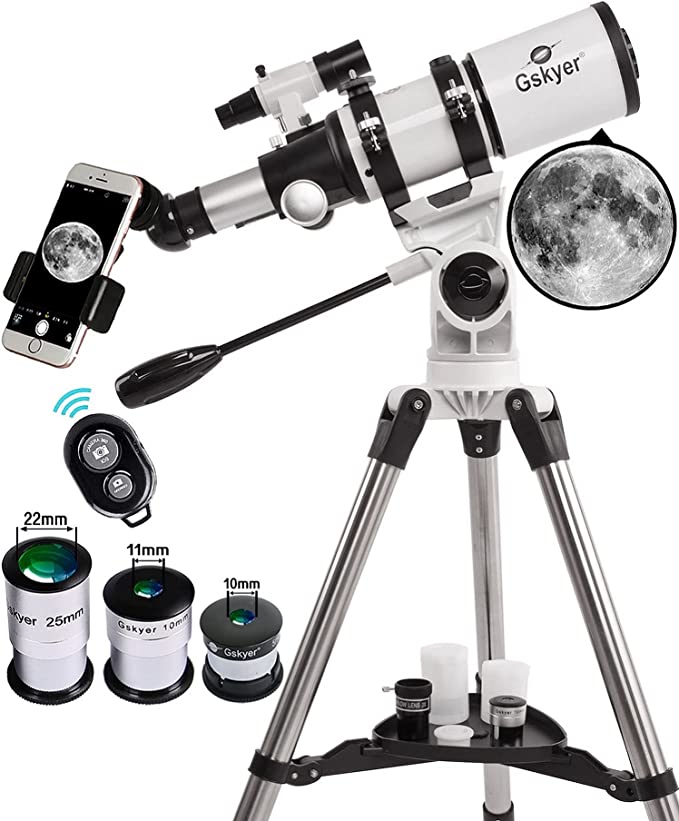
- Bring the right tools: Binoculars are a great starting point for astronomy. They’re easier to use than telescopes and can show you many celestial wonders.
- Use star charts or apps: Sky maps or smartphone apps can help you identify what you’re seeing. Just remember to use night mode on your device to preserve your dark adaptation.
Remember, patience and persistence are key when exploring the night sky. Not every night will be clear, and it takes time to learn your way around the celestial sphere. But with each stargazing session, you’ll become more familiar with the wonders above us.
As you gaze up at the February sky, take a moment to reflect on the vastness of space and our place within it. The light from the stars you see has traveled for years, decades, or even centuries to reach your eyes. You’re not just looking at the sky – you’re looking back in time.
So bundle up, step outside, and look up. The February 2025 night sky is waiting to be explored, full of wonders both familiar and new. Whether you’re using your naked eyes, binoculars, or a telescope, there’s something for everyone to discover. Happy stargazing!
Citations:
[1] https://www.popsci.com/science/stargazing-guide-february-2025/
[2] https://starwalk.space/en/news/night-sky-tonight-february
[3] https://hudsonriverpark.org/visit/events/event/kids-week-at-the-intrepid-museum-february-24-2024/
[4] https://intrepidmuseum.org/kids-week
[5] http://www.seasky.org/astronomy/astronomy-calendar-current.html
[6] https://skyandtelescope.org/astronomy-resources/stargazing-basics/family-projects-and-experiments/
[7] https://www.instagram.com/starwalkapp/reel/DFeUisfoqX6/
[8] https://intrepidmuseum.org/kids-week-february-15-22-2025
[9] https://in-the-sky.org/newscal.php?year=2025&month=2
[10] https://science.nasa.gov/for-everyone/february-2025/
Answer from Perplexity: https://www.perplexity.ai/search/backyard-astronomy-as-a-beginn-5UrB9jN6TReA1CDQWmJimw?utm_source=copy_output

 Stan's Hobbies and Interests