Grilling is a beloved cooking method that brings out the best in meats, vegetables, and even fruits. The smoky, charred flavors from the grill can be beautifully complemented by the right wine, enhancing the overall dining experience. Here are some wines that pair exceptionally well with various grilled foods, based on insights from multiple sources.
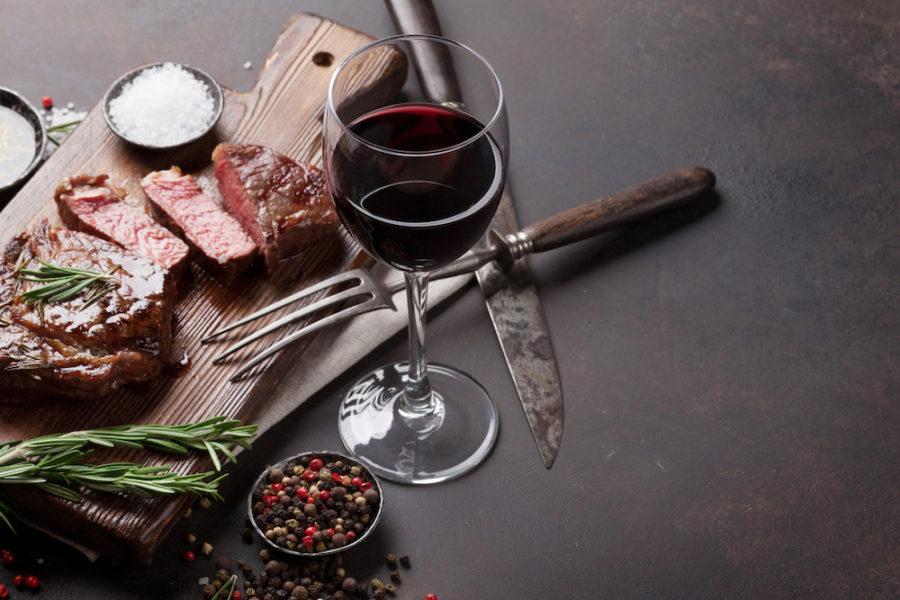
1. Zinfandel
Zinfandel is a robust red wine known for its bold fruit flavors and spicy notes, making it an excellent match for grilled meats. Its high alcohol content and rich texture can stand up to the intense flavors of barbecue sauces and charred meats.
- Pair with: Grilled ribs, brisket, and burgers. The wine’s fruit-forward profile balances the smokiness and sweetness of barbecue sauces[1][2].
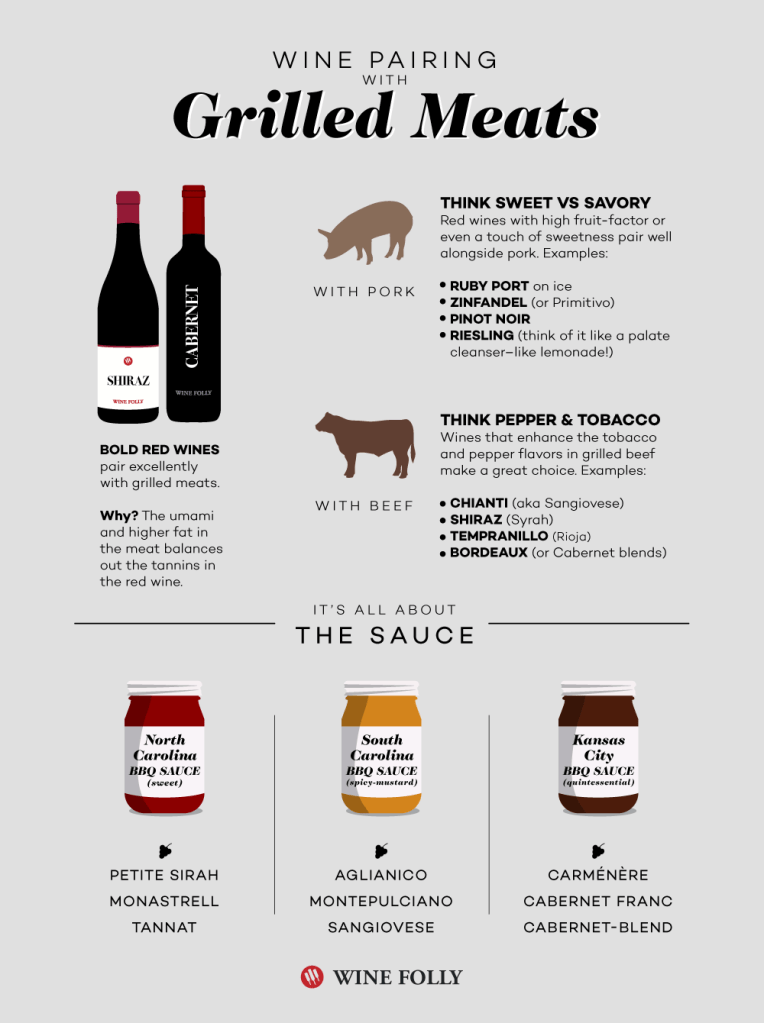
The Best Wines for Grilled Foods
2. Cabernet Sauvignon
Cabernet Sauvignon is a full-bodied red wine with firm tannins and dark fruit flavors. It pairs well with rich, fatty meats, as the tannins help cut through the fat, creating a balanced and enjoyable experience.
- Pair with: Ribeye steaks, lamb chops, and grilled sausages. The wine’s structure complements the richness of these meats[1][3].
3. Syrah/Shiraz
Syrah (known as Shiraz in Australia) is a versatile red wine with flavors of dark berries, pepper, and smoke. Its bold profile makes it a great match for a variety of grilled dishes.
- Pair with: Grilled pork chops, spicy sausages, and barbecued chicken. The wine’s spiciness and smokiness enhance the flavors of the grilled food[1][3].
4. Malbec
Malbec, particularly from Argentina, is known for its dark fruit flavors and smooth tannins. It pairs wonderfully with grilled meats, especially those with a bit of char and smokiness.
- Pair with: Grilled steaks, especially with chimichurri sauce, and barbecued ribs. The wine’s fruitiness and slight smokiness complement the grilled flavors[3].

5. Pinot Noir
Pinot Noir is a lighter red wine with high acidity and delicate fruit flavors. It is one of the most food-friendly wines, capable of pairing with a wide range of dishes without overpowering them.
- Pair with: Grilled salmon, chicken skewers, and vegetable kebabs. The wine’s acidity and subtle smokiness make it a versatile choice for lighter grilled foods[2][4].
6. Rosé
Rosé wines, with their refreshing acidity and fruity flavors, are perfect for summer grilling. They can handle a variety of flavors and are particularly good with lighter grilled dishes.
- Pair with: Grilled shrimp, turkey burgers, and vegetable skewers. The wine’s crispness and fruitiness balance the smoky flavors of the grill[2][5].
7. Sauvignon Blanc
Sauvignon Blanc is a crisp, high-acid white wine with citrus and herbaceous notes. It pairs well with grilled vegetables and lighter meats, providing a refreshing contrast to the smoky flavors.
- Pair with: Grilled asparagus, zucchini, and chicken. The wine’s acidity cuts through the char and enhances the natural flavors of the vegetables[4].
8. Chardonnay
Chardonnay can range from crisp and unoaked to rich and buttery, making it a versatile pairing option. The wine’s body and flavor profile can complement a variety of grilled dishes.
- Pair with: Grilled lobster, chicken, and corn on the cob. The wine’s richness pairs well with the buttery and smoky flavors of these dishes[3][4].
9. Sparkling Wine
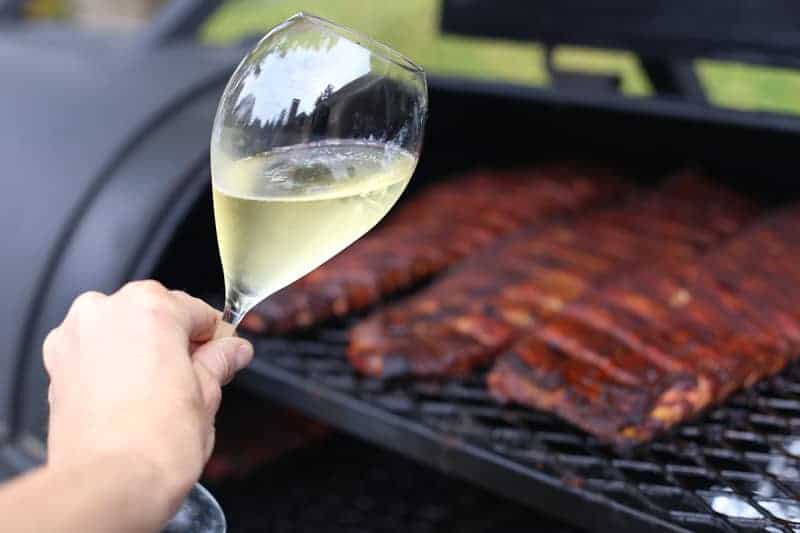
Sparkling wines, such as Cava or Prosecco, are excellent for cutting through the richness of grilled foods. Their bubbles and acidity provide a refreshing palate cleanser.
- Pair with: Grilled pork chops, fried chicken, and seafood. The wine’s effervescence and acidity balance the richness and enhance the flavors of the grilled food[2].
Tips for Pairing Wine with Grilled Foods
- Consider the Sauce: The sauce or marinade used in grilling can significantly impact the wine pairing. Sweet and tangy barbecue sauces pair well with fruit-forward wines, while herbaceous marinades might be better with more acidic wines[1].
- Match the Intensity: Pair the intensity of the wine with the intensity of the food. Bold, full-bodied wines work well with rich, fatty meats, while lighter wines are better suited for delicate dishes[1][3].
- Balance the Flavors: Look for wines that balance the flavors of the grilled food. For example, a wine with good acidity can cut through the richness of fatty meats, while a slightly sweet wine can balance spicy dishes[2][4].
- Experiment and Enjoy: Don’t be afraid to try different combinations and see what works best for your palate. The goal is to enhance your dining experience, so have fun experimenting with various wines and grilled foods[5].
SHOP for the Best Grilling tools
Conclusion
Pairing wine with grilled foods can elevate your barbecue experience, bringing out the best in both the wine and the food. By understanding the characteristics of different wines and how they complement various grilled dishes, you can create harmonious and enjoyable pairings. Whether you’re grilling steaks, seafood, or vegetables, there’s a perfect wine to enhance your meal. Cheers to discovering the delightful world of wine and grilling!
Citations:
[1] https://www.jjbuckley.com/wine-knowledge/blog/how-to-pair-wine-with-your-favorite-grilled-foods-/308
[2] https://www.platingsandpairings.com/7-wines-that-pair-with-bbq-perfectly/
[3] https://www.news-press.com/story/life/food/2021/06/30/best-wines-grilling-how-pair-wine-grilled-meats-vegetables/5320468001/
[4] https://discover.texasrealfood.com/the-pairing-post/what-wine-goes-well-with-grilled-vegetables
[5] https://www.yummly.com/dish/887562/an-easy-guide-to-the-best-wines-for-bbq
[6] https://winecountrytable.com/eat-drink/wine-food-pairings/bbq-wine-pairing/
[7] https://www.cardsofwine.com/food_vegetables_grilled.asp
[8] https://www.try.vi/wine-pairing/grilled-vegetables
[9] https://www.wineenthusiast.com/archive/what-to-drink-with-barbecue-food/
[10] https://www.foodandwine.com/lifestyle/best-wine-pairings-grilled-steak
[11] https://www.platingsandpairings.com/wine-with-fish/
[12] https://www.decanter.com/learn/pairing-wine-with-fish-what-to-choose-440973/
[13] https://www.davywine.co.uk/bbq-wines-best-wine-pairings-for-cheese-vegetables/
[14] https://www.coravin.com/community/grilling-best-wines-for-bbq
[15] https://www.coravin.com/blogs/community/grilling-best-wines-for-bbq
[16] https://winefolly.com/wine-pairing/never-fear-the-grill-wine-pairings-with-barbecue/
[17] https://www.thespruceeats.com/pairing-wine-with-seafood-1300638
[18] https://www.sizzlefish.com/pages/seafood-wine-pairings
[19] https://www.vivino.com/wine-news/the-cheat-sheet-to-pairing-wines-with-seafood
[20] https://www.decanter.com/learn/food/wines-at-a-barbeque-320919/
 Stan's Hobbies and Interests