September 2025’s Brightest Constellations for Family Stargazing: How, When, and Where to See Them

September

September is one of the finest months for family stargazing—with mild evenings, earlier nightfall, and some of the sky’s most brilliant and easily recognized constellations on full display. Whether you have a backyard, a park, or can drive to a darker spot, these constellations offer a beautiful way for kids and adults to connect with the universe—no telescope required.


Why September Is a Great Month for Beginner Skywatchers

September brings longer nights without freezing temperatures and showcases both late summer and early fall stars. Early evening hours are packed with bright patterns, making it easier for families to enjoy lingering outside together. And this month, you’ll find sky features that spark wonder, stories, and learning in equal measure.starwalk+2


1. Pegasus (The Winged Horse)

  • Best Time: By 9–10 p.m., Pegasus’s “Great Square” is climbing high in the eastern sky.
  • Where to Look: Find a large, almost perfect diamond of four stars rising east, then higher southeast as night advances.
  • How to See: Just your eyes; the four stars make a huge square. Kids can connect the dots in the sky!
  • Fun Fact: The “Great Square” is used as a sky landmark for finding other autumn constellations.constellation-guide+1

2. Andromeda

  • Best Time: 10 p.m. and later, following the line of stars from Pegasus upward.
  • Where to Look: Trace a curved chain of stars leading northeast from Pegasus’s upper left star.
  • How to See: Naked eye. Look for a faint smudge above Andromeda’s stars—this is the Andromeda Galaxy, our nearest galactic neighbor (binoculars show it better!).
  • Fun Fact: Light from the Andromeda Galaxy began its journey over 2 million years ago.kenpress+1

3. Cassiopeia (The Queen)

  • Best Time: Visible all night, easiest in the northeast at 9–11 p.m.
  • Where to Look: Look for a bright, unmistakable “W” or “M” shape of five stars.
  • How to See: Naked eye—its zigzag is excellent for teaching kids patterns and sky mapping.
  • Fun Fact: Cassiopeia was named for a vain queen in Greek myth; the “W” forms her throne in the sky.starwalk+1

4. Cygnus (The Swan, a.k.a. The Northern Cross)

  • Best Time: Overhead or slightly west by 9–11 p.m.
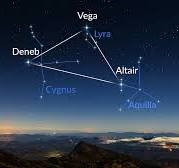
  • Where to Look: High overhead; a long cross pattern with the bright star Deneb at its top.
  • How to See: Naked eye; the Northern Cross shape is easy to point out, with the long “body” running north–south.
  • Fun Fact: Cygnus is part of the giant “Summer Triangle” with Lyra and Aquila, making an epic sky marker for children.skyandtelescope+2

5. Lyra

  • Best Time: Directly overhead or just west of overhead, after dusk.
  • Where to Look: Spot the dazzling, blue-white star Vega—one of the three corners of the Summer Triangle.
  • How to See: Naked eye for the main star; those with binoculars can find nearby star clusters.
  • Fun Fact: Vega is one of the brightest stars in the sky and just 25 light years away.constellation-guide+1

6. Aquila

  • Best Time: High in the southern sky during evening.
  • Where to Look: Look for its bright star Altair, flanked by two fainter stars in a straight line.
  • How to See: Naked eye; the straight line points the way to other Summer Triangle stars.
  • Fun Fact: Aquila represents an eagle in mythology and is connected to the hero Hercules.skyandtelescope+2

  • Best Time: 9:00 p.m. to midnight. This is when all the bright “autumn constellations” are above the horizon and easy for kids who don’t want to stay up too late.
  • Best Place: Any clear spot with an open view of the sky (backyard, field, park). City lights drown out fainter stars, but the constellations above are bright enough to see from suburbs and cities alike.
  • Weather: Look for dry, clear nights—the stars will look their sharpest after a cool front sweeps through.
  • Moon Phase: For spotting more stars, plan viewing near a New Moon (September 21, 2025). Even with some moonlight, bright constellations listed here remain visible.

Family-Friendly Viewing Tips

  • Use a Blanket or Reclining Chair: Looking up for long periods is much more comfortable lying down or with good back support.
  • Let Your Eyes Adjust: Fifteen minutes in darkness helps everyone spot more stars—avoid cell phone screens.
  • Apps and Charts: Use a family-friendly app (like Sky Tonight or Star Walk 2) or print a sky chart to help kids “star-hop.”
  • Star Story Nights: Share the myths and facts about each constellation—let kids imagine and create their own sky stories!

Bonus: What About Binoculars?

Most constellations above are best recognized by eye—but binoculars unlock new delights:

  • See fuzzy star clusters in Andromeda, Cassiopeia, and Cygnus.
  • Spot Jupiter’s moons, Saturn’s golden glow, and even the Andromeda Galaxy’s shape more clearly.

References & Further Exploration

  1. [Star Walk – Astronomical Events September 2025]starwalk
  2. [Constellation Guide – September Constellations]constellation-guide
  3. [Adler Planetarium Skywatch – September 2025]adlerplanetarium
  4. [What’s Out Tonight PDF Sky Chart]kenpress
  5. [Sky at Night Magazine]skyandtelescope
  1. https://starwalk.space/en/news/deep-sky-objects-in-september
  2. https://starwalk.space/en/news/night-sky-tonight-september
  3. https://www.kenpress.com/files/2025WOT09Sep.pdf
  4. https://ts2.tech/en/all-eyes-on-the-skies-september-2025-celestial-spectacles-meteor-showers-eclipses-more/
  5. https://www.space.com/stargazing/15-must-see-naked-eye-skywatching-events-in-2025
  6. https://www.highpointscientific.com/astronomy-hub/post/night-sky-news/2025-astronomical-calendar
  7. https://www.skyatnightmagazine.com/space-science/t-coronae-borealis-nova
  8. https://skyandtelescope.org/astronomy-news/observing-news/this-weeks-sky-at-a-glance-september-20-29/
  9. https://www.livescience.com/space/the-10-best-stargazing-events-of-2025
  10. https://www.rmg.co.uk/stories/space-astronomy/space-astronomy-highlights-2025
  11. https://www.constellation-guide.com/constellations-by-month/september-constellations/
  12. https://www.adlerplanetarium.org/?p=gray_picnic

How to Get Started in the Hobby of Astronomy: The Updated 2025 Guide.

Curiosity about the cosmos has never been higher, and with today’s wealth of resources, getting started in astronomy is easier and more rewarding than ever. Whether you dream of seeing the rings of Saturn, want to marvel at meteor showers with your family, or simply crave quiet nights under the stars, 2025 offers new tools, sky events, and community connections for beginner and advancing astronomers alike. Here’s your updated roadmap to exploring the universe from right where you are.


Why Astronomy?

Astronomy connects us across space and time. Watching the night sky fosters awe, science curiosity, and a sense of place in the cosmos. It’s also an easy, affordable hobby—no expensive gear required to begin—making it perfect for families, solo explorers, and lifelong learners.


1. Start With the Naked Eye

Astronomy is an outdoor nature hobby. The most important first step is simply to go outside at night and look up. Take in the Moon, note the brightest “stars” (some are planets!), and see if you can spot patterns or constellations as the ancients did.skyandtelescope+2

  • Learn the sky’s basics:
    • Identify a few bright stars (like Vega, Arcturus, or Sirius).
    • Trace constellation shapes: the Big Dipper, Orion, Cassiopeia, or the Summer Triangle are perfect starters.
  • Use a star wheel (planisphere) or printable star map to guide your exploration—these show you “what’s up” based on date and time.ras
  • Observe the sky regularly: Patterns change with the seasons, making the hobby fresh all year.planetary+1

2. Leverage Modern Technology: Apps and Online Resources

Smartphones and tablets have revolutionized astronomy. Point your device at the sky, and apps instantly tell you what you’re seeing—stars, planets, constellations, satellites, and more.highpointscientific+2

Top free/recommended apps for 2025:

  • Stellarium Mobile (Android free, iOS paid): A digital planetarium; see real-time sky maps.
  • SkyView Lite (iOS/Android): AR overlays highlight and name sky objects.
  • Star Walk 2 Free (iOS/Android): Beautiful, intuitive, and great for families.
  • Sky Map (Android): Simple, reliable, always free.

Tips:

  • Download your app of choice and allow camera/location access.
  • Use the built-in night mode (often red light) to preserve your night vision.
  • Try exploring ahead of time: many apps let you “time travel” to future (or past) sky events.

3. Upgrade Your Sky Experience With Binoculars

You don’t need a telescope to see more! Binoculars are a simple, budget-friendly next step that reveal lunar craters, Jupiter’s moons, and star clusters invisible to the naked eye.discoverspace+1

  • Ideal specs: 7×50 or 10×50 binoculars are a common recommendation—big enough to gather light, light enough to hold.ras+1
  • Bonus: Binoculars are great for daytime use as well (birds, landscapes)—and you might already have a set in the closet!

4. Join the Astronomy Community

Astronomy is a social hobby!

  • Find a local astronomy club: Most welcome beginners and host star parties, telescope “try-it” nights, and educational programs.reddit+1
  • Online forums and social groups (Cloudy Nights, Reddit’s r/Astronomy or r/Stargazing): Share your questions, photos, and discoveries; get advice before buying equipment.cloudynights
  • Attend virtual sky events: Many observatories stream sky tours or planetary alignments, with real-time Q&A.

5. Try a Telescope (When Ready!)

Ready to go deeper? Take your time before buying a telescope; starting with binoculars or observing with a club is often best.pathloom+2

For 2025, these beginner scopes earn high marks:

  • Celestron Inspire 100AZ (refractor): “Best beginner telescope for kids,” easy to use.space+3
  • Celestron NexStar 5SE (computerized): Tracks objects for you, great optics, top pick for families and serious beginners.nytimes+1
  • Sky-Watcher Heritage 100P Tabletop Dobsonian: Compact, portable, and praised for value.skyatnightmagazine+1

Pro tips:

  • Avoid low-quality “toy store” telescopes—they often disappoint.ras
  • Look for scopes with sturdy mounts, good finders, and included eyepieces.
  • Many scopes now feature smartphone app integration to help you find and track objects.pathloom+1

6. Keep Learning and Observing

  • Get a good starter book: “NightWatch” by Terence Dickinson or “Turn Left at Orion” are favorites.
  • Follow a sky calendar: Websites like Stellarium-Web, timeanddate.com, or astronomy magazines highlight each month’s best events.
  • Track your observations: Keep a simple logbook or photo journal—kids especially love charting their “discoveries.”

7. Best Practices for Enjoyable Stargazing

  • Dress warmly, bring snacks, and a comfortable chair.
  • Use red light only: Protect your (and your family’s) night vision.
  • Be patient: Some objects (distant galaxies, nebulae) can be faint even through good optics.
  • Adapt to your sky: Even in cities, planets, the Moon, and some bright stars/charts remain visible.planetary+1
  • Share the moment: Stargazing is more fun with others—invite friends, neighbors, or participate in community events.

8. Exciting 2025 Sky Events for Beginners

This year’s memorable highlights include:astronomy

  • Saturn’s rings edge-on (rare sight!).
  • Total lunar eclipse (visible in the Americas).
  • Mars at opposition (bright and easy to spot).
  • Meteor showers: Perseids (August), Geminids (December)—great with the naked eye or binoculars.

Summary Checklist: Getting Started in Astronomy, 2025 Edition

  • Step outside and look up often
  • Use a planisphere/star chart or a free sky app
  • Grab binoculars for a better view (7×50 or 10×50)
  • Join a club or online community
  • Try a telescope only after learning your way around the sky
  • Keep a log and have fun with family and friends
  • Follow a sky calendar for upcoming cosmic events

Resources and References

  1. Sky & Telescope – How to Start Right in Astronomyskyandtelescope
  2. The Planetary Society – Astronomy for Beginners Guideplanetary
  3. Royal Astronomical Society – Getting Started in Astronomyras
  4. BBC Sky at Night Magazine – Best Telescopes for Beginners 2025skyatnightmagazine
  5. Space.com – Best Beginner Telescopes 2025space+2
  6. Wirecutter (NYT) – Best Telescopes for Beginners 2025nytimes
  7. High Point Scientific – Top 25 Essential Tips for Beginner Astronomershighpointscientific
  8. Reddit Beginners’ Advice – Astronomy & Stargazingreddit+1
  9. Pathloom – Astronomy Gear Guidepathloom
  10. Stellarium Web, SkyView Lite, Star Walk 2 Free, Sky Map – Top Free Astronomy Apps for 2025

Enjoy your journey—every night sky is a new adventure. Clear skies in 2025 and beyond!

  1. https://skyandtelescope.org/astronomy-resources/stargazing-basics/how-to-start-right-in-astronomy/
  2. https://ras.ac.uk/education-and-careers/for-everyone/92-getting-started-in-astronomy
  3. https://milwaukeeastro.org/beginners/getting_started.asp
  4. https://www.planetary.org/night-sky/astronomy-for-beginners
  5. https://www.highpointscientific.com/astronomy-hub/post/astronomy-101/top-25-tips-for-beginner-astronomers
  6. https://www.reddit.com/r/Stargazing/comments/nzonu1/a_beginners_guide_to_stargazing/
  7. https://discoverspace.org/astronomy-equipment-dos-and-donts/
  8. https://www.reddit.com/r/Astronomy/comments/4xuin1/i_want_to_get_into_astronomy_as_a_hobby_but_dont/
  9. https://raleighastro.org/getting-started-in-astronomy/
  10. https://www.cloudynights.com/topic/957045-new-to-astronomy-advice/
  11. https://www.pathloom.com/post/beginners-astronomy-guide-basic-astronomy-gear
  12. https://www.space.com/15693-telescopes-beginners-telescope-reviews-buying-guide.html
  13. https://www.skyatnightmagazine.com/top-astronomy-kit/best-telescopes-beginners
  14. https://www.space.com/31229-best-beginner-telescopes.html
  15. https://www.livescience.com/best-telescopes
  16. https://www.nytimes.com/wirecutter/reviews/best-telescopes-for-beginners/
  17. https://www.reddit.com/r/telescopes/comments/1j0hv3f/is_it_just_me_or_is_this_a_terrible_list_of_2025/
  18. https://www.astronomy.com/observing/sky-guide-2025/
  19. https://www.instructables.com/How-to-Get-Started-in-Amateur-Astronomy/
  20. https://skyandtelescope.org/astronomy-resources/stargazing-basics/

Exploring the Night Sky with Astronomy Apps: A Family-Friendly Guide for Beginners and Advanced Stargazers

Whether you’re peering out at the Milky Way from your backyard, helping your kids spot the Big Dipper, or hunting down Saturn’s rings with binoculars, the universe is easier to explore today than ever before—thanks to an amazing new generation of astronomy apps. These digital tools turn any smartphone or tablet into an instant, interactive stargazing guide, making skywatching fun, accessible, and endlessly educational for people of all ages.

Here’s a comprehensive, family-friendly article that introduces the best sky identification apps, explains how they work, and shares tips so beginners and advanced astronomers can get the most from every night under the stars.


Why Astronomy Apps Are a Game-Changer for Families

Remember the days of star charts and red flashlights? While they’re still classic tools, today’s stargazers, from kids to grandparents, can now simply hold up a phone or tablet, point it at the sky, and instantly see celestial names and constellation outlines overlaid on the live view. These apps use your device’s compass, gyroscope, and camera to pinpoint exactly what you’re looking at—planets, stars, nebulae, satellites, and more—right in your backyard, on vacation, or at a campground.

Benefits for Families and Beginners:

  • No prior astronomy knowledge needed.
  • Instantly answers “What’s that bright light?” or “Where’s Mars?”
  • Interactive, engaging, and fun for all ages—ideal for family skywatching nights, school projects, and even solo exploration.
  • Encourages outdoor, screen-free learning (well, almost screen-free!).

Advanced Features for Experienced Observers:

  • Deep databases for finding faint objects and rare events.
  • Detailed information, including visibility charts, rise/set times, and object tracking.
  • Telescope-control integration (for compatible models).
  • Event alerts for planet conjunctions, meteor showers, eclipses, and more.

The Best Smartphone & Tablet Astronomy Apps (2025 Edition)

Let’s dive into the top star-gazing apps—their features, platforms, and what makes them stand out for new and experienced astronomy fans alike.

1. Stellarium Mobile – Star Map

Why families love it:
Stellarium is widely praised for its accuracy, beautiful interface, and sheer depth of information. Just open the app, point your device at any part of the sky, and it labels everything you see. Tap any star, planet, or constellation for real-time facts and myths, or explore its catalog of thousands of celestial objects tailored to your exact location and time.

  • Best For: Families wanting a rich, interactive learning experience. Advanced users appreciate the comprehensive settings and search tools.
  • Top Features:
    • AR overlays; identify what’s in frame, day or night
    • Rich constellation art (choose various cultural traditions)
    • Satellites and ISS tracking
    • Calendar of visible events
    • Night (red) mode
  • Platforms: iOS, Android

2. SkyView / SkyView Lite

Why families love it:
SkyView is easy, accessible, and visually striking. Its augmented reality overlays make it simple for anyone to recognize stars, planets, and satellites instantly by just holding up their phone. Great for quick “wow” moments and impromptu learning.

  • Best For: Quick identification and family fun—especially with younger kids.
  • Top Features:
    • “Time Travel” mode—see past and future skies!
    • Find and track the International Space Station
    • Custom reminders for when planets or satellites become visible
    • Simple, colorful graphics
  • Platforms: iOS, Android (free and paid versions)

3. Sky Guide

Why families love it:
Sky Guide’s clean interface and gorgeous animation make it a hit for iPhone and iPad users. It works offline, so it’s great for campouts or rural adventures. Families love its event notifications and easy-to-read constellation stories.

  • Best For: Apple device users and those who enjoy beautiful, intuitive design.
  • Top Features:
    • Real-time AR sky view with overlays
    • Works without Wi-Fi or GPS
    • Notifies you when the ISS or major events are overhead
    • Background music and soundscape for added immersion
  • Platforms: iOS

4. Star Walk 2

Why families love it:
Star Walk 2 combines AR technology with educational stories, vibrant illustrations, and a daily “Visible Tonight” guide—a big help for planning family stargazing outings.

  • Best For: Kids and teens who love bright visuals and learning fun facts.
  • Top Features:
    • Night mode and customizable notifications
    • Calendar of celestial events
    • Mythology and facts for all objects
    • Identify planets, stars, constellations, comets, and satellites
  • Platforms: iOS, Android

5. Night Sky

Why families love it:
Night Sky is a robust, all-in-one tool for sky exploration—especially for Apple users. It features AR overlays, satellite tracking, planet info, and even “Sky Tags” for cataloging discoveries.

  • Best For: iPhones, iPads, and Apple Watch users who want the most features.
  • Top Features:
    • AR planetarium and constellation overlays
    • Works with Apple Watch; use voice search
    • Meteor shower and satellite tracking
    • Deep object catalog
  • Platforms: iOS

How to Use These Apps: Step-by-Step

  1. Download and install your chosen app.
    • Many offer free “Lite” versions; premium versions unlock all features, but basics are usually free.
  2. Allow necessary permissions.
    • The app needs access to your camera, compass, and sometimes location.
  3. Step outside, away from bright lights.
    • The darker your surroundings, the more you’ll see on both the app and in the real sky.
  4. Point your phone or tablet up.
    • The live sky will appear labeled—object names, constellation lines, and sometimes mythological illustrations.
  5. Tap and explore!
    • Press on objects for quick facts, stories, distances, and even telescope recommendations.
  6. Try time-travel or AR features.
    • See what the sky looked like on your birthday, or preview an upcoming meteor shower.

Family and Beginner Activity Ideas

  • Constellation Quest: Each night, challenge the family to find one new constellation or planet using the app.
  • Sky Bingo: Make a list or use the app’s suggestions—can you spot the ISS, Saturn, and the Summer Triangle in one night?
  • Star Stories: Read aloud the myths and facts that most apps include for every constellation or object.
  • Photography Night: Use the app to identify and frame stars or planets, then try to capture them with your smartphone or camera.

Advanced Explorer Tips

  • Plan deep-sky observations: Apps let you know the best nights for faint clusters, galaxies, or nebulae.
  • Track satellites: See the ISS pass overhead (big hit with all ages).
  • Telescope control: Some premium apps can connect to compatible telescopes for automated pointing.
  • Monitor events: Get alerts for eclipses, meteor showers, or planet conjunctions—never miss a sky show!

Frequently Asked Questions

Q: Do I need internet or data while stargazing?
A: No—most good apps download star catalogs in advance and work offline. Some event updates require checking in while you’re still on Wi-Fi.

Q: Are the apps safe for kids?
A: Absolutely! Most are family-oriented, ad-free in paid versions, and full of educational content. Supervise young children using devices outside, especially at night.

Q: Can these apps help in the city?
A: Yes—they filter out objects hidden by light pollution and highlight bright stars and planets visible from your location.

Q: Will binoculars or telescopes work with these apps?
A: Definitely! Use your phone to find the object, then line up your optics for a closer view. Some apps can even suggest telescope settings.


Wrapping Up: A Universe of Adventure in Your Pocket

From finding the North Star to spotting planets and satellites, modern astronomy apps let every family unlock the mysteries of the night with a simple swipe. They level the playing field—no need for expensive gear or expert knowledge—just curiosity and a sense of wonder.

Download one of these top apps, gather the family, and start your sky adventure—who knows what amazing sights you’ll discover together tonight?


References & Further Exploration

  1. Stellarium Mobile – Star Map (stellarium-labs.com)
  2. SkyView® and SkyView® Lite (terminaleleven.com)
  3. Sky Guide (fifthstarlabs.com)
  4. Star Walk 2 (starwalk.space)
  5. Night Sky (iCandi Apps Ltd)
  6. NASA Night Sky Network – Family Stargazing Activities
  7. Sky & Telescope – Best Astronomy Apps for 2025
  8. EarthSky – Getting Started with Stargazing Apps

Clear skies and happy exploring!

101 Amazing Sights of the Night Sky by George Moromisato: A Family-Friendly Review and Summary

Introduction

“101 Amazing Sights of the Night Sky” by George Moromisato is a beloved guidebook—a treasure trove for families, beginners, and even seasoned astronomy lovers who want to make the most of every clear night. Written with warmth and enthusiasm, it brings the universe down to Earth, showing that awe and discovery are always within reach, whether you’re wrapped up on your back porch or hiking to a dark-sky park.target+2

This review summarizes the book’s approach, highlights, and educational value in accessible, family-friendly language—perfect for introducing everyone in your household to the wonders above.

What’s the Book About?

Moromisato’s book is truly what its title promises: an easy-to-use, visually rich tour of the most breathtaking and interesting objects—and events—you can spot in the night sky, no matter your experience level. It introduces a vast menu of 101 objects and phenomena: from the familiar (Saturn’s rings, meteor showers, the phases of the Moon) to the distant (the Andromeda Galaxy, glowing nebulae, faraway planets), and even includes some rare atmospheric and satellite sights.adventurewithkeen+3

Key Features:

  • Each of the “101 sights” is clearly explained, with tips on how, when, and where to view it.
  • The objects are rated for beauty, accessibility, and importance. This helps families and newbies choose which to tackle on their next stargazing adventure.
  • The guide requires only the naked eye or a pair of binoculars for most entries; a few might need a simple, small telescope.
  • Every entry is supported by at least one full-color photograph, including many breathtaking NASA or amateur images.
  • The book includes helpful astrophotography tips for families eager to snap their own night sky shots, making it a great bridge into a hands-on science hobby.

How Is the Book Organized?

Moromisato structures the book to be practical and inspiring for real-life use, with easy reference for planning family skywatching nights.adventurepublications+3

  • Top Sights: The book starts with the “must-see” objects—Saturn, the Moon, the brightest planets—so that even new skywatchers can experience instant wonder.
  • Great Sights: The next section dives into slightly more challenging targets, such as recognized deep-sky objects, bright variable stars, and double stars.
  • Other Sights: The final entries cover atmospheric phenomena (like halos and aurora), satellites, and more elusive cosmic mysteries for those ready to go deeper.

Each sight is presented in a consistent, friendly format:

  • Name and Overview: What you’ll see, and why it’s amazing.
  • How to Find: Constellation/sky directions, seasonal tips, best times of year.
  • Viewing Advice: Whether you’ll need just your eyes, binoculars, or a small telescope.
  • Photographic Image: At least one real, striking photo per entry.
  • Interesting Facts: Pointers and trivia to keep all ages hooked and learning.

What Makes This Book Family and Beginner Friendly?

1. Accessibility and Clarity

Moromisato knows the sky can feel overwhelming. His writing demystifies the subject, walking readers through each object with clear, step-by-step advice. No astronomy jargon here: everything is in plain English and with references to what you’d see standing in your own backyard.wellreadnaturalist+3

2. Hands-On Activities and Learning

  • Skywatching as a Game: The book is like a “checklist” or scavenger hunt for night sky objects. Challenge your family to find as many as you can!
  • Astrophotography for Beginners: Tips are provided for taking your own photos—even with a smartphone—making it easy to share your discoveries and memories.

3. Ratings and Photos

With every sight rated by beauty, accessibility, and importance—plus a full-color image—the book helps families pick sky targets according to weather, time, and interest.

4. Encouragement for All Ages

  • The encouraging, conversational tone makes everyone feel at home—whether you’re 6 or 60, using your first pair of binoculars or a well-worn telescope.
  • Practical advice is provided for dealing with real-world challenges like light pollution, clouds, and late-night fatigue.adventurepublications+1

Here are just a few of the 101 highlights the book will guide you to:

  • Saturn’s Rings: Instructions for viewing and what to expect for first-timers through a scope or binoculars.
  • The Andromeda Galaxy: Step-by-step for finding the nearest major galaxy to our own, even from the suburbs.
  • The Orion Nebula: How to spot this legendary nursery of newborn stars with your eyes or low-powered optics.
  • The Pleiades (Seven Sisters): Family favorite; how to count the stars in this beautiful cluster and what makes it unique.
  • The North Star (Polaris) & Constellations: Helps everyone from true beginners to scouts learn their way across the sky.
  • International Space Station & Satellites: When and how to watch them zip by—a big hit with kids.
  • Meteor Showers & the Milky Way: When to catch spectacular, fleeting events or understand the glowing river overhead.

Equipment Advice: Naked Eye, Binoculars, or Telescope?

The book is rooted in Moromisato’s belief that anybody—anywhere—can enjoy the wonders of the night sky. He reminds readers:

  • Many listed objects need only your eyes and patience.
  • A pair of binoculars (often already in the closet) unlocks dozens of new sights and details, such as star clusters, nebulae, and satellites.
  • A small telescope opens even more, but is not required for most sights. Moromisato gives down-to-earth, non-technical tips for telescope users if your family wants to go deeper.

He also shares “dark sky” tips and tricks for urban viewers who battle light pollution, making the book usable for city and rural families alike.wellreadnaturalist+1

Educational Value and Family Activities

Beyond just looking up, “101 Amazing Sights of the Night Sky” encourages family learning with:

  • History and Mythology: Short stories about how and why objects got their names and their roles in different cultures.
  • Science Facts: Tidbits about distances, sizes, discoveries, and what makes each target unique or scientifically significant.
  • Observation Challenges: Encouragement to try sketching what you see, keeping a stargazing notebook, or engaging in backyard “astronomy nights” as a family tradition.
  • Astronomy as Life-Long Learning: The book closes by reminding readers that astronomy is a journey, not a destination, and always something new awaits—just look up!

Visual Experience

The full-color images are a highlight, inspiring kids and adults to imagine what is possible with their own cameras or a night out with friends. The visuals are not just pretty—they’re tools for learning, showing exactly what to expect and sparking curiosity for more.target+1

Final Thoughts: Why Your Family Will Love This Book

George Moromisato’s guide stands out for its easygoing spirit, practical advice, and inclusive approach. It makes the universe welcoming—no intimidating language or unrealistic requirements. Whether you organize a meteor shower night with neighbors or simply help your child spot Saturn’s golden disk, every chapter helps turn curiosity into a lifetime love of the stars.

Perfect for:

  • Families with young children, teens, or grandparents.
  • Beginners wanting a “bucket list” of the best sky sights.
  • Anyone seeking safe, educational, and memorable nights outdoors.
  • Parents and teachers looking for science enrichment ideas that require little or no gear.

References & Further Reading

For more on George Moromisato’s book, stargazing equipment, and family science activities, these sites provide further background and useful tips:

  1. [Adventure Publications – Book Information]target
  2. [Well-Read Naturalist – Book Review]wellreadnaturalist
  3. [AdventureKEEN Shop – Book Details]adventurewithkeen
  4. [Target – Product Synopsis]target
  5. [Barnes & Noble – Reader Feedback]barnesandnoble
  6. [Apple Books – Book Preview]books.apple
  7. [Adventure Publications Blog – Author Tips]adventurepublications
  8. [NASA Night Sky Network – DIY Stargazing]adventurepublications
  9. [Sky & Telescope – Astronomy for Beginners]wellreadnaturalist

Footnotes

  • Photographs included in the book may be from public NASA sources or the author’s own astrophotography; all presented with educational purposes.
  • Most observing tips are applicable worldwide, but sky objects’ visibility may vary by latitude and season.
  • Equipment recommended (binoculars, telescopes) need not be high-end; the book is tailored for practicality and accessibility.

In short: If your family wants to enjoy the stars, grow closer on summer nights, and get inspired by the universe, “101 Amazing Sights of the Night Sky” is your perfect sky companion.adventurewithkeen+3

  1. https://www.target.com/p/101-amazing-sights-of-the-night-sky-by-george-moromisato-paperback/-/A-83220805
  2. https://shop.adventurewithkeen.com/product/101-amazing-sights-of-the-night-sky/
  3. https://www.wellreadnaturalist.com/2020/06/beginning-to-look-up/
  4. http://blog.adventurepublications.net/2017/01/night-sky/
  5. https://www.barnesandnoble.com/w/101-amazing-sights-of-the-night-sky-george-moromisato/1124463792
  6. https://books.apple.com/mt/book/101-amazing-sights-of-the-night-sky/id1184359936
  7. https://www.goodreads.com/book/show/31213575-101-amazing-sights-of-the-night-sky
  8. https://www.walmart.com/ip/101-Amazing-Sights-of-the-Night-Sky-A-Guided-Tour-for-Beginners-Paperback-9781591935575/55340475
  9. https://www.goodreads.com/author/list/15515530.George_Moromisato
  10. https://shop.adventurewithkeen.com/product/amazing-sights-of-the-night-sky-playing-cards/
  11. https://www.thebirdhouseny.com/product/101-amazing-sights-of-the-night-sky/
  12. https://www.tumbleweedbotanicals.com/product/101-amazing-sights-of-the-night-sky-a-guided-tour-for-beginners-by-george-moromisato/10425
  13. https://business.walmart.com/ip/101-Amazing-Sights-of-the-Night-Sky-A-Guided-Tour-for-Beginners-Paperback-9781591935575/55340475
  14. https://www.armstrongmuseum.org/de/product/101-Amazing-Sights-of-the-Night-Sky
  15. https://booksrun.com/9781591935575-101-amazing-sights-of-the-night-sky-a-guided-tour-for-beginners
  16. https://www.indigo.ca/en-ca/101-amazing-sights-of-the-night-sky-a-guided-tour-for-beginners/1D7A87CA-57BC-4E69-8F1C-C0FCA2CA7E20.html
  17. https://www.mission-valley.com/buy/product/101-amazing-sights-of-the-night-sky-by-george-moromisato-paperback-target-8c00de?model=0&variant=0
  18. https://www.bluewaterweb.com/101-amazing-sights-of-the-night-sky.html
  19. https://cloudbreakoptics.com/products/101-amazing-sights-of-the-night-sky
  20. https://www.goodreads.com/en/book/show/31213575-101-amazing-sights-of-the-night-sky

The August 2025 Six-Planet Parade: A Family-Friendly Guide to a Rare Celestial Spectacle

In the early mornings of August 10 and 11, 2025, the night sky will present a dazzling spectacle: a rare alignment of six planets—Mercury, Venus, Jupiter, Saturn, Uranus, and Neptune—stretching in a graceful arc across the pre-dawn sky. Planetary alignments like this are infrequent and always generate excitement among both new stargazers and seasoned skywatchers. This article explains how to witness the event, what to look for, and how to make it an educational and joyful experience for the whole family.

What Is a Six-Planet Alignment?

A six-planet alignment happens when six of the solar system’s major planets are visible together along the ecliptic—the path the Sun takes across the sky. On August 10–11, the planets won’t literally “line up” in space (they are spread across vast distances and orbits), but from Earth, they appear to gather in a sweeping arc above the horizon, creating an unforgettable sight.

Why Is This Event Special?

  • Rarity: Alignments with this many visible planets occur only every few years. The next comparable event won’t happen until 2026.
  • Visibility: Four of the six—Mercury, Venus, Jupiter, and Saturn—will be visible to the naked eye, making this a beginner-friendly event.
  • Educational Value: It’s a hands-on way to grasp planetary movements and differences.
  • Photographic Opportunity: For astro-photographers and families, capturing multiple planets in one shot is a rewarding challenge.

When and Where to Watch

Dates:

  • August 10 and 11, 2025 (with some planetary groupings visible a few days before and after)

Best Time:

  • 1 hour before sunrise (This is when the sky is still dark enough, but planets have risen above the horizon.)

Location:

  • Face East and Southeast: The lineup forms a curve from the low eastern horizon up toward the southern sky.
  • Find a Low Horizon: A clear, unobstructed view of the eastern sky is essential—avoid trees and buildings.

General Timing for Sunrise (USA):

  • East Coast sunrise: about 6:05–6:20 am local
  • Midwest sunrise: 6:15–6:30 am
  • Mountain/West: 6:30–7:00 am

Ideal Viewing:

  • 5:00 am–6:00 am local time

How to Find Each Planet

Let’s walk east to south along the horizon—and up in the sky—following the parade.

1. Mercury

  • Where: Very low in the east, just above the horizon.
  • How bright: Bright, but requires a very clear view and is easily lost in twilight.
  • Tip: Spot it first—it rises soon before the Sun and disappears quickly in the dawn glow.

2. Venus

  • Where: Just above Mercury, higher in the eastern sky.
  • How bright: The brightest “star” in the sky (often called the Morning Star)—can even cast a shadow in very dark places!

3. Jupiter

  • Where: High above and a little right of Venus.
  • How bright: Second only to Venus in brightness. Look for a steady, bright point; unlike stars, it does not twinkle.

4. Saturn

  • Where: Further to the right (toward south), middle-high above the horizon.
  • How bright: Fainter than Jupiter and Venus, with a golden to yellow hue. With binoculars or a small telescope, its rings are visible.

5. Uranus

  • Where: Lying between Jupiter and Venus, but not visible to the naked eye.
  • How to see: Use binoculars or a small telescope, and a sky map or app to pinpoint its faint, aqua dot.

6. Neptune

  • Where: Further right (toward south-southeast), near Saturn on the sky arc.
  • How to see: The farthest and faintest, Neptune requires a telescope, appearing as a tiny, bluish dot. Use a detailed sky app to locate precisely.

Making It Fun for Everyone: Activities for Families and Stargazers

1. Host a Planet Parade Party

  • Lay out blankets or set up chairs for the family in the backyard, a park, or a local high vantage point.
  • Bring breakfast treats and hot drinks for the early-morning adventure.

2. Use Sky Apps

  • Apps like Stellarium, Sky Tonight, or SkySafari will show exactly where to find each planet in your local sky.

3. Planet Scavenger Hunt

  • Give kids a checklist of planets to find. See who can spot the most with the naked eye and who finds Uranus and Neptune with binoculars.

4. Comparing Colors and Brightness

  • Talk about how planets look different:
    • Venus and Jupiter: very bright and white-yellow
    • Saturn: softer golden glow
    • Mercury: low, sometimes reddish, slightly twinkly
    • Uranus: faint blue-green dot
    • Neptune: faintest, blue-tinted (for telescope users)

5. Astrophotography Challenge

  • Take wide-angle smartphone or camera pictures. Jupiter, Venus, and Saturn can appear as bright dots; more advanced cameras may catch all six.

6. Incorporate Simple Astronomy Lessons

  • Explain orbits and why planets sometimes gather in our sky.
  • Teach why planets don’t twinkle (their disks are larger than pinpoint stars).
  • Share facts about each planet’s features (rings of Saturn, moons of Jupiter, etc.)

Tips for a Memorable Planet Parade Experience

  • Arrive Early: Give yourself time to get set up before dawn.
  • Check Weather: A cloud-free eastern horizon is key.
  • Let Eyes Adapt: The longer you’re outside, the more you’ll see; avoid bright screens.
  • Safety: Be cautious if venturing away from home—bring a flashlight, stay together, and be mindful of uneven ground.

Fun Facts to Share

  • Venus and Jupiter are so bright because their dense clouds reflect lots of sunlight.
  • Saturn’s rings are visible even in small telescopes, and Jupiter’s moons sometimes show as tiny points beside it.
  • Uranus and Neptune, while faint, are about 1.8 and 2.8 billion miles from Earth!
  • Planetary alignments are a quirk of our view from Earth, not cosmic rarity—yet seeing so many together is special.

Wrapping Up

The August 2025 six-planet parade is a cosmic event you won’t want to miss—whether you’re sharing first-time discoveries with your children, adding Uranus or Neptune to your observing log, or simply marveling at the solar system’s grandeur. The memories of waking before dawn and exploring the universe together can last a lifetime. So set your alarm, gather your family, and look east for an extraordinary morning under the planets!

References & Further Reading

  1. EarthSky – 2025 Planet Parade and Viewing Guides
  2. Sky & Telescope – How to See the 2025 Planetary Alignment
  3. NASA Night Sky Network – August 2025 Preview
  4. Stellarium Web – Interactive Sky Map (Free)
  5. Royal Astronomical Society – Family Skywatching Tips
  6. American Meteor Society – August 2025 Sky Calendar

Viewing times may vary slightly by location; use a planetarium app for the most accurate sunrise and planet positions in your area. For an even better experience, combine planet-watching with the Perseid meteor shower, which peaks a day later!

Clear skies and happy planet hunting!

The August 2025 Night Sky: A Month of Wonders for Every Astronomer

August 2025 is a month made for stargazers, families, and fans of the cosmos. From the dazzling Perseid meteor shower and stunning planetary alignments to star-filled constellations and deep-sky treasures, the heavens are set to entertain both newcomers and dedicated astronomers. Whether you’re lying on a blanket with your kids, introducing friends to their first meteor, or searching the galaxy’s heart with your telescope, August’s night sky will not disappoint. Here is your comprehensive, family-friendly guide to the celestial spectacles of this unforgettable month.

Table of Contents

  1. August Nights: Why This Month Is Special
  2. The Perseid Meteor Shower – The Ultimate Showstopper
  3. A Parade of Planets: Jupiter, Saturn, Venus, and Mars
  4. Constellations and Cosmic Patterns
  5. Deep-Sky Wonders: Nebulae, Clusters, and the Milky Way
  6. Unique Celestial Events in August 2025
  7. Tips for Beginners and Advanced Stargazers
  8. Family-Friendly Astronomy Activities
  9. Safety, Comfort, and Fun: Making Your Skywatch Special
  10. References & Further Reading

1. August Nights: Why This Month Is Special

Once the Sun sets in August, the balmy warmth and short nights of earlier summer begin to ease, making late-night and early-morning stargazing much more comfortable. Skies are often clearer, humidity drops, and the heart of our Milky Way climbs high overhead. For beginners, it’s the best time to see the brightest meteors, planets, and constellations. For seasoned astronomers, minimal moonlight during key nights creates ideal conditions for deep-sky discoveries and long-exposure photography.

2. The Perseid Meteor Shower – The Ultimate Showstopper

Dates to Watch: August 11–13, 2025
Peak Activity: Predawn hours, August 12th and 13th

The Perseids are the highlight of August’s sky, and 2025 is a banner year. With only a slim crescent Moon, the night will be perfectly dark for watching these “shooting stars.”

What are the Perseids?
They’re fragments of comet Swift-Tuttle, which Earth plows through every August. As these tiny pieces hit Earth’s atmosphere at 37 miles per second, they glow and streak across the sky in dramatic bursts.

How many will I see?
Under dark, rural skies, you may spot 50 or more meteors per hour at peak, with occasional “fireballs” and persistent glowing trains.

When and Where to Look:

  • Best Time: From 10 p.m. local time to dawn, with action ramping up after midnight.
  • Best Direction: The meteors appear to radiate from the constellation Perseus (northeast sky), but you can see them anywhere overhead—so recline, face northeast, and enjoy a 180-degree view.

Family Fun Tip:
Make a game of counting meteors, recording the brightest, or making a wish for each shooting star. Bring sleeping bags and enjoy a midnight picnic!

3. A Parade of Planets: Jupiter, Saturn, Venus, and Mars

Jupiter – King of the Night

  • When: Rises after sunset in the eastern sky; visible all night long.
  • Where: In Taurus, not far from the bright star Aldebaran.
  • How to See: Easy with the naked eye. Binoculars reveal up to four of Jupiter’s moons; a small telescope shows cloud bands and the famous Great Red Spot.

Saturn at Its Best – The Ringed Giant

  • Opposition Date: August 16, 2025 (closest to Earth, brightest, and largest)
  • Where: Southeast after dark, rising earlier each evening in Aquarius.
  • How to See: To the unaided eye, Saturn looks like a bright golden “star.” Through a telescope, its rings are stunning—this is the planet’s best showing all year!

Fun Fact: Saturn’s rings are nearly at maximum tilt, making them especially easy to see even with modest telescopes.

Venus – Morning Star Magic

  • When: Shining before dawn in the east (best the first two weeks of August).
  • How to See: Brilliant and impossible to miss, Venus is one of the brightest objects in the sky.

Mars – Distant Red Gem

  • When: Low in the eastern sky right before sunrise.
  • How to See: Reddish and faint, Mars hides among morning stars, best seen with the help of astronomy apps.

4. Constellations and Cosmic Patterns

The Summer Triangle

The asterism of Vega, Deneb, and Altair forms a triangle overhead. Each vertex leads to a different constellation—Lyra, Cygnus, and Aquila—rich with fascinating double stars and star clusters.

Scorpius & Sagittarius: The Milky Way’s Heart

Look to the south after dark for Scorpius’s curved tail and red Antares; to its left is Sagittarius, whose “Teapot” asterism pours “steam” right into the brightest stretch of the Milky Way—perfect for binoculars or telescope scanning.

Cygnus, the Swan

Also known as the Northern Cross, Cygnus soars through the thickest part of the Milky Way, offering beautiful sights like the double star Albireo (golden and blue) and the North America Nebula.

Perseus & Cassiopeia

Rising in the northeast after midnight, these constellations contain the Perseid meteor radiant and the sparkling Double Cluster.

5. Deep-Sky Wonders: Nebulae, Clusters, and the Milky Way

August is glorious for exploring deep-sky objects. Here are a few family favorites:

  • Lagoon Nebula (M8, Sagittarius): A glowing cloud teeming with newborn stars. Visible in binoculars as a misty patch; telescopes reveal greater detail.
  • Hercules Cluster (M13): A vast ball of hundreds of thousands of stars—easily found in binoculars between Vega and Arcturus.
  • The Double Cluster: In Perseus, two clusters packed with hundreds of stars, giving a 3D effect in binoculars.

6. Unique Celestial Events in August 2025

DateEventHow and When to See
August 4New MoonPerfectly dark skies for deep-sky observing
August 11–13Perseid Meteor Shower PeakAfter midnight, northeast sky
August 16Saturn at OppositionAll night, southeast sky, telescopic viewing
August 19First Quarter MoonMoon high at sunset, great for beginners
August 25–27Moon passes near JupiterEast, after sunset, perfect for a twin-view
August 28Full Sturgeon MoonRises at sunset, large and golden

7. Tips for Beginners and Advanced Stargazers

  • Start Simple: Use your eyes for meteors and bright planets; try binoculars for star clusters.
  • Set the Mood: Turn off all lights, let your eyes adapt for 20 minutes, and lie back for comfort.
  • Use Technology: Free apps (like Star Walk, Stellarium, SkySafari) help you find constellations and planets in real time.
  • Telescope Challenges: Advanced users, try hunting for faint planetary nebulae, supernova remnants (like the Veil Nebula in Cygnus), or the subtle colors of Albireo.
  • Keep a Logbook: Record what you see—drawing, writing, or snapping smartphone pictures.

8. Family-Friendly Astronomy Activities

  • Meteor Shower Party: Bring snacks and sleeping bags, and make it a summer tradition!
  • Planet Hunt: See who in the family can find the most planets with unaided eyes or binoculars.
  • Moon Phases Diary: Sketch or photograph the changing face of the Moon each night.
  • Shadow Play: Use the bright August full moon to make moonshadows on the grass—kids love it!

9. Safety, Comfort, and Fun: Making Your Skywatch Special

  • Dress Smart: Even in August, nights get cool—bring layers and bug spray.
  • Pick the Right Spot: The farther you are from bright city lights, the more you’ll see. National Parks and rural areas are ideal.
  • Red Flashlights: Preserve your night vision with red LED flashlights.
  • Respect Nature: Leave no trash, stay on paths, and be mindful of wildlife.

10. References & Further Reading

  1. American Meteor Society – Perseid Meteor Shower 2025 Guide
  2. Sky & Telescope – August 2025 Night Sky Events
  3. NASA Night Sky Network – Planets and Meteor Showers in August 2025
  4. Star Walk – August Astronomy Calendar & Event Details
  5. Royal Astronomical Society – Family Stargazing Resources
  6. Time and Date – Planetary Events and Moon Phases August 2025
  7. EarthSky – Exploring Summer Constellations
  8. Astronomy Magazine – Deep Sky Objects for August
  9. Stellarium Web Online Star Map – Free, Interactive Star Charts

Footnotes:

  • Meteor shower rates indicate maximums for dark, moonless, rural skies; suburban/city locations will see fewer meteors.
  • Planet rise/set times vary by your geography—consult a sky app for exact timing at your location.
  • Telescope recommendations assume a common entry-level or family telescope (60–90mm aperture).

In Summary: August’s Sky—A Nightly Invitation

August 2025’s night sky promises awe and discovery for every age and skill. Whether you’re spotting your first Perseid, showing a child the rings of Saturn, or photographing clusters deep in the Milky Way, the universe is open for exploration. So grab your family, friends, or simply your own sense of curiosity—and take your place under a sky sparkling with stories millions of years in the making. Clear skies and happy stargazing!

For more detailed charts, timeline planning, and expert tips, visit the American Meteor Society, NASA Night Sky Network, or your local planetarium’s monthly guide.

The Delta Aquariid Meteor Shower: A Beginner’s and Family Guide for July 28–31, 2025

Every summer, as July transitions into August, a lesser-known yet enchanting celestial event graces the night sky: the Delta Aquariid meteor shower. Peaking from July 28 to July 31, 2025, this meteor shower promises a memorable spectacle for families, skywatching beginners, and anyone hoping to experience a night of awe under the stars. This guide will help you understand, prepare for, and enjoy the Delta Aquariids—even if you’re new to stargazing.

What Are the Delta Aquariids?

The Delta Aquariids are an annual meteor shower named after the star Delta Aquarii in the constellation Aquarius, where the meteors appear to originate (their radiant point). The shower is caused by Earth passing through debris left behind by the comet 96P/Machholz. As tiny bits of comet dust enter our atmosphere at over 90,000 miles per hour, they burn up and streak across the sky as meteors, or “shooting stars”.

Why the Delta Aquariids Are Special

While the Delta Aquariid shower isn’t as famous as the Perseids in August, it is beloved by skywatchers for several reasons:

  • Steady Meteor Rate: During the peak, you can expect to see 15–20 meteors per hour from a dark, rural sky.
  • Early Show: It kicks off the summer “meteor shower season” and sometimes overlaps with early Perseid meteors for a double show.
  • Long-Lasting Meteors: Many Delta Aquariids produce faint but long-lasting trails—sometimes glowing for a second or more.

When and Where to Watch in 2025

Peak Dates & Times

  • Best Nights: July 28, 29, 30, and 31, 2025
  • Best Hours: Between midnight and 4:00 a.m. (local time). The shower is best after midnight when the constellation Aquarius climbs higher in the southern sky.
  • Moon Phase: The Moon will be a waning crescent, setting before the best radiant hours, leaving the sky mostly dark—excellent for meteor watching.

Where to Look

  • Direction: Face generally southeast or south. Find a broad, open view of the sky, focusing east to south.
  • Constellation: Meteors will radiate from the area near Aquarius, but “shooting stars” can appear anywhere overhead.

Preparing for Your Meteor-Watching Night

What You’ll Need

  • No Telescopes Required: Meteors move too fast for telescopes or binoculars; use just your eyes!
  • Comfort Essentials:
    • Blanket, sleeping bag, or reclining lawn chair to lie back and watch comfortably.
    • Warm clothes and bug spray—even summer nights can get chilly or buggy.
    • Snacks and drinks for your meteor party.
  • Optional:
    • A red flashlight (to preserve night vision).
    • Star charts or a free stargazing app for finding constellations like Aquarius and Capricornus.

Family-Friendly Tips to Maximize the Experience

1. Make It a Nighttime Picnic

Pack favorite snacks and turn the meteor shower into an event. Invite family, neighbors, or friends for a backyard “shooting star” picnic.

2. Get Kids Involved

  • Encourage children to keep count of meteors or sketch their favorite ones.
  • Turn it into a science lesson about comets, space, and Earth’s atmosphere.
  • Have kids make a wish on each shooting star!

3. Safety First

Observe from a safe location away from busy roads. Bring flashlights for safe navigation but keep lights off while watching.

4. Choose the Right Spot

For the best show, escape city lights. A rural park, beach, or even a family-friendly campsite will reveal many more meteors.

What to Expect

  • Patience Pays Off: It can take 15–20 minutes for your eyes to adapt to darkness. The more time spent outside, the more meteors you’ll see.
  • Persistence: Meteors arrive at random. Sometimes, several appear in a quick burst, followed by a lull.
  • Look Up All Around: While the radiant is in Aquarius, meteors may streak across any part of the sky.

Suggested Viewing Timeline

Time (Local)What’s HappeningTips
10:00 p.m.Twilight ends, stars appearSettle in and get comfy
MidnightAquarius rises higher, meteors beginStart serious watching
2:00–4:00 a.m.Peak meteor activityHighest rates, darkest sky
DawnShower ends as sky brightensTime for breakfast stories!

Fun Delta Aquariid Facts

  • Parent Comet: The debris stream comes from Comet 96P/Machholz—a visitor that returns every five years.
  • Speed: Delta Aquariid meteors travel at about 25 miles per second!
  • Best in the South: The further south you are (e.g., southern US states), the higher Aquarius appears, and the more meteors you’ll spot.
  • Double Show: Early Perseid meteors (from August’s more famous shower) sometimes mingle with the Delta Aquariids, offering extra surprises.

Bringing Astronomy to Life

Meteor showers are a magical entryway to astronomy for families and beginners. They require no equipment, no expertise—just a little patience, wonder, and a clear night. Watching shooting stars is also a shared experience, connecting all ages with the wonders of the universe.

If you’d like to identify more stars or planets while you wait for meteors:

  • Look for the bright Summer Triangle stars: Vega, Deneb, and Altair high overhead.
  • Saturn, the ringed planet, will be rising in the southeast before midnight.
  • Jupiter may rise before dawn in the east by the end of July.

Common Questions

Are showers best seen at their radiant?

Not necessarily—meteors can appear anywhere in the sky. But more will appear to originate from the Aquarius region.

What if it’s cloudy?

If clouds cover your location, try another night within the peak window, or tune in to online streams from observatories.

Can I photograph meteors?

A camera with a tripod and long-exposure settings may capture bright “fireballs,” but relax and enjoy watching with your eyes first.

Summary

The Delta Aquariids offer families and beginners a perfect opportunity to enjoy the universe together. On a warm night in late July, all you have to do is lie back, look up, and watch as cosmic dust transforms into fleeting, brilliant streaks of light. The memory of a shared meteor shower may last far longer than the meteors themselves.

References & Further Reading

  1. American Meteor Society – Delta Aquariid Meteor Shower Overview
  2. Star Walk – Delta Aquariids 2025 Viewing Guide
  3. EarthSky – 2025 Meteor Shower Calendar
  4. Royal Astronomical Society – How to Watch Meteor Showers
  5. Sky & Telescope – July 2025 Night Sky Guide

Wishing you clear, star-filled skies and a wonderful Delta Aquariid experience!