How to Get Started in the Hobby of Astronomy: The Updated 2025 Guide.

Curiosity about the cosmos has never been higher, and with today’s wealth of resources, getting started in astronomy is easier and more rewarding than ever. Whether you dream of seeing the rings of Saturn, want to marvel at meteor showers with your family, or simply crave quiet nights under the stars, 2025 offers new tools, sky events, and community connections for beginner and advancing astronomers alike. Here’s your updated roadmap to exploring the universe from right where you are.


Why Astronomy?

Astronomy connects us across space and time. Watching the night sky fosters awe, science curiosity, and a sense of place in the cosmos. It’s also an easy, affordable hobby—no expensive gear required to begin—making it perfect for families, solo explorers, and lifelong learners.


1. Start With the Naked Eye

Astronomy is an outdoor nature hobby. The most important first step is simply to go outside at night and look up. Take in the Moon, note the brightest “stars” (some are planets!), and see if you can spot patterns or constellations as the ancients did.skyandtelescope+2

  • Learn the sky’s basics:
    • Identify a few bright stars (like Vega, Arcturus, or Sirius).
    • Trace constellation shapes: the Big Dipper, Orion, Cassiopeia, or the Summer Triangle are perfect starters.
  • Use a star wheel (planisphere) or printable star map to guide your exploration—these show you “what’s up” based on date and time.ras
  • Observe the sky regularly: Patterns change with the seasons, making the hobby fresh all year.planetary+1

2. Leverage Modern Technology: Apps and Online Resources

Smartphones and tablets have revolutionized astronomy. Point your device at the sky, and apps instantly tell you what you’re seeing—stars, planets, constellations, satellites, and more.highpointscientific+2

Top free/recommended apps for 2025:

  • Stellarium Mobile (Android free, iOS paid): A digital planetarium; see real-time sky maps.
  • SkyView Lite (iOS/Android): AR overlays highlight and name sky objects.
  • Star Walk 2 Free (iOS/Android): Beautiful, intuitive, and great for families.
  • Sky Map (Android): Simple, reliable, always free.

Tips:

  • Download your app of choice and allow camera/location access.
  • Use the built-in night mode (often red light) to preserve your night vision.
  • Try exploring ahead of time: many apps let you “time travel” to future (or past) sky events.

3. Upgrade Your Sky Experience With Binoculars

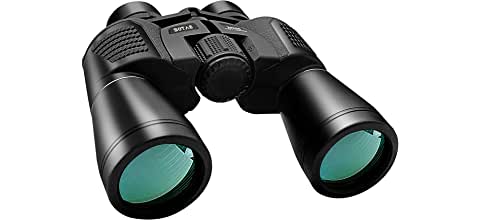
You don’t need a telescope to see more! Binoculars are a simple, budget-friendly next step that reveal lunar craters, Jupiter’s moons, and star clusters invisible to the naked eye.discoverspace+1

  • Ideal specs: 7×50 or 10×50 binoculars are a common recommendation—big enough to gather light, light enough to hold.ras+1
  • Bonus: Binoculars are great for daytime use as well (birds, landscapes)—and you might already have a set in the closet!

4. Join the Astronomy Community

Astronomy is a social hobby!

  • Find a local astronomy club: Most welcome beginners and host star parties, telescope “try-it” nights, and educational programs.reddit+1
  • Online forums and social groups (Cloudy Nights, Reddit’s r/Astronomy or r/Stargazing): Share your questions, photos, and discoveries; get advice before buying equipment.cloudynights
  • Attend virtual sky events: Many observatories stream sky tours or planetary alignments, with real-time Q&A.

5. Try a Telescope (When Ready!)

Ready to go deeper? Take your time before buying a telescope; starting with binoculars or observing with a club is often best.pathloom+2

For 2025, these beginner scopes earn high marks:

  • Celestron Inspire 100AZ (refractor): “Best beginner telescope for kids,” easy to use.space+3
  • Celestron NexStar 5SE (computerized): Tracks objects for you, great optics, top pick for families and serious beginners.nytimes+1
  • Sky-Watcher Heritage 100P Tabletop Dobsonian: Compact, portable, and praised for value.skyatnightmagazine+1

Pro tips:

  • Avoid low-quality “toy store” telescopes—they often disappoint.ras
  • Look for scopes with sturdy mounts, good finders, and included eyepieces.
  • Many scopes now feature smartphone app integration to help you find and track objects.pathloom+1

6. Keep Learning and Observing

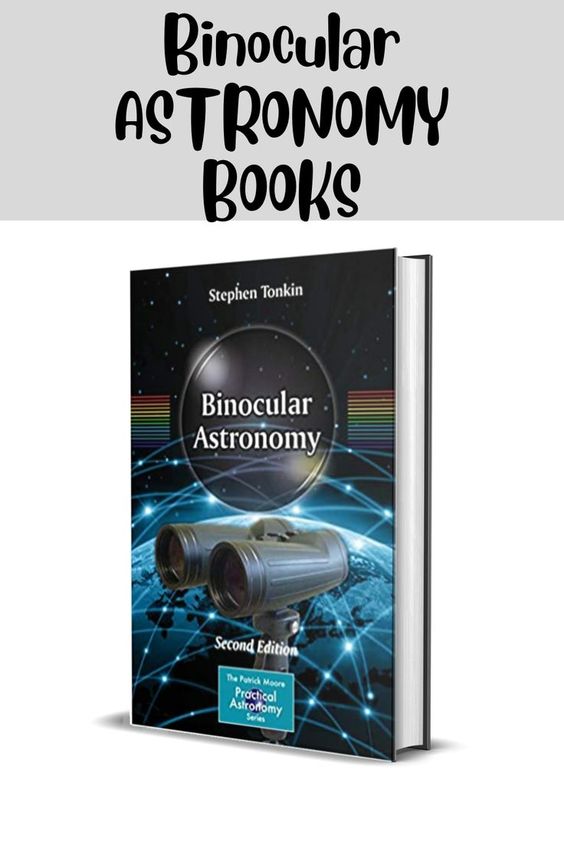
  • Get a good starter book: “NightWatch” by Terence Dickinson or “Turn Left at Orion” are favorites.
  • Follow a sky calendar: Websites like Stellarium-Web, timeanddate.com, or astronomy magazines highlight each month’s best events.
  • Track your observations: Keep a simple logbook or photo journal—kids especially love charting their “discoveries.”

7. Best Practices for Enjoyable Stargazing

  • Dress warmly, bring snacks, and a comfortable chair.
  • Use red light only: Protect your (and your family’s) night vision.
  • Be patient: Some objects (distant galaxies, nebulae) can be faint even through good optics.
  • Adapt to your sky: Even in cities, planets, the Moon, and some bright stars/charts remain visible.planetary+1
  • Share the moment: Stargazing is more fun with others—invite friends, neighbors, or participate in community events.

8. Exciting 2025 Sky Events for Beginners

This year’s memorable highlights include:astronomy

  • Saturn’s rings edge-on (rare sight!).
  • Total lunar eclipse (visible in the Americas).
  • Mars at opposition (bright and easy to spot).
  • Meteor showers: Perseids (August), Geminids (December)—great with the naked eye or binoculars.

Summary Checklist: Getting Started in Astronomy, 2025 Edition

  • Step outside and look up often
  • Use a planisphere/star chart or a free sky app
  • Grab binoculars for a better view (7×50 or 10×50)
  • Join a club or online community
  • Try a telescope only after learning your way around the sky
  • Keep a log and have fun with family and friends
  • Follow a sky calendar for upcoming cosmic events

Resources and References

  1. Sky & Telescope – How to Start Right in Astronomyskyandtelescope
  2. The Planetary Society – Astronomy for Beginners Guideplanetary
  3. Royal Astronomical Society – Getting Started in Astronomyras
  4. BBC Sky at Night Magazine – Best Telescopes for Beginners 2025skyatnightmagazine
  5. Space.com – Best Beginner Telescopes 2025space+2
  6. Wirecutter (NYT) – Best Telescopes for Beginners 2025nytimes
  7. High Point Scientific – Top 25 Essential Tips for Beginner Astronomershighpointscientific
  8. Reddit Beginners’ Advice – Astronomy & Stargazingreddit+1
  9. Pathloom – Astronomy Gear Guidepathloom
  10. Stellarium Web, SkyView Lite, Star Walk 2 Free, Sky Map – Top Free Astronomy Apps for 2025

Enjoy your journey—every night sky is a new adventure. Clear skies in 2025 and beyond!

  1. https://skyandtelescope.org/astronomy-resources/stargazing-basics/how-to-start-right-in-astronomy/
  2. https://ras.ac.uk/education-and-careers/for-everyone/92-getting-started-in-astronomy
  3. https://milwaukeeastro.org/beginners/getting_started.asp
  4. https://www.planetary.org/night-sky/astronomy-for-beginners
  5. https://www.highpointscientific.com/astronomy-hub/post/astronomy-101/top-25-tips-for-beginner-astronomers
  6. https://www.reddit.com/r/Stargazing/comments/nzonu1/a_beginners_guide_to_stargazing/
  7. https://discoverspace.org/astronomy-equipment-dos-and-donts/
  8. https://www.reddit.com/r/Astronomy/comments/4xuin1/i_want_to_get_into_astronomy_as_a_hobby_but_dont/
  9. https://raleighastro.org/getting-started-in-astronomy/
  10. https://www.cloudynights.com/topic/957045-new-to-astronomy-advice/
  11. https://www.pathloom.com/post/beginners-astronomy-guide-basic-astronomy-gear
  12. https://www.space.com/15693-telescopes-beginners-telescope-reviews-buying-guide.html
  13. https://www.skyatnightmagazine.com/top-astronomy-kit/best-telescopes-beginners
  14. https://www.space.com/31229-best-beginner-telescopes.html
  15. https://www.livescience.com/best-telescopes
  16. https://www.nytimes.com/wirecutter/reviews/best-telescopes-for-beginners/
  17. https://www.reddit.com/r/telescopes/comments/1j0hv3f/is_it_just_me_or_is_this_a_terrible_list_of_2025/
  18. https://www.astronomy.com/observing/sky-guide-2025/
  19. https://www.instructables.com/How-to-Get-Started-in-Amateur-Astronomy/
  20. https://skyandtelescope.org/astronomy-resources/stargazing-basics/

The August 2025 Night Sky: A Month of Wonders for Every Astronomer

August 2025 is a month made for stargazers, families, and fans of the cosmos. From the dazzling Perseid meteor shower and stunning planetary alignments to star-filled constellations and deep-sky treasures, the heavens are set to entertain both newcomers and dedicated astronomers. Whether you’re lying on a blanket with your kids, introducing friends to their first meteor, or searching the galaxy’s heart with your telescope, August’s night sky will not disappoint. Here is your comprehensive, family-friendly guide to the celestial spectacles of this unforgettable month.

Table of Contents

  1. August Nights: Why This Month Is Special
  2. The Perseid Meteor Shower – The Ultimate Showstopper
  3. A Parade of Planets: Jupiter, Saturn, Venus, and Mars
  4. Constellations and Cosmic Patterns
  5. Deep-Sky Wonders: Nebulae, Clusters, and the Milky Way
  6. Unique Celestial Events in August 2025
  7. Tips for Beginners and Advanced Stargazers
  8. Family-Friendly Astronomy Activities
  9. Safety, Comfort, and Fun: Making Your Skywatch Special
  10. References & Further Reading

1. August Nights: Why This Month Is Special

Once the Sun sets in August, the balmy warmth and short nights of earlier summer begin to ease, making late-night and early-morning stargazing much more comfortable. Skies are often clearer, humidity drops, and the heart of our Milky Way climbs high overhead. For beginners, it’s the best time to see the brightest meteors, planets, and constellations. For seasoned astronomers, minimal moonlight during key nights creates ideal conditions for deep-sky discoveries and long-exposure photography.

2. The Perseid Meteor Shower – The Ultimate Showstopper

Dates to Watch: August 11–13, 2025
Peak Activity: Predawn hours, August 12th and 13th

The Perseids are the highlight of August’s sky, and 2025 is a banner year. With only a slim crescent Moon, the night will be perfectly dark for watching these “shooting stars.”

What are the Perseids?
They’re fragments of comet Swift-Tuttle, which Earth plows through every August. As these tiny pieces hit Earth’s atmosphere at 37 miles per second, they glow and streak across the sky in dramatic bursts.

How many will I see?
Under dark, rural skies, you may spot 50 or more meteors per hour at peak, with occasional “fireballs” and persistent glowing trains.

When and Where to Look:

  • Best Time: From 10 p.m. local time to dawn, with action ramping up after midnight.
  • Best Direction: The meteors appear to radiate from the constellation Perseus (northeast sky), but you can see them anywhere overhead—so recline, face northeast, and enjoy a 180-degree view.

Family Fun Tip:
Make a game of counting meteors, recording the brightest, or making a wish for each shooting star. Bring sleeping bags and enjoy a midnight picnic!

3. A Parade of Planets: Jupiter, Saturn, Venus, and Mars

Jupiter – King of the Night

  • When: Rises after sunset in the eastern sky; visible all night long.
  • Where: In Taurus, not far from the bright star Aldebaran.
  • How to See: Easy with the naked eye. Binoculars reveal up to four of Jupiter’s moons; a small telescope shows cloud bands and the famous Great Red Spot.

Saturn at Its Best – The Ringed Giant

  • Opposition Date: August 16, 2025 (closest to Earth, brightest, and largest)
  • Where: Southeast after dark, rising earlier each evening in Aquarius.
  • How to See: To the unaided eye, Saturn looks like a bright golden “star.” Through a telescope, its rings are stunning—this is the planet’s best showing all year!

Fun Fact: Saturn’s rings are nearly at maximum tilt, making them especially easy to see even with modest telescopes.

Venus – Morning Star Magic

  • When: Shining before dawn in the east (best the first two weeks of August).
  • How to See: Brilliant and impossible to miss, Venus is one of the brightest objects in the sky.

Mars – Distant Red Gem

  • When: Low in the eastern sky right before sunrise.
  • How to See: Reddish and faint, Mars hides among morning stars, best seen with the help of astronomy apps.

4. Constellations and Cosmic Patterns

The Summer Triangle

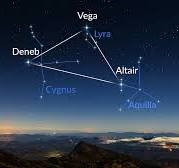
The asterism of Vega, Deneb, and Altair forms a triangle overhead. Each vertex leads to a different constellation—Lyra, Cygnus, and Aquila—rich with fascinating double stars and star clusters.

Scorpius & Sagittarius: The Milky Way’s Heart

Look to the south after dark for Scorpius’s curved tail and red Antares; to its left is Sagittarius, whose “Teapot” asterism pours “steam” right into the brightest stretch of the Milky Way—perfect for binoculars or telescope scanning.

Cygnus, the Swan

Also known as the Northern Cross, Cygnus soars through the thickest part of the Milky Way, offering beautiful sights like the double star Albireo (golden and blue) and the North America Nebula.

Perseus & Cassiopeia

Rising in the northeast after midnight, these constellations contain the Perseid meteor radiant and the sparkling Double Cluster.

5. Deep-Sky Wonders: Nebulae, Clusters, and the Milky Way

August is glorious for exploring deep-sky objects. Here are a few family favorites:

  • Lagoon Nebula (M8, Sagittarius): A glowing cloud teeming with newborn stars. Visible in binoculars as a misty patch; telescopes reveal greater detail.
  • Hercules Cluster (M13): A vast ball of hundreds of thousands of stars—easily found in binoculars between Vega and Arcturus.
  • The Double Cluster: In Perseus, two clusters packed with hundreds of stars, giving a 3D effect in binoculars.

6. Unique Celestial Events in August 2025

DateEventHow and When to See
August 4New MoonPerfectly dark skies for deep-sky observing
August 11–13Perseid Meteor Shower PeakAfter midnight, northeast sky
August 16Saturn at OppositionAll night, southeast sky, telescopic viewing
August 19First Quarter MoonMoon high at sunset, great for beginners
August 25–27Moon passes near JupiterEast, after sunset, perfect for a twin-view
August 28Full Sturgeon MoonRises at sunset, large and golden

7. Tips for Beginners and Advanced Stargazers

  • Start Simple: Use your eyes for meteors and bright planets; try binoculars for star clusters.
  • Set the Mood: Turn off all lights, let your eyes adapt for 20 minutes, and lie back for comfort.
  • Use Technology: Free apps (like Star Walk, Stellarium, SkySafari) help you find constellations and planets in real time.
  • Telescope Challenges: Advanced users, try hunting for faint planetary nebulae, supernova remnants (like the Veil Nebula in Cygnus), or the subtle colors of Albireo.
  • Keep a Logbook: Record what you see—drawing, writing, or snapping smartphone pictures.

8. Family-Friendly Astronomy Activities

  • Meteor Shower Party: Bring snacks and sleeping bags, and make it a summer tradition!
  • Planet Hunt: See who in the family can find the most planets with unaided eyes or binoculars.
  • Moon Phases Diary: Sketch or photograph the changing face of the Moon each night.
  • Shadow Play: Use the bright August full moon to make moonshadows on the grass—kids love it!

9. Safety, Comfort, and Fun: Making Your Skywatch Special

  • Dress Smart: Even in August, nights get cool—bring layers and bug spray.
  • Pick the Right Spot: The farther you are from bright city lights, the more you’ll see. National Parks and rural areas are ideal.
  • Red Flashlights: Preserve your night vision with red LED flashlights.
  • Respect Nature: Leave no trash, stay on paths, and be mindful of wildlife.

10. References & Further Reading

  1. American Meteor Society – Perseid Meteor Shower 2025 Guide
  2. Sky & Telescope – August 2025 Night Sky Events
  3. NASA Night Sky Network – Planets and Meteor Showers in August 2025
  4. Star Walk – August Astronomy Calendar & Event Details
  5. Royal Astronomical Society – Family Stargazing Resources
  6. Time and Date – Planetary Events and Moon Phases August 2025
  7. EarthSky – Exploring Summer Constellations
  8. Astronomy Magazine – Deep Sky Objects for August
  9. Stellarium Web Online Star Map – Free, Interactive Star Charts

Footnotes:

  • Meteor shower rates indicate maximums for dark, moonless, rural skies; suburban/city locations will see fewer meteors.
  • Planet rise/set times vary by your geography—consult a sky app for exact timing at your location.
  • Telescope recommendations assume a common entry-level or family telescope (60–90mm aperture).

In Summary: August’s Sky—A Nightly Invitation

August 2025’s night sky promises awe and discovery for every age and skill. Whether you’re spotting your first Perseid, showing a child the rings of Saturn, or photographing clusters deep in the Milky Way, the universe is open for exploration. So grab your family, friends, or simply your own sense of curiosity—and take your place under a sky sparkling with stories millions of years in the making. Clear skies and happy stargazing!

For more detailed charts, timeline planning, and expert tips, visit the American Meteor Society, NASA Night Sky Network, or your local planetarium’s monthly guide.

Exploring the February 2025 Night Sky: A Family-Friendly Guide

February 2025 offers an exciting array of celestial events for families to enjoy together. As the winter chill lingers, the night sky presents a perfect opportunity for stargazing adventures. Let’s explore what the February 2025 night sky has in store for us!

The Planet Parade Continues

One of the month’s highlights is the continuation of the planet parade from late January. This spectacular alignment of planets provides an excellent chance for families to explore our solar system neighbors.

Venus and the Moon – February 1

Start your month with a beautiful pairing of Venus and the crescent Moon. Look to the southwestern sky after sunset to spot this dazzling duo. Venus will appear as an extremely bright “star” near the delicate crescent Moon.

Observing tip: This is an excellent opportunity for astrophotography beginners. Try capturing the scene with a smartphone camera or a DSLR on a tripod.

Moon near Uranus – February 5

On February 5, the Moon will pass close to Uranus. While Uranus itself is too faint to see with the naked eye, you can use the Moon as a guide to locate its position.

Observing tip: You’ll need a telescope to spot Uranus. Look for a tiny, blue-green disk near the Moon.

Moon and Jupiter – February 6

Jupiter, the largest planet in our solar system, will have its turn with the Moon on February 6. Look for the bright planet near the Moon in the evening sky.

Observing tip: With binoculars or a small telescope, you might be able to spot Jupiter’s four largest moons as tiny “stars” around the planet.

Moon near Mars – February 9

The Moon’s planetary tour continues with a close approach to Mars on February 9. Look for the reddish planet near the Moon in the night sky.

Observing tip: Mars’ distinctive reddish color should be visible to the naked eye. A telescope might reveal some of the planet’s surface features.

Venus at Peak Brightness – February 16

Mark your calendars for February 16, when Venus reaches its peak brightness for 2025. On this night, Venus will shine at an impressive magnitude of -4.9, making it the brightest object in the night sky after the Moon.

Observing tip: This is a great opportunity to show young stargazers how bright a planet can appear. Challenge them to spot Venus before any stars become visible after sunset.

Full Snow Moon – February 12

The Full Moon of February, traditionally known as the Snow Moon, will illuminate the night sky on February 12. This is an excellent opportunity for moon-watching and lunar photography.

Observing tip: Try observing the Moon with binoculars or a small telescope. Even low magnification will reveal craters, mountains, and dark “seas” on the lunar surface.

Alpha Centaurids Meteor Shower – February 8 and 9

While not one of the year’s most spectacular meteor showers, the Alpha Centaurids can still provide an enjoyable viewing experience. The shower peaks on the nights of February 8 and 9.

Observing tip: Find a dark location away from city lights. Look towards the constellation Centaurus in the southern sky. Remember, patience is key when watching for meteors!

Seven-Planet Alignment – February 28

The month concludes with a rare treat – all seven planets visible in the night sky simultaneously on February 28. While not all will be easily visible to the naked eye, this alignment offers a unique opportunity to explore our solar system neighbors.

Observing tip: Start with the easily visible planets like Venus and Jupiter, then use binoculars or a telescope to locate the fainter ones. A star chart or astronomy app can be helpful for identifying each planet.

Constellations of February

February’s long nights provide excellent opportunities to explore winter constellations. Here are a few to look out for:

  1. Orion: This prominent constellation is easy to spot with its distinctive “belt” of three stars. Look for the Orion Nebula below the belt – it’s visible as a fuzzy patch even to the naked eye.
  2. Taurus: Find the V-shaped face of the bull, marked by the bright orange star Aldebaran. The beautiful Pleiades star cluster is also part of this constellation.
  3. Gemini: Look for the twin stars Castor and Pollux marking the heads of the twins.
  4. Canis Major: Home to Sirius, the brightest star in the night sky, this constellation represents Orion’s larger hunting dog.

Family-Friendly Stargazing Activities

  1. Moon Journal: Throughout the month, observe and sketch the Moon’s changing phases. This is a great way to understand lunar cycles.
  2. Planet Scavenger Hunt: Use the planet parade as an opportunity to locate and identify different planets. Make it a friendly competition to see who can spot the most!
  3. Constellation Storytelling: Learn the myths associated with the winter constellations and share these stories while stargazing.
  4. Star Party: Host a family gathering for stargazing. Bring hot cocoa, blankets, and snacks for a cozy night under the stars.
  5. Astrophotography: Try capturing the night sky with a smartphone or camera. The Moon and bright planets make great subjects for beginners.

Tips for Successful Stargazing

  1. Choose the right location: Find a spot away from city lights for the best views.
  2. Allow time for dark adaptation: Give your eyes at least 30 minutes to adjust to the darkness.
  3. Use red light: If you need light to read star charts or adjust equipment, use a red flashlight to preserve your night vision.
  4. Dress warmly: February nights can be cold, so dress in layers and bring blankets.
  5. Bring the right tools: Binoculars are a great starting point for astronomy. They’re easier to use than telescopes and can show you many celestial wonders.
  6. Use star charts or apps: Sky maps or smartphone apps can help you identify what you’re seeing. Just remember to use night mode on your device to preserve your dark adaptation.

Remember, patience and persistence are key when exploring the night sky. Not every night will be clear, and it takes time to learn your way around the celestial sphere. But with each stargazing session, you’ll become more familiar with the wonders above us.

As you gaze up at the February sky, take a moment to reflect on the vastness of space and our place within it. The light from the stars you see has traveled for years, decades, or even centuries to reach your eyes. You’re not just looking at the sky – you’re looking back in time.

So bundle up, step outside, and look up. The February 2025 night sky is waiting to be explored, full of wonders both familiar and new. Whether you’re using your naked eyes, binoculars, or a telescope, there’s something for everyone to discover. Happy stargazing!

Citations:
[1] https://www.popsci.com/science/stargazing-guide-february-2025/
[2] https://starwalk.space/en/news/night-sky-tonight-february
[3] https://hudsonriverpark.org/visit/events/event/kids-week-at-the-intrepid-museum-february-24-2024/
[4] https://intrepidmuseum.org/kids-week
[5] http://www.seasky.org/astronomy/astronomy-calendar-current.html
[6] https://skyandtelescope.org/astronomy-resources/stargazing-basics/family-projects-and-experiments/
[7] https://www.instagram.com/starwalkapp/reel/DFeUisfoqX6/
[8] https://intrepidmuseum.org/kids-week-february-15-22-2025
[9] https://in-the-sky.org/newscal.php?year=2025&month=2
[10] https://science.nasa.gov/for-everyone/february-2025/


Answer from Perplexity: https://www.perplexity.ai/search/backyard-astronomy-as-a-beginn-5UrB9jN6TReA1CDQWmJimw?utm_source=copy_output

Night Sky for October 2024: A Family-Friendly Guide

October 2024 offers a wealth of celestial wonders for families to explore together. This guide will help you navigate the night sky, providing instructions for aligning manual telescopes and using binoculars to observe each event. Remember, patience and practice are key when stargazing with manual equipment.

Preparing for Your Stargazing Adventures:

  1. Choose a dark location away from city lights.
  2. Allow your eyes to adjust to the darkness for about 30 minutes.
  3. Use red light to preserve night vision when reading charts or adjusting equipment.
  4. Dress warmly, as October nights can be chilly.
  5. Bring star charts, a compass, and a planisphere to help locate objects.

Now, let’s explore the celestial highlights for October 2024:

  1. New Moon – October 2

While there’s no Moon to observe, this is an excellent night for deep-sky objects.

Manual Telescope: Use star charts to locate objects like the Andromeda Galaxy (M31) or the Pleiades (M45). For M31, find the constellation Andromeda and slowly sweep the area with your lowest power eyepiece until you spot a faint, fuzzy patch.

Binoculars: The Pleiades are easily visible in binoculars. Look for a small, tight cluster of stars in the constellation Taurus.

  1. Draconid Meteor Shower – Peak on October 8-9

This shower is best observed in the early evening hours.

Manual Telescope/Binoculars: Meteor showers are best viewed with the naked eye. Find a comfortable position looking towards the constellation Draco. Use binoculars to examine any persistent trails left by bright meteors.

  1. Mars near Regulus – October 12

Look for this pairing in the predawn sky.

Manual Telescope: First, locate the bright star Regulus in Leo. Then, look for the reddish “star” nearby, which will be Mars. Use your lowest power eyepiece to fit both objects in the same field of view.

Binoculars: This pairing should be easily visible in binoculars. The color contrast between blue-white Regulus and reddish Mars will be striking.

  1. Full Moon (Hunter’s Moon) – October 17

The full Moon is easy to spot with the naked eye.

Manual Telescope: Use your lowest power eyepiece to observe the Moon’s features. Focus on the terminator (the line between light and dark) for the best views of craters and mountains.

Binoculars: Even low-power binoculars will reveal major lunar features like the dark maria (seas) and larger craters.

  1. Orionid Meteor Shower – Peak on October 21-22

This shower is best observed after midnight.

Manual Telescope/Binoculars: Like the Draconids, this shower is best viewed with the naked eye. Look towards the constellation Orion. Use binoculars to examine any persistent trails left by bright meteors.

  1. Venus at Greatest Western Elongation – October 23

Look for Venus in the eastern sky before sunrise.

Manual Telescope: Locate Venus, which will be the brightest “star” in the morning sky. Use medium to high magnification to observe its phase, which should appear as a half-lit disk.

Binoculars: Venus will be easily visible as a bright point of light. While you won’t see its phase, you may notice its non-twinkling appearance compared to stars.

  1. Mercury at Greatest Western Elongation – October 31

Look for Mercury low in the eastern sky just before sunrise.

Manual Telescope: This can be challenging due to Mercury’s low altitude. Use your finder scope or lowest power eyepiece to sweep the area just above the eastern horizon. Once found, increase magnification to see its tiny disk.

Binoculars: Mercury will appear as a bright “star” near the horizon. Binoculars can help you spot it in the brightening dawn sky.

General Tips for Manual Telescope Alignment:

  1. Polar Alignment (for equatorial mounts):
  • Set your latitude on the mount.
  • Point the polar axis towards Polaris (the North Star).
  • Use the azimuth and altitude adjustments on your mount to center Polaris in your polar finder scope or main telescope.
  1. Two-Star Alignment (for alt-azimuth mounts):
  • Level your tripod.
  • Point your telescope at a bright star or planet.
  • Center the object in your finderscope, then in your eyepiece.
  • Repeat with a second bright star in a different part of the sky.
  1. Star Hopping:
  • Start from a bright, easily identifiable star near your target.
  • Use star charts to identify patterns of stars that lead to your target.
  • Move your telescope along this path, matching what you see in the eyepiece to the chart.

Tips for Using Binoculars:

Check here for Binoculars

  1. Choose binoculars with magnification between 7x and 10x for astronomical viewing.
  2. Use a tripod or lean against a stable object to minimize shake.
  3. Focus on one eye at a time for the sharpest view.
  4. Scan the sky slowly, giving your eyes time to detect faint objects.

Constellation Highlights for October:

  1. Pegasus: Look for the Great Square of Pegasus high in the eastern sky.
    Manual Telescope/Binoculars: Use the Square as a starting point to star-hop to other objects.
  2. Cassiopeia: This W-shaped constellation is high in the northeast.
    Manual Telescope/Binoculars: Scan the rich star fields in this area of the Milky Way.
  3. Andromeda: Adjacent to Pegasus, this constellation hosts the Andromeda Galaxy.
    Manual Telescope/Binoculars: Use the constellation to locate M31, the Andromeda Galaxy.
  4. Cygnus: The Northern Cross flies high overhead.
    Manual Telescope/Binoculars: Explore the rich star fields along the Milky Way in this constellation.

Additional Activities for Families:

  1. Moon Observation Challenge: Throughout the month, observe how the Moon’s appearance changes. Use a manual telescope or binoculars to sketch what you see each night.
  2. Planet Watch: Jupiter and Saturn are visible in the evening sky. Use your manual telescope to observe Jupiter’s moons and Saturn’s rings.
  3. Deep Sky Object Hunt: Use star charts to locate and observe different types of objects like star clusters, nebulae, and galaxies.
  4. Constellation Storytelling: Learn the myths associated with the constellations and share these stories while stargazing.
  5. Astrophotography: Try capturing the Moon or bright planets with a smartphone adapter for your telescope or binoculars.

Remember, the key to successful stargazing is patience and persistence. Don’t get discouraged if you can’t immediately find or identify everything. Each night under the stars is an opportunity to learn and improve your observing skills.

Check here for astronomy equipment

October 2024 offers a diverse array of celestial events for families to enjoy together. From meteor showers to planetary alignments, and from the full Moon to deep sky objects, there’s something for everyone to discover in the night sky this month.

As you explore the wonders of the cosmos, take time to appreciate the vastness of the universe and our place within it. Stargazing not only offers a chance to learn about astronomy but also provides a unique opportunity for family bonding and creating lasting memories.

So grab your manual telescope or binoculars, bundle up, and head outside to experience the magic of the October night sky. Who knows? You might just inspire the next generation of astronomers, astrophysicists, or space explorers. Happy stargazing!

Citations:
[1] https://www.youtube.com/watch?v=_VSgnRoOgoQ
[2] https://www.youtube.com/watch?v=plx6XXDgf2E
[3] https://www.cloudynights.com/topic/870454-align-using-manual-align/
[4] https://www.amazon.com/Celestron-NexStar-6-SE-Telescope/dp/B000GUKTDM
[5] https://www.highpointscientific.com/astronomy-hub/post/how-tos/how-to-polar-align-during-the-day
[6] https://www.astro-baby.com/astrobaby/help/simple-polar-alignment/
[7] https://www.youtube.com/watch?v=1umvV3XKtCs
[8] https://www.skyatnightmagazine.com/advice/how-to-master-setting-circles

Moon Gazing

For many of us, our very first experience of learning about the celestial bodies begins when we saw our first full moon in the sky. It is truly a magnificent view even to the naked eye. If the night is clear, you can see amazing detail of the lunar surface just star gazing on in your back yard.

Naturally, as you grow in your love of astronomy, you will find many celestial bodies fascinating. But the moon may always be our first love because is the one far away space object that has the unique distinction of flying close to the earth and upon which man has walked.

Your study of the moon, like anything else, can go from the simple to the very complex. To gaze at the moon with the naked eye, making yourself familiar with the lunar map will help you pick out the seas, craters and other geographic phenomenon that others have already mapped to make your study more enjoyable. Moon maps can be had from any astronomy shop or online and they are well worth the investment.

The best time to view the moon, obviously, is at night when there are few clouds and the weather is accommodating for a long and lasting study. The first quarter yields the greatest detail of study. And don’t be fooled but the blotting out of part of the moon when it is not in full moon stage. The phenomenon known as “earthshine” gives you the ability to see the darkened part of the moon with some detail as well, even if the moon is only at quarter or half display.

To kick it up a notch, a good pair of binoculars can do wonders for the detail you will see on the lunar surface. For best results, get a good wide field in the binocular settings so you can take in the lunar landscape in all its beauty. And because it is almost impossible to hold the binoculars still for the length of time you will want to gaze at this magnificent body in space, you may want to add to your equipment arsenal a good tripod that you can affix the binoculars to so you can study the moon in comfort and with a stable viewing platform.

Binoculars for Astronomy

Of course, to take your moon worship to the ultimate, stepping your equipment up to a good starter telescope will give you the most stunning detail of the lunar surface. With each of these upgrades your knowledge and the depth and scope of what you will be able to see will improve geometrically. For many amateur astronomers, we sometimes cannot get enough of what we can see on this our closest space object.

To take it to a natural next level, you may want to take advantage of partnerships with other astronomers or by visiting one of the truly great telescopes that have been set up by professionals who have invested in better techniques for eliminating atmospheric interference to see the moon even better. The internet can give you access to the Hubble and many of the huge telescopes that are pointed at the moon all the time. Further, many astronomy clubs are working on ways to combine multiple telescopes, carefully synchronized with computers for the best view of the lunar landscape.

Becoming part of the society of devoted amateur astronomers will give you access to these organized efforts to reach new levels in our ability to study the Earth’s moon. And it will give you peers and friends who share your passion for astronomy and who can share their experience and areas of expertise as you seek to find where you might look next in the huge night sky, at the moon and beyond it in your quest for knowledge about the seemingly endless universe above us.

Tips For Getting Started In Astronomy

When you are thinking about astronomy, the first thing that comes to mind is a telescope. This misconception is found every day. Actually, the first thing you need to do is look at the stars with a pair of binoculars. You cam spend hundreds of dollars on a telescope that might not be the right one. One thing that star glazers will tell you is that some of the lunar eclipses and bright comets look better with binoculars than with a high-powered telescope.

Celestron 70mm Travel Scope

BINOCULARS for ASTRONOMY

You need to look around the sky with a star map and learn about the stars and other objects in space before you jump in and buy a telescope. Sometimes what you see through a telescope will be ugly, where as through the binoculars, it is a beautiful focused site to see. Once you learn about the stars themselves, you will have a better understanding of what you are looking at and how far away it really is.

Guide to the Stars

After you learn about the sky above you are ready to look for a telescope. Before rushing out and buying a telescope, you should find some astronomers who will share their experiences and maybe even their telescopes with a group. Trying out a telescope before you buy it is something that will help you decide on what telescope will be best for you.

Some things to consider are what you plan to do with the telescope, how much you have to spend and are you going to take photographs of your sightings. If you are a causal backyard astronomer, you might even look at the Dobsonian telescopes. Never worry about power, but be more concerned about aperture and optics. If you will be viewing planets, you will need a telescope with high magnification. You would not want to buy a telescope with 600 power, as it will not have the aperture needed.

Most professional astronomers use a reflector type of telescope. This is where the light path is diverted to the concave lens or eyepiece. With the refractor telescopes, the light passes through the telescope by way of a lens to the eyepiece. In some of the opinions from astronomers, the refractor is the best type of telescope for looking at the solar system. However, reflectors are cheaper than the refractors. Reflector telescopes are recommended for beginning astronomers.

Celestron – AstroMaster 130EQ Newtonian Telescope – Reflector Telescope for Beginners

You will find areas with complete darkness are the best, but city viewing is fine if you have very little light to distract your viewing. Keep in mind that planet viewing is spectacular. You can see the ring around Saturn as well as view Venus. Jupiter, which changes every time you view it, is an amazing planet to keep an eye on.

You will want to have a star map, planet map and keep an eye on the news to find out when any interesting things are appearing in the solar system. Experience the sighting of a comet or meter shower, you will find that astronomy is a great way to spend the evening by yourself or with friends.