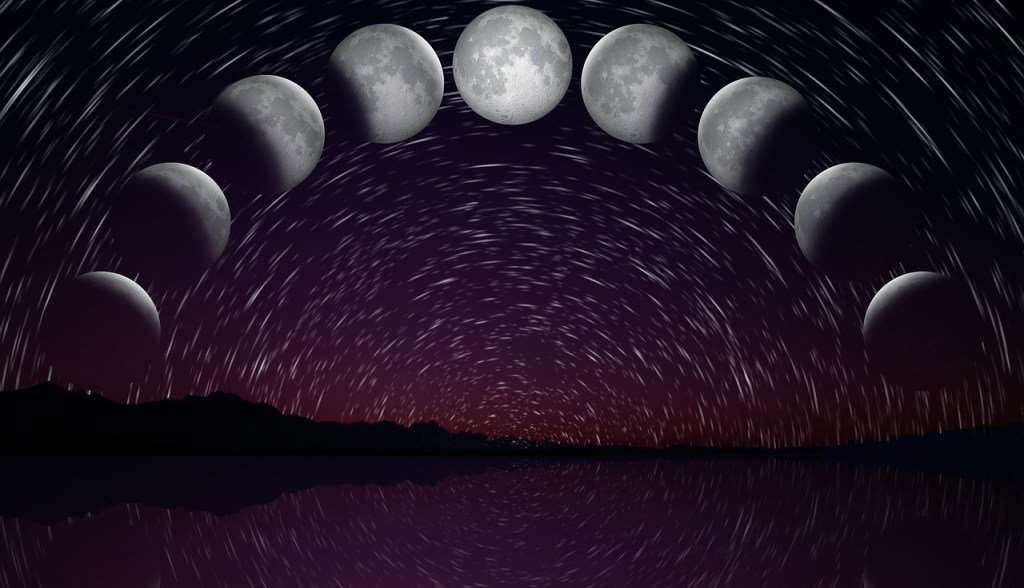
Holiday Night Sky 2025: Family Guide to December’s Best Meteors, Supermoon, and Christmas Constellations.

The holiday night sky is one of the best natural “light displays” of the year, and December 2025 is packed with events that are perfect for families, beginners, and experienced astronomers alike. With long nights, bright stars, meteors, and a dramatic Supermoon, it is easy to turn Christmas break into a memorable, educational adventure under the stars. starwalk+2


1. Key Holiday Night-Sky Events to Watch

Super Cold Moon & Pleiades – December 4

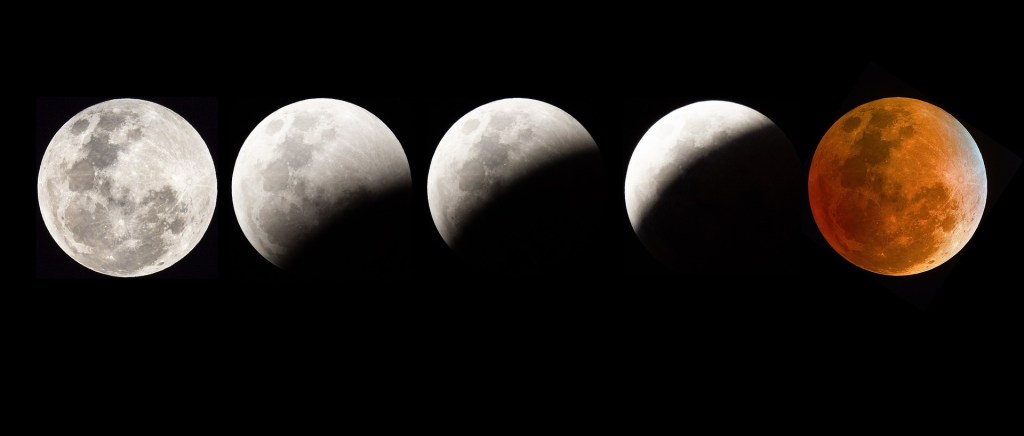
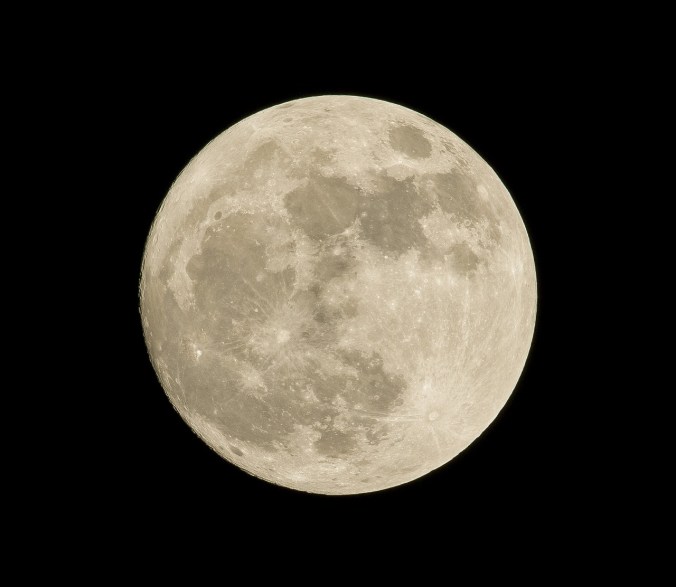
  • On December 4, 2025, the “Cold Moon” becomes a Supermoon, appearing slightly larger and brighter as it reaches full phase at 23:14 UTC. Learn more.
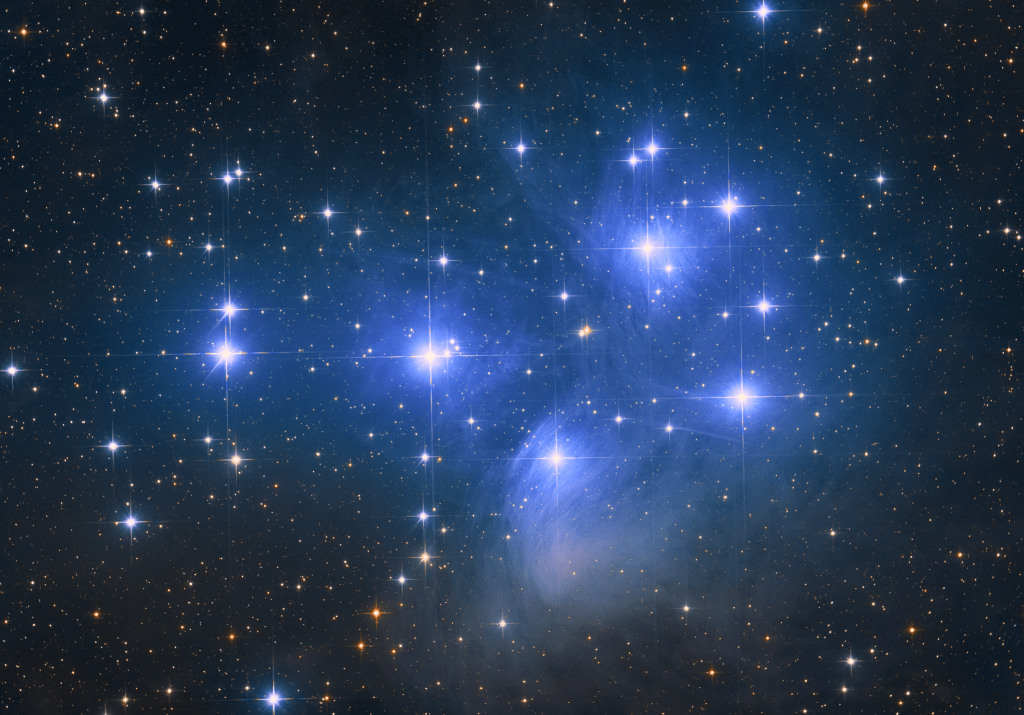
  • That same night the Moon passes right through the Pleiades star cluster for parts of North America, Europe, and northern Africa, creating a rare lunar occultation where the Moon briefly hides some of the cluster’s brightest stars. starwalk

How to observe:

  • Beginners: Use binoculars to frame the bright Moon and the nearby cluster; even from cities, the sight of the Moon close to the Pleiades is striking. starwalk
  • Advanced observers: Try photographing the sequence as the Moon covers and uncovers Pleiades stars, or sketch the changing view through a small telescope. starwalk

Geminid Meteor Shower – December 13–14

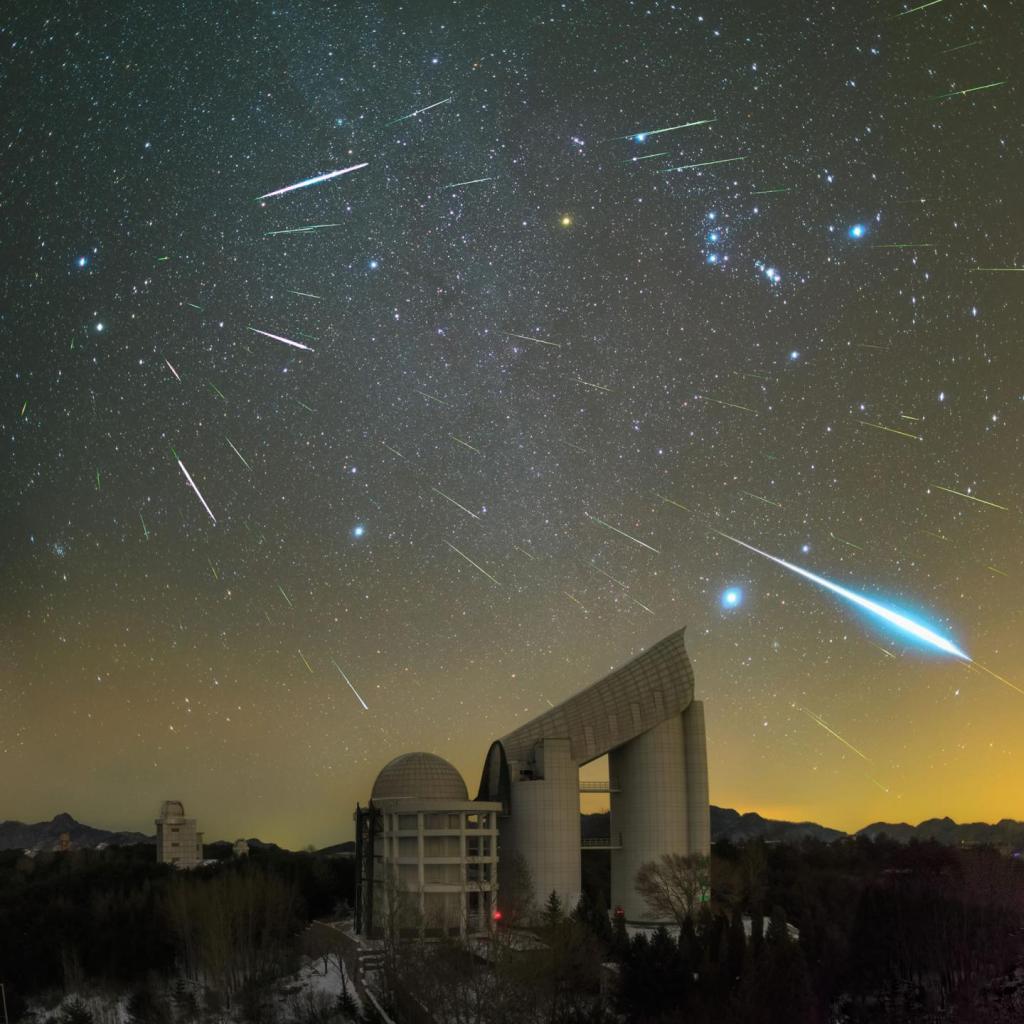
  • The Geminids peak on the nights of December 13–14 and are often called the best meteor shower of the year, with up to about 120 meteors per hour under dark skies. More information.
  • Meteors seem to radiate from Gemini near the bright star Castor, but they can streak across any part of the sky, often leaving colorful, slow-burning trails. Learn more.

How to observe:

  • No telescope needed—your eyes are the best “instrument.” Lie back in a reclining chair with a blanket and hot drinks, and watch a wide swath of sky. More details.
  • For a family activity, let kids count meteors in 10‑minute intervals and compare numbers, turning the shower into a simple science experiment about rates and randomness. Learn more.

New Moon & Deep-Sky Darkness – December 20

  • The New Moon on December 20 brings the darkest night of the month, excellent for galaxies, nebulae, and star clusters.starwalk
  • This is a great time to hunt for the Orion Nebula, the Hyades, the Pleiades (without moonlight), and open clusters in Auriga and Gemini.starwalk

How to observe:

  • Beginners: Start with naked‑eye patterns—Orion’s Belt, the V‑shape of the Hyades, and the “tiny dipper” of the Pleiades—then use binoculars for more stars and haze.starwalk
  • Advanced: Use a telescope with low‑power eyepieces and, if possible, a nebula filter on the Orion Nebula to show structure and color, a guaranteed “wow” moment.starwalk

Ursid Meteor Shower – December 22

  • Around December 22, the Ursid meteor shower peaks, producing roughly 10 meteors per hour under good conditions and sometimes surprising observers with higher rates. More information.
  • The radiant lies near the Little Dipper (Ursa Minor), making this a northern‑sky treat close to Christmas. More information .

How to observe:

  • Treat it as a quieter, more reflective meteor watch: set up chairs, dress warmly, and let your eyes wander across the whole sky instead of staring at one point. cloudynights+1
  • Encourage kids to write down the brightest meteors they see and what direction they traveled, an easy way to introduce scientific note‑taking. celestron

December Solstice – December 21

  • The December solstice on the 21st marks the official start of winter in the Northern Hemisphere and the longest night of the year, which naturally aligns with Christmas traditions of light in darkness. timeanddate+1
  • This is an ideal evening for a “solstice & Christmas sky walk,” combining seasonal storytelling with constellation spotting. timeanddate

2. What to Look For: A Holiday Sky Checklist

Here is a simple observing checklist that works for both beginners and seasoned observers:

  • The Supermoon and Pleiades (Dec 4): Moon + star cluster pairing, best with binoculars or a short‑exposure phone photo through a telescope. starwalk
  • Bright planets: Mercury’s best morning visibility around December 7, plus evening views of Jupiter and Saturn earlier in the month. timeanddate+1
  • Constellations of winter: Orion, Taurus, Gemini, Auriga, and Canis Major dominate the Christmas sky, offering bright, easy‑to‑find patterns. eaglecreek+1
  • Deep‑sky showpieces: Orion Nebula (M42), the Pleiades (M45), the Hyades, and open clusters like M36–M38 in Auriga. starwalk
  • Meteor showers: Geminids (Dec 13–14) and Ursids (Dec 22), each offering different levels of activity and a reason to head outside more than once. planetary+1

Families can turn this checklist into a printable “Holiday Night‑Sky Bucket List” for December, which also works well as a downloadable resource or Pinterest‑friendly graphic. orbitaltoday


3. How to Observe Comfortably and Safely

Stay Warm and Cozy

  • Wear several layers, including thermal base layers, an insulating mid‑layer, a windproof coat, warm hat with ear coverage, thick wool socks, and insulated boots. science.nasa+1
  • Use blankets, sleeping bags, or foam/yoga mats under your feet or chair to insulate from the cold ground, and pack hand warmers or heated pads for gloves and boots. science.nasa+1

Choose the Right Location

  • Aim for a dark, open area with a wide view of the sky—parks, fields, lakeshores, or hilltops—avoiding bright streetlights and tall buildings. idealcu+1
  • Make sure your spot is safe and legal; check park hours in advance, and always let someone know where you are if you go to a remote area. ecoflow

Use Simple, Effective Gear

  • Naked eye: Best for meteor showers, spotting constellations, and enjoying the overall sky. cloudynights+1
  • Binoculars (7× or 10×): Transform views of the Moon, Pleiades, star clusters, and large nebulae; easy to share among family members. celestron+1
  • Telescope (for advanced users): Adds detail and magnification, but keep expectations realistic—show bright, high‑contrast targets first, especially for kids. starwalk
  • Red light and phone apps: A red‑filtered flashlight or headlamp preserves night vision, while astronomy apps help point out stars and planets without long learning curves. idealcu+1

Allow 20–40 minutes for your eyes to adjust fully to the dark; during this time, avoid looking at phone screens or bright white lights. ecoflow


4. Educational and Family-Friendly Angles

The holiday night sky is a ready‑made science lesson wrapped in seasonal wonder.

  • Physics and motion: Use the Supermoon to talk about orbits and why the Moon sometimes appears larger, and meteor showers to explain that Earth is passing through streams of comet or asteroid debris. celestron+1
  • Seasons and solstice: The December solstice is a practical way to discuss Earth’s tilt, day length, and why holidays of light cluster around the darkest time of the year. timeanddate+1
  • History and culture: Connect constellations and the Pleiades to ancient navigation and farming calendars, and discuss historical ideas about the “Christmas Star” as possible planetary alignments, comets, or novae. rmg+1

For families and educators, consider:

  • Creating a simple observing journal where children draw what they saw—Moon phases, bright constellations, or a particularly vivid meteor. science.nasa+1
  • Turning a Geminid or Ursid watch into a “citizen science” session where older kids time meteors and record estimates of brightness using simple scales. cloudynights+1

5. Making It Exciting for All Experience Levels

For Newcomers

  • Focus first on big wins: the Supermoon, Orion’s Belt, the Pleiades, and bright meteors—objects that look impressive without equipment or expertise. timeanddate+1
  • Keep sessions short and fun: 30–60 minutes outside, with hot chocolate, blankets, and a clear goal such as “Find Orion and count how many Geminids we see.” idealcu+1

For Experienced Astronomers

  • Use these events as outreach opportunities—host neighborhood or church parking‑lot star parties that introduce others to the sky and to your gear. eaglecreek+1
  • Set personal projects: imaging the Moon–Pleiades occultation, logging Geminid hourly rates, or sketching deep‑sky objects on the New Moon night. celestron+1

By blending simple visual highlights for beginners with deeper observing projects for seasoned observers, a single holiday‑season article can appeal widely, increasing shares, saves, and return visits across WordPress, Google search, and Pinterest. bigthink+1


Suggested SEO‑Friendly Post Title & Meta Description

  • Title: “Holiday Night Sky 2025: Family Guide to December’s Best Meteors, Supermoon, and Christmas Constellations”
  • Meta description (up to ~155 characters):
    “Discover December 2025’s holiday night sky: Supermoon, Geminids, Ursids, Christmas constellations, and family‑friendly stargazing tips for all experience levels.” bigthink

These elements, combined with clear headings, keyword‑rich subtopics (e.g., “Geminid meteor shower,” “December Supermoon,” “winter stargazing tips”), and Pinterest‑ready graphics or checklists, will help the article perform strongly across major platforms while remaining educational, inspiring, and family‑friendly. orbitaltoday+1

Add to follow-up

Check sources

  1. https://starwalk.space/en/news/night-sky-tonight-december
  2. https://www.timeanddate.com/news/astronomy/night-sky-december-2025
  3. https://www.planetary.org/articles/calendar-of-space-events-2025
  4. https://www.celestron.com/blogs/knowledgebase/the-ultimate-guide-to-observing-the-meteor-showers
  5. https://www.cloudynights.com/topic/742482-how-to-observe-a-meteor-shower/
  6. https://eaglecreek.com/blogs/articles/stargazing-tips-cozy-winter-nights
  7. https://orbitaltoday.com/2025/11/28/december-2025-stargazing-bucket-list-must-see-night-sky-events/
  8. https://science.nasa.gov/solar-system/skywatching/night-sky-network/winter-stargazing-tips-stay-warm-and-cozy/
  9. https://www.idealcu.com/blog/entry/frosty-nights-starry-sights-top-winter-stargazing-tips
  10. https://www.ecoflow.com/us/blog/perseid-meteor-shower-viewing-guide
  11. https://www.rmg.co.uk/stories/space-astronomy/what-was-christmas-star
  12. https://bigthink.com/starts-with-a-bang/devious-trick-sensational-science-headlines/

Christmas Gifts for Astronomers: For All Ages & Experience Levels

For Beginners (Adults & Teens)

Here’s a detailed Christmas Gift Guide for astronomers—covering beginners, seasoned hobbyists, kids, and adults—with descriptions, price ranges, and suggested retailers. Every gift is chosen to spark excitement and deepen a love for the universe!


For Beginners (Adults & Teens)

1. Gskyer 70mm Refractor Telescope

  • Description: An easy-to-use starter telescope, perfect for first-time astronomers. Includes two eyepieces, 3x Barlow lens, easy phone adapter, finder scope, tripod, and carry bag.
  • Purpose: Lets new stargazers see the Moon’s craters, Jupiter’s moons, and Saturn’s rings right from the backyard.
  • Price: ~$100–130
  • Where to Buy: Amazon, Telescope.com, High Point Scientific Learn more.

2. Astronomy Activity Book for Kids (100+ Fun Ways to Learn About Space)

  • Description: A colorful, hands-on workbook with puzzles, facts, and mini-experiments.
  • Purpose: Jumpstarts curiosity for younger beginners. Great gift from parents, grandparents, or teachers.
  • Price: $8–15
  • Where to Buy: Amazon, Barnes & Noble, Observatory gift shops Learn more.

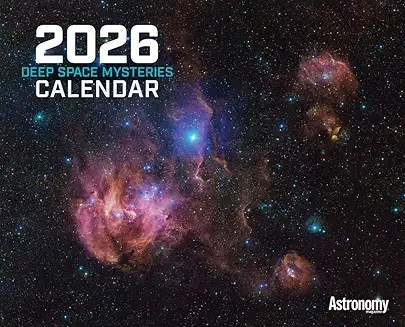
3. Deep Space Mysteries Calendar

  • Description: Yearly calendar highlighting planetary visibility, meteor shower peaks, and full moon dates.
  • Purpose: Inspires nightly skywatching and builds knowledge throughout the year.
  • Price: $10–15
  • Where to Buy: Astronomy.com, Amazon, Barnes & Noble Learn more.

For Seasoned Stargazers & Astrophotographers

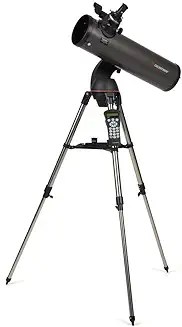
4. Celestron NexStar 130 SLT or Orion SkyScanner 135mm Dobsonian

  • Description: Robust, portable scopes perfect for intermediate astronomers wanting computerized object-finding or deeper views.
  • Purpose: Lets users explore deep-sky objects easily and track planets with accuracy.
  • Price: $350–500 (SkyScanner is often $250–300)
  • Where to Buy: Telescope.com, OPT, Amazon More information.

5. Unistellar eQuinox 2 Smart Telescope

  • Description: All-in-one, app-controlled telescope with light pollution reduction—great for city observers.
  • Purpose: Makes astronomy high-tech and accessible to tech-lovers or experienced observers looking for the next leap.
  • Price: $2,500–3,000
  • Where to Buy: Unistellar.com, OPT, High Point Scientific Learn more.

6. Sky-Watcher Skymax 150 Pro Maksutov-Cassegrain

  • Description: High-quality optics ideal for planet and lunar astronomy, also useful for entry-level astrophotography.
  • Purpose: Provides crisp, detailed solar system views, perfect for hobbyists wishing to upgrade their kit.
  • Price: $600–900
  • Where to Buy: OPT, B&H Photo, Telescope.com More information.

For Kids and Families

7. LEGO City Lunar Space Station

  • Description: Creative 500-piece set replicating space station life, includes minifigs and labs.
  • Purpose: Inspires imaginative play and learning about human space exploration.
  • Price: ~$70–80
  • Where to Buy: Amazon, LEGO.com, Walmart Learn more.

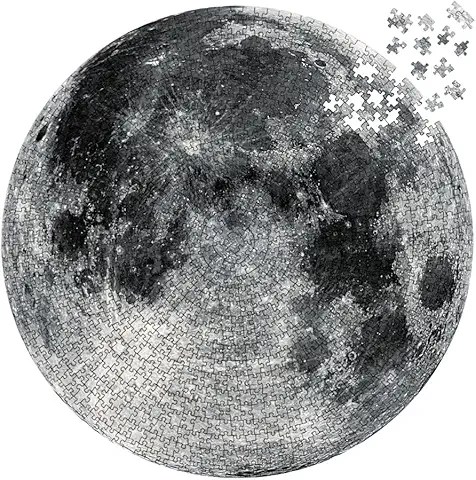
8. Moon Jigsaw Puzzle (100–1000 pcs.)

  • Description: Stunning puzzles featuring lunar surfaces or NASA images for family winter nights.
  • Purpose: Family bonding, hands-on sky learning, and quiet enjoyment during long evenings.
  • Price: $15–28
  • Where to Buy: Astronomy.com, AMNH Shop, Target More information.

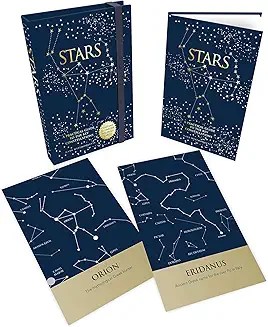
9. Stars Pinhole Constellation Cards

  • Description: Durable cards shining starlight through dots to teach 20+ constellations—can be used as flashlights or wall art.
  • Purpose: Fun way for families to learn and remember constellations together.
  • Price: ~$18
  • Where to Buy: BBC Sky at Night magazine shop, Amazon More information.

10. Planetarium Experience Day or Local Observatory Pass

  • Description: Vouchers for real-world astronomy adventures—includes tickets or memberships.
  • Purpose: Encourages hands-on discovery and can be a wonderful experience gift for parent/child, grandparent/grandchild, or friends.
  • Price: $15–100
  • Where to Buy: Local planetariums, McDonald Observatory, Science museum websites Learn more.

For Gift Givers Seeking Unique & Memorable Ideas

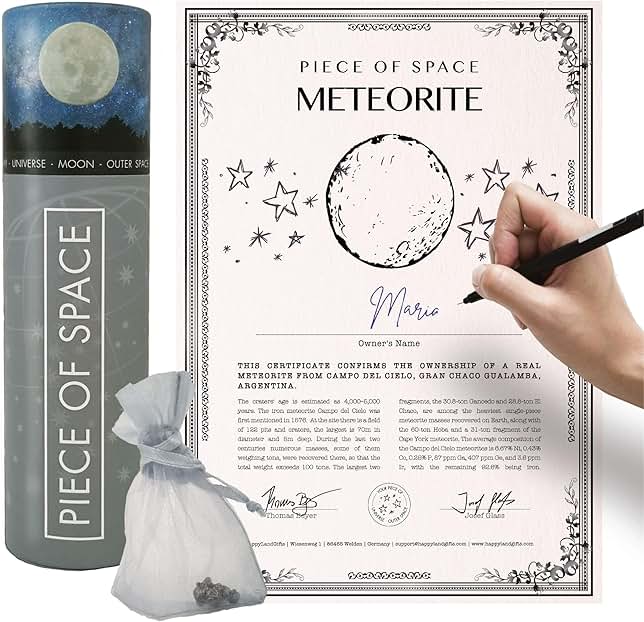
11. Meteorite Fragment or “Space Fossil”

  • Description: Authentic meteorite slivers in an acrylic case with a story card.
  • Purpose: Genuine artifact from space—intrigues anyone with a sense of wonder, perfect for display or a conversation starter.
  • Price: $20–45
  • Where to Buy: MiniMuseum.com, Astronomy gift shops More information.

12. Sunoculars (Solar Viewing Binoculars, 6x30mm)

  • Description: Safe, compact binoculars designed for direct Sun viewing.
  • Purpose: Lets kids and adults safely spot sunspots, eclipses, and solar events.
  • Price: $60–90
  • Where to Buy: Explore Scientific, Amazon, Sky at Night magazine shop Learn more.

13. Astronomy-Themed Apparel, Mugs, and Journals

  • Description: T-shirts, space art mugs, nebula glass magnets, journals with Hubble images, or backpacks with NASA patches.
  • Purpose: Share astronomy passion in everyday life—great stocking stuffer from anyone.
  • Price: $10–60
  • Where to Buy: AMNH Shop, planetarium stores, McDonald Observatory, Etsy More Information.

How to Choose the Right Gift

  • For Kids & Complete Beginners: Focus on fun, simplicity, and activities that spark curiosity—simple telescopes, puzzles, or activity books.
  • For Teens & Adult Beginners: Look for affordable telescopes and observing tools that don’t require expertise to use.
  • For Intermediate or Advanced Hobbyists: Choose gear upgrades (barlow lenses, filters), experience-based gifts, or high-tech telescopes.
  • For Families: Opt for board games, constellation kits, event tickets, or shared experiences that turn astronomy into a memory-making adventure.
  • For Anyone: Meteorite fragments, calendars, or astro-themed gifts add a universal “wow” and show you support their interest.

Each of these gifts comes with a story—and the purpose is always to inspire wonder, encourage discovery, and create lasting memories with every look at the night sky.

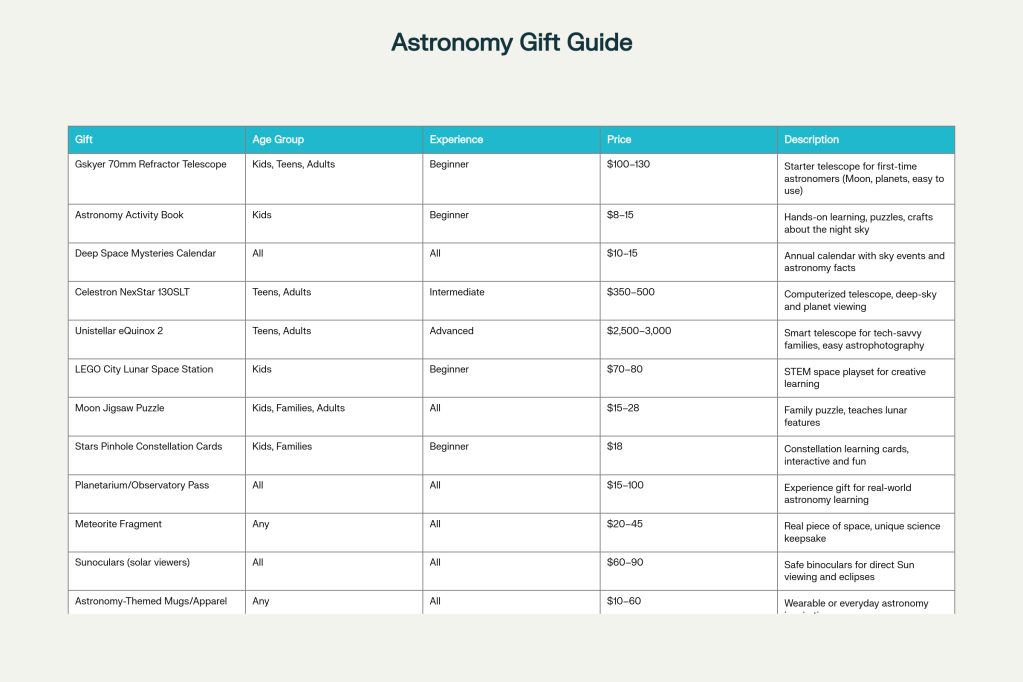
Printable Christmas Astronomy Gift Chart: Age, Experience, and Price Guide

  1. https://www.space.com/34669-kids-gifts.html
  2. https://mcdonaldobservatory.org/giftshop
  3. https://www.astronomy.com/observing/the-best-space-gifts-for-astronomy-lovers-and-stargazers-holiday-gift-guide-2024/
  4. https://www.space.com/telescope-christmas-holiday-gift-guide
  5. https://www.skyatnightmagazine.com/top-astronomy-kit/astronomy-space-gifts
  6. https://shop.minimuseum.com/blogs/guides/11-best-space-gifts-for-2025
  7. https://www.astronomy.com/observing/gift-ideas-for-astronomy-lovers-and-stargazers-xmas-and-holiday-gift-guide/
  8. https://shop.amnh.org/gifts/space-gifts
  9. https://explorescientific.com/collections/stocking-stuffers-for-adults
  10. https://www.facebook.com/groups/828178678983076/posts/1109214670879474/

Night Sky for December 2024: A Family-Friendly Guide

December 2024 offers a spectacular array of celestial events for families to enjoy together. This guide will help you navigate the night sky, providing instructions for aligning manual telescopes and using binoculars to observe each event. Bundle up, grab your stargazing gear, and prepare for an unforgettable month under the stars!

New Moon – December 1

The month begins with a New Moon, providing an excellent opportunity for deep-sky observation. With no moonlight to interfere, this is the perfect time to explore faint objects like galaxies and star clusters.

Observing tip: Use this dark night to locate the Andromeda Galaxy (M31) with binoculars or a manual telescope. Find the constellation Andromeda and slowly sweep the area with your lowest power eyepiece until you spot a faint, fuzzy patch.

Moon near Venus – December 4

Look for the crescent Moon close to bright Venus in the early morning sky.

Observing tip: Use binoculars to spot the pair low in the eastern sky before sunrise. Venus will appear as a bright, non-twinkling “star” near the Moon. With a manual telescope, start with a low-power eyepiece to find the pair, then switch to higher magnification to observe Venus’s phase.

Jupiter at Opposition – December 7

Jupiter will be at its brightest and closest to Earth, visible all night long.

Observing tip: With a manual telescope, look for Jupiter’s cloud bands and four largest moons. Start with a low-power eyepiece to find Jupiter, then switch to higher magnification for more detail. Align your telescope on a bright star near Jupiter first, then slowly move to Jupiter itself.

Moon near Saturn – December 8

The Moon will pass close to Saturn in the evening sky.

Observing tip: Use binoculars or a manual telescope to observe this pairing. Saturn’s rings should be visible through a telescope with at least 25x magnification. Align your telescope on the Moon first, then slowly move towards Saturn, which will appear as a small, yellowish “star” nearby.

Geminid Meteor Shower Peak – December 14-15

One of the year’s best meteor showers, producing up to 120 meteors per hour at its peak.

Observing tip: No telescope needed! Find a dark location away from city lights. Look towards the constellation Gemini, but meteors will be visible across the sky. Use binoculars to examine any persistent trails left by bright meteors.

Full Moon (Cold Moon) – December 15

The last full Moon of 2024, also known as the Cold Moon.

Observing tip: Use binoculars or a low-power eyepiece on your telescope to observe the Moon’s craters and maria (dark plains). Focus on the terminator (the line between light and dark) for the best views of lunar features.

Moon near Mars – December 18

The Moon will pass close to Mars in the night sky.

Observing tip: Use binoculars or a manual telescope to spot Mars near the Moon. Mars will appear as a reddish “star” through binoculars. With a telescope, start with a low-power eyepiece to find the pair, then increase magnification to observe Mars’s surface features.

December Solstice – December 21

The shortest day of the year in the Northern Hemisphere, marking the beginning of winter.

Observing tip: While not an observable event, use this day to learn about Earth’s seasons and axial tilt. You can use a globe and a flashlight to demonstrate how the tilt affects sunlight distribution on Earth.

Ursid Meteor Shower Peak – December 22-23

A minor meteor shower producing about 5-10 meteors per hour.

Observing tip: Look towards the constellation Ursa Minor (Little Dipper) after midnight. No telescope needed, but binoculars can help observe meteor trails. Find a dark location and be patient, as this shower is less active than the Geminids.

Mercury at Greatest Western Elongation – December 25

Mercury reaches its greatest separation from the Sun, visible in the morning sky.

Observing tip: Look for Mercury low in the eastern sky just before sunrise. Use binoculars to help spot this elusive planet. With a manual telescope, start with a low-power eyepiece and scan the area just above the eastern horizon.

General Tips for December Stargazing:

  1. Dress warmly: December nights can be cold, so wear layers and bring blankets.
  2. Allow time for dark adaptation: Give your eyes at least 30 minutes to adjust to the darkness for optimal viewing.
  3. Use red light: To preserve your night vision, use a red flashlight or cover your regular flashlight with red cellophane.
  4. Choose your location wisely: Find a dark spot away from city lights for the best views.
  5. Bring hot beverages: A thermos of hot cocoa or tea can make your stargazing session more enjoyable.

Aligning Your Manual Telescope:

  1. Set up your telescope and ensure it’s level.
  2. If you have an equatorial mount, align the polar axis with the North Star (Polaris).
  3. Start with a low-power eyepiece to find objects more easily.
  4. Use your finderscope to locate bright stars or planets, then center them in your eyepiece.
  5. Once you’ve found a bright object, switch to higher magnification for more detail.

Using Binoculars for Stargazing:

  1. Choose binoculars with magnification between 7x and 10x for astronomical viewing.
  2. Use a tripod or lean against a stable object to minimize shake.
  3. Focus on one eye at a time for the sharpest view.
  4. Scan the sky slowly, giving your eyes time to detect faint objects.
  5. Use star charts or astronomy apps to help identify what you’re seeing.

Family-Friendly Stargazing Activities:

  1. Moon Observation Challenge: Throughout the month, observe how the Moon’s appearance changes. Use a manual telescope or binoculars to sketch what you see each night.
  2. Planet Watch: Jupiter and Saturn are visible in the evening sky. Use your manual telescope to observe Jupiter’s moons and Saturn’s rings.
  3. Constellation Storytelling: Learn the myths associated with the winter constellations and share these stories while stargazing.
  4. Meteor Shower Party: Host a family gathering for the Geminid meteor shower. Bring blankets, hot cocoa, and snacks for a memorable night under the stars.
  5. Solar System Model: Create a scale model of the solar system in your backyard or a local park to better understand the distances between planets.

Constellation Highlights for December:

  1. Orion: This prominent winter constellation is easy to spot with its distinctive “belt” of three stars. Use binoculars to observe the Orion Nebula (M42) below the belt.
  2. Taurus: Look for the V-shaped Hyades cluster and the compact Pleiades cluster (M45) in this constellation.
  3. Gemini: The radiant point for the Geminid meteor shower, this constellation features the bright stars Castor and Pollux.
  4. Canis Major: Home to Sirius, the brightest star in the night sky, easily visible to the naked eye.
  5. Cassiopeia: This W-shaped constellation is high in the northern sky and provides a starting point for finding other objects.

Remember, patience and persistence are key when stargazing. Don’t get discouraged if you can’t immediately find or identify everything. Each night under the stars is an opportunity to learn and improve your observing skills.

December 2024 offers a diverse array of celestial events for families to enjoy together. From meteor showers to planetary alignments, and from the winter solstice to deep sky objects, there’s something for everyone to discover in the night sky this month.

As you explore the wonders of the cosmos, take time to appreciate the vastness of the universe and our place within it. Stargazing not only offers a chance to learn about astronomy but also provides a unique opportunity for family bonding and creating lasting memories.

So grab your manual telescope or binoculars, bundle up, and head outside to experience the magic of the December night sky. Who knows? You might just inspire the next generation of astronomers, astrophysicists, or space explorers. Happy stargazing!

Citations:
[1] https://www.telescopeguide.org/space-gifts-for-kids/
[2] http://www.seasky.org/astronomy/astronomy-calendar-2024.html
[3] https://www.hipcamp.com/journal/camping/stargazing-guide-astronomical-calendar
[4] https://www.rmg.co.uk/stories/blog/astronomy/night-sky-highlights-december-2024
[5] https://www.farmersalmanac.com/december-night-sky-guide-december-2024
[6] https://www.astronomy.com/observing/the-best-space-gifts-for-astronomy-lovers-and-stargazers-holiday-gift-guide-2024/
[7] https://www.farmersalmanac.com/monthly-stargazing-night-sky-guide
[8] https://www.almanac.com/night-sky-december

WINE MAKING WITH CONCENTRATES

By Adventures in Homebrewing

If you are just starting out, wine concentrates offer an easy way for you to get rolling. They come with simple, easy-to-follow directions that eliminate all of the guess-work for even the first-time winemaker. In most cases, the wine making concentrates also come with all of the additional home wine making ingredients that are called for, pre-measured and ready for use. By offering concentrated juices in this way all of the variables have been eliminated, so you have to work hard to make a mistake.

In short, wine making concentrates provide you with an easy, consistent way to make impressive grape wines with remarkable flavor, body and character. And what’s more, you can create these bottles of wine for a fraction of what they would cost you at the store, as little as $4.00 a bottle. Tremendous wines that are worthy of recognition by friends and family.

So, go right ahead and dive into the interesting and rewarding hobby of home wine making. By doing so you will be joining the thousands of happy people who make and enjoy their own wines everyday with pride.

WHAT KIND OF WINES CAN I MAKE?

With wine concentrates there is a larger variety available to you than if you were to try to purchase or grow your own grapes. Currently, we offer over 200 different wine making juices from all over the world: France, Germany, Spain, Italy, Australia, Chile, Argentina, Canada and California. From Cabernet to Chianti it’s all there for your choosing. It’s an incredible selection that allows one to make a medley of wines that never gets tiring.

And unlike growing your own grapes, these wine concentrates are available all throughout the year. So you can make your wine whether it be April or August. These concentrates will consistently make wines that are comparable to any $10 to $15 bottle of wine you buy at the store, and in the case of our higher-end juices such as Cellar Craft Showcase Collection, they will make wines that equal the $15 to $50 range.

HOW DO YOU USE WINE MAKING CONCENTRATES?

Getting started with a batch of wine from concentrate is very quick and easy. It is simply a matter of pouring the wine concentrate into your wine making fermentation vessel, adding water and then adding the wine yeast and any other home wine making ingredients that are called for by the accompanying directions. After that it’s only matter of siphoning the wine off of the sediment from time to time as directed (“racking”) and adding any additional ingredients that may be called for along the way. The whole process usually takes anywhere from 30 to 45 days, from beginning to bottling, depending on the brand of wine concentrate you purchased. Your primary role in the whole process is to simply watch and wait.

WHAT COMES WITH THE CONCENTRATE?

Of the 14 different brands of wine making concentrate we offer, 11 of them come with all the ingredients you will need. All you need to do is add water. With the other 3 brands, these juices will have directions that call for wine making ingredients that you will need to buy separately.

INGREDIENT KITS:

These brands are considered “ingredient kits” because of their inclusion of everything you will need to make 6 gallons (30 bottles) of wine. They come with: the wine yeast, the nutrients, the clarifiers and such, all pre-measured in little packets. The sugars and fruit acids are already incorporated into the concentrate and have been balanced for superior flavor and character. Depending on the type of wine you are making, you may also receive flavor enhancement items such as oak powder to give a barrel-aged effect, dried elderflowers to develop the wines bouquet and dried elderberries to add body and depth to the wine. Very clear and complete directions are included, making these ingredient kits a powerfully, simple way to make incredible wines starting with your very first batch.

OTHER CONCENTRATES:

The other three brands do not come with any ingredients. They are simply the concentrated juice. These brands are as follows: SunCal Vineyards,  Alexander Sun Country and County Fair Premium Fruit Bases.  All three of these brands come with directions that explain what other ingredients you will need. You can also find this information on our web site within the description of each concentrate. The items that are called for are basically the following: Yeast Nutrient,  Acid Blend,  Wine Tannin,  Wine Yeast, and sometimes Pectic Enzyme or Bentonite. These concentrates will also need sugar added to them as well.

WHAT EQUIPMENT WILL I NEED?

One of the things that makes wine making so attractive is that you don’t have to spend a lot of money to get started, and if you already are buying wine at the store it can actually save you money. But there are some fundamental pieces of home wine making equipment you will need before making your first batch.

Obviously you will need a fermentation container for fermenting the juice. You will also need to be able to fit the container with an air-lock. This is to allow gases to escape without letting stuff back into the wine during fermentation. And, you will need some hose for siphoning your wine off of the sediment. All very simple items.

Beyond this you will also want to get a wine hydrometer. The hydrometer will allow you to determine the alcohol level of your wine, and it will help you to track the progress of your wine’s fermentation. An invaluable tool!

You may also want a second fermentation container to make it easier when you are transferring the wine off the sediment. Otherwise, you can temporarily move the wine into a couple of large cooking pots, just long enough to rinse out the fermentation container and then transfer the wine back to it.

There may be other items that may pique your interest like stirring paddles, testing jars and bottle brushes, but this is the basics of what you will need to get started.

ADDITIONAL WINE MAKING INFO

Here are a few articles on our website that may be of interest to you. They are more specific articles about making wine. https://www.homebrewing.org/Wine-Making-Articles_ep_123-1.html?AffId=785

Fermentation 101  

Corking Your Wine Bottles  

Wine Bottle Storage And Temperature

LEARN MORE ABOUT:

Making Wine From Grapes

Making Wine From Fruits  

Making Wine From Kits

Be sure to check out our selection of wine making equipment and wine making supplies available online.

An Introduction To Black And White Photography

You know, there is something that is definitely more artistic about black and white photography. I know I am getting a little away from the overall concept of digital photography. But as a photographer, you will no doubt run into the phenomenon that is black and white photography.

I can remember vividly a photography named Michael Zagaris who is the team photographer of the San Francisco 49ers. He said that he was just captivated by the use of black and white photography. The way the light and the shading are so much more evident. This helps contribute to the overall feeling and emotion of the moment that the black and white photo captures.

Some of you may be saying to yourselves that color photography has surely taken the place of black and white photography, and I would say that for the most part you are correct. An interesting note here is that black and white photography still holds a degree of nostalgia in most photographers, amateur and professional alike.Perhaps one reason for this nostalgia is of course that photography was first taken on black and white film. Not only that, but many photography students are tasked with taking black and white photos when they are in their first photography classes. I know in my first digital photography class I was astounded at the very idea. Only later when the photos were developed did I truly start to appreciate black and white photos.

Therefore if you are an amateur or even experienced photographer, I would encourage you to give black and white photography a try. I think you will be pleasantly surprised at the level of sophistication it takes to really pull off a great black and white photo. After that you may be able to take in some advanced photos such as adding one stream of color. You may have seen these kinds of photos before when the photographer allows one color to be very evident in a black and white photo. For instance I can remember a picture of a little girl in a black and white photo, but the coat she was wearing was bright pink. It was great moment to capture.

As for taking the black and white photos themselves, more advanced digital cameras have gray-scale mechanisms that allow to this. Also you can have the color picture converted by using a digital photography software such as “Photoshop.” Give yourself a chance in black and white photography. I think you will be pleasantly surprised in the results.

My personal favorite is Ansel Adams. Be sure to check out his work and photos taken in the National Parks.

Beermaking Basics

Consider all of the styles and brands of beer on the market today. Now, add in all of the different beers from international brewers. The selection available can be mind-boggling; but what’s even more surprising is that all that beer is made from similar brewing systems. It’s a system that you can learn and perfect to become your own brew master.

The brewing process is fairly simple, but creating the perfect pint does take a little practice. Here are the beermaking basics:

1. Make a Clean Start: Wash, rinse and sanitize each and every piece of your fermenting and brewing equipment before you begin. Bacteria can easily spoil your home brew, and make you very ill.

2. Measure Carefully. Choose your recipe and follow the measurements exactly.

3. Mix It In: After the boil has stabilized, you’ll need to add hops, malt, moss and other flavours or additions that your recipe calls for. Be sure that you have enough of the right ingredients before you start brewing. Most recipes call for boiling water as the first step, followed by the additions of some ingredients. Using the right ingredients in the correct amounts, and adding them in the right order, will make all the difference to your final product.

Keep It Cool: Once your mixture has been prepared, you’ll need to let it fully cool. Once it has cooled, you’ll add yeast and any remaining ingredients. The mixture will be poured into a fermenting bucket, where it will stay for a period of time. Different types of beer require various fermenting times, so be sure to follow your recipe carefully.

Bottle It Up: When the fermenting process is complete, pour you home brew into clean and sterilized bottles, and cap them securely.

You now have tasty home brew to enjoy anytime you want.

After you’ve learned the beermaking basics, you’ll find it’s an easy process that you can master in your home. Once you’ve perfected your talents and your recipe, you may never go back to commercial brews again.

More Articles on How to Brew Beer at Adventures in Homebrewing.

Fifteen Tips For Better Photography

Keep an eye on the weather
Weather conditions can play a big part in setting the mood of your shot. Rather than waiting for the bright light of the midday sun, a misty morning in a forest can be the perfect time of day for that mood-shot.

Take your time to choose the subject
Take your time to choose the subject, then spend time walking around the subject looking for the best angle and lighting.

Take your time to set up the shot
Don’t be afraid to take your time to set up your shot. Although it can get a bit frustrating if you have your loved ones tagging along and they’re sitting and waiting impatiently for 20 minutes for you to take a single shot of a piece of driftwood on the beach!

Don’t always choose brightly-colored subjects
Subjects with muted colors can sometimes produce excellent results. A field of wheat of similar yellow-brown colour can produce striking results when accompanied by a low-sun and long shadows.

Movement diffusion
If you have a camera that allows you to shoot with a manual shutter speed – try slowing the speed and increasing the F-stop. Then move your camera when taking the shot. Some very effective arty-type images can be produced with blur effects.

Movement diffusion
If you have a camera that allows you to shoot with a manual shutter speed – try slowing the speed and increasing the F-stop. Then move your camera when taking the shot. Some very effective arty-type images can be produced with blur effects.

Don’t always choose brightly-colored subjects
Subjects with muted colors can sometimes produce excellent results. A field of wheat of similar yellow-brown color can produce striking results when accompanied by a low-sun and long shadows.

Movement diffusion
If you have a camera that allows you to shoot with a manual shutter speed – try slowing the speed and increasing the F-stop. Then move your camera when taking the shot. Some very effective arty-type images can be produced with blur effects.

Movement diffusion
If you have a camera that allows you to shoot with a manual shutter speed – try slowing the speed and increasing the F-stop. Then move your camera when taking the shot. Some very effective arty-type images can be produced with blur effects.

Overexpose your subject
Not too good to do all the time, but experiment with results by over-exposing the subject.

Try macro photography
Grab a magnifying glass and see if you can focus your camera through the glass onto a small subject. It just may work! And may open up a whole new range of subjects for you!

Shoot through wet glass
Try spraying water onto a window, then take a shot through the window to a subject outside. (wet the outside of the window – not the inside of your home!)

Color balance
Try balancing color by having subject and the surrounding detail in similar colors.

Silhouettes
Silhouettes usually have a small range of colors, but can produce some of the most beautiful images. Shooting a silhouette involves having the background brighter then the subject in the foreground.

Experiment with patterns
We’ve all seen those amazing images of the red and orange leaves of maple trees in the fall/autumn. Thousands of leaves – all of a similar shape and color – but very awe-inspiring and beautiful.

Compliment colors
Two strikingly-different colors can be beautiful too. Picture an image of your girlfriend or wife in a red dress sitting on a field of green grass. Or your boyfriend or husband in a red shirt walking through a field of waist-high wheat stalks. Complimentary colors that will bring more attention to the subject.

Use a color filter
If your camera can be fitted with colored filters – try your hand. Although this effect can be made quite easily these days with photo and image-editing software.

Sunrise is better than sunset
Wake up before sunrise one day and go on a photography expedition. If you’ve not done it before you’ll be pleasantly-surprised by the contrasting light and shadows. But remember you’ll only have a very short window of time in which to shoot (usually less than an hour) before the sun rises too high and you lose the light.

Use a flash in daylight
Use your flash during the daytime to fill a close subject with light. This will produce better results where the background is brighter than your subject and the automatic shutter speed on your camera shoots too fast to effectively show the detail of your subject.

Home brewing kits – great gifts IDEAS!

Are you always searching for a special gift for that person who seems to have everything? I would bet that they don’t have a home brewing system of their own! If you can give the gift of creating something to someone, a home brewing kit is going to be something that will be laughed about and used for weeks and months to come. Your friend might even stumble upon a fantastic method for make beer that all of you love.


Holidays, birthdays and special occasions are all a great time to give the gift of a home brewing system to make beer. Most every one just loves to have a great time, enjoy a beer, and sit back and relax. The hobby beer maker is one who can make the beer dark, heavy, light, sweet or sour. The gift you are giving to a person, with the gift of a home brewing system is one that will create a new hobby for that person. Hobbies are how we pass the time in life, and enjoy our time. Giving someone this new hobby is not only going to give them a hobby, but something new in life to talk about with others at the same time!


For the holidays (or for those birthdays, special occasions and even retirement parties), you most likely know someone who has everything they need or want. Yet, you still need to find that perfect gift that is going to be personal and useful at the same time. A home brewing kit is going to be the answer. It is going to show that you know that person likes beer (or wine as there are wine making kits too!) and you are giving the person something they can share with others who visit their home.
What types of special equipment are needed for home brewing?


No special equipment is needed. The home brewing kit is going to give you all the information, and ingredients you need to get started on making a batch of beer. The home brewing kit is even going to give you information about how to make larger batches, and what types of household things you can use to do this. You will find that if you are purchasing a gift of a home brewing kit for someone, you might even want to purchase one for yourself and get in on all the fun that is to be had. You can make brews at home; share with your family and friends, and all while enjoying your time by the fireplace in the summer or in the winter!


Making your own beer is easy. There are no hard to find ingredients, and you don’t have to wait long for the final product either. The beer you make is fun, easy and good tasting all at the same time! As you enjoy making beer, and find that special flavor you want to re create all the time, you could even bottle and give others your own beer as a gift when you head to their home for a party or get together.

5 Tips To Help You Master Digital Photography

Have you already mastered the art of taking photos without red-eye syndrome? Are there some pictures that you know you should have turned out a lot better than they did? It happens to all of us even the expert photographers.

Here are five tips to help you move from beginner to master of digital photography, whether youre using your cell phone or a point-and-shoot camera to snap shots.

Compose Carefully

One of the most basic digital photography tips is to pay attention to whats in the frame of the viewfinder. Fill the frame. Nothing but blue sky, for instance, behind a single subject throws off the proportions of the photo and decreases interest. You can also turn the camera sideways to see if a vertical photo might have more impact than a horizontal shot of the same subject.

You can also try positioning your subject off to the side, rather than in the center of the photograph.

Take Great Close up Photos

Your digital camera has a macro mode think of it as a super magnifying glass. An extreme close up of something like flower petals can bring out textures that you never knew existed, and will add excitement to your photos. Play with this feature, you will find dozens of ways to use it to enhance your pictures.

Buy a Tripod

Digital cameras are prone to blurry photographs if your hands shake even a little bit. Several companies manufacture light, portable, inexpensive versions. Digital photography tips like this can save you hours of frustration and preserve otherwise perfect shots.

Get Active

Take your shot from the top of a teeter-totter, off the side of the boat, or standing on your head. Thinking outside the box can really pay off in unexpected ways. You will truly get once in a lifetime shots by adding a bit of creativity to your thinking.

Take a Class/ Read Books or Articles

Are you still hungry for digital photography tips? There’s nothing like practice to improve your photography except practice plus experience gained by learning from a pro. You can find photography classes online, at your local recreation centers, and community colleges. There are any number of books and articles available, many of which I have links to on this article and other related articles. These books are for the beginner to the advanced hobbyist by many great photographers, providing a wealth of information.

BOOKS ON PHOTOGRAPHY CLICK HERE

Becoming an expert at digital photography takes time; you wont become a professional photographer in your first week. Just keep trying new methods each time you use your camera, and before long, your friends and family will be admiring your newfound skills.

The pleasure that kids find from books

Kids have the impeccable attitude to get preoccupied in the delight of a great book. Books for kids are ultimately the inspiration for healthy imaginative play, long term reading skills, and even the springboard for theoretical conversation at the dinner table. While kids are often on the go and don’t take the time to slow down for a good read, introducing your kids to the joy of reading a good book isn’t as insurmountable as it seems. A little creativity on the parents behalf, and you will have a budding reader reluctantly putting their book down to move onto life’s other demands.

Books for kids help to develop their already active imaginations. There really is no such thing as an unimaginative child, just kids with varying imaginative qualities. While one child might be able to imagine underwater cities and create friends from thin air, other children might be conjuring up the next Windows application or mentally developing the technology to hook up 12 gaming systems to a single television without ever unplugging a system again. Developing your Childs unique imagination through books starts with what they are already showing you on a daily basis.

The reasonable argument for enticing kids to read books that are outside of their element includes expanding their horizons. Of course, over time, that’s a fabulous idea. For the immediate enticement stage, it is more likely to be a successful venture if kids are reading books that interest them from the title to the back cover. Let them choose their own books. Nearly all American children’s presses are highly selective about child and young adult reading material. Children who read age appropriate books are not likely to run into objectionable material. However, parents can usually read a thick young adult book in a few hours if there is any concern relating to material.

For the obstinate television watching child, a family reading hour is a great way to entice your children to read books. Start small. Give the entire family a half an hour to read their book and then twenty minutes or so to talk about what they are reading. Chances are, by the end of the first week, the kids will be requesting a few more minutes to finish their chapter or will even take the book into their bedroom to continue after family reading hour has concluded. Younger children will benefit from being read to from books for kids.

Books for kids that stay within their vocabulary limits (with a few challenges for good measure) are more likely to hold their attention than books written on an adult level with language that is too hard for children to grasp. An over achiever may want to break out Shakespeare at the age of eight, but they are not likely to get much out of it, even if they wont admit it. If children are being read to, it is acceptable to bump up the language a notch or two, as children can often hear the language used and understand it much faster than if they are trying to read it and comprehend it.

Finding books for kids that they will love and you will enjoy having them read can be easily done online. Bookstores are great for titles that are unknown and new authors. Online bookstores often carry out of print books, significantly reduced books, and books that are a little out of the way and unique for the hard to please child. Online book selections are easier for parents to determine than for kids. Often kids need more than a page of text to know whether they think the book is perfect or not. Encouraging them to read a series of books for kids can keep them reading for a long time, and then the habit will be well established and moving onto the next title is simple.

Books for kids have a lot of competition these days. Television with 24 hour a day, 7 days a week cartoon and specialized children’s programming, computer games, video games, gadgets that fit in their pocket, DVD players in the car, and there’s probably a few kids out there with electronic gizmos on their bikes are all competing for a kids attention. Turning them into an avid books for kids lover takes a little disciplined creativity at first. Rules about the electronic gadgets and gizmos can help establish reading time and story time before bed (what kid doesn’t want to delay bedtime?) can help offset the chronic competition that books for kids face. Parents who love to read are more likely to have kids who love to read. Parents who can at the very least appreciate the books for kids and delve into a book for an hour a day can teach their children to love books. Parents who read to their kids help establish a great vocabulary, better communication skills, and have a marvelous and special bond centered around some very special books for kids.

Related Articles

Helping Kids Become Good Readers

What are Your Kids READING

The pleasure that kids find from books