Beginner Parent’s Guide: Finding a First Train Set Your Child Will Love for Years”

When you’re a parent shopping on Amazon for your 6–10-year-old’s first model train set, it helps to go in knowing exactly what to ask and what details to check. This ensures you pick a set that’s fun, safe, durable, expandable, and—most importantly—something your child will love and can handle independently. The questions below are based on expert guidance and family-friendly hobby resources. More Information


1. Is this train set the right age level for my child?

Search on Amazon:
“Best model train set for 6–10 years old”

  • Avoid sets with small parts or fragile pieces.
  • Check the age recommendation on the box.
  • Look for “Age 6+” or “family starter sets.”

Tip: If your child is careful and you plan to help, you can safely start with simple HO or O scale electric sets.


2. What type of train is best for my child—wooden, battery, or electric?

Ask yourself:

  • “Will my son play with this mostly on his own or with me?”
  • “Do we want quick, creative play or a long-term hobby?”

Options:

  • Wooden train sets (like BRIO, Tiny Land, or Thomas & Friends): Safe and durable for ages under 8, great for free play.
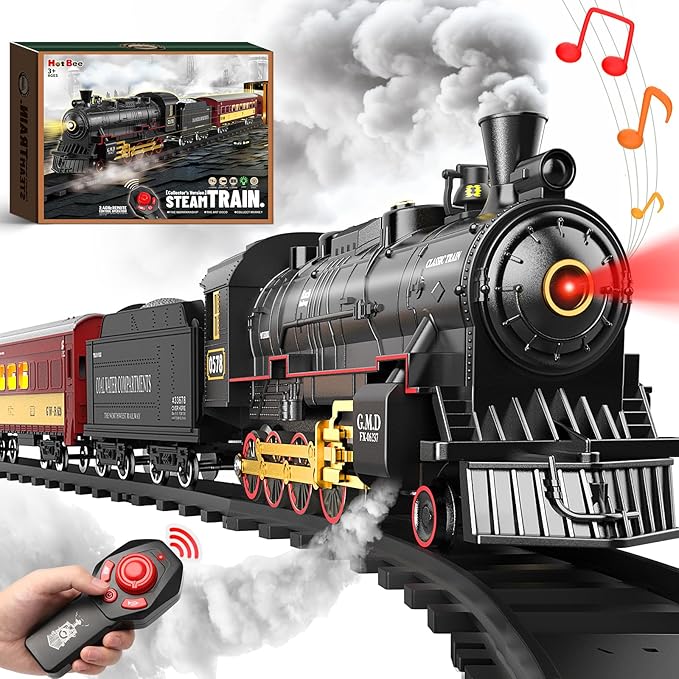
  • Battery-powered trains: Move on their own but stay safe for kids to operate.
  • Electric model trains (Lionel, Bachmann): More realistic but require adult supervision and help with setup. More Information

Search on Amazon:
“Wooden train starter set for kids 6–10” or
“Battery-powered model train for beginners”


3. What scale or size should I buy?

Scale = how big the train is compared to real life.

  • O scale (large, easy to handle): Great for kids.
  • HO scale (medium, detailed): Ideal for older children with patience.
  • N scale (tiny, detailed): Best for adults or advanced teens.

Ask on Amazon:

  • “Best O scale model train set for beginners”
  • “HO scale train for kids 8–10 years old”

Tip: Bigger trains are easier for younger children and more resistant to rough handling. More Information


4. How safe and durable is this train set?

Search phrases:

  • “Non-toxic paint wooden train set”
  • “Child-safe battery train with large parts”

Check for:

  • Rounded edges and sturdy materials
  • Secure magnets or connectors on cars
  • Non-toxic or safety-certified markings (ASTM, CE)

BRIO’s “My First Railway” and Tiny Land sets are top-rated for safety and indoor use. More Information


5. How easy is it to set up and put away?

Single moms often ask:

  • “Can my child assemble this without help?”
  • “Does it include a table or storage bin?”

Look for:

  • Click-together tracks or magnetic connectors
  • Ready-to-run or Plug-and-play labeled sets
  • Sets that come with storage boxes or fold-flat designs

Search:
“Train set easy setup storage box kids”
“Lionel ready-to-run electric train set beginner”

Model Train Starter Sets – Information


6. Is it expandable so my child won’t get bored?

Look for:

  • “Compatible with BRIO / Thomas / Tiny Land” — for wooden sets
  • “Expandable track set” or “Add-on packs available” — for electric ones

Expandable sets keep your child interested for years as they collect new track pieces, freight cars, or bridges later on. More Information


7. What kind of features make it engaging?

Ask:

  • “Does it have lights, sound, or interactive accessories?”
  • “Can my child rebuild or modify the track easily?”

Fun features include:

  • Battery engines with forward/reverse controls
  • Whistle and train sounds
  • Bridges, tunnels, or cranes
  • Interchangeable layouts (oval, figure-eight, loop)

Search:
“Battery train set with lights and sound for kids”
“Expandable wooden railway with tunnels and bridges”


8. Does it fit our space?

Measure before buying:

  • “Can this run on the living room floor or table?”
  • “Do I have storage for pieces when not in use?”

Space Tip:

  • Wooden and battery sets can go on any floor or table.
  • Larger electric O-scale trains need about a 4-foot circle minimum.

Search:
“Compact train set for small space”
“Train set with foldable table for kids”


9. How much maintenance or supervision will it need?

For a busy single mom, the goal is low maintenance.

Ask:

  • “Does this need constant cleaning or delicate wiring?”
  • “Is it durable if it’s bumped or dropped?”

Wooden and battery sets need minimal care. Electric trains require supervision, especially during setup and track wiring.

Search:
“Low-maintenance kids train set”
“Durable electric train for families”


10. Is it educational and imaginative?

A good starter train should develop more than play—it helps kids learn:

  • Hand-eye coordination
  • Patience and problem-solving
  • Storytelling and design through layout building

Look for:
Descriptions mentioning “STEM,” “creative play,” or “motor skills.”

Search on Amazon:
“Educational wooden train set for creativity and learning”
“STEM model train set for kids age 6–10”. More Information


11. What is a realistic budget range?

TypeTypical Price RangeGood Starter Brand
Wooden$40–$80BRIO, Tiny Land, Thomas
Battery-Powered Plastic$60–$120Lionel Battery Sets, Fisher-Price
Electric (HO or O Scale)$130–$250Bachmann, Lionel Ready-to-Run

Remember: You don’t need the priciest one to make it meaningful! Focus on simplicity, sturdiness, and play value.More Information


12. What do parent reviews say?

Before adding to your cart, scroll through Amazon reviews and look for:

  • Mentions of “6-year-old loved it!” or “easy to assemble”
  • 4.5-star average ratings or higher
  • Verified video reviews showing playtime or setup ease

High-volume reviews often highlight durability, track fit, or customer support—use these to avoid frustration later.


Quick Amazon Search Examples:

  • “Best train set for kids 6–10 expandable and safe”
  • “Wooden train with bridges and tunnels for boys”
  • “Lionel ready-to-run battery train set family gift”
  • “Starter set HO scale train for beginners 2025 kids”

Model Train Starter Sets – Information

Final Tip for Parents

If your son (or daughter!) loves building worlds, playing pretend, or watching trains pass, a model train set can become a lifelong hobby. Focus on simplicity, safety, and fun, and let curiosity carry the rest. Ask these questions up front, and your Amazon search will lead you to the perfect starter set for hands-on creativity and years of shared joy.

  1. https://charlesro.com/how-to-choose-the-right-model-train-set/
  2. https://www.tinylandus.com/en-de/blogs/collections/what-is-the-best-train-set-for-kids
  3. https://www.parents.com/best-train-sets-for-kids-8606278
  4. https://tandkhobby.com/blog/how-to-choose-juniors-first-train-set/
  5. https://play-trains.com/best-wooden-train-sets/
  6. https://www.trainworld.com/which-train-set-is-right-for-me
  7. https://www.strasburgrailroad.com/blog/best-train-toys-and-model-trains/
  8. https://www.reddit.com/r/modeltrains/comments/rjywci/how_young_is_too_young_for_model_trains/
  9. https://www.facebook.com/groups/438725726326410/posts/2600023460196615/
  10. http://www.joesherlock.com/train-faq.html
  11. https://www.reddit.com/r/modeltrains/comments/18dxjfv/whats_the_best_starter_train_set_for_kids/
  12. https://www.tcmrm.org/about/ask-the-train-doctor/
  13. https://www.trainworld.com/train-set.html
  14. https://forum.trains.com/t/store-bought-train-set-vs-indavidual-bought-pieces/116133
  15. https://www.reddit.com/r/modeltrains/comments/5lao6n/what_train_set_would_you_recommend_for_a_first/
  16. https://factorydirecthobbies.com/collections/kids-toys
  17. https://www.nmra.org/beginners-guide
  18. https://www.youtube.com/watch?v=5-wf2tEmUAI
  19. https://forum.trains.com/t/which-is-the-best-train-set-for-a-young-child/99592
  20. https://www.youtube.com/watch?v=J11J3hG0vUk

Picking Your First Locomotive: A Family Guide to Smarter Model Railroading Expansion


Introduction

Upgrading your starter train set is a major milestone for every new model railroad family. While your original set likely came with a dependable locomotive, expanding your roster brings diversity, improves play, and sets the stage for more realistic operations as your layout and interest grow. But faced with so many brands and models, how do you choose your first new locomotive? This article will empower parents and kids to select a locomotive that looks great, runs reliably, and fits their goals—so everyone enjoys the next stage of the journey.

Understanding Scales and Compatibility

Before selecting, double-check your train’s scale (HO, N, O, etc.) so the new locomotive matches both your track and existing rolling stock. Mixing scales is a frequent rookie mistake—so read the box or manual if you’re unsure.

Choosing Locomotive Types

  • Steam vs. Diesel: Steam engines have classic, old-time charm, perfect for vintage scenes and younger kids who love “Thomas”-like engines. Diesels and electrics are rugged, easy to run, and suit modern layouts.
  • Passenger vs. Freight: Think about what you want to haul most. Passenger locos pair with elegant coaches for family travel scenes. Freight engines are ideal for operational games—delivering cargo across your budding empire.

Key Features to Consider

  • Ease of Maintenance: Choose models with simple, accessible mechanisms so families can keep them clean and running.
  • Durability: Young children may be hands-on. Opt for sturdy mechanisms and robust body shells, especially for entry-level use.
  • Control System Compatibility: If you plan to switch from DC (traditional) to DCC (digital), look for “DCC-ready” locomotives for easy future upgrades.

Top Picks for Starter Family Locomotives

  • Bachmann, Lionel, and Kato are all beginner-friendly brands with strong reputations for reliability and support.
  • Consider local railroad favorites or engines seen in your area for personal connections and history learning.

For a look at various steam and diesel locomotives check here.

Color, Style, and Storytelling

Involve the whole family in picking a color or type. Vote on favorites or research real-life trains that inspire your adventures—this sparks creative energy and deeper play.

Testing, Running, and Learning

Once purchased, test your new loco at different speeds, on curves, over switches, and hauling cars. Practice running two engines if your system allows, encouraging teamwork and gentle competition.

Wrapping Up

With the right locomotive, your family’s model railroad will gain energy, realism, and fun. Remember, upgrading is about play—enjoy the journey, and grow your skills together

Five Starter Track Plans That Make Model Railroading Fun.


Stepping into the world of model trains is exhilarating—especially if a shiny new starter set found its way under the tree this holiday season! While simply running loops is good fun, adding a layout designed for operational challenges opens up new levels of enjoyment and learning. Below, you’ll find five proven, easy-to-build layouts ideal for new modelers. Each plan encourages hands-on activity and sets you up for deeper adventures in the world’s greatest hobby.


1. The Classic Oval with a Siding

Why it’s great for beginners:
Every starter set includes enough track for a simple oval. The continuous closed loop lets you just run trains and watch them go. Once the thrill of spinning laps wanes, it’s time to add a short siding. Using a turnout, you can branch off for storage, pretend deliveries, or engine changes.

How to make it interesting:

  • Use your siding as a delivery spot for different freight cars.
  • Invent stories: “Drop the boxcar at the bakery, pick up the flatcar at the lumber mill.”
  • Challenge yourself with basic operations, such as swapping cars between trains using the siding to minimize moves.

Scalability:
This layout is endlessly expandable. Add sidings and industries as your collection grows, turning a simple loop into a busy rail network.More Info.


2. Inglenook Sidings – The Puzzle Champion

Why it’s great for new modelers:
This classic British yard puzzle fits on a bookshelf and works in HO, N, or OO scale—especially if space is limited. The basic ingredients are a headshunt (main track) and three sidings: one long, two short.

How to play the Inglenook puzzle:

  • Arrange 8 cars in the sidings.
  • Draw cards to assemble a train of 5 cars in a set order.
  • Only use the available track space—no cheating!
    The fun comes from working out how to marshal the train by shunting back and forth, often with limited room to maneuver.

Learning from it:
The Inglenook teaches essential switching skills, logical thinking, and real-world railroading practices like coupling, reversing, and making strategic decisions. It’s endlessly replayable, and you can compete against friends or your own “best score.”
For detailed building tips, see resources like the [Wymann sidings guide].More Info.


3. The Timesaver – A Tidy Little Challenge

Why it’s great:
Invented by John Allen, the Timesaver is a classic switching puzzle famous worldwide for its tricky operations. It uses a simple yard ladder with five stub sidings and a connecting main line.

How to set up:

  • Place a car in each siding, randomly.
  • Assign each car a destination: warehouse, station, mill, etc.
  • Your goal is to sort the cars to those destinations using as few moves as possible.

Why you’ll love it:
Timesaver fits on a door-sized table or smaller and can be customized with extra spurs, scenery, or industries. It brings real railroad logic to the living room, keeps you thinking, and becomes even more fun when played as a timed challenge or shared with friends.More Info.


4. Point-to-Point Branch Line

Why it’s great for play and realism:
Not all trains run in endless circles! Many real railroads operate “branches” linking small towns or factories in a straight (or gently curved) line. A point-to-point layout brings purpose and realism to your runs.

How to use it:

  • Build a straight or L-shaped track with a station at either end and optional sidings for industry.
  • Send your train from one end to the other, making “collections” and “deliveries” along the journey.
  • Use waybills or dice rolls to assign tasks: “Deliver the blue boxcar to the furniture factory, then pick up the coal hopper.”

Benefits for beginners:
The branch line approach teaches scheduling, multi-tasking, and has a much more realistic feel than pure loops or ovals. Best of all, it can fit on a bookshelf or desktop and you can expand it by adding stations or yards over time.More Info.

For Model Railroad Supplies look Here.


5. Holiday Village Layout – Family, Fun, and Festivity

Why it’s a perennial favorite:
Trains and Christmas go together perfectly! Building a simple loop around the tree, through a festive village, offers unlimited imaginative play and family tradition.

How to set up:

  • Lay a continuous loop around your tree or under the living room table.
  • Add short sidings and decorate with miniature buildings, people, and seasonal scenery (fake snow, street lamps, even Santa!).
  • Play delivery games: “Drop presents at the post office,” “Pick up candy from the sweet shop,” etc.

Making memories:
This layout isn’t just for rail fans—it’s for everyone! Kids can get hands-on, grownups can compete in delivery races, and every year, you can add new accessories or rolling stock.More Info.


Tips for Starting Strong with Your First Layout

Stay Simple:
Don’t stress about complex wiring or scenery for your first build. Focus on reliable track-laying, smooth running, and fun operations.

Adapt to Your Space:
From tabletops to under-the-tree villages, these track plans work in small spaces and can be moved or modified as needed.

Build Gradually:
Start with the basics, then add turnouts, sidings, and mini-scenes as your skills grow and your interest deepens. Every new piece brings new challenges and fun.

Embrace the Community:
Model railroading is filled with welcoming enthusiasts who love helping beginners. Join a local club, watch YouTube build-alongs, or follow forums to ask questions and get inspired.More Info.


Conclusion: The Start of a Wonderful Journey

No matter which starter set you received or which track plan you choose, remember: every layout is a blank canvas for creativity, learning, and play. These five layouts are practical, accessible, and designed to teach you the joys of operations—a lifelong model railroad adventure awaits!

Whether you chase holiday magic, puzzle out switching challenges, or simply enjoy the whir and click of wheels on rails, you’re now part of a worldwide tradition. So set up your tracks, gather loved ones, and let imagination lead the way—steam ahead into model railroading fun!


Happy Railroading!
For more inspiration and detailed beginner guides, explore resources at Trains.com and join local groups or online communities to boost your skills and enthusiasm.More Info

  1. https://www.trains.com/mrr/beginners/model-railroading-the-beginners-guide/
  2. https://www.trains.com/mrr/beginners/10-recommended-track-plans-for-beginners/
  3. https://www.reddit.com/r/modeltrains/comments/1uuxfb/complete_beginner_wondering_where_to_start_on_a/
  4. http://www.wymann.info/ShuntingPuzzles/SPL-build.html
  5. https://www.reddit.com/r/modeltrains/comments/zm1o0k/jd_railroad_ho_scale_christmas_train_layout/
  6. https://shop.trains.com/blogs/the-trains-com-store-blog/crafting-your-christmas-model-train-layout
  7. https://www.hearnshobbies.com/blogs/model-kits/what-is-the-most-expensive-model-railway-layout-the-cheapest-which-layout-should-you-go-for
  8. https://www.reddit.com/r/modeltrains/comments/wxi987/looking_to_get_started_with_my_first_model_train/
  9. https://www.armballast.com/best-starter-set-for-model-railroading/
  10. https://forum.mrhmag.com/post/good-starter-sets-for-newbie-12192816
  11. https://www.trainshop.co.uk/blog/post/1400-shunting-yards-designing-a-track-plan-for-realistic-operations.html
  12. https://www.youtube.com/watch?v=GHLMFrk9zXY
  13. https://www.youtube.com/watch?v=Ozo7gK4oc6Y
  14. https://www.nmra.org/beginners-guide-part-9-operations
  15. https://www.trainworld.com/train-set/ho-scale-train-set.html
  16. https://www.youtube.com/watch?v=le6MmX7wZHU
  17. https://www.reddit.com/r/modeltrains/comments/qfp2no/recommendations_needed_christmas_village_meets/
  18. https://www.youtube.com/watch?v=cUcVJM5bsSw
  19. https://www.modeltrainforum.com/threads/designing-for-operations.198257/
  20. https://www.trainz.com

The Ultimate Model Railroad Gift Guide: Top Accessories to Wish for Christmas 2025

Here’s a comprehensive, family-friendly article about the newest accessories for model railroading in 2025, with expanded descriptions, organized references, and annotated footnotes for deeper insight. The recommended gifts are divided for beginners and advanced modelers to make holiday shopping easy and rewarding.


The world of model railroading keeps evolving, and 2025 brings exciting new accessories for every level of hobbyist. Whether it’s a first train set under the tree or cutting-edge upgrades for a sprawling rail empire, this year’s releases offer better realism, easier setup, and more immersive experiences. Here’s a look at the hottest accessories—perfect for Christmas surprises—with detailed descriptions, credible references, and clear, organized lists. For more information.


Accessories for Beginners

Designed to spark imagination, streamline layout setup, and encourage family participation, these products are ideal for newcomers and young engineers.

Starter Train Sets

Description:
Starter sets from top brands like Bachmann and Lionel now come in fresh themes—holiday, classic American railroads, and even licensed children’s favorites such as “Thomas Saves Santa’s Sleigh.” These sets offer reliable engines, robust couplers, and snap-together tracks, making them perfect for quick holiday assembly. Most sets include plug-and-play features, sound modules, and detailed rolling stock to keep interest high for new users. More information Click here

Reference:
Model Train Stuff highlights new arrivals and regular updates to starter sets, available in most popular scales (HO, N, O, and more).Information

Plug-and-Play Track Systems.

Description:
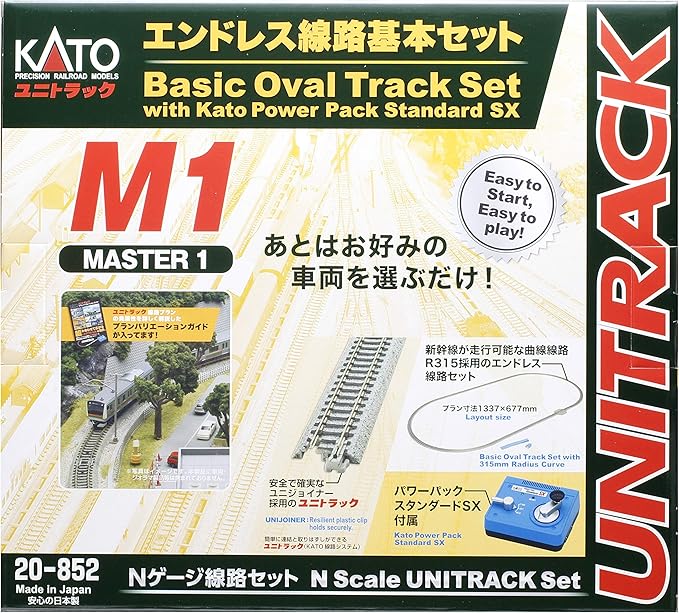
Track systems like Kato’s Unitrack and Bachmann’s E-Z Track have updated connectors in 2025, offering even sturdier fit and faster setup. These modular tracks reduce errors and help beginners create layouts efficiently, ideal for small spaces or temporary holiday displays. Recent upgrades include more realistic ballast textures and integrated electronic connection ports, making layout expansion easy.More information. Where to Buy

Prelit Buildings

Description:
LED-lit structures by Woodland Scenics and Lionel can plug straight into both DC and DCC power systems. No additional wiring knowledge required—simply place on the layout and connect to your starter set’s power terminal. Buildings now feature animated holiday scenes and synchronized window lighting, making village setups magical.More info. Purchase

Scenic Mini-Packs

Description:
New scenery bundles include flocked snow mats, holiday market figures, mini trees, lamp posts, and even removable candy cane decorations for tracks. These packs allow beginners and families to easily enhance layouts with seasonal charm and character, often without the need for glue or specialty tools.Information. Buy
Reference:
Midwest Model Railroad and Model Train Stuff offer affordable packs and variety for all scales—especially popular for family layouts and first-timers.More info.

Animated Accessories

Description:
Animated crossing gates, passenger platforms with moving figures, and sound-equipped signal towers bring layouts alive without technical hassle. These accessories arrive pre-assembled and feature simple “plug and play” connectors or battery operation, making them ideal for younger hobbyists looking for action and excitement.More listings Buy
Reference:
Micro-Mark and other major accessory retailers showcase these animated features and their easy installation guides.Info

Railroad Signs and Billboards

Description:
Clip-on signs with seasonal messages, directional arrows, or playful graphics are now available in most scales. Reversible designs let hobbyists swap themes for different holidays, adding personalization to any layout.Article Purchase

Reference:
TrainWorld’s latest billboard sets are highly rated for creative family layouts and seasonal displays.More Info


Accessories for Advanced Modelers

For those seeking deeper realism, precision control, and advanced layout management, these new releases deliver professional-grade features and innovation.

Smart DCC Systems

Description:
Digital Command Control (DCC) systems continue to evolve. The newest units for 2025 feature wireless connectivity to dedicated apps, voice-control commands, easy firmware updates, and direct integration with home automation (Alexa/Google Home). Advanced multiplexing allows up to 10 locomotives on a single channel, with individual accessory control and real-time monitoring of track voltage and engine performance.Additional Info. Purchase.
Reference:
Model Train Stuff’s “Just Arrived” and “Preorder” sections highlight the emerging DCC controllers and their technical specs.More Info

Sound Decoders and Upgraded Locos

Description:
LokSound, TCS, and Soundtraxx have released new sound chips and sound-equipped locomotives with refined sampling, customizable sound libraries, and environmental effects (rain, wind, crossing bells). The latest decoders support manual and automatic adjustments for dynamic volume, speaker type, and “sound zone” operation based on engine location on the track.modeltrainstuff+1 Buy dcc equiped locomotives Buy
Reference:
Industry reviews praise these modules for bringing “mainline realism” to even small home layouts.modeltrainstuff

Programmable Lighting Sets

Description:
Addressable RGB LEDs now feature ultra-thin wires and glue-free mounting clips, letting advanced modelers illuminate entire city blocks, animate trackside scenes, and synchronize train headlights and building interiors. Updated controllers interface with DCC throttles, enabling “layout-wide” light shows or real-time intensity adjustments.micromark Buy
Reference:
Micro-Mark’s 2025 catalog lists compatible kits for expansion on existing and new layouts.micromark

Bluetooth Turnout Motors

Description:
2025 brings mobile-app-enabled turnout motors—mountable without soldering or drilling—so users can change switch positions from phones or tablets. This innovation empowers operators to manage complex yard operations or puzzle layouts without crawling under benchwork, a frequent challenge in traditional designs.modeltrainstuff+1 Coming.
Reference:
Featured on Model Train Stuff’s accessory page and in online user reviews for quick installation.modeltrainstuff

Weathering Tools Kits

Description:
Weathering is an art, and this year’s kits include new airbrush-compatible applicators, “seasonal” pigment packs (rust, soot, snow, autumn leaves), and video tutorials. These make realistic car, building, and landscape aging possible for every modeler, without risk of permanent damage.charlesro+1 Purchase
Reference:
MegaHobby and Micro-Mark showcase popular brands and their step-by-step guides for advanced finishing.charlesro+1

3D Printed Accessories

Description:
With high-resolution 3D printing now accessible, hobbyists can order or design ultrafine detail figures, rare vehicles, and custom structures—precisely scaled to their layout’s era or geographical setting. 2025’s offerings include build-your-own kits or “made to order” pieces from new boutique print shops.megahobby Buy
Reference:
ModelTrainStuff and MegaHobby’s partnership with accessories designers means an ever-changing catalog of exclusive items.megahobby+1

High-Definition Cameras

Description:
“Cab ride” cameras and layout monitors have moved to true HD/4K, with streaming and instant sharing features. Modelers can now capture inside-the-train perspectives or broadcast their club’s switching puzzle challenges live—and even analyze operations for improvement.modeltrainstuff Buy


Reference:
Midwest Model Railroad’s tech section features trending video and control products for advanced users.modeltrainstuff

Automated Car Routing Systems

Description:
Using RFID or Bluetooth tags, layouts can now have every car digitally tracked. Integration with management apps and sensors allows real-time switch lists, “favorited” operational plans, and automated accidental routing fixes, which streamlines puzzle play or full-operation sessions.trains
Reference:
Trains.com’s planning bundles and digital operations guides introduce these systems for both club and home layouts.trains


Final Touches and Gift Suggestions

Stocking Stuffers:
Don’t forget utility items: specialty hobby knives, extra brushes, track cleaning pads, repositionable signage, and era-specific detail packs are always appreciated—even by experienced hobbyists.charlesro

Gift Bundles:
Family-oriented “starter scenery plus a new animated accessory” packs, e-gift cards from favorite retailers, and new-release books on creative layout design and railroad history make for ideal group or solo gifts that inspire and educate.


References & Footnotes

** Model Train Stuff: Shop for trains, accessories, and newly launched gadgets, offering up-to-date listings and periodic sales for every skill level.transum+1
** Midwest Model Railroad: Resource for affordable trains, skill-building tips, and trending layout tools, with accessible advice for beginners and advanced users.
robotimeonline+1
** Micro-Mark & MegaHobby: Specializing in weathering tools, animated accessories, and model building packs for creative upgrades.escaperoomgeeks+2
** TrainWorld: Leading source of seasonal and family-oriented model railroading products, including billboard and signage options for 2025.
happilyevermom+1
** Trains.com: Guide to digital management systems, advanced planning materials, and the latest railroad trends for serious enthusiasts.parents.highlights+1
** Retailer and manufacturer product reviews: Cited throughout for specific features, innovations, and practical installation tips.
bloomberg


May every model railroader’s wish list find inspiration and delight from the newest 2025 accessories—and may your holiday layouts shine brighter and run smoother than ever!trainworld+3

  1. https://www.modeltrainstuff.com
  2. https://micromark.com/collections/model-trains
  3. https://www.trainworld.com/gifts/christmas-trains.html
  4. https://www.trainworld.com/gifts.html
  5. https://www.modeltrainstuff.com/train-layout/
  6. https://charlesro.com/ultimate-christmas-guide-for-model-trains/
  7. https://www.megahobby.com/categories/model-railroading.html
  8. https://shop.trains.com/products/great-model-railroads-and-model-railroad-planning-2025-bundle
  9. https://www.transum.org/Software/Shunting/Default.asp?Level=1
  10. https://www.robotimeonline.com/blogs/all-blogs/family-puzzle-time-how-to-make-it-a-fun-experience-1
  11. https://midwestmodelrr.com
  12. https://escaperoomgeeks.com/diy-puzzles/
  13. https://happilyevermom.com/puzzle-activities-for-kids/
  14. https://parents.highlights.com/7-family-games-to-play-anywhere
  15. https://www.bloomberg.com/company/stories/get-ready-for-bloombergs-summer-of-puzzles-2025/

Switching Made Simple: Model Railroad Operations Through Puzzles

Here is a follow-up article focused on model railroading, designed to teach switching operations through interactive puzzles. The article introduces you to operational concepts, explains how puzzle-based exercises build skills, and provides instructions for accessing the online puzzle series, which progresses from beginner-friendly to advanced.conrail1285+3


Switching operations are the heart of both real-world railroads and engaging model layouts. Whether you’re simulating a busy freight yard or managing branchline deliveries, understanding the basics of car movements is what transforms toy trains into an operational railroad. In this article, you’ll explore switching concepts through a series of carefully designed puzzles—each one created to challenge, educate, and entertain railfans of all ages.trains+1

Why Switching Matters

Switching (also called shunting) is the process of sorting, assembling, and delivering railcars to their destinations. In real railroad operations, switch crews must plan every move, navigate limited track space, and problem-solve to efficiently route cars. On your model railway, switching operations add realistic purpose to running trains, making every operating session more meaningful and rewarding.nmra+2

Learning By Doing: Puzzle Format

This hands-on puzzle series was created to demystify the basics of switching. Each challenge provides a layout schematic and a set of objectives. Starting with the fundamentals—simple moves, basic sidings, and runaround tracks—you’ll build your expertise, session by session. The puzzles gradually increase in complexity, introducing new strategies and operational scenarios.nmra-scwd+1

How To Join In

All puzzle materials and instructions are hosted online. Access the puzzles here: YOUR PUZZLE WEBSITE LINK HERE.

  • Beginner Puzzles: Learn basic maneuvers like the pull, shove, and runaround.trains
  • Intermediate Puzzles: Tackle car sorting, limited track scenarios, and industry switching.
  • Advanced Operations: Practice building trains to spec, working with switch lists, and navigating complex yards.

Each puzzle includes diagrams, clear rules, and introductory notes. Work through them at your own pace; as your confidence grows, the next level will introduce new twists.

Family-Friendly Challenges

Model railroading is truly a family affair. Puzzles are designed for all ages—kids can start with basic moves, while adults and teens attempt trickier switching problems. Collaborate as a crew: assign one person as the engineer, another as conductor, and let everyone try their hand at solving each session’s “mission”.hearnshobbies+2

Step-by-Step Success

Switching puzzles mirror real railroad procedures. A typical job may ask you to:

  • Move boxcars to specified industries
  • Pickup and reassemble cars in order
  • Use runaround tracks to navigate trick sidings
  • Manage space, avoid fouling other tracks, and update your switch listrrmodelcraftsman+1

Hints and explanations guide beginners at each step. As you work through the series, you’ll discover pro tips for efficiency and precision—skills that transfer back to your full layout operations.wymann+1

Growing Your Skills

Each puzzle in the series builds on prior lessons. You may start with straightforward pulls and shoves, but soon you’ll face limited switch leads, multi-car movements, and service schedules. The skills you gain—planning, teamwork, and problem-solving—will make operating your model railroad even more enjoyable.conrail1285+2

Ready to Switch?

Visit the puzzle website, choose your starting level, and dive into the challenges. Each puzzle is open-ended: try multiple strategies, collaborate with friends or family, and compare solutions online. New puzzles will be added over time, so keep checking back for fresh operational adventures.

Final Thoughts

Model railroad switching turns play into purposeful operating. These puzzles are more than games—they’re training tools for making model railroading realistic and fun. Whether you’re just starting out or striving for advanced operations, puzzle-based exercises are the perfect way to master the art of switching.

Begin your journey today, and see how a few clever moves can transform your railroad into a bustling, operational railway—one puzzle at a time.nmra-scwd+3


  1. https://conrail1285.com/an-introduction-to-model-railroad-ops/
  2. https://www.nmra-scwd.org/ops-puzzles.html
  3. https://www.trains.com/mrr/beginners/ask-trains/switching-a-model-railroad/
  4. http://www.wymann.info/ShuntingPuzzles/shunting-puzzles.html
  5. https://www.nmra.org/beginners-guide-part-9-operations
  6. https://www.hearnshobbies.com/blogs/model-railways/model-railroading-for-families-creating-memories-on-miniature-tracks
  7. https://www.philobiblon.com/eisenbahn/puzzle_article.shtml
  8. https://rrmodelcraftsman.com/set-up-your-layout-for-realistic-operations/
  9. https://midwestmodelrr.com/blog/understanding-model-railroad-operations-a-journey-into-the-fascinating-world-of-model-railroads/
  10. https://www.youtube.com/watch?v=3OHnVh4sEPU
  11. https://www.youtube.com/watch?v=wxZUIhMjjIA
  12. https://www.youtube.com/watch?v=7LdHlfPOB6o
  13. https://www.trains.com/mrr/how-to/how-to-switch-model-railroad-freight-cars/
  14. https://shop.trains.com/collections/puzzles-games
  15. http://www.wymann.info/ShuntingPuzzles/
  16. https://shop.trains.com/products/railroad-family-trees-puzzle
  17. https://www.wired.com/2007/04/my-son-age-3-is/
  18. https://www.delmarvamodelrailroadclub.org/Operations/Operations.html
  19. https://www.youtube.com/watch?v=nf0Iz36PGmA
  20. https://www.youtube.com/watch?v=ldl0VoMgQCs

Introduction to Puzzle Layouts in Model Railroading: A Beginner’s Guide

Introduction to Puzzle Layouts in Model Railroading: A Beginner’s Guide

Puzzles, also known as switching in the US, is a fascinating and engaging aspect of model railroading that focuses on organizing and rearranging train cars within a yard or station area. For beginners, a puzzle layout offers a hands-on way to experience the operational side of railroading beyond simply running trains in loops or point-to-point tracks.

What is a Puzzle Layout?

A puzzle layout is a type of model railway designed primarily for the purpose of sorting, assembling, and disassembling trains rather than continuous running. It typically features sidings, yards, and multiple tracks where freight or passenger cars can be moved around, detached, and reattached in specific sequences to simulate real railway operations6.

Why Choose a Puzzle Layout?

  • Operational Interest: Unlike simple loop layouts, shunting layouts provide a puzzle-like challenge where you manage the placement and order of cars. This adds depth and realism, making the hobby more interactive and rewarding28.
  • Space Efficiency: Many puzzle layouts are compact, making them ideal for hobbyists with limited space. Despite their small size, they offer complex operational possibilities2.
  • Learning Real Railway Practices: Puzzles mimics real-world railway logistics where freight cars are sorted in classification yards or stations for delivery to various destinations. This helps beginners understand how goods and passengers are moved efficiently by rail78.

Basic Concepts of Switching

  • Organizing Trains: Switching involves arranging cars in a required sequence for departure. For example, brake wheels must be at the rear, and cars destined for different locations are sorted accordingly8.
  • Sidings and Yards: These are the tracks off the main line where cars are temporarily parked or rearranged. A typical puzzle layout will have several sidings to represent different industries or destinations28.
  • Operations: The process includes detaching cars from incoming trains, moving them to the correct sidings (such as goods sheds, coal yards, or cattle docks), and assembling outbound trains with the correct cars8.

Getting Started with a Simple Switching Layout

For beginners, starting with a simple switching layout is recommended. This can be as small as a shelf or table-top design with a few sidings and a small yard. The goal is to create a scenario where you receive a mixed train and then sort the wagons according to their destinations or cargo types.

  • Example Layout: A small branch line with a goods yard and a passenger platform can provide a variety of switching tasks, such as dropping off freight cars and picking up passengers1.
  • Operating Potential: Even simple layouts can offer hours of engagement by simulating real railway tasks like mixed passenger and goods trains, prioritizing passenger cars, and managing slow speeds to avoid mistakes1.

Tips for Enjoying Switching

  • Plan Your Traffic: Decide on the era, location, and type of traffic your layout will represent. This determines the kinds of cars and operations you’ll have2.
  • Use Switching Puzzles: Popular puzzles like Timesaver or Inglenook Sidings can help beginners practice switching techniques in a structured way6.
  • Patience and Practice: Switching can be complex and sometimes frustrating, but it is also very rewarding as you master the skills of organizing trains efficiently8.

Conclusion

A switching layout is an excellent introduction to model railroading for beginners who want more than just running trains around a loop. It combines operational realism, strategic thinking, and hands-on fun. By starting small and focusing on the basics of sorting and organizing cars, you can develop a deeper appreciation for the art and logistics of railroading.

Once you start switching, your layout will provide hours of pleasure and a rich understanding of how real railways work behind the scenes8. Enjoy the challenge and the satisfaction of creating order from the complexity of rail traffic!

This introduction is designed to spark interest and provide a clear understanding of what switching layouts are and why they are a rewarding choice for beginner model railroaders.

  1. https://www.youtube.com/watch?v=ZDqQxj4zPUc
  2. http://www.wymann.info/ShuntingPuzzles/small-layouts.html
  3. https://www.youtube.com/watch?v=awbeVHaZL3U
  4. https://www.reddit.com/r/modeltrains/comments/1ccpwqc/what_do_you_think_about_my_shunting_layout_plan/
  5. https://ercim-news.ercim.eu/en68/special/railyard-shunting-a-challenge-for-combinatorial-optimisation
  6. https://en.wikipedia.org/wiki/Model_railroad_layout
  7. https://www.dbcargo.com/rail-de-en/logistics-news/abc-rail-freight-transport-techniques-12984250
  8. https://www.modelrailforum.com/threads/beginners-guide-shunting.21933/
  9. https://homepages.cwi.nl/~lex/files/PlanningOfShuntTracks.pdf
  10. https://www.youtube.com/watch?v=2Q1O25XoHaE
  11. https://www.trainshop.co.uk/blog/post/1400-shunting-yards-designing-a-track-plan-for-realistic-operations.html

Complete Beginner’s Guide to Laying Track for an HO Scale Layout

Building an HO scale model railroad is a fun, creative, and rewarding family project. This guide covers everything a beginner needs to know-from planning and preparing the roadbed to choosing the right track and tools, step-by-step installation, and long-term maintenance. Each section is easy to follow and designed to help you achieve smooth, reliable operation and a realistic look.

1. Planning Your Layout

Start by sketching your track plan on paper or using planning software. This helps you visualize your layout and ensures it fits your available space. Mark the centerlines for your track on your baseboard using a pencil for accurate placement later. A well-thought-out plan saves time and prevents mistakes down the line13.

2. Preparing the Baseboard

A sturdy, flat base is essential for a reliable layout. Use plywood or foam board supported by a simple wooden framework. Make sure the surface is level and strong enough to support your scenery, track, and trains3.

Tools you’ll need:

  • Saw (for cutting wood)
  • Drill and screwdriver
  • Measuring tape and ruler
  • Pencil and set square

3. Understanding HO Scale Track Types

HO scale (1:87.1) is the most popular choice for model railroaders, offering a balance of detail and manageable size1.

Code 100 vs. Code 83 Track

Track TypeDescriptionProsCons
Code 100Taller rail (0.100″)Durable, easy for beginners, compatible with older trainsLess realistic appearance
Code 83Lower, more prototypical rail (0.083″)Realistic look, preferred for modern layoutsSlightly more delicate, not always compatible with vintage models
  • Code 100 is robust and forgiving, making it ideal for beginners.
  • Code 83 offers a more realistic look, perfect for those focused on detail.

Sectional vs. Flex Track

  • Sectional Track: Pre-formed, easy to assemble, ideal for beginners and temporary layouts.
  • Flex Track: Bendable, allows custom curves and more realistic layouts but requires careful cutting and fitting.

Integrated Roadbed Track

Some brands offer track with built-in roadbed (e.g., Bachmann EZ Track), simplifying installation for beginners and families.

4. Choosing and Preparing the Roadbed

The roadbed raises the track, provides sound dampening, and gives a realistic profile.

Roadbed TypeProsCons
FoamLightweight, easy to shape, quiets noiseSlightly more expensive
CorkTraditional, durable, easy to work withCan dry out or crumble over time
Integrated TrackSimplifies installation, portableLess realistic, limited flexibility
  • Foam (e.g., Woodland Scenics) is popular for its ease of use and sound dampening.
  • Cork is a classic, affordable choice.
  • Integrated roadbed track is best for quick setups and portability.

Step-by-Step: Preparing the Roadbed

  1. Mark Your Track Path:
    Use your track plan to draw the centerline on your baseboard.
  2. Cut and Fit the Roadbed:
    For curves, cut slits in the roadbed to help it bend smoothly. Dry-fit the roadbed along the marked centerline.
  3. Secure the Roadbed:
    Apply white glue or double-sided tape to attach the roadbed. Press firmly and use pins or small weights while the glue dries. Ensure it’s level and follows the centerline.
  4. Smooth the Surface:
    Once dry, check for bumps or gaps. Sand any rough edges or uneven spots gently.

5. Essential Tools for Accurate Track Laying

  • Track alignment gauges (for correct rail spacing)
  • Track cutters (for cutting track sections)
  • Needle-nose pliers (for bending rail ends and inserting joiners)
  • Small hammer or rubber mallet (for gently tapping in track nails or pins)
  • Measuring tape or ruler
  • Pencil/marker
  • Straightedge or flexible curve
  • Small level
  • Adhesive (white glue or double-sided tape)
  • Sandpaper or small file

6. Laying the Track: Step-by-Step

  1. Position the Track:
    Lay track sections on the prepared roadbed, aligning with the centerline. Shape flex track as needed.
  2. Connect and Secure:
    Join track sections using rail joiners. Use alignment gauges for correct spacing. Secure track with small nails, pins, or a dab of glue (avoid glue near moving parts).
  3. Test and Adjust:
    Run a piece of rolling stock over the track to check for bumps or misalignments. Adjust before final securing.
  4. (Optional) Ballasting:
    Spread model railroad ballast along the track for realism. Mist with a 50/50 water-glue mix (add a drop of dish soap) to secure, avoiding moving parts.

7. Maintenance and Repair Tips

  • Regular Cleaning:
    Use a soft cloth or track cleaning car to remove dust and dirt. Avoid harsh chemicals.
  • Inspect Joints:
    Check rail joiners and connections for gaps or looseness.
  • Check for Warping:
    Look for any warping or shifting in the roadbed or track, especially after temperature changes.
  • Repair as Needed:
    If a section becomes loose, re-glue or re-nail it. Replace damaged track or roadbed promptly.
  • Wheel and Coupler Checks:
    Make sure rolling stock wheels and couplers are clean and in good condition to prevent derailments.
  • Schedule Maintenance:
    Create a simple checklist to regularly inspect track, roadbed, and rolling stock.

8. Tips for Success

  • Start simple: Use sectional track and foam or cork roadbed for your first layout.
  • Test as you go to catch and fix issues early.
  • Take your time-patience leads to better results.
  • Involve family members in planning and assembly for a fun, shared project.

Suggested Images

  • Step-by-step photos: marking the baseboard, fitting roadbed, laying track, testing with rolling stock.
  • Close-ups of track types (Code 100 vs. Code 83).
  • Examples of foam and cork roadbed installation.

References

  1. Train scale guide – Webflow1
  2. How to Build a Model Railway | Step-by-Step Guide for Beginners & Railfans – YouTube3
  3. Walthers Model Railroading Products5

With these steps, you’ll be on your way to building a smooth-running, reliable HO scale railroad that the whole family can enjoy!

For Model Railroad Supplies check amazon.com

Citations:

  1. https://uploads-ssl.webflow.com/65f0212e0d7ed90e8f284129/681956687209e4ec9278c24d_58250850358.pdf
  2. https://lancemindheim.com/model-railroad-blog/
  3. https://www.youtube.com/watch?v=ZbPkf5B4zXo
  4. https://www.tiktok.com/discover/how-to-put-together-train-tracks
  5. https://www.walthers.com/about-us

Answer from Perplexity: pplx.ai/share

Adding Depth to Your Model Train Layout by Using Flats on the Backdrop

Model railroading is more than creating tracks and running trains—it’s about building a miniature world that sparks imagination and invites viewers to explore its stories. One of the simplest and most effective ways to enhance your layout’s realism and give it a greater sense of depth is by using flats on the backdrop. Flats are a clever solution for adding layers, scenery, and visual interest to your layout, all while saving space and keeping things budget-friendly. Whether you’re a beginner dipping your feet into this rewarding hobby or a seasoned model railroader looking to elevate your setup, this guide will walk you through everything you need to know about flats—from what they are to how to prepare, install, and customize them.

What Are Flats in Model Railroads?

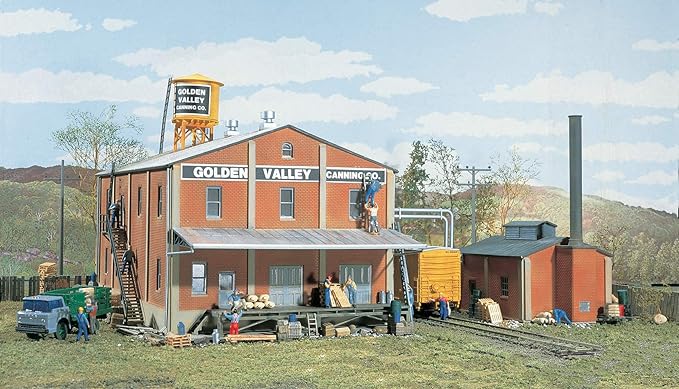
Backdrop flats, commonly referred to as “flats,” are shallow or two-dimensional models of buildings, scenery, or other features designed to sit against the backdrop of a layout. Instead of being fully three-dimensional, flats are either partially 3D or completely flat, creating the illusion of depth without occupying much space.

Flats work by tricking the eye through “forced perspective.” They blend the foreground (where 3D elements like tracks and buildings sit) with the background (the painted or printed scenery behind your layout). A row of flats depicting distant buildings, for instance, can make an urban layout feel like a sprawling city, even if the actual layout table is small.

Types of Flats

  1. Building Flats
    These replicate structures such as factories, warehouses, houses, or skyscrapers. They’re ideal for creating cityscapes or industrial areas.
  2. Scenic Flats
    These feature natural elements like hills, trees, or mountains, offering a perfect solution for rural or wilderness scenes.
  3. Custom Flats
    Want something unique? Custom flats let you design elements to match your exact layout theme, whether it’s a vintage small town, futuristic city, or fantasy world.

Why Flats Are Important

Flats bridge the gap between your foreground and backdrop, creating a smooth transition that immerses viewers in the world you’re building. They’re also a space-saving marvel, allowing you to add complexity and character to layouts of any size.

Why Use Flats?

Flats aren’t just practical; they’re a game-changer for any model train enthusiast. Here’s why you should consider incorporating them into your layout:

1. Save Space

Layouts often have limited real estate, and flats allow you to pack in detail and depth without taking up valuable space. Instead of building a large factory, a flat on the backdrop can represent a distant industrial zone, leaving room for tracks, trains, and other scenery closer to the viewer.

2. Enhance Realism

Flats create the illusion of a larger world by layering scenery. By playing with scale and perspective, flats can make your layout feel expansive and immersive. For example, a backdrop featuring hills painted with scenic flats can suggest miles of open countryside stretching beyond the layout.

3. Budget-Friendly

Full-scale buildings and scenery can be expensive, but flats are often more affordable. Pre-made kits, printable flats, or DIY options can save you money while allowing for incredible creativity.

4. Expand Storytelling Opportunities

Every model railroad tells a story, and flats add rich context to your scene. A row of building flats on a cityscape could suggest bustling neighborhoods or industrial hubs, while scenic flats showing barns or forests evoke quiet rural charm.

5. Perfect for Beginners

Flats are easy to use and beginner-friendly. With pre-made options and print-and-mount designs widely available, you can quickly add depth to your layout without advanced modeling skills or tools.

Choosing Flats for Your Layout

Selecting the right flats depends on your layout’s theme, scale, and overall vision. Follow these tips to choose flats that will elevate your scene.

1. Match Flats to Your Theme

  • Urban Layouts: Use building flats like skyscrapers, shops, or factories.
  • Rural Layouts: Scenic flats featuring barns, trees, rolling hills, or mountain ranges work well.
  • Custom Layouts: Design flats that fit your unique theme, such as historic towns, futuristic cities, or fantasy villages.

2. Pay Attention to Scale

Flats must match the scale of your layout to maintain realism. For example:

  • HO Scale (1:87): The most common scale with plenty of pre-made options.
  • N Scale (1:160): Great for compact layouts. Flats should have fine details.
  • O Scale (1:48): Larger layouts need bigger flats with intricate textures to maintain proportionality.

3. Flat Materials

  • Pre-Made Kits: Plastic, resin, or cardstock kits from trusted brands like Walthers, Woodland Scenics, or Faller.
  • DIY Options: Create flats using foam board, cardboard, or printed images. More on DIY later!

Preparing and Installing Flats

1. Preparing the Backdrop

Proper preparation and installation ensure your flats look polished and cohesive.

  • Painted Backdrops: Create a gradient from light blue (sky) to white (horizon). Add clouds or distant hills for realism.
  • Printed Backdrops: Use photo-realistic backdrops featuring skies or landscapes from brands like Scenic Express or TrainJunkies.

2. Installing Flats

  • Use double-sided tape or spray adhesive for lightweight flats.
  • Heavier flats can be attached with Velcro for removability or mounted on a wooden frame for support.
  • Align flats with the backdrop’s horizon line to ensure a smooth transition between flat and background.

3. Blend Flats with the Foreground

  • Add bushes, fences, or roads at the base of the flats to hide edges and create a natural transition.
  • For scenic flats, use foam flocking or static grass to blend seamlessly.

Enhancing Flats for Realism

Simple flats can become stunning with the right enhancements:

Add Details:

  • Apply decals for windows, signs, or advertisements.
  • Weather them with chalk pastels or dry brushing to simulate age and wear.

Lighting:

  • Add LEDs behind building windows for a glowing effect.
  • Use strip lights or spotlights to cast shadows and create depth.

Play with Perspective:

  • Position taller, more detailed flats closer to the foreground and smaller, muted flats further back to mimic distance.

DIY Flats: Save Money and Add Personality

Creating your own flats is affordable, fun, and lets you add unique touches to your layout.

Steps for DIY Flats:

  1. Print Templates: Use printable flats from sites like Railserve or Pinterest. Print on cardstock and mount on foam board for durability.
  2. Hand-Paint Designs: Sketch buildings or landscapes on foam board and paint them with acrylics.
  3. Layer for Depth: Add raised windows, doors, or signage for a 3D effect.

DIY flats let you recreate landmarks, add personal flair, and experiment with themes in a cost-effective way.

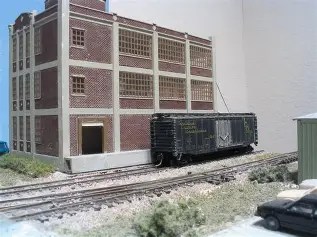
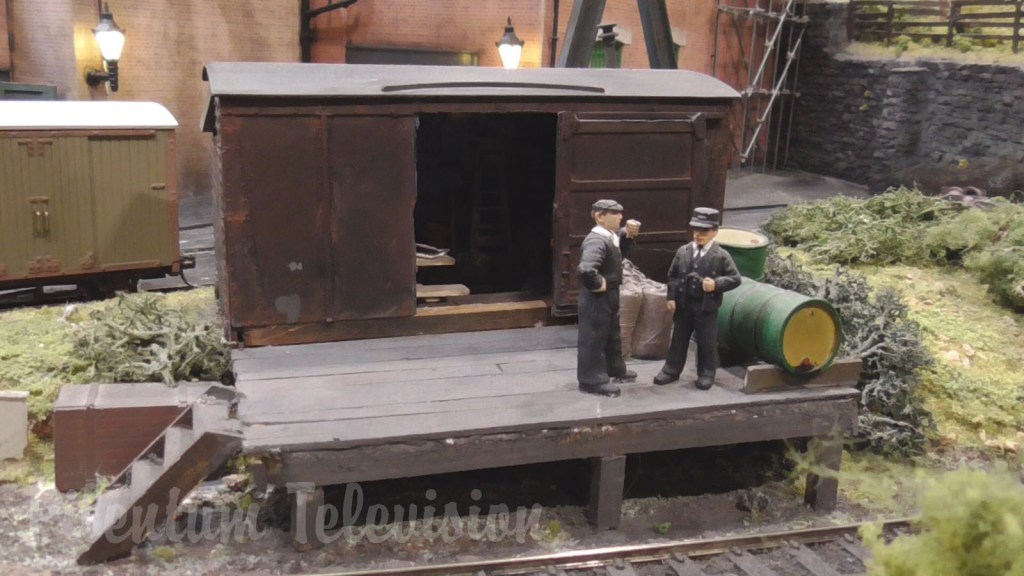
Photos from my layout showing the use of flats all of which are described above.

The photos above show how I use flats to enhance the depth of the layout. In the photo above I inserted a photo from google city scenes to add depth to the street continueing on.

Common Mistakes and How to Avoid Them

  1. Misalignment: Ensure flats align with the backdrop’s horizon. Use a ruler to check placement.
  2. Overcrowding: Space flats appropriately to avoid a cluttered look.
  3. Ignoring Scale: Match flats to the scale of your layout to maintain realism.
  4. Poor Blending: Use foliage or scenery to integrate flats with 3D elements.

Conclusion

Using flats is a transformative technique for model railroading, adding depth, realism, and personality to your layout without taking up extra space. From pre-made kits to DIY creations, flats bring your miniature world to life and immerse viewers in the story you’re telling. Whether you’re a beginner or an experienced model railroader, mastering the art of flats will elevate your layout to new heights. So, grab some flats, experiment with their placement, and watch your layout expand before your eyes!

References

  1. Walthers Model Railroading (2025). Building and Scenic Flats.
    Website: https://www.walthers.com
  2. Woodland Scenics (2025). Backdrop Design Techniques.
    Website: https://woodlandscenics.woodlandscenics.com
  3. TrainJunkies Backdrops (2025). Printed Backdrops and Scenic Flats.
    Website: https://www.trainjunkies.com
  4. RailServe (2025). Downloadable Flats & Templates.
    Website: https://www.railserve.com

5 Top Model Train Accessories for 2025: A Family-Friendly Guide for Beginners

Model railroading is an exciting and rewarding hobby, and the accessories you choose can make all the difference in bringing your layout to life. As technology advances, new tools and features emerge every year, enhancing both realism and functionality. In 2025, several innovative accessories have become must-haves for hobbyists looking to elevate their layouts. This family-friendly article explores the top five model train accessories for 2025, perfect for beginners and families alike.


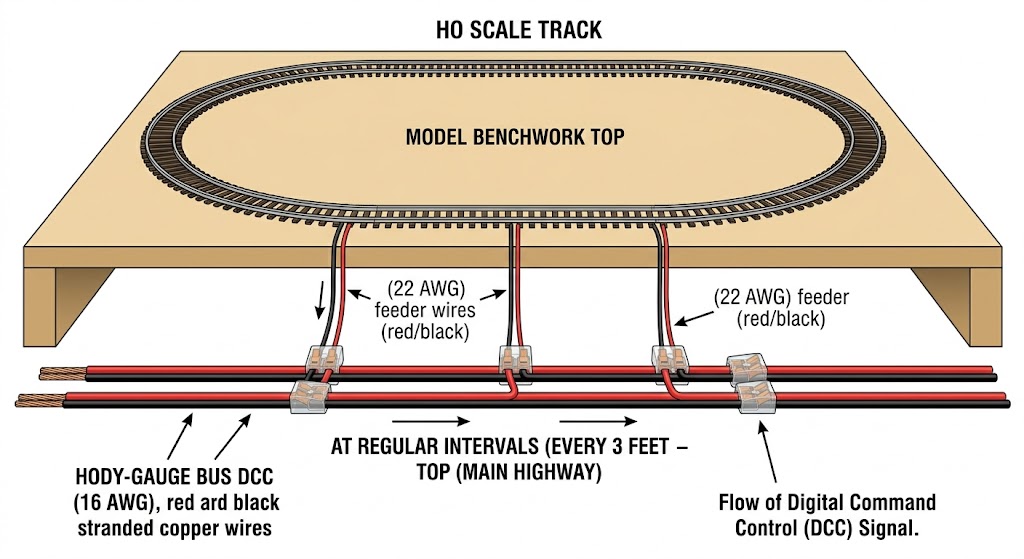
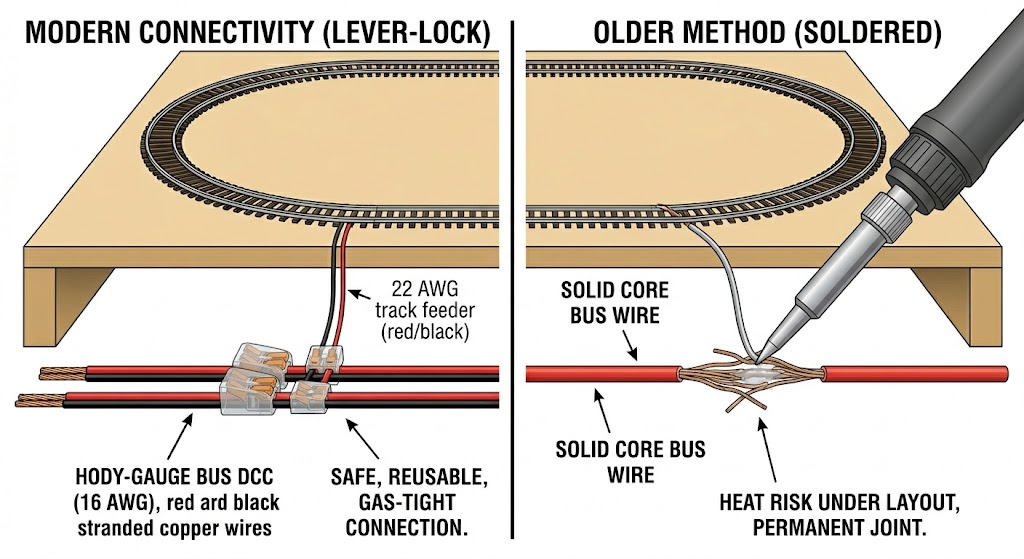
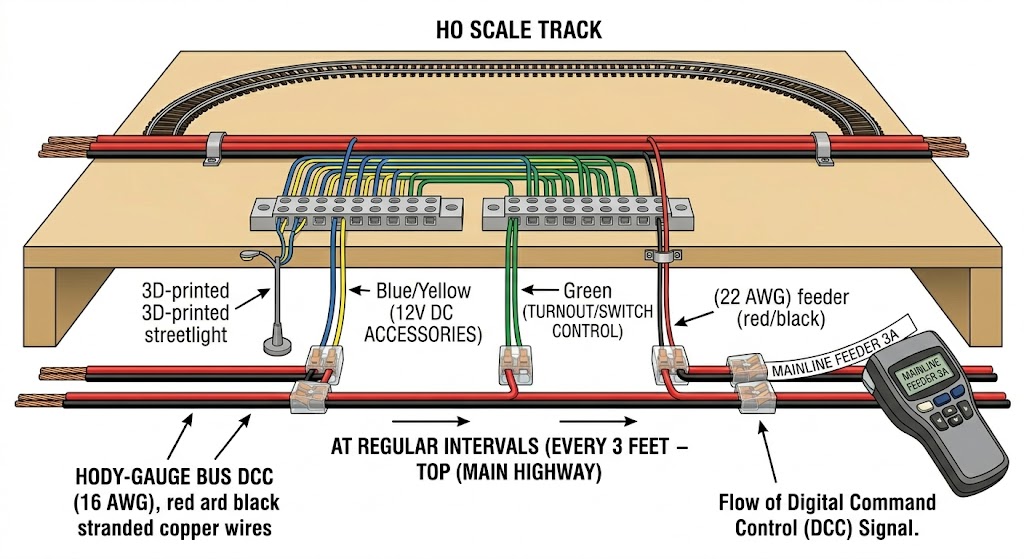
1. Digital Command Control (DCC) Systems

What It Is:

Digital Command Control (DCC) systems allow you to operate multiple trains independently on the same track. In 2025, DCC systems have become more user-friendly, with wireless connectivity and app-based controls.

Why It’s a Must-Have:

  • Ease of Use: Modern DCC systems feature intuitive interfaces that make it easy for beginners to learn.
  • Enhanced Control: You can control speed, direction, lighting, and sound effects for each train individually.
  • Family Fun: App-based controls allow multiple users to operate trains simultaneously, making it a great activity for families.

Tips for Beginners:

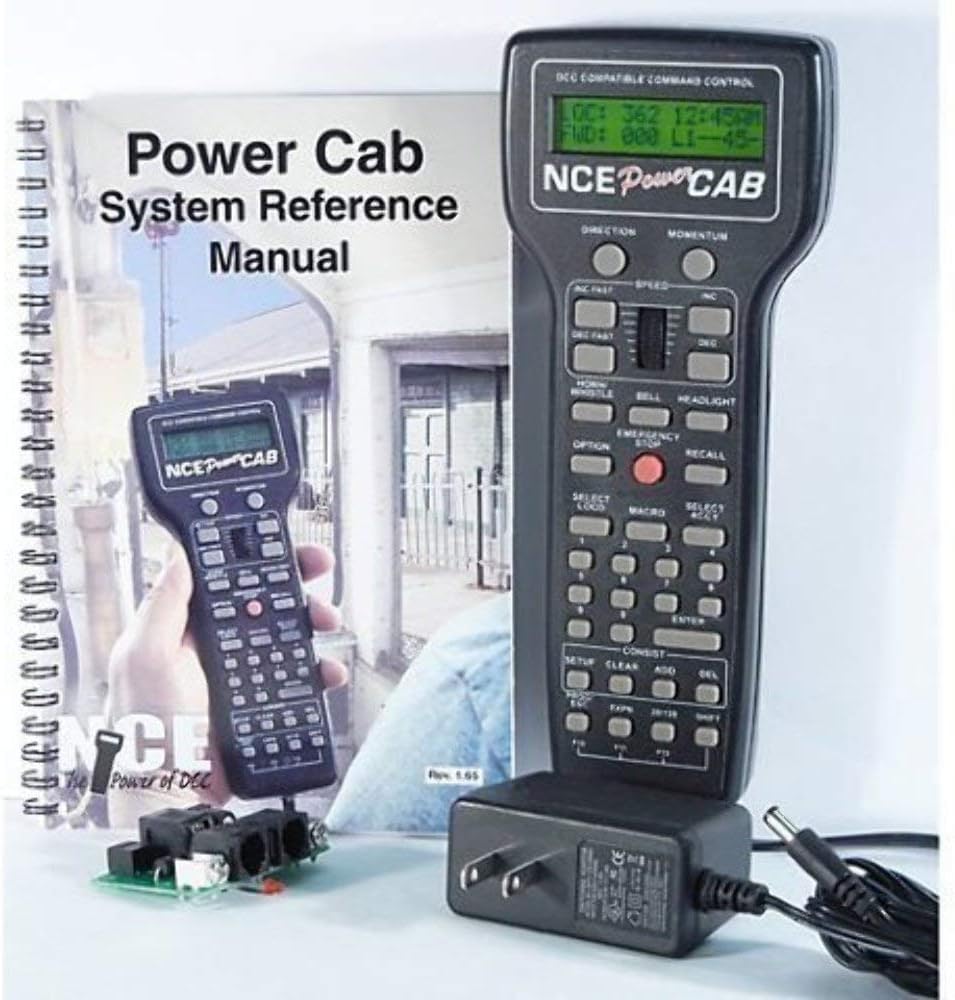
  • Start with entry-level DCC systems like the NCE Power Cab or Digitrax Zephyr Express.
  • Use online tutorials and videos to learn how to program locomotives.

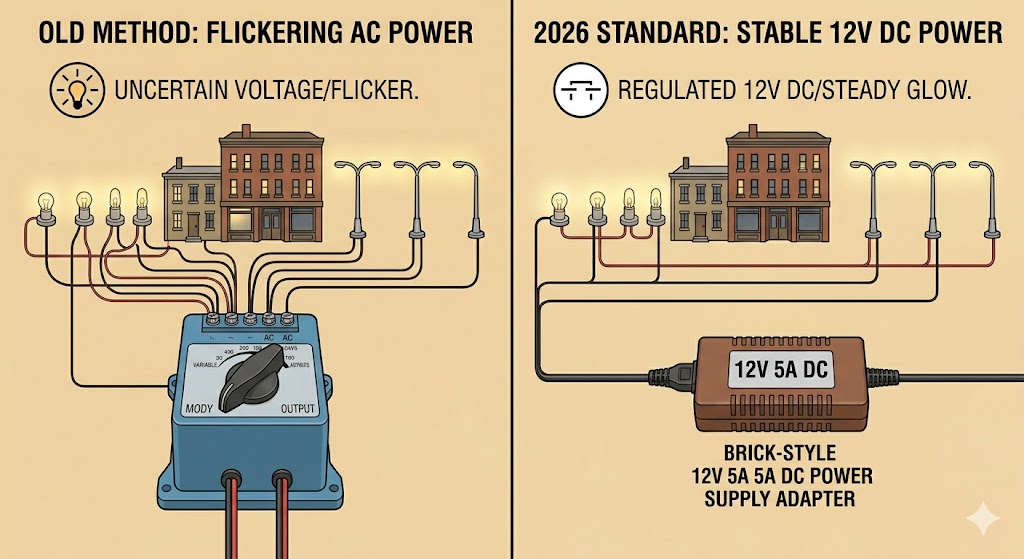
2. LED Lighting Kits

What It Is:

LED lighting kits are used to illuminate buildings, streetlights, and train interiors on your layout. In 2025, smart LED kits with programmable features have become increasingly popular.

Why It’s a Must-Have:

  • Realism: Lighting adds depth and atmosphere to your layout, especially during nighttime scenes.
  • Energy Efficiency: LEDs consume less power and last longer than traditional bulbs.
  • Customizable: Programmable kits allow you to adjust brightness and color for different scenes.

Tips for Beginners:

  • Use warm white LEDs for indoor lighting and cool white LEDs for outdoor areas.
  • Experiment with dimming effects to create realistic shadows.

3. Sound Modules

What It Is:

Sound modules provide realistic audio effects like train whistles, engine noises, station announcements, and ambient sounds. In 2025, sound modules have become more compact and versatile.

Why It’s a Must-Have:

  • Immersion: Sound effects bring your layout to life by adding an auditory dimension.
  • Customizable: Many sound modules allow you to upload custom audio files.
  • Family-Friendly: Kids love hearing realistic train sounds as they operate the layout.

Tips for Beginners:

  • Start with pre-programmed sound modules like those from SoundTraxx or MRC.
  • Place speakers strategically around your layout for even sound distribution.

4. Static Grass Applicators

What It Is:

Static grass applicators are tools used to create realistic grassy textures on your layout. In 2025, rechargeable applicators with adjustable voltage settings are trending.

Why It’s a Must-Have:

  • Realism: Static grass stands upright when applied correctly, mimicking real grass.
  • Versatility: Applicators can be used for fields, lawns, or overgrown areas.
  • Easy to Use: Modern applicators are lightweight and beginner-friendly.

Tips for Beginners:

  • Practice on a small area before applying static grass to larger sections of your layout.
  • Mix different shades of grass fibers for a more natural look.

5. Modular Scenery Kits

What It Is:

Modular scenery kits include pre-made components like hills, tunnels, rivers, and bridges that can be easily assembled and customized. These kits have become more detailed and lightweight in 2025.

Why It’s a Must-Have:

  • Time-Saving: Modular kits simplify the process of building complex terrain features.
  • Customizable: You can paint and add details to match your layout’s theme.
  • Family-Friendly: Assembly is straightforward and fun for all ages.

Tips for Beginners:

  • Choose kits that match the scale of your layout (e.g., HO or N scale).
  • Combine modular components with natural materials like rocks or twigs for added realism.

How These Accessories Enhance Your Layout

These top accessories not only improve the visual appeal of your model railroad but also make it more interactive and engaging. Here’s how they contribute:

  1. Realism: DCC systems and sound modules create lifelike operations that mimic real-world railroads. LED lighting adds atmosphere while static grass enhances scenery detail.
  2. Functionality: Modular kits save time while allowing you to focus on creative aspects of your layout.
  3. Family Fun: All five accessories offer opportunities for collaboration—whether it’s programming trains or assembling scenery components together as a family.

Beginner Tips for Accessory Integration

If you’re new to model railroading, here are some tips to help you incorporate these accessories into your layout:

  1. Start Small: Focus on one accessory at a time to avoid feeling overwhelmed.
  2. Learn as You Go: Watch tutorials online or join local model railroading clubs for guidance.
  3. Experiment: Don’t be afraid to try different techniques or configurations until you find what works best.
  4. Involve the Family: Assign tasks like painting scenery or programming trains to make it a shared activity.

Final Thoughts

The world of model railroading continues to evolve with new technologies and innovations each year. In 2025, accessories like DCC systems, LED lighting kits, sound modules, static grass applicators, and modular scenery kits are helping hobbyists create layouts that are more realistic and engaging than ever before.

For beginners, these tools provide an excellent starting point while offering plenty of room for creativity and customization. Whether you’re building a bustling cityscape or a quiet countryside scene, these accessories will help bring your miniature world to life—and create wonderful memories along the way!

So gather your family, pick up these must-have items, and start crafting a model railroad layout that’s truly breathtaking!


References

  1. Kalmbach Media (2025). Model Railroader Magazine. Various issues featuring reviews of model train accessories.[^1]
    Website: https://www.trains.com/mrr
  2. Woodland Scenics (n.d.). Scenery Techniques.
    Website: https://woodlandscenics.com
  3. National Model Railroad Association (NMRA). Recommended Tools & Accessories.
    Website: https://nmra.org
  4. Digitrax (2025). DCC Systems Overview.
    Website: https://www.digitrax.com
  5. Luke Towan (2025). YouTube Channel. Tutorials on integrating advanced techniques into model railroads.[^2]
    Link: https://www.youtube.com/@LukeTowan

[^1]: Kalmbach Media provides insights into modern tools like DCC systems that enhance model railroading layouts.
[^2]: Luke Towan’s tutorials offer step-by-step guidance on using accessories like LED lighting kits effectively.


Bringing Your Model Railroad Layout to Life with 3D Printed Details: A Beginner’s Guide

Model railroading is a rewarding hobby that allows you to create a miniature world filled with intricate details and personal touches. Over the years, advancements in technology have made it easier than ever to add unique and realistic elements to your layout. One of the most exciting innovations in recent years is 3D printing. With 3D printed details, you can customize your model railroad like never before, creating everything from tiny accessories to entire structures.

If you’re new to the world of 3D printing or wondering how to incorporate these details into your layout, this family-friendly guide will walk you through everything you need to know.


Why Use 3D Printed Details?

3D printing has revolutionized the model railroading hobby for several reasons:

  1. Customization: You can create one-of-a-kind pieces that perfectly match your vision for your layout.
  2. Affordability: Once you have access to a 3D printer or online printing service, producing small details is often more cost-effective than buying pre-made items.
  3. Precision: 3D printers can produce highly detailed models that bring a level of realism difficult to achieve with traditional methods.
  4. Accessibility: Many online platforms offer free or affordable 3D models designed specifically for model railroads.

Getting Started with 3D Printing for Model Railroads

Step 1: Accessing a 3D Printer

If you don’t own a 3D printer, don’t worry! You have several options:

  • Purchase a Printer: Entry-level resin printers like the Elegoo Mars or Anycubic Photon are affordable and perfect for small, detailed prints.
  • Use Online Services: Websites like Shapeways or Treatstock allow you to upload designs and order prints without owning a printer.
  • Local Makerspaces: Many libraries and community centers have 3D printers available for public use.

Step 2: Finding Models

There are countless ready-to-print models available online:

  • Free Resources: Websites like Thingiverse and Printables offer free downloadable files for model railroad accessories.
  • Paid Models: Platforms like MyMiniFactory or Cults3D provide high-quality designs for a small fee.
  • Custom Designs: If you have specific needs, consider designing your own models using software like Tinkercad (beginner-friendly) or Fusion 360 (advanced).

Step 3: Choosing Materials

For model railroading, two types of materials are commonly used:

  1. PLA (Polylactic Acid): Affordable and easy to work with, PLA is great for larger pieces like buildings or terrain features.
  2. Resin: Resin printers produce finer details, making them ideal for small accessories like figures or tools.

Incorporating 3D Printed Details into Your Layout

Now that you have access to 3D printed models, let’s explore how to use them effectively on your layout.

1. Buildings and Structures

One of the most popular uses of 3D printing in model railroading is creating custom buildings and structures. Whether it’s a train station, factory, or farmhouse, 3D printing allows you to design structures that fit perfectly into your layout.

Tips:

  • Print buildings in sections (walls, roofs) to make painting easier.
  • Add texture by using sandpaper or applying weathering techniques after painting.
  • Use LED lighting inside buildings for added realism.

2. Accessories and Props

Small details make a big difference when it comes to bringing your layout to life. With 3D printing, you can add accessories like:

  • Benches, streetlights, and mailboxes for urban scenes.
  • Barrels, crates, and tools for industrial areas.
  • Picnic tables, fences, and birdhouses for rural settings.

Tips:

  • Paint accessories in realistic colors using acrylic paints.
  • Group props together logically (e.g., crates near loading docks) to create believable scenes.

3. Vehicles

From cars and trucks to horse-drawn wagons, vehicles add movement and storytelling elements to your layout. Many hobbyists use 3D printing to create vehicles that match specific eras or themes.

Tips:

  • Add weathering effects like rust or dirt for used vehicles.
  • Use clear resin or transparent plastic sheets for windows.

4. Figures

Figures bring life and activity to any model railroad layout. With a resin printer, you can create highly detailed figures in various poses:

  • Workers loading cargo at an industrial site.
  • Families enjoying a picnic in the park.
  • Passengers waiting at the train station.

Tips:

  • Paint figures with fine brushes for precise details.
  • Place figures in contextually appropriate locations (e.g., workers near factories).

5. Terrain Features

Enhance your layout’s landscape with custom terrain features such as:

  • Rocks and cliffs
  • Bridges and tunnels
  • Water features like fountains or docks

Tips:

  • Combine printed terrain features with natural materials (e.g., real rocks) for added realism.
  • Use textured paints or flocking materials on terrain pieces.

6. Signage and Lettering

Custom signs are an easy way to add personality and storytelling elements to your layout. With a 3D printer, you can create:

  • Business signs for shops and factories
  • Street signs for urban areas
  • Custom lettering on buildings or vehicles

Tips:

  • Use contrasting paint colors to make lettering stand out.
  • Add weathering effects like chipped paint or grime.

Painting and Finishing Your Prints

To make your printed details look realistic, proper painting and finishing are essential:

  1. Clean Your Prints: Remove any support material left over from printing and lightly sand rough edges.
  2. Prime Before Painting: Apply a primer designed for plastic surfaces to help paint adhere evenly.
  3. Use Acrylic Paints: Acrylic paints are easy to work with and come in a wide range of colors.
  4. Add Weathering Effects: Use washes, dry brushing, or powders to simulate dirt, rust, or wear.
  5. Seal Your Work: Apply a matte or gloss sealant to protect your painted pieces.

Family-Friendly Fun with 3D Printing

One of the best things about using 3D printed details is that it’s a fun activity the whole family can enjoy! Here’s how everyone can get involved:

  • Kids can help paint small accessories like benches or barrels.
  • Teens can learn basic design skills using beginner-friendly software like Tinkercad.
  • Adults can handle more complex tasks like assembling buildings or operating the printer.

Working together not only makes the process faster but also creates lasting memories as you build something special as a family.


Final Thoughts

Incorporating 3D printed details into your model railroad layout is an exciting way to add customization and realism while keeping costs manageable. Whether you’re creating unique buildings, adding lifelike figures, or enhancing terrain features, the possibilities are endless with this innovative technology.

For beginners, start small—experiment with simple accessories before moving on to larger projects like custom structures. With time and practice, you’ll be amazed at what you can achieve!

So fire up that printer (or order from an online service), gather some paints and brushes, and start bringing your miniature world to life—one detail at a time!


References

  1. Kalmbach Media (2025). Model Railroader Magazine. Various issues featuring tips on using technology in model railroading.[^1]
    Website: https://www.trains.com/mrr
  2. Thingiverse (n.d.). Free Downloadable Models.
    Website: https://www.thingiverse.com
  3. Woodland Scenics (n.d.). Scenery Techniques.
    Website: https://woodlandscenics.com
  4. Luke Towan (2025). YouTube Channel. Tutorials on integrating advanced techniques into model railroads.[^2]
    Link: https://www.youtube.com/@LukeTowan
  5. Elegoo Official (2025). Resin Printers for Beginners.
    Website: https://www.elegoo.com

[^1]: Kalmbach Media provides insights into modern tools like 3D printing that enhance model railroading layouts.
[^2]: Luke Towan’s tutorials offer step-by-step guidance on painting and finishing techniques specific to 3D printed scenery elements.