Stargazing is a wonderful way to connect with the universe and each other. It offers a chance to step away from the hustle and bustle of daily life and immerse yourself in the beauty of the night sky. Whether you’re a novice or an experienced stargazer, creating a fun stargazing routine for your family can be both educational and entertaining. This guide will provide you with tips and activities to make stargazing a memorable family tradition.
Preparing for Your Stargazing Adventure
Choose the Right Location
The first step in creating a successful stargazing routine is choosing the right location. Ideally, you want a spot with minimal light pollution to get the best view of the stars. Your backyard can be a great starting point, but for an even better experience, consider visiting a local park or a rural area. If possible, plan a trip to a national park or a designated dark-sky area for an unforgettable stargazing experience.
Timing is Everything
Timing plays a crucial role in stargazing. The best time to observe the night sky is during the new moon phase when the sky is darkest. Additionally, allow your eyes about 20-30 minutes to adjust to the darkness for optimal viewing. Be sure to check the weather forecast to ensure clear skies on your chosen night.
Gather Your Equipment
While you don’t need fancy equipment to enjoy stargazing, a few tools can enhance the experience:

- Binoculars or Telescope: These can help you see more details, such as the craters on the Moon or the rings of Saturn.
- Star Map or Planisphere: Useful for identifying stars and constellations.
- Red Flashlight: Preserves night vision while allowing you to read star maps.
- Snacks and Drinks: Keep everyone hydrated and energized.
- Bug Spray: To protect against insect bites.
Stargazing Equipment
Creating a Fun and Educational Experience
Start with the Basics
Begin your stargazing routine by focusing on easy-to-spot objects like the Moon and bright planets. The Moon, with its many craters and phases, is a great starting point for family observing. Venus, often visible just after sunset, is another bright object that’s easy to spot.
Learn the Constellations
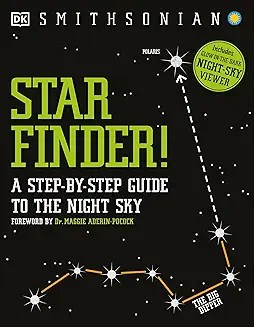
Introduce your family to the constellations by starting with recognizable patterns like the Big Dipper and Orion the Hunter. Use a constellation guide or a stargazing app to help identify these celestial patterns. As you become more familiar with the night sky, challenge your family to find new constellations each time you stargaze.
Learn the Stars and Constellations
Use Interactive Tools
Stargazing apps such as SkyView or Star Walk can add an interactive component to your experience. These apps allow you to point your phone at the sky and identify stars, planets, and satellites. They also provide information about celestial events and the mythology behind constellations.
Engage with Stories and Myths
Make stargazing more engaging by sharing stories and myths about the stars and constellations. Many cultures have fascinating tales associated with the night sky, and sharing these stories can spark your family’s imagination and curiosity.
Plan Themed Nights
To keep stargazing exciting, plan themed nights around specific celestial events or topics. For example, you could have a “Moon Night” where you focus on observing the Moon’s features, or a “Planet Night” dedicated to spotting visible planets. You could also plan a “Meteor Shower Night” during events like the Perseid meteor shower.

Fun Activities for Family Stargazing
Stargazing Scavenger Hunt
Create a scavenger hunt that includes finding certain constellations or spotting shooting stars. This is a great way to keep kids engaged and excited throughout the night. Provide a list of objects to find and offer small prizes for each one spotted.
Telescope Night
Set up a telescope and take turns looking at different celestial objects. Encourage kids to ask questions and share what they see. This is a great way to spark curiosity and encourage learning.
Stories Under the Stars
Make hot cocoa and tell stories while lying under the stars. This is a cozy and memorable way to spend a family evening. Encourage everyone to share their own stories or create new ones inspired by the night sky.
Create Your Own Star Map
Have your family create their own star maps by drawing constellation patterns on paper and labeling them. This is a great way to visualize the night sky and learn more about the stars.
Keep a Stargazing Log
Maintain a stargazing log to record what you see each night. Note the date, time, sky conditions, and the objects observed. This helps track your progress and makes the activity more engaging.
Tips for a Successful Stargazing Routine
- Be Patient: Stargazing requires patience. Take your time, let your eyes adjust, and don’t rush from object to object. The joy of stargazing often comes from the peaceful contemplation of the cosmos and the shared experience with loved ones.
- Stay Informed: Keep an eye on astronomy websites and apps for updates on celestial events and optimal viewing times. This will help you plan your stargazing sessions more effectively.
- Engage the Kids: Make stargazing a fun and educational experience for children by involving them in the preparation and observation process. Encourage them to ask questions and share their observations.
- Stay Comfortable: Bring comfortable seating, such as reclining chairs or blankets, to make your stargazing session more enjoyable. Don’t forget to pack layers of clothing to stay warm as the night cools down.
- Respect Nature: If you’re stargazing in a natural setting, be mindful of your surroundings. Leave no trace, and respect wildlife and other stargazers.
Conclusion
Creating a fun stargazing routine for your family is a wonderful way to explore the universe together and foster a love for astronomy. By choosing the right location, gathering the necessary equipment, and engaging in interactive activities, you can make stargazing an enjoyable and educational experience for everyone. So gather your family, spread out a blanket, and enjoy the celestial show above. Whether you’re spotting the International Space Station, identifying constellations, or simply making up stories about the stars, you’re sure to make lasting memories. Happy stargazing!
Citations:
[1] https://wildbloomfamilies.com/star-gazing-with-kids/
[2] https://spaceandbeyondbox.com/family-stargazing-with-kids/
[3] https://www.hypergogo.com/blogs/lifestyle/family-stargazing-nights
[4] https://save.com/article/220804/stargazing-perfect-for-family-fun-on-a-summer-s-night
[5] https://porch.com/advice/beginners-guide-stargazing-home-children
[6] https://tinybeans.com/look-up-tips-for-an-awesome-night-of-stargazing/
[7] https://www.atlasobscura.com/articles/stargazing-with-kids
[8] https://www.skyatnightmagazine.com/advice/skills/stargazing-for-kids
 Stan's Hobbies and Interests