Model railroading is a fun and creative hobby that can bring joy to the whole family. But it can also be expensive if you don’t plan carefully. One of the most important decisions you’ll make is choosing the right type of track for your layout. This decision can affect not only how your trains run but also how much money you spend. In this guide, we will help you understand the different types of model railroad tracks and how to choose the best one for your budget.

Understanding Track Types
There are two main types of model railroad tracks: sectional track and flex track. Each type has its own advantages and disadvantages, and the right choice depends on your needs and budget.
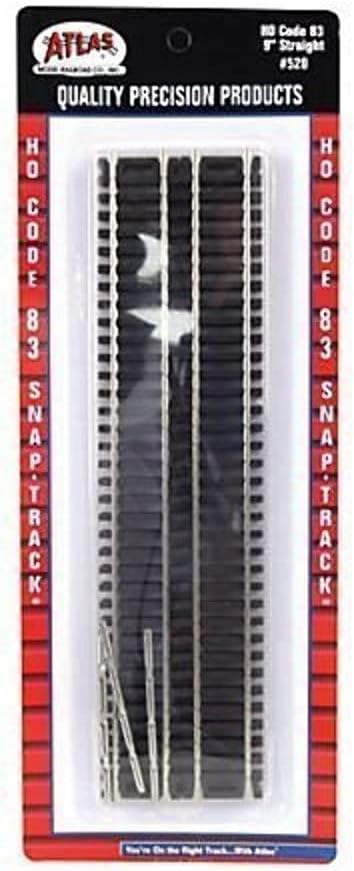
Sectional Track
Sectional track comes in fixed lengths and curves. Each piece snaps together easily, making it a good choice for beginners.
Pros:
- Easy to Use: Simple to assemble, perfect for beginners.
- Uniformity: Ensures consistent curves and straight sections.
- Availability: Widely available and often included in starter sets.
Cons:
- Limited Flexibility: You are limited to the shapes and sizes provided by the manufacturer.
- Cost: Can become expensive if you need many pieces to create a complex layout.
Budget Tips:
- Look for bulk packs or second-hand options to save money.
- Start with a basic set and add pieces as needed.
Flex Track
Flex track comes in long sections that can be bent and cut to fit any layout design. This gives you more flexibility in creating custom curves and layouts.

Pros:
- Versatility: Can be shaped to fit any layout design.
- Realism: Allows for more realistic track arrangements.
- Cost-Effective: Fewer pieces needed to cover large areas.
Cons:
- Skill Required: Requires cutting and shaping, which can be challenging for beginners.
- Tools Needed: Additional tools like rail cutters and track gauges are necessary.
Budget Tips:
- While the initial investment in tools may be higher, flex track can be more cost-effective in the long run.
- Buy the longest sections of flex track you can afford to reduce the number of joints and save money.
Key Considerations for Choosing Track on a Budget
When deciding which type of track to use, consider the following factors:
- Available Space:
- Measure the area where you plan to set up your layout.
- Sectional track is good for smaller, simpler layouts.
- Flex track is better for larger layouts with custom curves.
- Skill Level:
- If you are a beginner, sectional track might be easier to start with.
- If you are comfortable with cutting and shaping track, flex track offers more flexibility.
- Budget:
- Sectional track can be more expensive over time if you need many pieces.
- Flex track requires an initial investment in tools but can be cheaper in the long run.
- Realism:
- Flex track allows for smoother curves and more realistic layouts.
- Sectional track can look more “toy-like” with its fixed curves.
Tips for Saving Money
Here are some additional tips to help you save money on your model railroad track:
- Buy in Bulk:
- Purchasing track in bulk can save you money. Look for deals on larger packs of track.
- Second-Hand Options:
- Check online marketplaces, local hobby shops, and model railroad clubs for second-hand track. You can often find good deals on used track.
- Mix and Match:
- Consider using a combination of sectional and flex track. Use sectional track for straight sections and simple curves, and flex track for custom curves and complex areas.
- Plan Ahead:
- Use track planning software to design your layout before you start buying track. This will help you avoid buying unnecessary pieces and ensure you get the right amount of track for your layout.
- DIY Solutions:
- For some parts of your layout, you can create your own solutions. For example, you can make your own roadbed from inexpensive materials instead of buying pre-made ones.
Find Track, guides for laying track and track plans HERE
Conclusion
Choosing the right track type for your model railroad on a budget involves careful planning and consideration. Both sectional and flex track have their advantages and disadvantages, and the best choice depends on your specific needs and budget. By understanding the pros and cons of each type and following our budget tips, you can create a fun and realistic model railroad layout without breaking the bank.
Remember, model railroading is a journey, and part of the fun is learning and experimenting along the way. Start with the basics, and as you gain experience, you can expand and improve your layout. Happy railroading!
Citations:
[1] https://cs.trains.com/mrr/f/11/t/30534.aspx
[2] https://ogrforum.ogaugerr.com/topic/3-rail-track-prices
[3] https://dccwiki.com/Flex_vs_sectional_track
[4] https://www.keymodelworld.com/article/which-sectional-track-system-choose-oo-gauge
 Stan's Hobbies and Interests