Selecting wine can be an exciting and rewarding experience, but for those new to the world of wine, it can also be somewhat intimidating. With so many varieties, regions, and styles to choose from, knowing where to start is key. This beginner’s guide will provide you with the foundational knowledge to confidently select wines that suit your taste and occasion.
Understanding Wine Varieties
Wine is primarily categorized by the grape variety used to make it, known as the varietal. The most planted wine grape in the world is Cabernet Sauvignon, which produces full-bodied red wines[1]. Other popular red varietals include Merlot, Pinot Noir, and Syrah, while common white varietals are Chardonnay, Sauvignon Blanc, and Riesling.
The Importance of Glassware

The glassware you choose can significantly affect your wine experience. Red wines typically benefit from glasses with a larger bowl, allowing the wine to breathe and release its aromas. White wines, on the other hand, are often served in glasses with a narrower bowl to concentrate the more delicate aromas[1].
Developing Your Palate
Learning to identify flavors in wine is a skill that comes with practice. A helpful method is the 4-step tasting process: look, swirl, smell, and taste. This helps you to discern the wine’s bouquet (the total scent of the wine) and aroma (the scent of the grapes), as well as its flavor profile and finish[1].
Storing and Serving Wine
Proper storage and serving can enhance a wine’s qualities. Most wines are best stored in a cool, dark place, and serving temperatures can vary: reds are often best slightly below room temperature, while whites and rosés are typically served chilled[1].
Buying Wine
When purchasing wine, consider the occasion and your personal preferences. Don’t be swayed by ratings or labels alone. Instead, read descriptions to find a style that matches your taste. Starting with approachable wines like white or rosé can be a good introduction for beginners[1].
Pairing Wine with Food
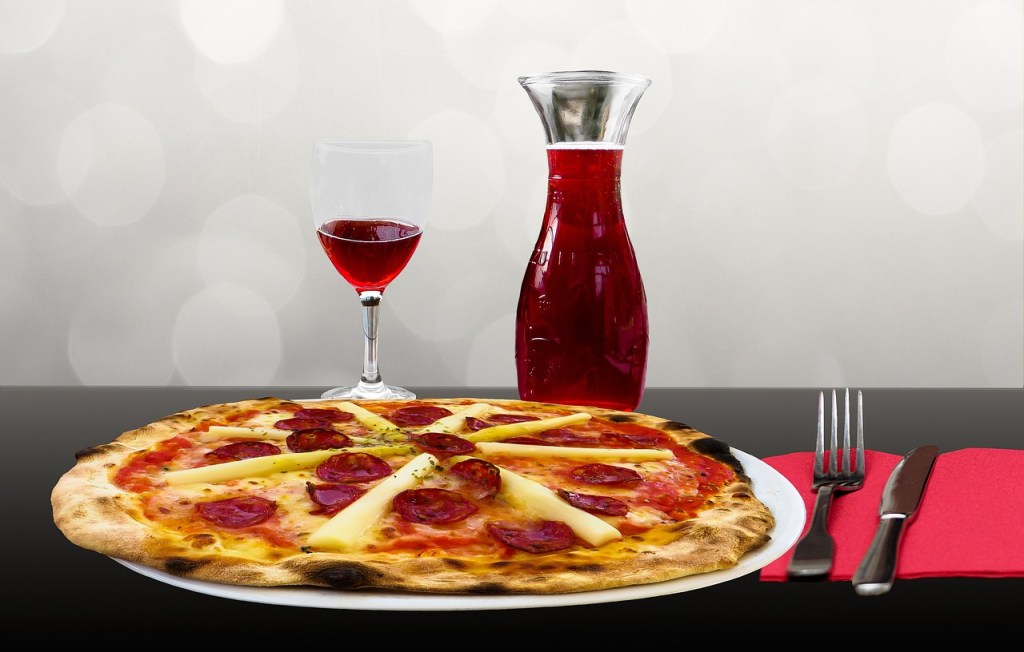
A great wine and food pairing can create a harmonious balance on your palate. The basics of pairing are simple to learn and fun to practice. For example, white wines often pair well with lighter dishes like seafood, while red wines complement red meats[1].
Expanding Your Wine Knowledge

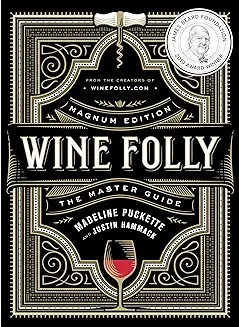
As you become more familiar with wine, challenge yourself to try different types. Keep notes on the wines you enjoy, and don’t be afraid to ask questions at wine tastings or wine shops. Resources like Wine Folly’s “The Master Guide” can be invaluable for learning about wine basics, regions, and varietals[1].
Trusting Your Taste
The most important aspect of selecting wine is your personal enjoyment. Trust your taste and preferences, and remember that the best wine for you is the one you enjoy drinking[1].
Conclusion
Selecting wine is a personal journey that involves exploring different flavors, aromas, and textures. By understanding the basics of wine varieties, proper glassware, tasting techniques, and food pairings, you can begin to navigate the wine world with confidence. Remember to trust your palate, be open to new experiences, and most importantly, enjoy the process of discovering the wines that speak to you. Cheers to your wine exploration!
Citations:
[1] https://winefolly.com/wine-basics-beginners-guide/
[2] https://ingoodtaste.com/blogs/wine-101/beginners-guide-to-wine
[3] https://www.wineenthusiast.com/culture/wine-for-beginners/
[4] https://www.hookandladderwinery.com/wine-blog/a-beginners-guide-to-choosing-the-right-red-wine-for-your-meal/
[5] https://wineinsiders.com/blogs/wine-101-wine-basics/how-to-pick-a-wine-for-beginners
[6] https://www.primermagazine.com/2022/learn/different-wine-types
[7] https://www.getbackbar.com/basic-wine-knowledge
[8] https://latahcreek.com/news/a-beginners-guide-to-the-basics-of-wine-and-food-pairing
 Stan's Hobbies and Interests