Welcome to the mesmerizing world of stargazing! March brings with it a tapestry of celestial delights waiting to be explored. Whether you’re a novice astronomer or a seasoned sky watcher, the March night sky offers a wealth of fascinating objects and events to discover. In this guide, we’ll embark on an astronomical journey through the March night sky, highlighting some of the most captivating sights and celestial phenomena visible to novice stargazers.
1. The Splendor of Spring Constellations
March marks the transition from winter to spring in the Northern Hemisphere, bringing with it a shift in the prominent constellations gracing the night sky.
1.1 Orion Bids Farewell
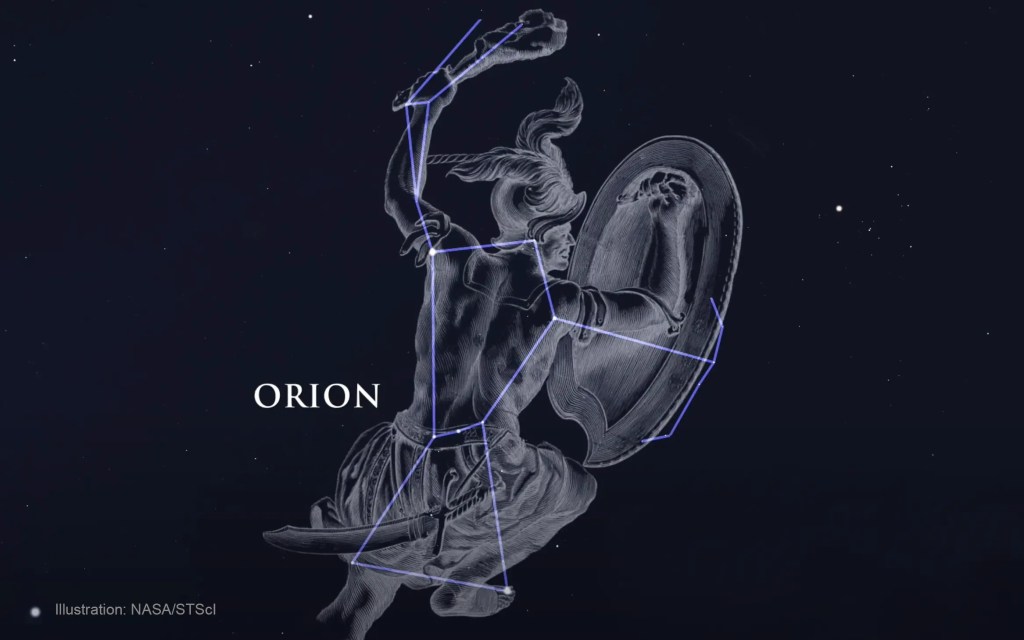
As the winter constellations begin to fade from view, bid farewell to Orion the Hunter, with its distinctive belt of three bright stars and the dazzling Orion Nebula, a stellar nursery where new stars are born.
1.2 Welcome to Leo the Lion
Look towards the eastern horizon after sunset, and you’ll be greeted by the majestic constellation of Leo the Lion. Recognizable for its distinctive backward question mark shape, Leo is home to several bright stars and galaxies, including the famous Leo Triplet, a group of three interacting galaxies.
1.3 Virgo and the Realm of Galaxies
Adjacent to Leo lies the sprawling constellation of Virgo, home to the Virgo Cluster, a vast collection of galaxies located tens of millions of light-years away. With binoculars or a small telescope, you can explore this cosmic treasure trove and marvel at the countless galaxies scattered across the sky.
2. Planetary Parade in the Predawn Sky
March offers excellent opportunities for observing the planets in the predawn sky, with several bright planets visible to the naked eye or with binoculars.
2.1 Venus: The Morning Star
Look towards the eastern horizon before sunrise, and you’ll see the brilliant planet Venus shining brightly in the twilight. Venus, often referred to as the “Morning Star,” dazzles with its intense white light and is one of the most prominent objects in the predawn sky.
2.2 Mars and Saturn
To the southeast of Venus, you’ll find the reddish glow of Mars and the golden hue of Saturn. While both planets are not as bright as Venus, they are still visible to the naked eye and offer intriguing targets for observation with binoculars or a small telescope.
Shop HERE for Astronomy Equipment
3. Lunar Phases and Lunar Landmarks
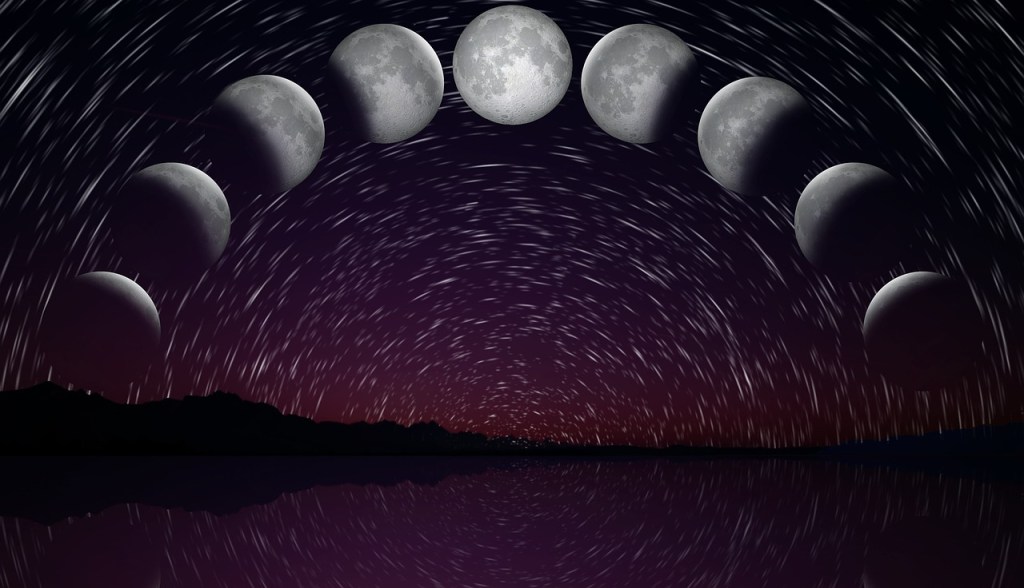
Keep an eye on the Moon throughout March as it waxes and wanes through its lunar phases, from the slender crescent of the New Moon to the bright disk of the Full Moon.
3.1 Lunar Landmarks
With binoculars or a small telescope, explore the rugged terrain of the Moon’s surface and discover its craters, mountains, and valleys. Look for prominent features like the Sea of Tranquility, where Apollo 11 landed in 1969, or the magnificent crater Tycho, with its central peak and bright rays extending outward.
4. Celestial Events and Meteor Showers
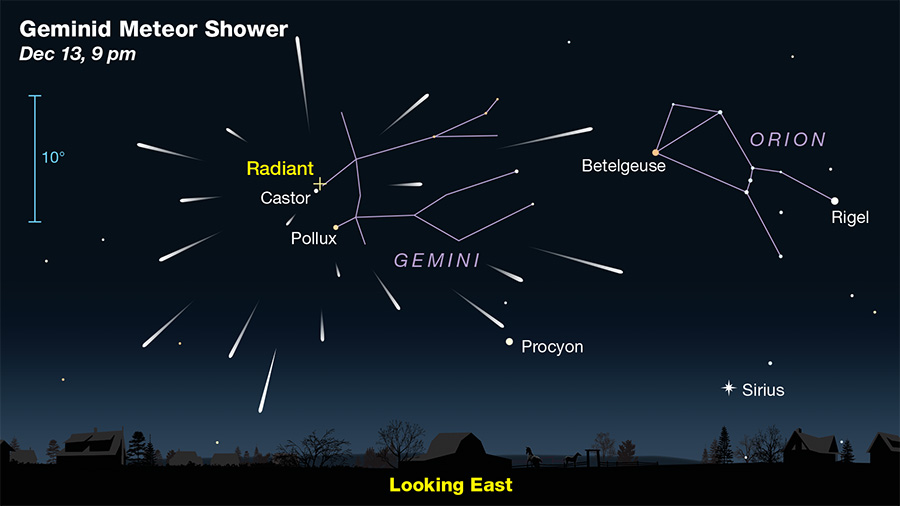
March offers several celestial events and meteor showers that are worth noting on your stargazing calendar.
4.1 Spring Equinox
On March 20th or 21st, the vernal equinox marks the official beginning of spring in the Northern Hemisphere. This astronomical event occurs when the Sun crosses the celestial equator, resulting in nearly equal day and night lengths.
4.2 Lyrid Meteor Shower
Towards the end of March, keep an eye out for the Lyrid meteor shower, which peaks around April 22nd. While not as prolific as some other meteor showers, the Lyrids can still produce bright meteors streaking across the sky, particularly in the predawn hours.
5. Stargazing Tips for Novice Astronomers
5.1 Dark Sky Location
To get the best views of the night sky, try to find a dark sky location away from city lights and light pollution. This will enhance your stargazing experience and allow you to see more stars and celestial objects.
5.2 Use a Red Light
When stargazing at night, use a red flashlight or headlamp to preserve your night vision. Red light has a longer wavelength and is less likely to disrupt your ability to see in the dark compared to white light.
5.3 Bring a Star Chart or Stargazing App

A star chart or stargazing app can help you navigate the night sky and identify constellations, stars, and other celestial objects. These handy tools can enhance your stargazing experience and make it easier to locate specific targets. Obtain a Star Chart HERE.
Obtain Astronomy Equipment HERE.
Conclusion: Embrace the Magic of the March Night Sky
As March unfolds its celestial wonders, take the time to explore the night sky with wonder and curiosity. Whether you’re admiring the beauty of Leo the Lion, observing the planets in the predawn sky, or marveling at the lunar landscape, each celestial sight offers a unique opportunity for discovery and awe. So gather your loved ones, bundle up against the chill of the night air, and let the magic of the March night sky ignite your imagination and inspire your cosmic journey.
In this novice-friendly guide to the March night sky, we’ve highlighted some of the most captivating celestial sights and events visible to stargazers of all levels. From the splendor of spring constellations to the planetary parade in the predawn sky, March offers a wealth of opportunities for exploration and discovery. So grab your binoculars, step outside, and prepare to be enchanted by the wonders of the universe unfolding above you. Happy stargazing!
 Stan's Hobbies and Interests