Welcome to the enchanting world of stargazing! February brings with it a celestial tapestry that is both captivating and mesmerizing. As an expert astronomer, I’m thrilled to guide you and your family through the wonders of the February night sky. Together, we’ll embark on a cosmic journey filled with stars, planets, and celestial delights, all visible with the naked eye or a simple pair of binoculars. Get ready to explore the celestial wonders that await you in the February night sky.
Chapter 1: The Beauty of February’s Constellations
1.1 Orion the Hunter
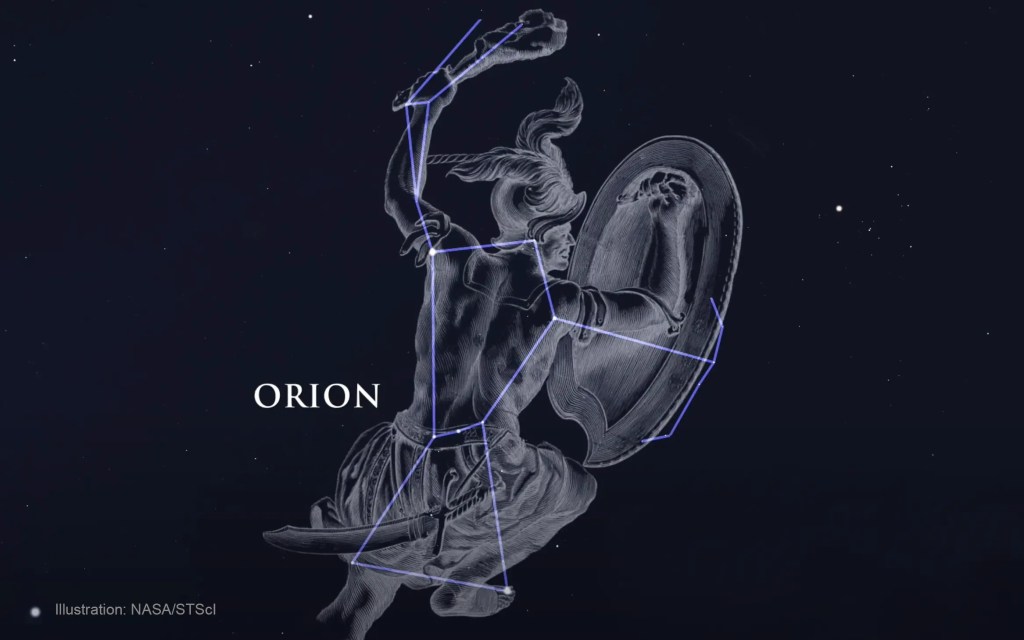
One of the most prominent constellations in the February night sky is Orion the Hunter. Look towards the southeast after sunset, and you’ll see the distinctive shape of Orion, with its bright stars forming a recognizable pattern. Betelgeuse, a red supergiant, marks one of Orion’s shoulders, while Rigel shines brightly as one of his feet. The three stars in Orion’s Belt are another notable feature, easily identifiable even in light-polluted areas.
1.2 Canis Major and Sirius
Just below Orion lies Canis Major, the Great Dog, with its brightest star, Sirius. Known as the Dog Star, Sirius is the brightest star in the night sky, outshining all others with its brilliant white light. Its proximity to the horizon gives it a twinkling appearance, adding to its allure. With binoculars, you can explore the stars surrounding Sirius, revealing a cluster of celestial gems.
1.3 Taurus the Bull and the Pleiades
To the northwest of Orion, you’ll find Taurus the Bull, easily recognizable by the V-shaped cluster of stars known as the Hyades. At the heart of Taurus lies the beautiful Pleiades star cluster, also called the Seven Sisters. With its blue-white stars, the Pleiades are a stunning sight in binoculars, resembling a tiny jewel box against the backdrop of the night sky.
Shop for Astronomy Equipment HERE
Chapter 2: Planetary Highlights in February
2.1 Brilliant Venus
In February, Venus graces the western sky shortly after sunset. Look for the dazzling white light of Venus, often referred to as the Evening Star, as it shines brightly against the fading twilight. Venus is the second planet from the Sun and is often mistaken for a UFO due to its intense brightness.
2.2 Jupiter and Saturn in the Predawn Sky
Before dawn, two giant planets, Jupiter and Saturn, adorn the southeastern sky. Jupiter, with its creamy white glow, is unmistakable as it rises above the horizon. Binoculars reveal Jupiter’s four largest moons, known as the Galilean moons, which appear as tiny points of light surrounding the planet. Nearby, Saturn’s golden hue adds to the celestial spectacle, with its magnificent rings visible even through small telescopes.
Chapter 3: Meteor Showers and Celestial Events
3.1 The Quadrantids Meteor Shower
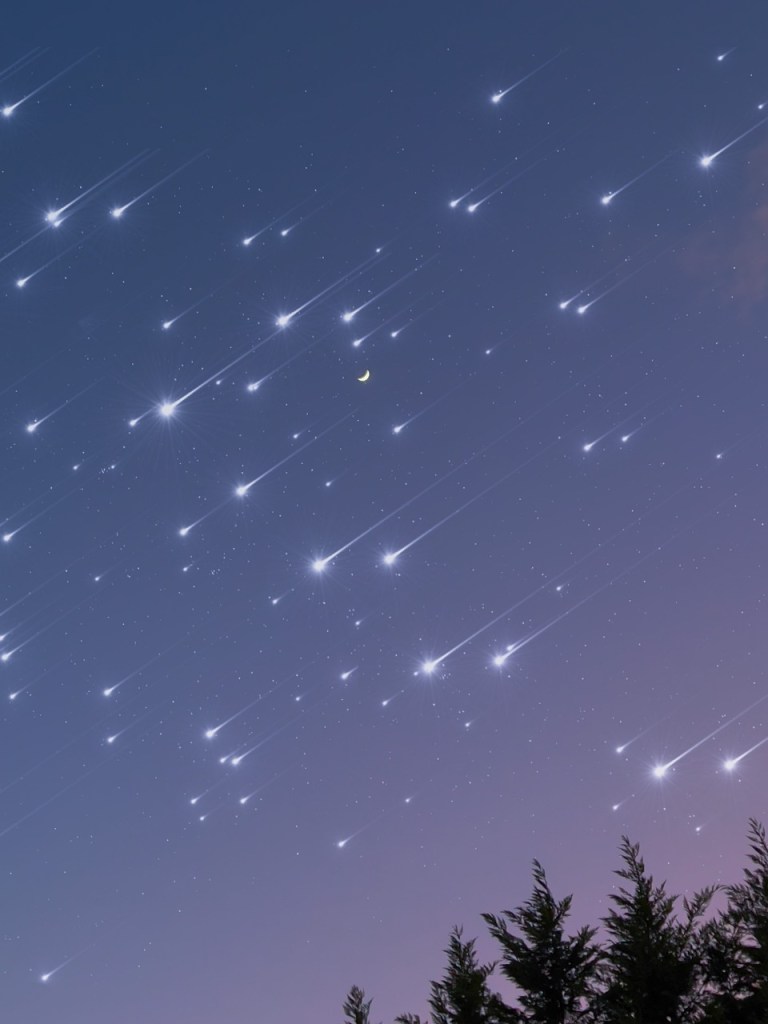
Although the peak of the Quadrantids meteor shower occurs in early January, some meteors may still be visible in early February. Look towards the northeast after midnight to catch a glimpse of these fast-moving shooting stars. Bundle up warmly, bring a blanket or reclining chair, and enjoy the celestial fireworks.
3.2 Lunar Highlights
Keep an eye on the Moon’s phases throughout February. From the slender crescent of the New Moon to the bright disk of the Full Moon, each phase offers its own unique beauty. Use binoculars to explore the craters and lunar seas visible along the Moon’s terminator, the line dividing its illuminated and darkened halves.
Chapter 4: Stargazing Tips for Families
4.1 Stargazing Apps and Tools
Enhance your stargazing experience with the help of astronomy apps and tools. Apps like SkyView, Stellarium, or Star Walk provide real-time information about celestial objects visible in the night sky. Simply point your smartphone or tablet towards a particular constellation or planet, and the app will identify it for you, making stargazing a fun and educational activity for the whole family.
4.2 Night Sky Photography
Capture the beauty of the February night sky with your camera or smartphone. Experiment with long exposure shots to capture the trails of passing meteors during meteor showers. You can also try astrophotography techniques to photograph the Moon’s craters or the planets Jupiter and Saturn. Don’t forget to share your photos with friends and family to inspire their own stargazing adventures.
Chapter 5: Engaging Activities for Families
5.1 Celestial Storytelling
Gather around a cozy fire pit or snuggle up indoors and share stories inspired by the constellations. Encourage creativity by inventing your own myths and legends about the stars and planets. Use the constellations as a backdrop for imaginative tales of adventure and discovery.
5.2 DIY Constellation Project
Create your own constellation map using glow-in-the-dark stickers or paint. Designate a wall or ceiling in your home as your personal observatory and map out the constellations you’ve observed in the night sky. This hands-on activity is a fun way to reinforce learning about the stars and their patterns.
Find Astronomy Equipment HERE
Chapter 6: Conclusion
As February unfolds its celestial wonders, take the time to explore the night sky with your family. Whether you’re admiring the beauty of Orion’s Belt, marveling at the brilliance of Venus, or counting shooting stars during a meteor shower, each celestial sight offers a unique opportunity for discovery and wonder. So, bundle up, grab your binoculars, and let the February night sky be your guide to a family-friendly cosmic adventure. Happy stargazing!
This comprehensive guide aims to make stargazing in February a delightful and educational experience for families. From identifying constellations to observing planets and meteor showers, there’s something for everyone to enjoy under the starry canopy of the February night sky.
 Stan's Hobbies and Interests