Reprint from 2021
The night sky has been a source of wonder since the dawn of time, but the way we view it is constantly evolving. Since this guide was first published in 2021, new technology and celestial events have transformed the hobby. Whether you are stepping out into the backyard with a pair of binoculars or setting up a dedicated “light bucket” telescope, this updated guide highlights the absolute best sights to find in the 2026-night sky.
1. The Moon: Our Closest Neighbor
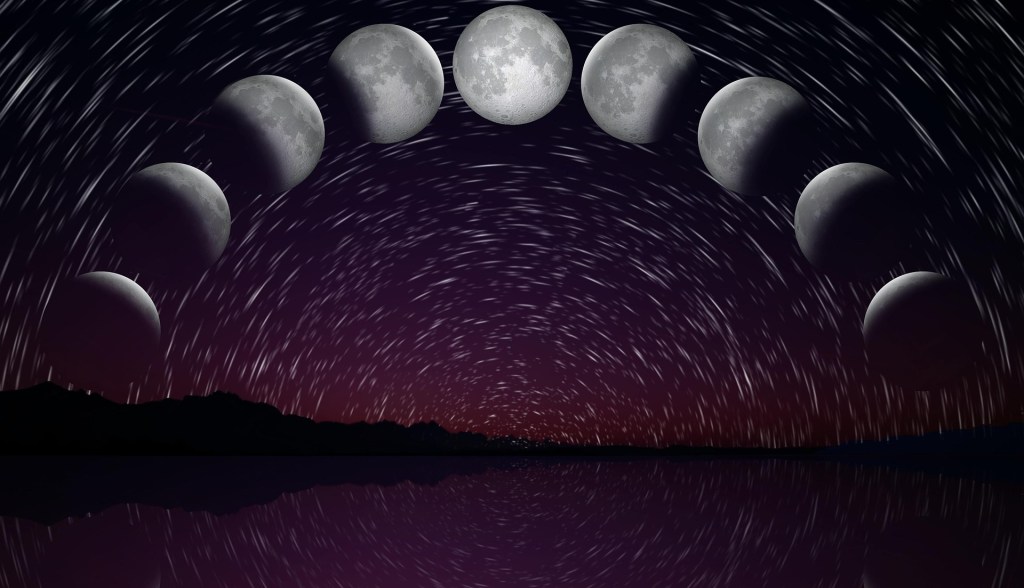
The Moon remains the most accessible and rewarding target for any astronomer. In 2026, we are paying closer attention than ever as international lunar missions prepare for a new era of human presence.
- What to look for: Focus on the “terminator line”—the shadow line between day and night on the lunar surface. This is where craters like Tycho and Copernicus show the most dramatic relief.
- Mission Gear: To see these details without the blinding glare, a high-quality lunar filter is essential. I recommend the Celestron 1.25-Inch Moon Filter to bring out hidden textures in the lunar highlands.
2. The Ringed Jewel: Saturn
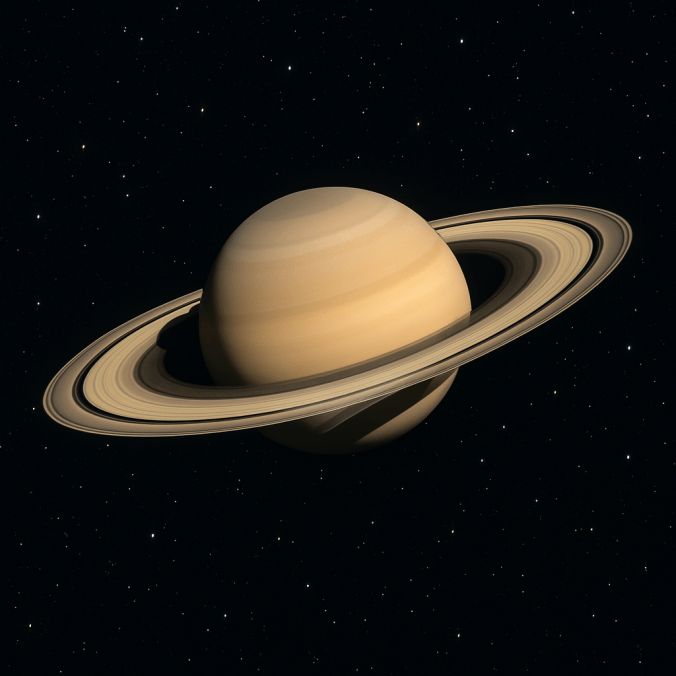
Saturn is often the “wow” moment that turns a casual observer into a lifelong hobbyist.
- The 2026 Perspective: We are currently approaching a period where Saturn’s rings appear very thin from our perspective on Earth. This unique angle allows you to focus on the planet’s golden hue and its largest moon, Titan, which appears as a bright pinprick of light nearby.
- Mission Gear: For crisp views of planetary rings, a steady tripod and a specialized eyepiece are key. The Celestron Omni Series Barlow Lens doubles the magnification of your existing eyepieces, perfect for getting a closer look at Saturn.
3. Deep-Sky Wonders: The Andromeda Galaxy (M31)
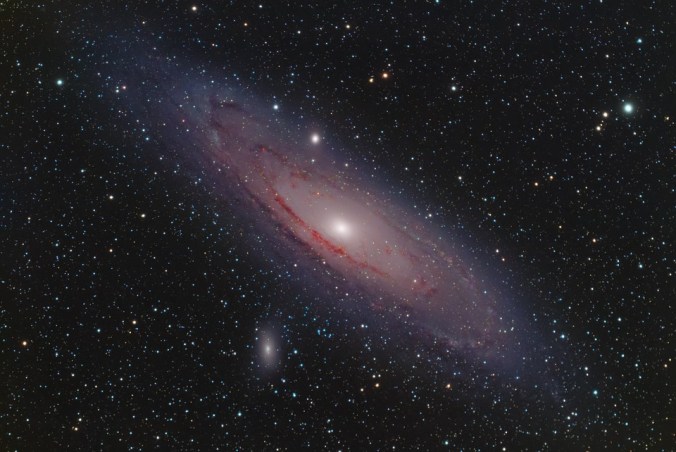
If you want to look beyond our own neighborhood, the Andromeda Galaxy is your best target. Located 2.5 million light-years away, it is the most distant object visible to the naked eye under dark skies.
- The View: Through a telescope, it appears as a magnificent glowing oval. In 2026, smartphone astrophotography has made it easier than ever to capture the spiraling dust lanes of this galactic neighbor.
- Mission Gear: Capturing the Andromeda Galaxy is simple with the right mount. The Celestron NexADapter Universal Smartphone Adapter lets you align your phone to your telescope perfectly for stunning deep-space photos.
4. The Great Orion Nebula (M42)
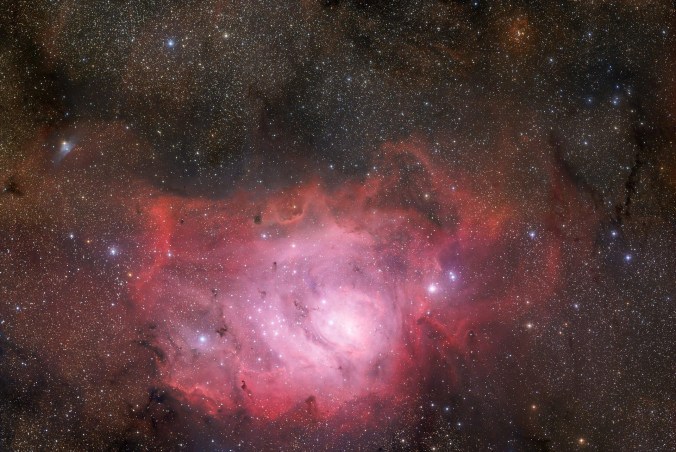
Found in the “sword” of the constellation Orion, this stellar nursery is a must-see during the winter and spring months.
- The Experience: Even with modest binoculars, you can see the fuzzy glow of glowing gas where new stars are being born. A medium-sized telescope reveals the Trapezium, a tight cluster of four bright stars at the nebula’s heart.
5. 2026 Special Feature: Comet Wierzchos
While the planets are reliable, 2026 brings us unique visitors. Keep an eye on the latest charts for Comet Wierzchos. Comets are the “wild cards” of astronomy, often growing bright enough to be seen with simple binoculars as they swing around the Sun, trailing beautiful tails of ice and dust.
Recommended “Mission Gear” for 2026
To get the most out of these sights, having the right equipment is key. Here are the top-rated tools for this year’s mission:
- Binoculars (10×50): The Celestron UpClose G2 10×50 Binoculars are perfect for scanning the Milky Way and finding large star clusters like the Pleiades.
- The “Light Bucket” Telescope: For those ready to see Andromeda and the Orion Nebula in breathtaking detail, the Celestron NexStar 8SE Schmidt-Cassegrain Telescope is the gold standard for deep-sky observation.
- Star Maps & Apps: Use a modern sky-mapping app to align your telescope and identify constellations in real-time.
A Dramatic Conclusion
As we gaze upward, we aren’t just looking at points of light; we are looking back through time itself. The photons hitting your eye from the Andromeda Galaxy tonight began their journey long before humans walked the Earth. This connection to the infinite is what makes astronomy a lifelong passion.
But the cosmos is never still, and the wonders of the night sky are constantly shifting. Prepare your lenses and steady your tripods, for next month we journey even further into the void. Join us as we reveal the hidden giants of our solar system in our upcoming April guide!
 Stan's Hobbies and Interests