Fifteen Tips For Better Photography

Keep an eye on the weather
Weather conditions can play a big part in setting the mood of your shot. Rather than waiting for the bright light of the midday sun, a misty morning in a forest can be the perfect time of day for that mood-shot.

Take your time to choose the subject
Take your time to choose the subject, then spend time walking around the subject looking for the best angle and lighting.

Take your time to set up the shot
Don’t be afraid to take your time to set up your shot. Although it can get a bit frustrating if you have your loved ones tagging along and they’re sitting and waiting impatiently for 20 minutes for you to take a single shot of a piece of driftwood on the beach!

Don’t always choose brightly-colored subjects
Subjects with muted colors can sometimes produce excellent results. A field of wheat of similar yellow-brown colour can produce striking results when accompanied by a low-sun and long shadows.

Movement diffusion
If you have a camera that allows you to shoot with a manual shutter speed – try slowing the speed and increasing the F-stop. Then move your camera when taking the shot. Some very effective arty-type images can be produced with blur effects.

Movement diffusion
If you have a camera that allows you to shoot with a manual shutter speed – try slowing the speed and increasing the F-stop. Then move your camera when taking the shot. Some very effective arty-type images can be produced with blur effects.

Don’t always choose brightly-colored subjects
Subjects with muted colors can sometimes produce excellent results. A field of wheat of similar yellow-brown color can produce striking results when accompanied by a low-sun and long shadows.

Movement diffusion
If you have a camera that allows you to shoot with a manual shutter speed – try slowing the speed and increasing the F-stop. Then move your camera when taking the shot. Some very effective arty-type images can be produced with blur effects.

Movement diffusion
If you have a camera that allows you to shoot with a manual shutter speed – try slowing the speed and increasing the F-stop. Then move your camera when taking the shot. Some very effective arty-type images can be produced with blur effects.

Overexpose your subject
Not too good to do all the time, but experiment with results by over-exposing the subject.

Try macro photography
Grab a magnifying glass and see if you can focus your camera through the glass onto a small subject. It just may work! And may open up a whole new range of subjects for you!

Shoot through wet glass
Try spraying water onto a window, then take a shot through the window to a subject outside. (wet the outside of the window – not the inside of your home!)

Color balance
Try balancing color by having subject and the surrounding detail in similar colors.

Silhouettes
Silhouettes usually have a small range of colors, but can produce some of the most beautiful images. Shooting a silhouette involves having the background brighter then the subject in the foreground.

Experiment with patterns
We’ve all seen those amazing images of the red and orange leaves of maple trees in the fall/autumn. Thousands of leaves – all of a similar shape and color – but very awe-inspiring and beautiful.

Compliment colors
Two strikingly-different colors can be beautiful too. Picture an image of your girlfriend or wife in a red dress sitting on a field of green grass. Or your boyfriend or husband in a red shirt walking through a field of waist-high wheat stalks. Complimentary colors that will bring more attention to the subject.

Use a color filter
If your camera can be fitted with colored filters – try your hand. Although this effect can be made quite easily these days with photo and image-editing software.

Sunrise is better than sunset
Wake up before sunrise one day and go on a photography expedition. If you’ve not done it before you’ll be pleasantly-surprised by the contrasting light and shadows. But remember you’ll only have a very short window of time in which to shoot (usually less than an hour) before the sun rises too high and you lose the light.

Use a flash in daylight
Use your flash during the daytime to fill a close subject with light. This will produce better results where the background is brighter than your subject and the automatic shutter speed on your camera shoots too fast to effectively show the detail of your subject.
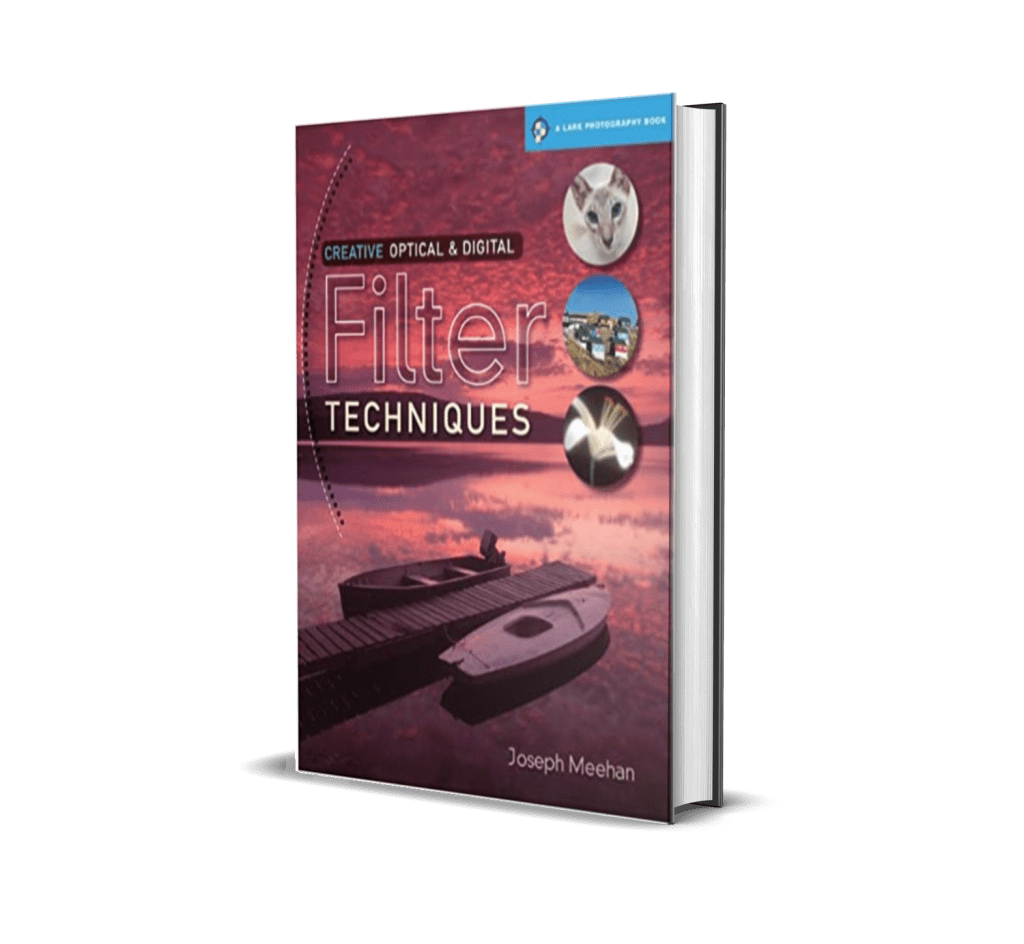
Filters For Landscape Photography

Filters are used in photography to bring back an image to the way our eyes have perceived the original scene. Some times its not possible for our cameras to record an exact scene – so we have to rely on the manufacturers of camera products.

Filters also help us to create mood in our images and bring out the best in a scene. A small selection of filters is well worth packing when heading off for a trip. They don’t take up too much space and will definitely add a bit of spice to your images.

Filters work by being placed in front of your camera lens. You can also place several filters in front of your camera at any given time.

Lets take a look at the most important ones to use

Mastering Filters for Photography

Neutral Density Filters (ND): Neutral Density filters will certainly help you with tough exposures. These filters work by cutting down the light that reaches your lens. These filters come in a variety of strengths with the most popular being 0.3, 0.6 and 0.9 – these filters will help with exposure without affecting color.

One half of these filters is dark and the other is completely clear. They basically work by reducing brightness. The different numbers stand for the amount of brightness they reduce – 0.3 ND reduces light by one stop – 0.6 reduces light by 2 stops – 0.9 reduces light by three stops.

Lets say you arrive at a high contrast scene, – you take a light reading of the sky and get an exposure reading of F/22 at 1/8 second; you take a reading from the ground in front of you and get a reading of F/22 at 1 second. This is a difference of three stops of light. You need to reduce the brightness of the sky. By using the 0.9 ND you will reduce the light in the sky by three stops without affecting the light hitting the ground in front of you.

Polarizing Filters: A polarizing filter should be top of the list – a polarizing filter can be used with color or black and white and is probably the most important filter on the market today. The polarizing filter will also darken the blue sky to give it a strong rich color. It will make mist stand out and can be also used to give fast flowing water a misty effect. This filter is most effective with side lighting.

Warm-up filters: In overcast conditions, don’t put your camera away. This is an ideal time for you to switch your attention to landscape detail. On an overcast day images often appear cold and dull. Try using a warm-up filter. These filters will remove the dull effect that you get shooting without the sun.

The 81-series are the best choice and will give your images an extra bit of life. An 81A warm-up filter is ideal to use in adding extra warmth to low light images.

Filters for B/W photography: Just because you use black and white film it doesn’t mean that you cant use filters – there are several filters for B/W photography. The polarizing filter is one of the few filters that work for B/W and color photography. It will help to darken shades of grey in your final print.

The red filter is one of the most popular. This filter will darken the sky giving your image more impact. The most common red filter is the number 25. Filters for B/W work by transmitting light of its own color, and holds back light of the other colors.

There’s a large amount of filters available; these are the most important filters for landscape photography.
There are also several filters on the market today that will do very little for your photography. Color graduated filters should be left at home or placed in the bin – color graduated filters work by creating un-natural colors, destroying your final print.

Improving Your Landscape Images Part 2

We use filters in photography to bring back an image to the way our eyes have perceived the original scene. Some times its not possible for our cameras to record an exact scene – so we have to rely on the manufacturers of camera products.

If you are only going to buy one filter for your landscape photography a polarizing filter is the one youll use most. A polarizing filter can be used with color or black and white and is probably the most important filter on the market today.

Lets take a quick look at the science behind it. A polarizing filter is made up of two pieces of glass which when rotated cut out all glare on non-metallic surfaces. Light travels in waves – these waves travel in all directions and at different rates and speeds. The polarizing filter works by limiting the amount of waves that enter your lens. You decide how many waves pass through your lens by rotating the filter.

The polarizing filter is most effective with side lighting.

For example: if you are taking a picture of a scenic lake area and there is a messy reflection of the clouds in the lake; it will be too much of a distraction in the final picture. This can be simply removed by rotating the polarizing filter until the clouds disappear. You can view the filter working in the viewfinder of your camera.

The polarizing filter will also darken the blue sky to give it a strong rich color. It will make mist stand out and can be also used to give fast flowing water a misty effect.

You don’t have to rotate the filter the full amount to get the maximum affect you need, sometimes you will only have to rotate it a small amount. You can decide best for yourself by viewing through your viewfinder while you rotate the polarizing filter.

This filter is not just for a landscape photographer.

There are many different uses for a polarizing filter, which make it so important for all photographers. Property photographers would find this filter extremely handy – when taking an image of a shop front, the polarizing filter will remove glare that reflects off the glass.

Take extreme care when calculating exposure. Remember that you will have to add two stops of light when using the polarizing.

Related posts

Photography as a Hobby

Learning Photography – Basics For All

Some Important Principles Of Photography

Digital Photography Lessons

PHOTOGRAPHY 101

Finding The Right Photography Book

How To Choose Digital Photography Books

Beginning In Photography: Exposure Basics

Beginning In Photography: Composition

Beginning In Photography: Choosing A Camera

Beginning In Photography: Choosing The Right Lens

Using Filters in Photography

Filters for Landscape Photography

Beginning In Photography: Choosing The Right Lens

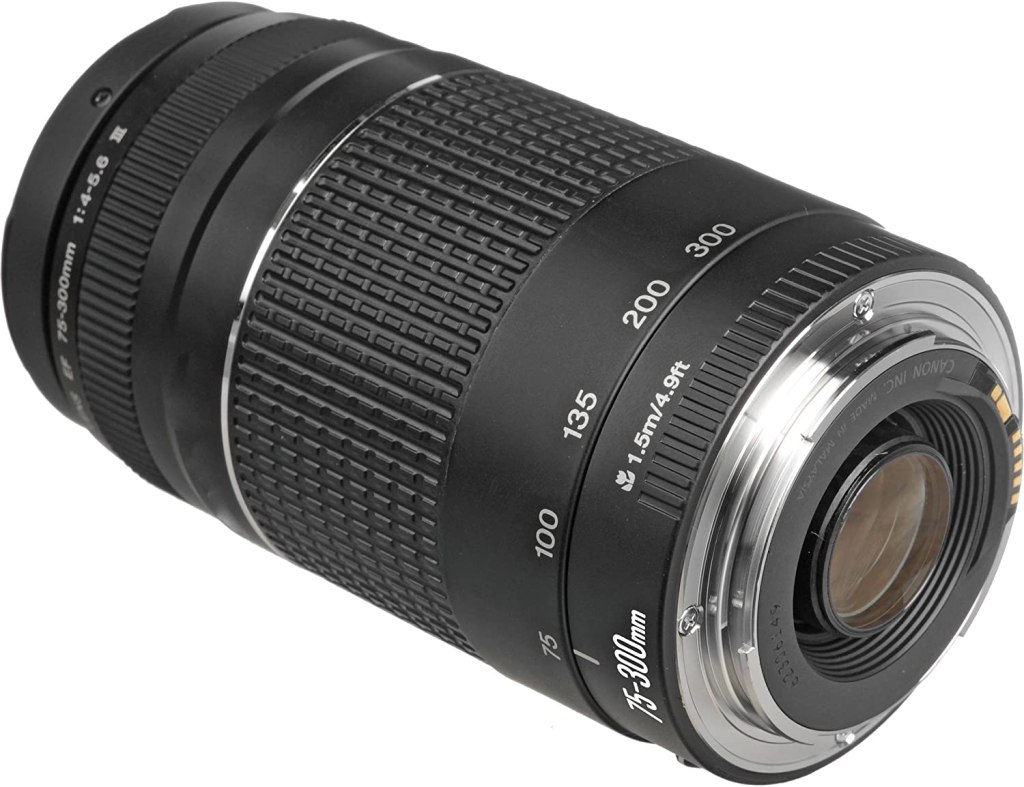
There is a dizzying array of choices when it comes to choosing lenses for DSLR cameras. From wide angle to telephoto, zoom to prime lenses, fish eye, fast lenses, wide aperture lenses, the choice seems to be impossible. Its not really. What it comes down to is asking yourself a simple question: What do I want to shoot?

Different Lenses for Different Subjects

If you are just beginning in photography, chances are you are still experimenting and finding out what you like to shoot. You might shoot a few family portraits one day and landscapes from your vacation the next. On the other hand, you may have decided right from the start that you love taking photos of wild animals and this is all you want to do. Either way, the lenses required to get the best out of these subjects differ greatly. To fit an expansive landscape image into your viewfinder, you would need a wide angle lens. However, trying to take a portrait with the same lens would result in a tiny little person and not much else in the frame unless you are right in that persons face and smelling their breath. While trying to take a picture of a wild bear from 100 or more meters away is just impossible (and you really don’t want to get any closer to a wild bear). In a perfect world you would have 3 different lenses for each of these subjects. But in a perfect world you’d also be a millionaire and be able to afford them all. So the thing to do is to decide what type of photography interests you and choose your lenses accordingly.

Length: Zoom versus Prime

There are benefits to using both zoom lenses and prime (fixed or non zoom) lenses. On one hand, zoom lenses are versatile, and reduce the need for a whole bag full of lenses that you need to change and change again while you are out shooting. On the other hand, a good quality prime lens can be gold. Prime lenses, if they are well built, generally produce a crisper, better quality image. This is because they have fewer pieces of glass and moveable parts. Therefore the light coming in doesnt need to pass through as many objects and so is less diffused. The other great advantage of prime lenses is that because of this, they tend to be faster than zoom lenses. Practically, this means that you can use slower shutter speeds as the lens needs less light to create a correct exposure. This is especially useful if you want to take portraits with available light.

Aperture

Another important factor to consider when choosing your lens is its maximum aperture. This is indicated in the description by an f symbol. Eg. f/2.8. The lower this number, the wider your aperture choices. For example, if you want to take a portrait with only your subjects facial features in focus, you would use a wide aperture. If you want to take a sweeping landscape where everything needs to be in focus you would use a narrow (high number) aperture. Selecting a lens with a wider aperture gives you more options when out shooting.

It is well known that lenses can cost as much, or more, than cameras themselves. It is also worth noting that with lenses you get what you pay for. While no piece of equipment can singularly make the difference between a good photo and a bad one, a well built lens using quality glass, can lead to sharper pictures. Therefore it is worth considering the lenses you buy carefully and investing in the best quality you can afford. Knowing what sort of photography you want to pursue can make this process a whole lot less daunting and more cost effective.

Beginning In Photography: Choosing A Camera

Youve been snapping away with your nifty little point and shoot camera for a while now and you’ve discovered you really like taking pictures and want to get more creative and have more control over your photos. Naturally the next step is to upgrade to an DSLR camera. But which one? There is a ridiculous number of products out there with all sorts of buttons and dials that do this or that. This article attempts to give a brief overview of the things that are actually important when considering which camera to buy.

Firstly, lets dispel one of the most common myths associated with upgrading equipment. Buying a new camera will not make you a better photographer. Repeat: it will NOT make you a better photographer. Not instantly, not in 2 years time, not in 10 years. What will make you a better photographer is you. Your willingness to learn and develop your skills. Sure a high end camera will give you more control over your image making, but thats just it; its you controlling the camera, and therefore the end image. Ok, now that were on the same track, a few things to think about.

How many megapixels do I need?

We are going to assume that you are looking at digital cameras here, although I should point out that there are some excellent film cameras around at much less expense. So dont discount film altogether (its not dead just yet!). But to answer the question, we first need to answer another: What do you want to do with your photos? If you only want to post your photos on the web, e-mail them or make small prints to put in a photo album, the resolution you need for this is quite low. To give you an idea, a camera with 2 megapixels will create an image that can make a good quality 6 x 4 print (standard photo album size). Most entry level DSLR cameras start at around 6 megapixels. Therefore if this is all you want to do with your images, the amount of megapixels does not need to be a major concern. If, however, you want to make large sized prints, you may need a higher resolution camera. While entry level DSLRs often produce very good quality prints up to a certain size, more pixels gives you the freedom of being able to enlarge even further. While image software programs can increase the size of your photos they will lose some quality. Starting with a larger image means that fewer pixels are added by the program and less quality is lost.

Is brand important?

Not as important as some would have you think. While photographers will continue to debate the Nikon vs Canon issue, my belief is that it is a moot point. Both companies produce some excellent products and some pretty ordinary ones. What should be foremost in your mind is build quality. How many plastic parts does the camera have versus metal ones? Metal parts can be replaced, while plastic parts are usually set into a mold and cannot be. Potentially this could mean the difference between having to buy a new part or a new camera a few years down the track. Check how the camera feels in your hand. If it feels solid and sturdy, it probably is. Quality between brands doesn’t differ greatly until you get into the higher end cameras. This is where Nikon and Canon come to the fore and other brands that don’t target this market drop off. However if you decide you don’t need a higher end camera, don’t discount other brands.

What about features?

Cameras come with all sorts of different modes and features. Some of them seem to be included for no other reason than to be a selling point for that particular model. It takes a little research to discern which are actually going to be useful. There are, however, some that you should factor into your considerations. Firstly, what mode settings does the camera have? Many entry level DSLRs have similar settings to point and shoot cameras. I.e. Portrait, landscape, low light etc. While these make things easy, the point of moving up to an DSLR camera is to gain more control over your photos. You will never gain the control you want without learning how to use a camera in full manual mode.
Other features, such as a built if flash or cable release socket, may be important to you depending on the type of photography you want to do. If you like to shoot portraits, a built in flash can be a huge help in lighting shadows. If you are interested in landscape photography, you will at some point want to set you camera up on a tripod to capture a low light scene. Using a cable release allows you to press the shutter without actually touching the camera, removing the camera shake that blurs a picture.

One final consideration.

This is possibly the most important of all. Make sure the camera you choose is comfortable and easy to use. Check that you can reach all the buttons easily while shooting and that the dial and menu configurations are logical. This allows you to learn your gear easily so that you can concentrate on the most important thing: taking pictures.

Beginning In Photography: Exposure Basics

So you’ve just bought a shiny new DSLR camera huh? And a lens or two to go with it? That’s great. Now all you have to do is learn how to use it. I’m assuming here you bought an DSLR camera because you want to do a little bit more than take happy snaps at family events and holidays. So for those new to photography as anything more than that, this article aims to give you a little background on the basics of exposure to help you on your way.

Shutter speed

There are two elements to creating a correct exposure. These are aperture, and shutter speed, which we will look at first. When you press the trigger button on your camera to take a picture, it opens a set of sliders, like opening a window. How long it stays open, depends on how you set the shutter speed. Shutter speeds can range from extremely fast (ie 1/8000 of a second), to very slow (30 seconds), or even infinity if your camera has a bulb setting. These are extreme shutter speeds and not often used, except by people who shoot fast moving subjects, or in very low light. For most of us, we tend to stick to somewhere in the middle. As a general rule, the faster the shutter speed, the sharper your photo will be. For most people, anything at 1/60 of a second or above is acceptable when hand holding a camera. Lower if you have a particularly steady hand. If you need to use slower shutter speeds, you will need to use a tripod or rest your camera on a steady surface. These slow speeds can be particularly useful for creating blurred effects. For example the flowing water in a waterfall.

Aperture

Ever wondered how photographers get their subjects to really stand out by blurring the background? The secret (which really is no secret) is adjusting the aperture. The aperture changes the depth of field in your photo. Depth of field is how much of the image is in focus. For example, if you have a depth of field of 4 meters, anything within that distance of the subject you are focusing on will also be in focus. There is as much variety with this control as there is with shutter speed. You can choose to set a narrow aperture (long depth of field) when you want the whole shot in focus, for instance a great, sweeping landscape, or a wider aperture for portraits.

Ok, so youve got your shutter speed sorted from your aperture. Now we just have to put them together. Any SLR camera will have an inbuilt light meter. This little gadget measures the amount of light you will need to create a correct exposure. It is usually in the form of a little bar with a too high (+) and a too low () sign at each end. It is simply a matter of balancing one against the other so that the meter is centered. Once youve done that you can press the button! Thats all there is to it.

ISO

Another choice that will effect your exposure is the ISO you use. With film cameras, this means the speed of film that you use. If you use a 100 speed film, your ISO is 100. Digital cameras also have an adjustable ISO speed. Its just in the form of turning a dial instead of loading a different film. A general rule is to use the lowest ISO you can get away with. Higher ISO films or digital settings can result in noisy (grainy) pictures. They do, however, allow you more freedom in your exposures in that you can shoot with less available light. Experiment with your particular camera, see what you can get away with. Remember that the quality required will be different for everyone. If you only want to make small prints to put in an album, or just store the photos digitally on your computer, then you will not need the same quality as if you want to make large prints to hang on your wall.

So there is some food for thought for those starting out in photography and looking to do more than just point and shoot. Now its time to go out there and shoot. Experiment with different settings. Try new things. The technical side of photography you can read about anywhere. The creative side, well, thats up to you.