Stepping into the world of model trains is exhilarating—especially if a shiny new starter set found its way under the tree this holiday season! While simply running loops is good fun, adding a layout designed for operational challenges opens up new levels of enjoyment and learning. Below, you’ll find five proven, easy-to-build layouts ideal for new modelers. Each plan encourages hands-on activity and sets you up for deeper adventures in the world’s greatest hobby.
1. The Classic Oval with a Siding
Why it’s great for beginners:
Every starter set includes enough track for a simple oval. The continuous closed loop lets you just run trains and watch them go. Once the thrill of spinning laps wanes, it’s time to add a short siding. Using a turnout, you can branch off for storage, pretend deliveries, or engine changes.

How to make it interesting:
- Use your siding as a delivery spot for different freight cars.
- Invent stories: “Drop the boxcar at the bakery, pick up the flatcar at the lumber mill.”
- Challenge yourself with basic operations, such as swapping cars between trains using the siding to minimize moves.
Scalability:
This layout is endlessly expandable. Add sidings and industries as your collection grows, turning a simple loop into a busy rail network.More Info.
2. Inglenook Sidings – The Puzzle Champion
Why it’s great for new modelers:
This classic British yard puzzle fits on a bookshelf and works in HO, N, or OO scale—especially if space is limited. The basic ingredients are a headshunt (main track) and three sidings: one long, two short.

How to play the Inglenook puzzle:
- Arrange 8 cars in the sidings.
- Draw cards to assemble a train of 5 cars in a set order.
- Only use the available track space—no cheating!
The fun comes from working out how to marshal the train by shunting back and forth, often with limited room to maneuver.
Learning from it:
The Inglenook teaches essential switching skills, logical thinking, and real-world railroading practices like coupling, reversing, and making strategic decisions. It’s endlessly replayable, and you can compete against friends or your own “best score.”
For detailed building tips, see resources like the [Wymann sidings guide].More Info.
3. The Timesaver – A Tidy Little Challenge
Why it’s great:
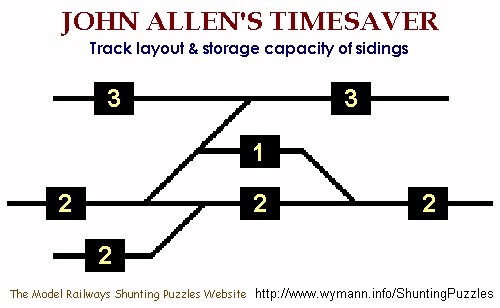
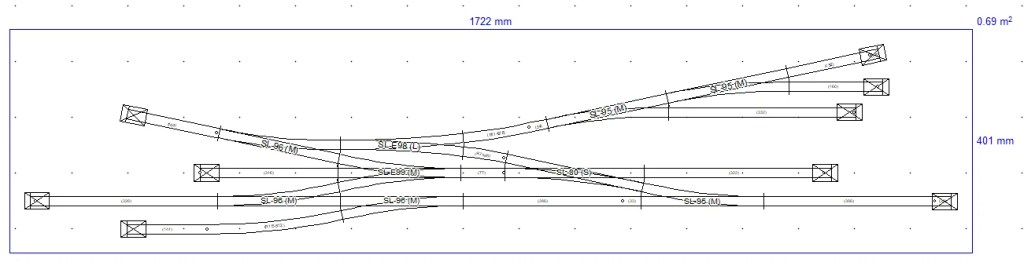
Invented by John Allen, the Timesaver is a classic switching puzzle famous worldwide for its tricky operations. It uses a simple yard ladder with five stub sidings and a connecting main line.
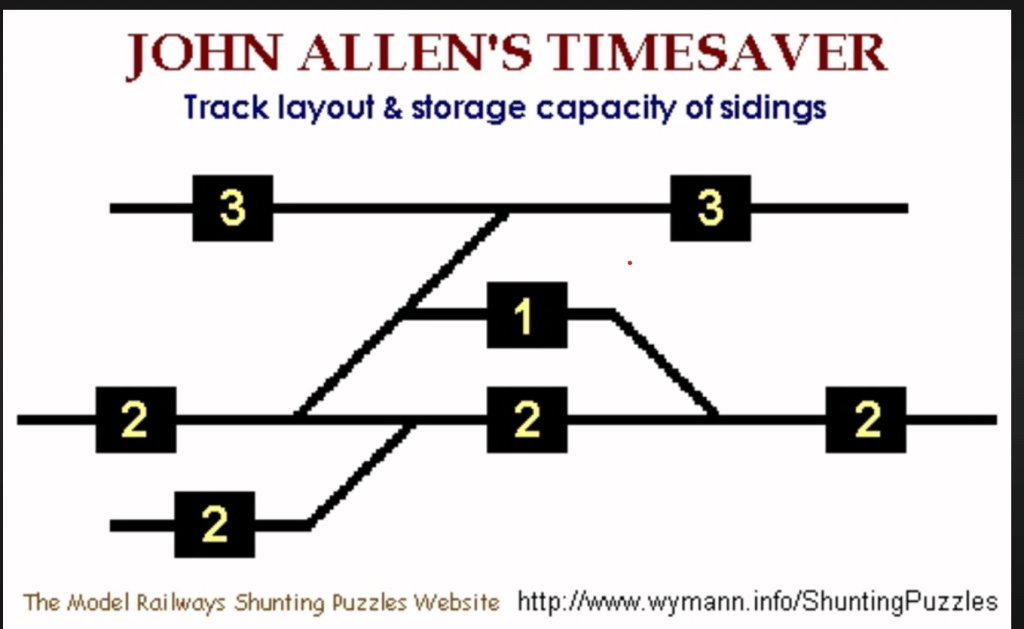
How to set up:
- Place a car in each siding, randomly.
- Assign each car a destination: warehouse, station, mill, etc.
- Your goal is to sort the cars to those destinations using as few moves as possible.
Why you’ll love it:
Timesaver fits on a door-sized table or smaller and can be customized with extra spurs, scenery, or industries. It brings real railroad logic to the living room, keeps you thinking, and becomes even more fun when played as a timed challenge or shared with friends.More Info.
4. Point-to-Point Branch Line
Why it’s great for play and realism:
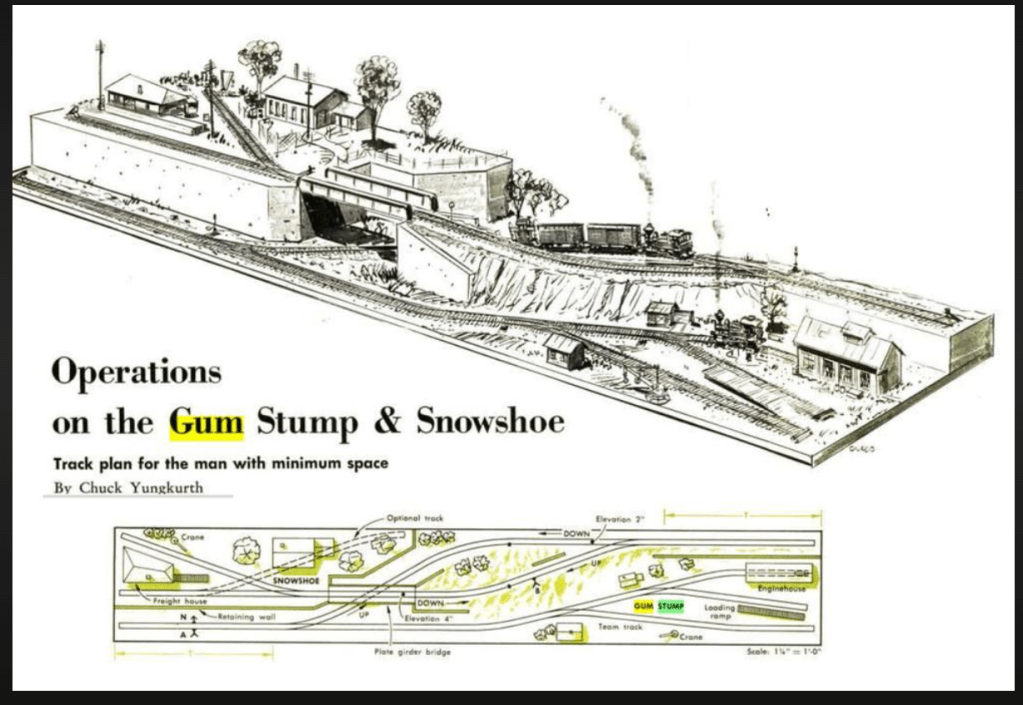
Not all trains run in endless circles! Many real railroads operate “branches” linking small towns or factories in a straight (or gently curved) line. A point-to-point layout brings purpose and realism to your runs.
How to use it:
- Build a straight or L-shaped track with a station at either end and optional sidings for industry.
- Send your train from one end to the other, making “collections” and “deliveries” along the journey.
- Use waybills or dice rolls to assign tasks: “Deliver the blue boxcar to the furniture factory, then pick up the coal hopper.”
Benefits for beginners:
The branch line approach teaches scheduling, multi-tasking, and has a much more realistic feel than pure loops or ovals. Best of all, it can fit on a bookshelf or desktop and you can expand it by adding stations or yards over time.More Info.
For Model Railroad Supplies look Here.
5. Holiday Village Layout – Family, Fun, and Festivity
Why it’s a perennial favorite:
Trains and Christmas go together perfectly! Building a simple loop around the tree, through a festive village, offers unlimited imaginative play and family tradition.
How to set up:
- Lay a continuous loop around your tree or under the living room table.
- Add short sidings and decorate with miniature buildings, people, and seasonal scenery (fake snow, street lamps, even Santa!).
- Play delivery games: “Drop presents at the post office,” “Pick up candy from the sweet shop,” etc.
Making memories:
This layout isn’t just for rail fans—it’s for everyone! Kids can get hands-on, grownups can compete in delivery races, and every year, you can add new accessories or rolling stock.More Info.
Tips for Starting Strong with Your First Layout
Stay Simple:
Don’t stress about complex wiring or scenery for your first build. Focus on reliable track-laying, smooth running, and fun operations.
Adapt to Your Space:
From tabletops to under-the-tree villages, these track plans work in small spaces and can be moved or modified as needed.
Build Gradually:
Start with the basics, then add turnouts, sidings, and mini-scenes as your skills grow and your interest deepens. Every new piece brings new challenges and fun.
Embrace the Community:
Model railroading is filled with welcoming enthusiasts who love helping beginners. Join a local club, watch YouTube build-alongs, or follow forums to ask questions and get inspired.More Info.
Conclusion: The Start of a Wonderful Journey
No matter which starter set you received or which track plan you choose, remember: every layout is a blank canvas for creativity, learning, and play. These five layouts are practical, accessible, and designed to teach you the joys of operations—a lifelong model railroad adventure awaits!
Whether you chase holiday magic, puzzle out switching challenges, or simply enjoy the whir and click of wheels on rails, you’re now part of a worldwide tradition. So set up your tracks, gather loved ones, and let imagination lead the way—steam ahead into model railroading fun!
Happy Railroading!
For more inspiration and detailed beginner guides, explore resources at Trains.com and join local groups or online communities to boost your skills and enthusiasm.More Info
- https://www.trains.com/mrr/beginners/model-railroading-the-beginners-guide/
- https://www.trains.com/mrr/beginners/10-recommended-track-plans-for-beginners/
- https://www.reddit.com/r/modeltrains/comments/1uuxfb/complete_beginner_wondering_where_to_start_on_a/
- http://www.wymann.info/ShuntingPuzzles/SPL-build.html
- https://www.reddit.com/r/modeltrains/comments/zm1o0k/jd_railroad_ho_scale_christmas_train_layout/
- https://shop.trains.com/blogs/the-trains-com-store-blog/crafting-your-christmas-model-train-layout
- https://www.hearnshobbies.com/blogs/model-kits/what-is-the-most-expensive-model-railway-layout-the-cheapest-which-layout-should-you-go-for
- https://www.reddit.com/r/modeltrains/comments/wxi987/looking_to_get_started_with_my_first_model_train/
- https://www.armballast.com/best-starter-set-for-model-railroading/
- https://forum.mrhmag.com/post/good-starter-sets-for-newbie-12192816
- https://www.trainshop.co.uk/blog/post/1400-shunting-yards-designing-a-track-plan-for-realistic-operations.html
- https://www.youtube.com/watch?v=GHLMFrk9zXY
- https://www.youtube.com/watch?v=Ozo7gK4oc6Y
- https://www.nmra.org/beginners-guide-part-9-operations
- https://www.trainworld.com/train-set/ho-scale-train-set.html
- https://www.youtube.com/watch?v=le6MmX7wZHU
- https://www.reddit.com/r/modeltrains/comments/qfp2no/recommendations_needed_christmas_village_meets/
- https://www.youtube.com/watch?v=cUcVJM5bsSw
- https://www.modeltrainforum.com/threads/designing-for-operations.198257/
- https://www.trainz.com
 Stan's Hobbies and Interests