As December unfolds, the night sky becomes a canvas of celestial wonders, inviting families to embark on a cosmic adventure. From dazzling constellations to bright planets and a meteor shower, the December night sky offers a celestial celebration for stargazers of all ages. In this family-friendly guide, we’ll delve into the splendors awaiting you and your loved ones as you gaze upwards during this magical time of the year.
Chapter 1: The Winter Constellations
December marks the official arrival of winter in the Northern Hemisphere, bringing with it a host of iconic winter constellations. These stellar patterns, rich in mythology and beauty, add a touch of enchantment to the crisp winter nights.
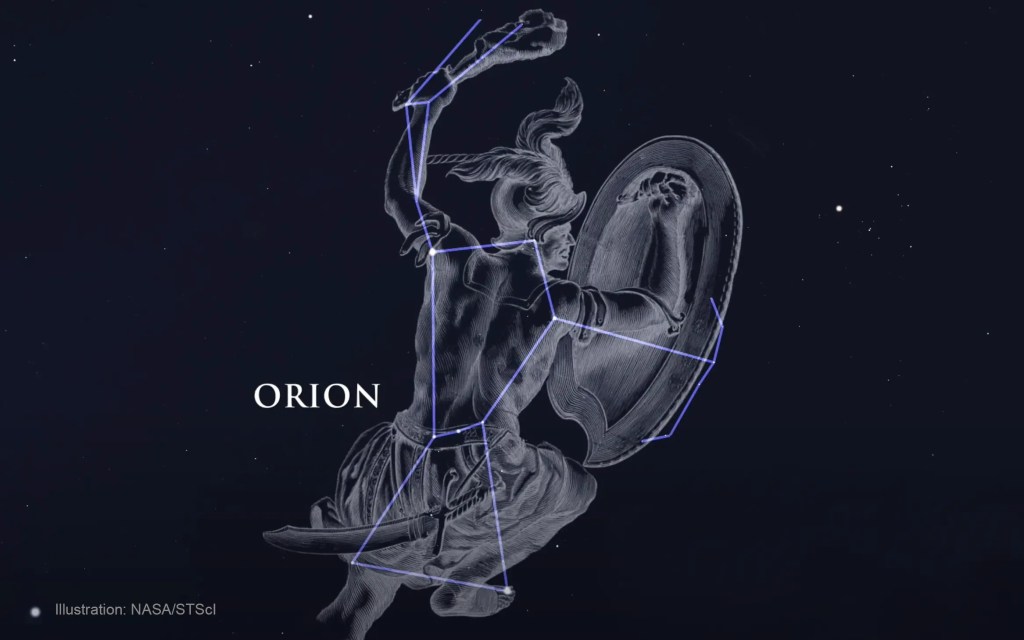
1. Orion, the Hunter: One of the most recognizable and prominent winter constellations is Orion, the Hunter. Known for its distinctive “belt” of three bright stars, Orion dominates the southwestern sky during December evenings. For families, spotting Orion is like finding an old friend in the night sky.
2. Taurus, the Bull: The constellation Taurus, with its prominent orange star Aldebaran and the stunning Pleiades star cluster, graces the eastern sky. These celestial gems are a delight to observe, especially for children fascinated by the stories of ancient mythology.
3. Canis Major and Canis Minor: Keep an eye out for the bright star Sirius in Canis Major, often referred to as the “Dog Star.” Sirius is the brightest star in our night sky and adds a brilliant twinkle to winter evenings. Canis Minor, a smaller constellation, features the star Procyon, another gem in December’s celestial display.
Chapter 2: The Geminid Meteor Shower: Nature’s Fireworks
December offers stargazers one of the most spectacular meteor showers of the year—the Geminids. Known for their bright and colorful meteors, the Geminids provide a celestial fireworks display that is perfect for families to enjoy.
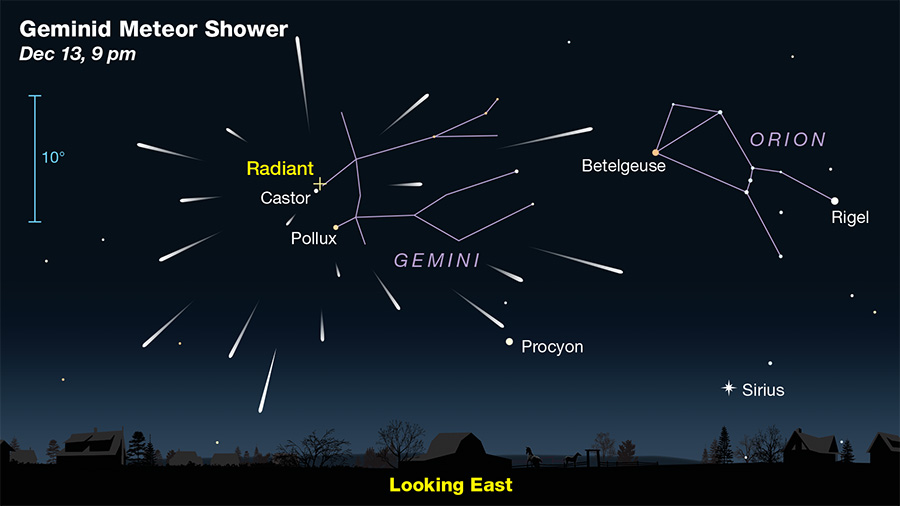
The Geminid Meteor Shower: Peaking around mid-December, the Geminids are associated with the asteroid 3200 Phaethon. This shower is unique because it produces a high number of meteors, some of which can be quite bright and leave persistent trails. Find a dark location away from city lights, bundle up in warm clothes, and witness nature’s own light show.
Chapter 3: The Great Conjunction of Jupiter and Saturn
A celestial event of special significance occurs in December—the Great Conjunction of Jupiter and Saturn. These gas giants come together in the night sky, creating a mesmerizing celestial alignment that hasn’t been this close in centuries.
The Great Conjunction: Jupiter and Saturn appear in the southwestern sky after sunset, gradually drawing closer throughout December. On December 21, they reach their closest point, creating a stunning double planet effect. Even a small telescope will reveal the distinct rings of Saturn and the cloud bands of Jupiter.
For families, witnessing this rare event can be a memorable experience. Encourage your children to observe the changing positions of Jupiter’s moons and Saturn’s rings over the course of several nights. This celestial dance is a testament to the dynamic nature of our solar system.
Chapter 4: The Moon’s Phases and Observations
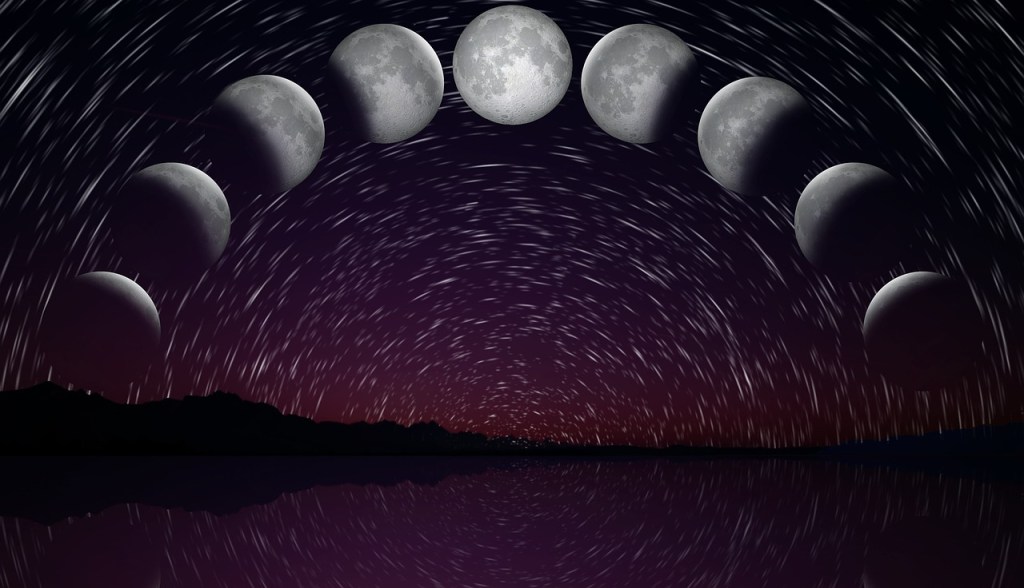
The Moon, our constant celestial companion, graces the December night sky with its changing phases. Observing the Moon’s craters, mountains, and lunar seas can be an engaging activity for families.
Moon Phases in December:
- New Moon (December 4): The Moon is not visible, presenting an excellent opportunity for stargazers to observe faint celestial objects.
- First Quarter (December 11): Half of the Moon is illuminated, revealing striking shadows along the lunar terminator.
- Full Moon (December 19): The entire face of the Moon is lit, casting a silvery glow. Use binoculars or a telescope to explore lunar features in detail.
- Last Quarter (December 27): Half of the Moon is again illuminated, but on the opposite side from the First Quarter phase.
Lunar Observations: Challenge your family to observe the Moon’s changing phases throughout December. Discuss the reasons behind these phases and explore the lunar features visible through binoculars or a telescope. Identify prominent craters like Tycho and Copernicus, enhancing your family’s lunar exploration.
SHOP NOW for Star Gazing supplies
Chapter 5: Stargazing Tips for Families
To make the most of your December stargazing experiences, consider these practical tips for families:
- Dress Warmly: December nights can be chilly, so dress in layers to stay warm. Blankets, gloves, and hats can make your stargazing sessions more comfortable.
- Use Stellar Apps: Take advantage of stargazing apps that help identify constellations, stars, and planets. Some apps even include augmented reality features, allowing you to point your device at the sky and see information about celestial objects.
- Telescope and Binoculars: While not mandatory, a small telescope or binoculars can enhance your stargazing experience. They allow for closer views of the Moon, planets, and even deep-sky objects.
- Create Sky Stories: Weave your own stories about the constellations. Encourage your children to imagine shapes and characters in the stars, fostering creativity and a sense of wonder.
- Celestial Calendar: Plan your stargazing sessions around celestial events like meteor showers, planetary conjunctions, and Moon phases. Mark these dates on a calendar, making astronomy an integral part of your family’s monthly activities.
Chapter 6: The Cosmic Connection in December
Beyond the scientific and observational aspects, stargazing in December provides families with a unique opportunity to connect with the cosmos on a deeper level:
- Cultural Exploration: Explore the cultural significance of celestial objects. Share myths and stories associated with constellations from different cultures, fostering a sense of connection to human history.
- Family Traditions: Establish stargazing traditions within your family. Whether it’s setting up a telescope in the backyard, creating celestial-themed art projects, or sharing hot cocoa under the stars, these traditions create lasting memories.
- Wonder and Awe: Embrace the sense of wonder and awe that the night sky evokes. Instill in your children a curiosity about the universe, igniting a lifelong passion for exploration and discovery.
- Reflection and Contemplation: Use the quiet moments under the stars for reflection and contemplation. Discuss the vastness of the cosmos and our place within it, fostering a sense of humility and interconnectedness.
SHOP HERE for Star Gazing Equipment
Conclusion: A Celestial Journey for the Whole Family
In conclusion, the December night sky unfolds as a celestial celebration, inviting families to partake in the wonders of the cosmos. Whether you’re observing the Geminid meteor shower, marveling at the Great Conjunction, or simply exploring the beauty of the Moon, the December sky offers a rich tapestry for families to explore together. So, bundle up, gather your loved ones, and let the December night sky be the backdrop for a celestial journey that will leave lasting impressions and spark a lifelong love for the wonders of the universe. Happy stargazing!
**
 Stan's Hobbies and Interests