As we journey through late winter into spring, the night sky offers a spectacular array of celestial events for stargazers to enjoy. From planetary alignments to meteor showers, there’s something for everyone to discover. Let’s explore the upcoming astronomical highlights that will grace our skies from February 15 to April 30, 2025.
Planetary Parade (February 15 – February 28)

One of the most exciting events this season is the continuation of the planetary parade that began in late January. As we approach the end of February, we’ll have the rare opportunity to see all seven planets of our solar system visible in the night sky simultaneously.
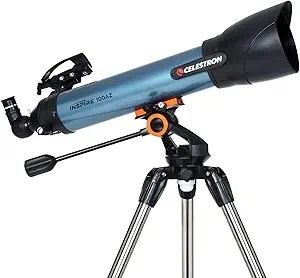
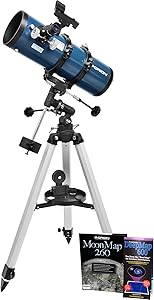
Venus will be a dazzling sight in the southwestern sky after sunset, reaching its peak brightness on February 16 with a magnitude of -4.9. Jupiter will be prominently visible in the constellation Taurus. Mars, recognizable by its reddish hue, will be visible in Gemini. Saturn will be visible low on the southwestern horizon after sunset, though it may be challenging to spot later in the month as it moves closer to the Sun. Uranus and Neptune, while not visible to the naked eye, can be observed with binoculars or a small telescope.
The grand finale comes on February 28, when Mercury joins the lineup, completing the seven-planet alignment. This rare event is a must-see for any astronomy enthusiast.
Lunar Occultations and Conjunctions
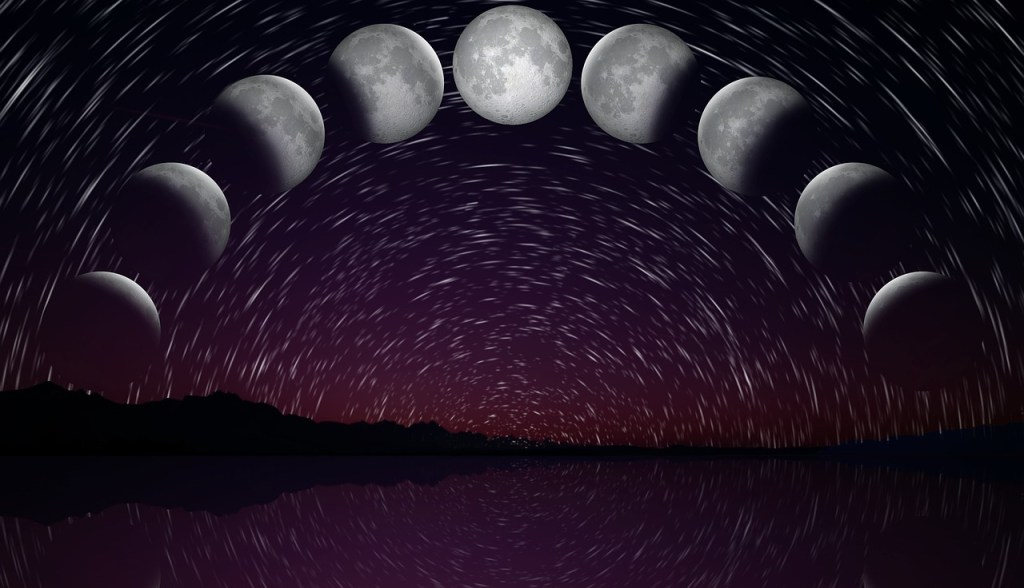
Throughout this period, the Moon will pass close to or in front of various celestial objects, creating beautiful pairings in the night sky.
On February 17, the Moon will pass very close to Spica, one of the brightest stars in the constellation Virgo. On March 7, the Moon will pass close to Jupiter, creating a stunning duo in the evening sky. Later in the month, on March 22, the Moon will have a close encounter with Saturn in the pre-dawn sky.
A particularly notable event occurs on February 9, when the Moon occults Mars. This means the Moon will pass directly in front of Mars, temporarily hiding it from view. This event will be visible from parts of northern Asia and Scandinavia.
Meteor Showers

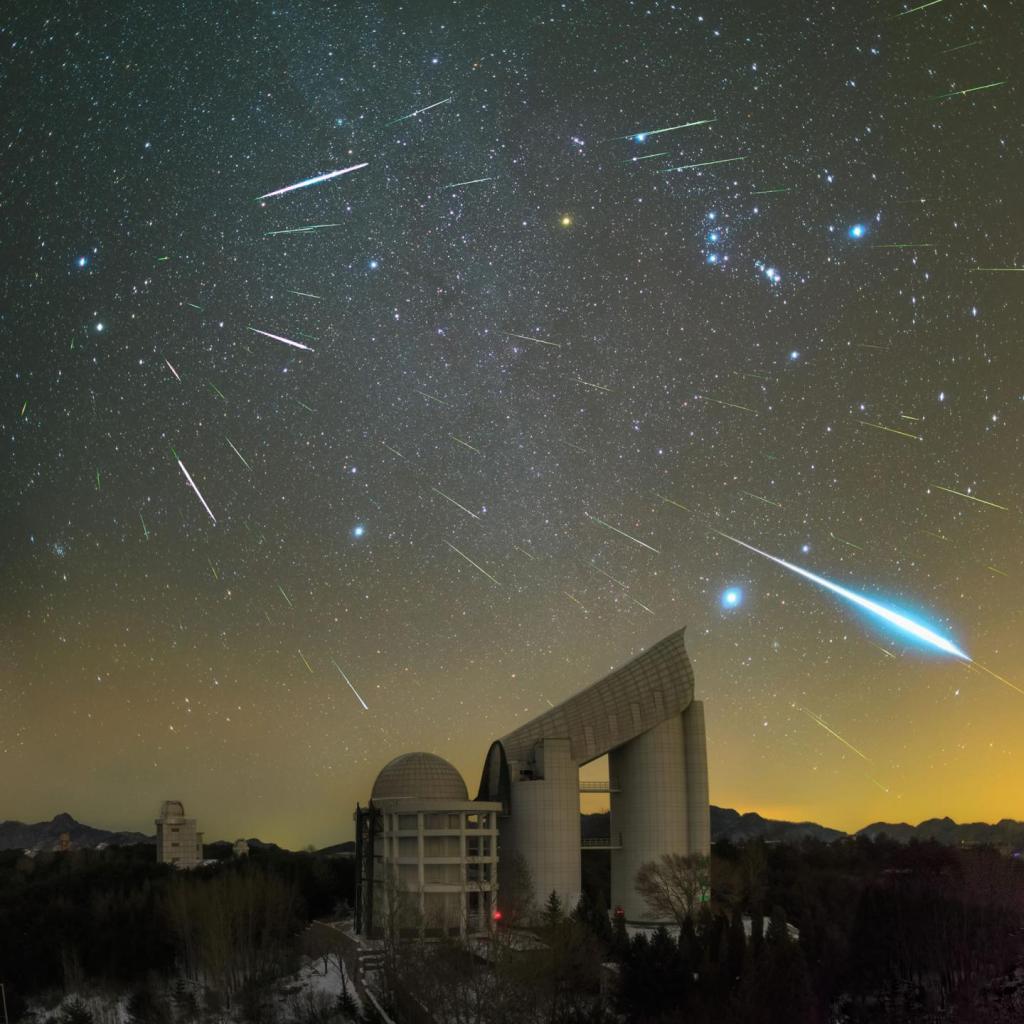
While this period isn’t known for major meteor showers, patient observers may still catch some “shooting stars.”
The Alpha Centaurids, peaking on February 8, may still produce a few meteors in the early days of our viewing period. While not a prolific shower, it’s a good opportunity to introduce stargazers to meteor watching.
Looking ahead to April, the Lyrid meteor shower will peak on the night of April 22-23. This shower typically produces about 20 meteors per hour at its peak. The Moon will be only slightly illuminated, providing good viewing conditions.
Equinox and Changing Constellations
The March equinox occurs on March 20, marking the astronomical beginning of spring in the Northern Hemisphere. This is an excellent opportunity to observe the changing seasons and Earth’s orbit.
As we move from winter to spring, we’ll see a shift in the prominent constellations. Winter favorites like Orion, Taurus, and Gemini will gradually give way to spring constellations such as Leo, Virgo, and Boötes.
Deep Sky Objects

Beehive Cluster
The darker skies of late winter and early spring provide excellent opportunities to explore deep sky objects. Here are a few targets for binoculars or small telescopes:
- The Orion Nebula (M42): Visible as a fuzzy patch below Orion’s belt, this star-forming region is a breathtaking sight.
- The Pleiades (M45): This beautiful open star cluster in Taurus is visible to the naked eye and stunning through binoculars.
- The Beehive Cluster (M44): Look for this open cluster in Cancer. It’s visible to the naked eye under dark skies and beautiful through binoculars.
- The Leo Triplet: As Leo rises higher in the sky, advanced observers can try to spot this group of three galaxies with a telescope.
Special Events
Total Lunar Eclipse (March 13-14)
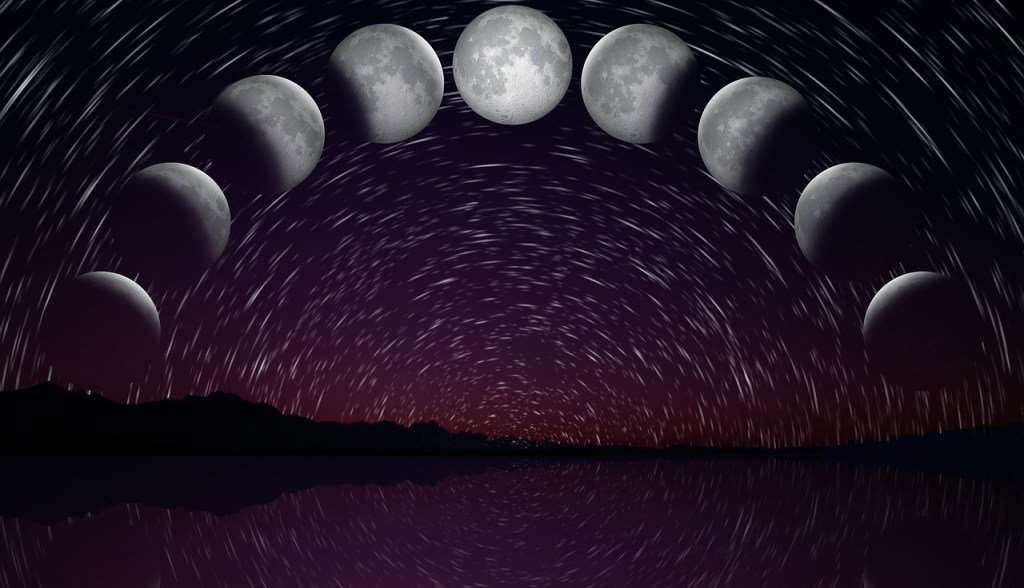
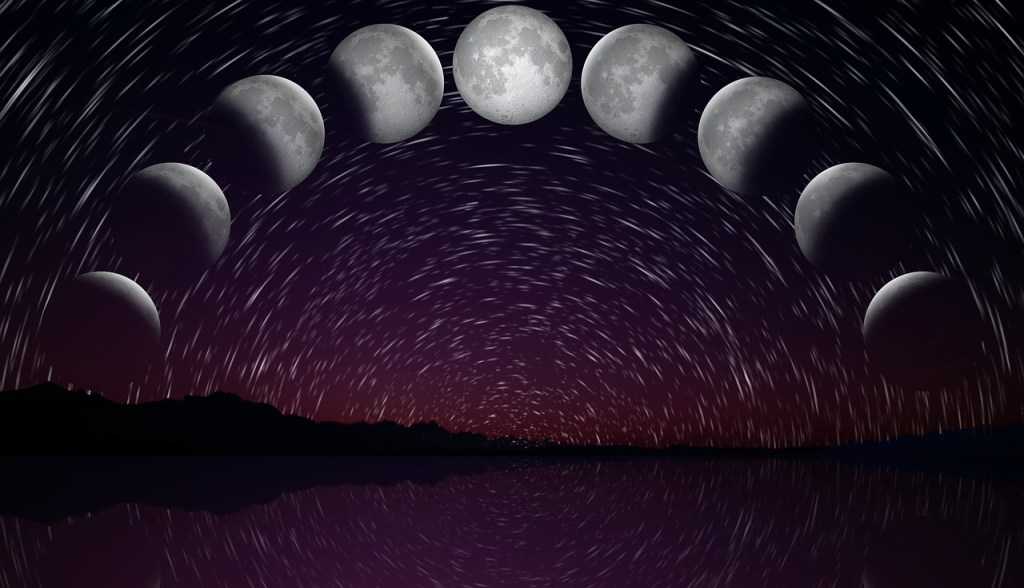
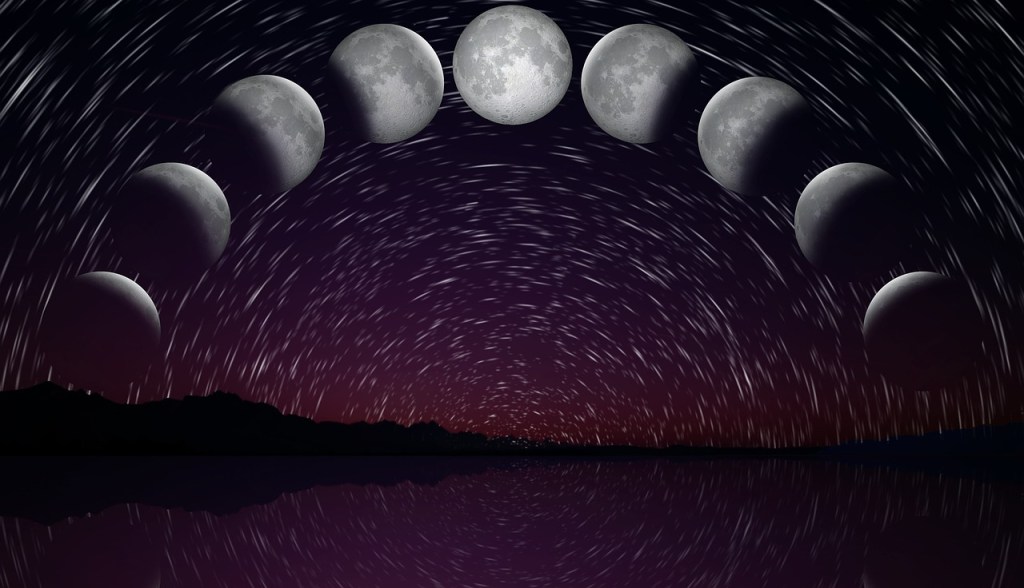
One of the most spectacular events of this period will be the total lunar eclipse on March 13-14. During this event, Earth’s shadow will completely cover the Moon, often giving it a reddish appearance known as a “Blood Moon.”
The eclipse will be visible across the Americas and parts of western Europe and Africa. The total phase will last for over an hour, providing ample time for observation and photography. The eclipse begins at 05:09 UTC on March 14, with totality occurring from 06:26 to 07:31 UTC.
Mercury at Greatest Elongation (April 21)
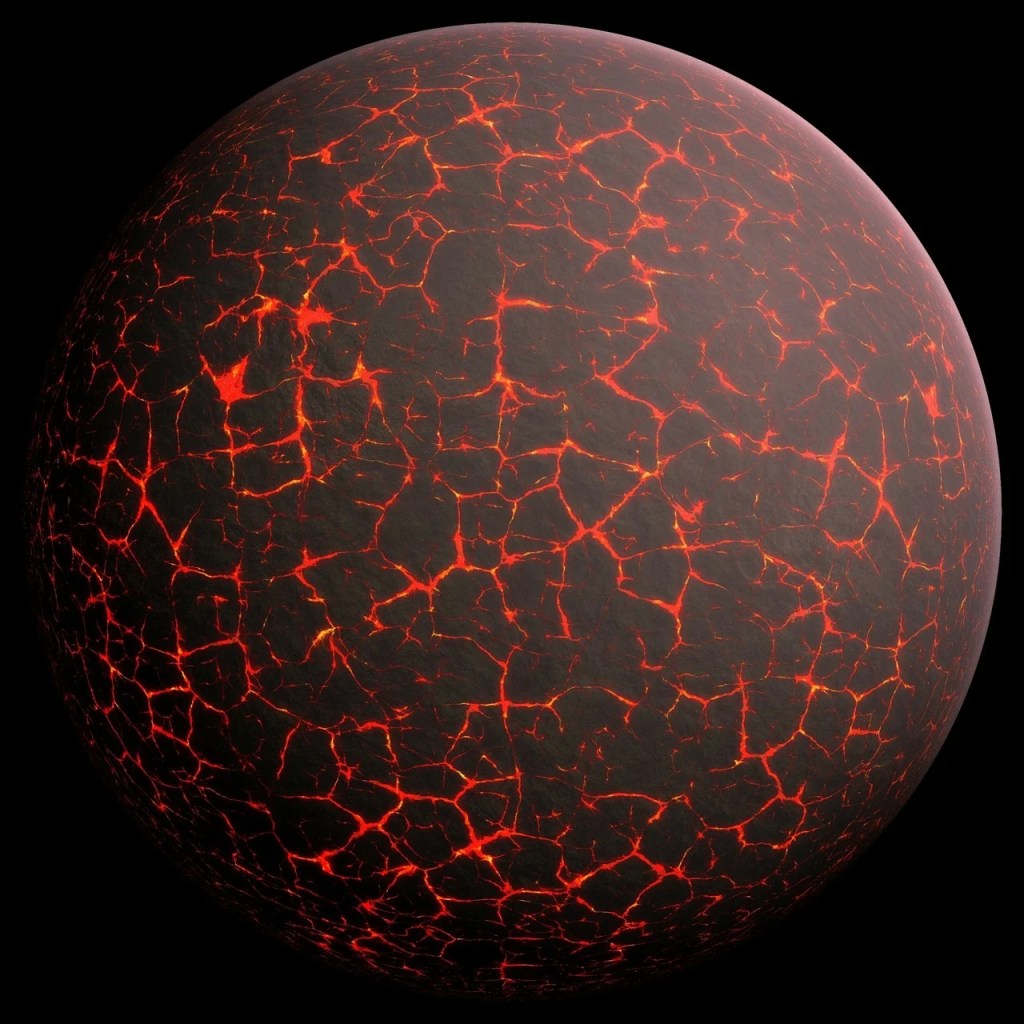
On April 21, Mercury reaches its greatest elongation, appearing at its farthest point from the Sun in our sky. This makes it the best time of the year to spot this elusive planet. Look for Mercury low in the western sky just after sunset.
Other Notable Events
- February 24: Mars ends retrograde motion.
- February 25: Saturn passes 1°26′ from Mercury.
- February 28: Venus begins retrograde motion.
- March 1: NASA’s Europa Clipper spacecraft makes a gravity assist maneuver at Mars.
- April 20: NASA’s Lucy spacecraft flies by asteroid 52246 Donaldjohanson.
- April 30: China’s Tianwen-2 spacecraft is scheduled to launch toward asteroid 469219 Kamo’oalewa and later to comet 311P/PANSTARRS.
Conclusion
The period from February 15 to April 30, 2025, offers a wealth of celestial events for stargazers to enjoy. From the rare seven-planet alignment to the total lunar eclipse, there are numerous opportunities to witness the wonders of our universe. Whether you’re an experienced astronomer or a casual observer, these events provide a chance to connect with the cosmos and appreciate our place in the vast expanse of space.
Remember, stargazing is an activity that rewards patience and persistence. Not every night will be clear, and it may take time to learn your way around the night sky. But with each stargazing session, you’ll become more familiar with the wonders above us. So grab your binoculars or telescope, find a dark spot away from city lights, and prepare to be amazed by the celestial show unfolding above. Happy stargazing!
Citations:
[1] https://starwalk.space/en/news/night-sky-tonight-february
[2] https://www.universetoday.com/170142/the-moon-occults-mars-for-north-america-monday-night-just-before-opposition-2025/
[3] https://www.cntraveler.com/story/astronomical-events-2025-how-to-see-them
[4] https://www.timeanddate.com/news/astronomy/mars-moon-alignment-2025
[5] https://www.planetary.org/articles/calendar-of-space-events-2025
[6] https://www.space.com/stargazing/dont-miss-these-15-spectacular-moon-events-in-2025
[7] http://www.seasky.org/astronomy/astronomy-calendar-current.html
[8] https://in-the-sky.org/newsindex.php?feed=occultations
Answer from Perplexity: https://www.perplexity.ai/search/backyard-astronomy-as-a-beginn-5UrB9jN6TReA1CDQWmJimw?utm_source=copy_output














 Stan's Hobbies and Interests