The holiday night sky is one of the best natural “light displays” of the year, and December 2025 is packed with events that are perfect for families, beginners, and experienced astronomers alike. With long nights, bright stars, meteors, and a dramatic Supermoon, it is easy to turn Christmas break into a memorable, educational adventure under the stars. starwalk+2
1. Key Holiday Night-Sky Events to Watch
Super Cold Moon & Pleiades – December 4
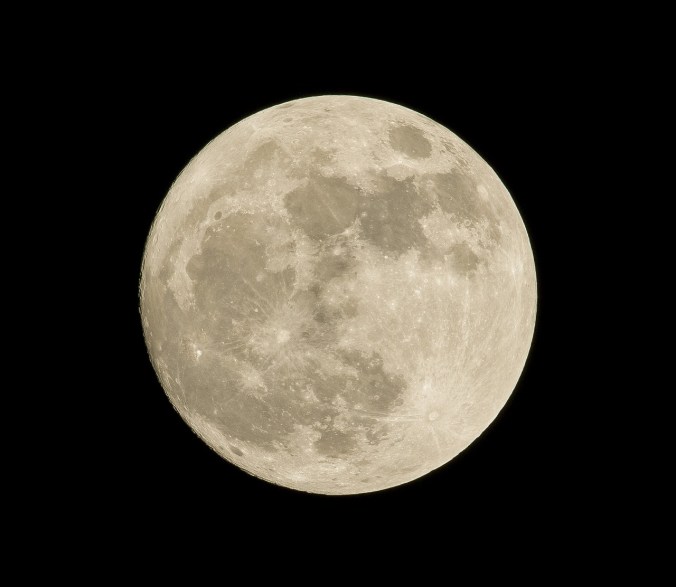
- On December 4, 2025, the “Cold Moon” becomes a Supermoon, appearing slightly larger and brighter as it reaches full phase at 23:14 UTC. Learn more.
- That same night the Moon passes right through the Pleiades star cluster for parts of North America, Europe, and northern Africa, creating a rare lunar occultation where the Moon briefly hides some of the cluster’s brightest stars. starwalk
How to observe:
- Beginners: Use binoculars to frame the bright Moon and the nearby cluster; even from cities, the sight of the Moon close to the Pleiades is striking. starwalk
- Advanced observers: Try photographing the sequence as the Moon covers and uncovers Pleiades stars, or sketch the changing view through a small telescope. starwalk
Geminid Meteor Shower – December 13–14

- The Geminids peak on the nights of December 13–14 and are often called the best meteor shower of the year, with up to about 120 meteors per hour under dark skies. More information.
- Meteors seem to radiate from Gemini near the bright star Castor, but they can streak across any part of the sky, often leaving colorful, slow-burning trails. Learn more.
How to observe:
- No telescope needed—your eyes are the best “instrument.” Lie back in a reclining chair with a blanket and hot drinks, and watch a wide swath of sky. More details.
- For a family activity, let kids count meteors in 10‑minute intervals and compare numbers, turning the shower into a simple science experiment about rates and randomness. Learn more.
New Moon & Deep-Sky Darkness – December 20
- The New Moon on December 20 brings the darkest night of the month, excellent for galaxies, nebulae, and star clusters.starwalk
- This is a great time to hunt for the Orion Nebula, the Hyades, the Pleiades (without moonlight), and open clusters in Auriga and Gemini.starwalk
How to observe:
- Beginners: Start with naked‑eye patterns—Orion’s Belt, the V‑shape of the Hyades, and the “tiny dipper” of the Pleiades—then use binoculars for more stars and haze.starwalk
- Advanced: Use a telescope with low‑power eyepieces and, if possible, a nebula filter on the Orion Nebula to show structure and color, a guaranteed “wow” moment.starwalk
Ursid Meteor Shower – December 22
- Around December 22, the Ursid meteor shower peaks, producing roughly 10 meteors per hour under good conditions and sometimes surprising observers with higher rates. More information.
- The radiant lies near the Little Dipper (Ursa Minor), making this a northern‑sky treat close to Christmas. More information .
How to observe:
- Treat it as a quieter, more reflective meteor watch: set up chairs, dress warmly, and let your eyes wander across the whole sky instead of staring at one point. cloudynights+1
- Encourage kids to write down the brightest meteors they see and what direction they traveled, an easy way to introduce scientific note‑taking. celestron
December Solstice – December 21
- The December solstice on the 21st marks the official start of winter in the Northern Hemisphere and the longest night of the year, which naturally aligns with Christmas traditions of light in darkness. timeanddate+1
- This is an ideal evening for a “solstice & Christmas sky walk,” combining seasonal storytelling with constellation spotting. timeanddate
2. What to Look For: A Holiday Sky Checklist
Here is a simple observing checklist that works for both beginners and seasoned observers:

- The Supermoon and Pleiades (Dec 4): Moon + star cluster pairing, best with binoculars or a short‑exposure phone photo through a telescope. starwalk
- Bright planets: Mercury’s best morning visibility around December 7, plus evening views of Jupiter and Saturn earlier in the month. timeanddate+1
- Constellations of winter: Orion, Taurus, Gemini, Auriga, and Canis Major dominate the Christmas sky, offering bright, easy‑to‑find patterns. eaglecreek+1
- Deep‑sky showpieces: Orion Nebula (M42), the Pleiades (M45), the Hyades, and open clusters like M36–M38 in Auriga. starwalk
- Meteor showers: Geminids (Dec 13–14) and Ursids (Dec 22), each offering different levels of activity and a reason to head outside more than once. planetary+1
Families can turn this checklist into a printable “Holiday Night‑Sky Bucket List” for December, which also works well as a downloadable resource or Pinterest‑friendly graphic. orbitaltoday
3. How to Observe Comfortably and Safely
Stay Warm and Cozy
- Wear several layers, including thermal base layers, an insulating mid‑layer, a windproof coat, warm hat with ear coverage, thick wool socks, and insulated boots. science.nasa+1
- Use blankets, sleeping bags, or foam/yoga mats under your feet or chair to insulate from the cold ground, and pack hand warmers or heated pads for gloves and boots. science.nasa+1
Choose the Right Location
- Aim for a dark, open area with a wide view of the sky—parks, fields, lakeshores, or hilltops—avoiding bright streetlights and tall buildings. idealcu+1
- Make sure your spot is safe and legal; check park hours in advance, and always let someone know where you are if you go to a remote area. ecoflow
Use Simple, Effective Gear
- Naked eye: Best for meteor showers, spotting constellations, and enjoying the overall sky. cloudynights+1
- Binoculars (7× or 10×): Transform views of the Moon, Pleiades, star clusters, and large nebulae; easy to share among family members. celestron+1
- Telescope (for advanced users): Adds detail and magnification, but keep expectations realistic—show bright, high‑contrast targets first, especially for kids. starwalk
- Red light and phone apps: A red‑filtered flashlight or headlamp preserves night vision, while astronomy apps help point out stars and planets without long learning curves. idealcu+1
Allow 20–40 minutes for your eyes to adjust fully to the dark; during this time, avoid looking at phone screens or bright white lights. ecoflow
4. Educational and Family-Friendly Angles
The holiday night sky is a ready‑made science lesson wrapped in seasonal wonder.
- Physics and motion: Use the Supermoon to talk about orbits and why the Moon sometimes appears larger, and meteor showers to explain that Earth is passing through streams of comet or asteroid debris. celestron+1
- Seasons and solstice: The December solstice is a practical way to discuss Earth’s tilt, day length, and why holidays of light cluster around the darkest time of the year. timeanddate+1
- History and culture: Connect constellations and the Pleiades to ancient navigation and farming calendars, and discuss historical ideas about the “Christmas Star” as possible planetary alignments, comets, or novae. rmg+1
For families and educators, consider:
- Creating a simple observing journal where children draw what they saw—Moon phases, bright constellations, or a particularly vivid meteor. science.nasa+1
- Turning a Geminid or Ursid watch into a “citizen science” session where older kids time meteors and record estimates of brightness using simple scales. cloudynights+1
5. Making It Exciting for All Experience Levels
For Newcomers
- Focus first on big wins: the Supermoon, Orion’s Belt, the Pleiades, and bright meteors—objects that look impressive without equipment or expertise. timeanddate+1
- Keep sessions short and fun: 30–60 minutes outside, with hot chocolate, blankets, and a clear goal such as “Find Orion and count how many Geminids we see.” idealcu+1
For Experienced Astronomers
- Use these events as outreach opportunities—host neighborhood or church parking‑lot star parties that introduce others to the sky and to your gear. eaglecreek+1
- Set personal projects: imaging the Moon–Pleiades occultation, logging Geminid hourly rates, or sketching deep‑sky objects on the New Moon night. celestron+1
By blending simple visual highlights for beginners with deeper observing projects for seasoned observers, a single holiday‑season article can appeal widely, increasing shares, saves, and return visits across WordPress, Google search, and Pinterest. bigthink+1
Suggested SEO‑Friendly Post Title & Meta Description
- Title: “Holiday Night Sky 2025: Family Guide to December’s Best Meteors, Supermoon, and Christmas Constellations”
- Meta description (up to ~155 characters):
“Discover December 2025’s holiday night sky: Supermoon, Geminids, Ursids, Christmas constellations, and family‑friendly stargazing tips for all experience levels.” bigthink
These elements, combined with clear headings, keyword‑rich subtopics (e.g., “Geminid meteor shower,” “December Supermoon,” “winter stargazing tips”), and Pinterest‑ready graphics or checklists, will help the article perform strongly across major platforms while remaining educational, inspiring, and family‑friendly. orbitaltoday+1
Add to follow-up
Check sources
- https://starwalk.space/en/news/night-sky-tonight-december
- https://www.timeanddate.com/news/astronomy/night-sky-december-2025
- https://www.planetary.org/articles/calendar-of-space-events-2025
- https://www.celestron.com/blogs/knowledgebase/the-ultimate-guide-to-observing-the-meteor-showers
- https://www.cloudynights.com/topic/742482-how-to-observe-a-meteor-shower/
- https://eaglecreek.com/blogs/articles/stargazing-tips-cozy-winter-nights
- https://orbitaltoday.com/2025/11/28/december-2025-stargazing-bucket-list-must-see-night-sky-events/
- https://science.nasa.gov/solar-system/skywatching/night-sky-network/winter-stargazing-tips-stay-warm-and-cozy/
- https://www.idealcu.com/blog/entry/frosty-nights-starry-sights-top-winter-stargazing-tips
- https://www.ecoflow.com/us/blog/perseid-meteor-shower-viewing-guide
- https://www.rmg.co.uk/stories/space-astronomy/what-was-christmas-star
- https://bigthink.com/starts-with-a-bang/devious-trick-sensational-science-headlines/
 Stan's Hobbies and Interests