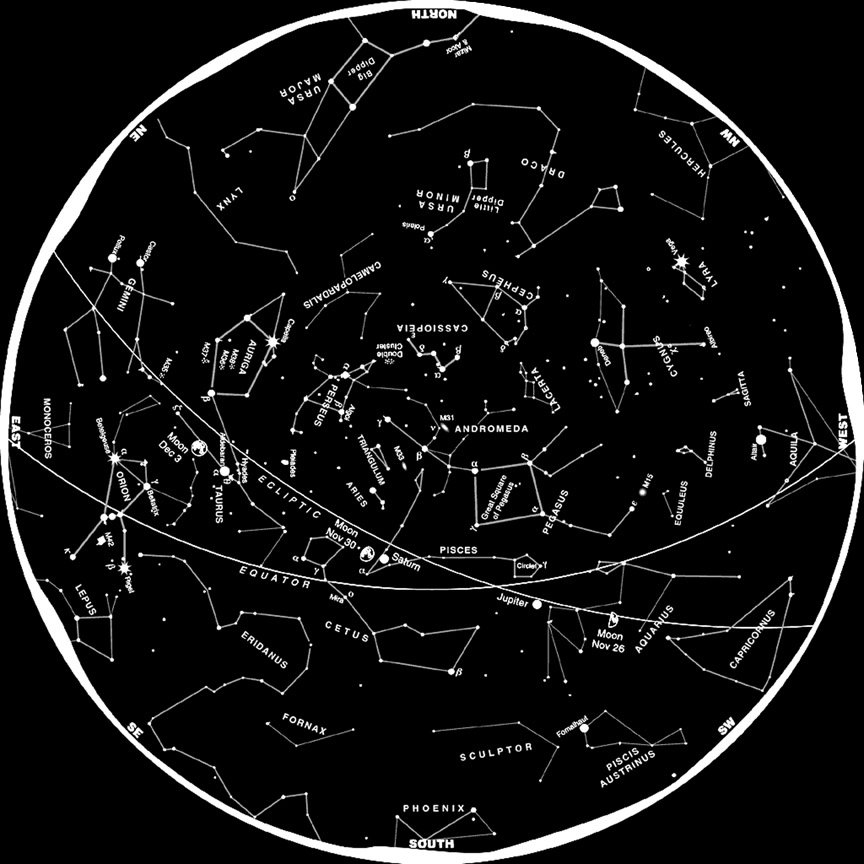
Stargazing Wonders of November 2025: A Family Guide to Planets, Constellations, and Celestial Magic

November 2025 is a holiday gift for skywatchers, offering planetary displays, dazzling meteor showers, a record-bright supermoon, and a host of famous constellations and stars. Whether you’re spending quiet moments in your backyard with family or gathering fellow enthusiasts in a local astronomy club, the month promises magic for stargazers of all ages and experience levels.


Planets on Parade
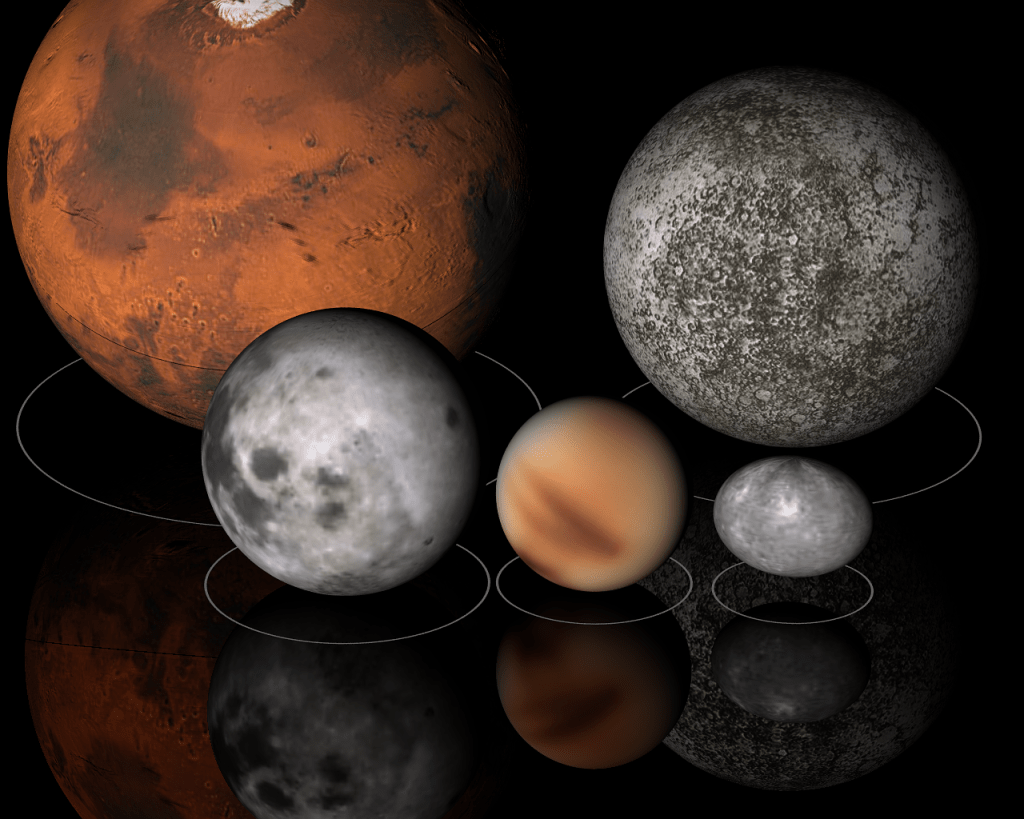
November is one of the richest months for planet watching in 2025. On clear nights, nearly every naked-eye planet makes a memorable appearance:

  • Mercury: The elusive innermost planet appears just above the southeastern horizon at dawn near the end of the month (November 28–30). Its fleeting glow is best caught about 30 minutes before sunrise, challenging even for seasoned observers but a thrill for patient families. farmersalmanac+1
  • Venus: Brilliant Venus shines low in the morning twilight the first three weeks of November before disappearing from view—look for it before sunrise in the east and southeast. astroshop+4
  • Saturn: The ringed planet graces the southwest after sunset all month. On November 1–2, Saturn pairs closely with the waxing gibbous Moon—don’t miss the pairing with binoculars or a telescope. adlerplanetarium+3
  • Jupiter: Jupiter rises in the east after 9 PM and dominates the late-night sky. Its moons and cloud bands are visible in even small telescopes, offering an inviting family observing project. skyatnightmagazine+2
  • Uranus: On November 21, Uranus reaches opposition and shines all night in Aries. Usually invisible to the naked eye, it’s within reach of binoculars or a modest telescope—a blue-green gem for those ready to find new worlds. timeanddate+3
  • Neptune: Faint Neptune lurks in Pisces, crossing the southern sky late at night. Binoculars or a telescope are needed, but locating this distant planet can be a rewarding family challenge. farmersalmanac+1

Moon Facts and Lunar Events
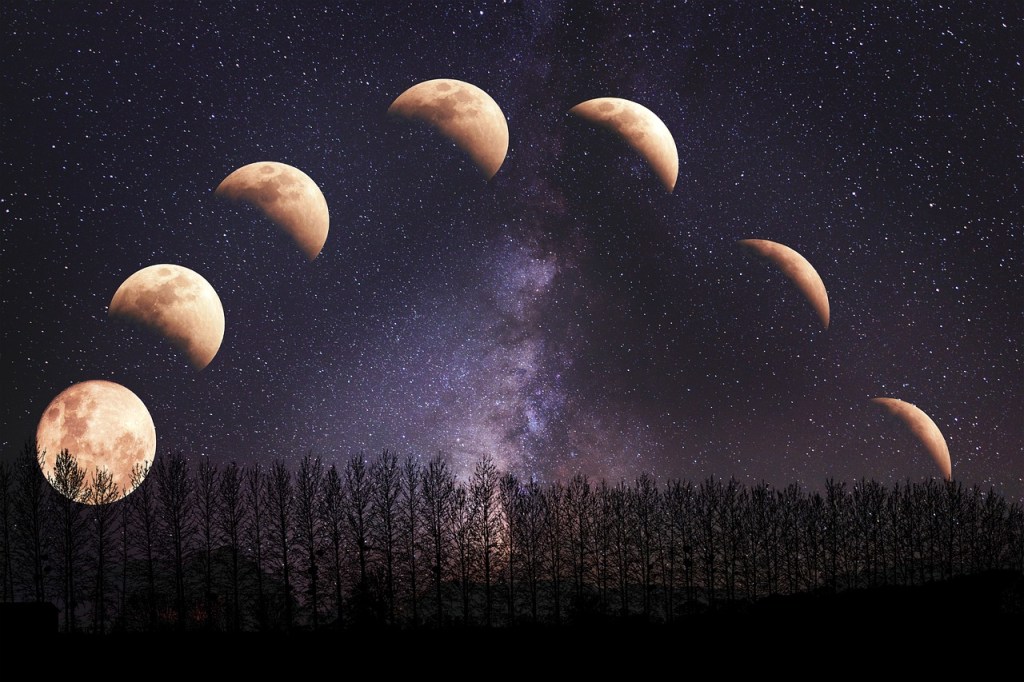
This November offers a lunar showstopper sure to spark curiosity and creativity, plus several phase changes for sky journaling:

  • Supermoon – November 5: The year’s biggest and brightest full moon rises on Nov. 5. Named the Beaver Moon or Frosty Moon, it appears nearly 8% larger and up to 16% brighter than a typical full moon. Early Native Americans used this time to set beaver traps ahead of winter. rmg+5
  • Moon-Planet Conjunctions: The Moon passes near Saturn on Nov. 1–2 and pairs up with Aldebaran (the “Bull’s Eye”) in Taurus on Nov. 7—a great reason for crafty photos or family stories about the sky’s ancient myths. whenthecurveslineup+1
  • Other Phases: The moon’s changing face is easy to track and sketch:
    • Full Moon: Nov. 5
    • Last Quarter: Nov. 12
    • New Moon: Nov. 20 (a “micro” new moon at farthest distance from Earth)
    • First Quarter: Nov. 28. theskylive+1

Meteor Showers to Watch

November delivers two meteor showers—one spectacular, the other subtle but known for bright fireballs:

  • Southern Taurids – Nov. 4–5: This minor shower produces slow, bright meteors. Only 5–10 meteors per hour, but some may become fireballs as they radiate from Taurus. Try viewing after midnight—best with the whole family, lying back and sharing wishes. seasky+1
  • Leonids – Nov. 17: The Leonid meteor shower, famed for epic storms, produces 10–15 bright meteors per hour at its peak just before dawn. Look southeast from a safe, dark spot. The crescent moon will set early, leaving a perfectly dark sky for viewing. planetary+3

Constellations: Old Friends Return

As November evenings lengthen, classic constellations and famous stars reclaim their positions:

  • Orion the Hunter: Orion rises by midnight, instantly recognizable by his three-star “belt.” Follow the belt downward left to find Sirius, the sky’s brightest star, rising in the southeast near the end of the month. nationalgeographic+2
  • Taurus the Bull: Home to red-orange Aldebaran (the “Bull’s Eye”), the glimmering Pleiades (Seven Sisters), and the Hyades cluster—the V-shaped “face” of Taurus. rmg+2
  • Andromeda: High overhead, Andromeda forms a graceful arc and hosts the Andromeda Galaxy (M31)—a faint smudge in dark skies visible to the naked eye, binoculars, or small telescopes. starwalk+1
  • Pegasus: The Great Square of Pegasus marks autumn and is a great jumping-off point for star-hopping.
  • Cassiopeia, Pisces, and more: Cassiopeia’s “W” shape dominates the northeast. Pisces, the Fishes, is less obvious but sits south of Andromeda. starwalk
  • Sirius and Canis Major: By late November, Sirius—known as the “Dog Star”—rises in the southeast. It’s 25 times more luminous than the sun and just 8.6 light years away, a brilliant beacon for cold nights. rmg

Other Notable Night Sky Events

  • Planetary Encounters: Nov. 3, the Moon and three planets (Venus, Saturn, Jupiter) are on display overnight. Nov. 25, Venus and Mercury share the dawn in a rare pairing. whenthecurveslineup+1
  • Hyades at Apex – Nov. 27: The Hyades cluster, making the V of Taurus’s face, reaches its highest point around midnight. This is the best time to see its dozens of stars under dark skies, an ideal binocular or family-accessible target. nationalgeographic
  • Comet c/2025 A6: Expected to be visible from dark locations in late October and early November. It may be possible to spot it with binoculars just before sunrise or after sunset—watch astronomy news sites for updates. facebook

More Astronomy Information

Bright Stars to Visit

  • Aldebaran (Taurus): Orange-red, marking the Bull’s eye.
  • Betelgeuse and Rigel (Orion): Red and blue supergiants, highlighting Orion’s shoulder and foot.
  • Capella (Auriga): Bright, yellowish star rising high in the northeast.
  • Spica (Virgo): Visible near Venus in the dawn sky early in the month. whenthecurveslineup

Family Activities and Tips

  • Make a Sky Journal: Track phases of the moon and meteor counts. Sketch constellations or note unusual “shooting stars.”
  • Try Star Storytelling: Share myths about Orion, Taurus, and the Pleiades, or invent your own tales.
  • Holiday Stargazing: Pair a hot cocoa night with meteor counting or supermoon watching. Invite friends or neighbors for a “full moon walk” or a “Leonids pajama party.”
  • Binocular Astronomy: Many November targets—the moon’s craters, Pleiades, Hyades, Jupiter’s moons—look wonderful even through basic binoculars.
  • Prepare for the Cold: Layer up, bring blankets and sleeping bags, and warm drinks.

Handy Stargazing Tips

  • Allow 15 minutes for your eyes to adapt to the darkness.
  • Avoid bright lights (use red flashlights to preserve night vision).
  • Choose a safe, dark location away from city lights.
  • Use free sky map apps or printable star charts to help identify targets.
  • Record your sightings and try to spot new constellations each week.rmg

More Astronomy Information.

Looking Ahead and Inspiring Wonder

As the nights lengthen and the year edges closer to holidays, November 2025 offers families and astronomers a cosmos packed with both new wonders and returning favorites. There’s no better time to start a skywatching tradition with your children, friends, or students—nature’s awe-inspiring show is always free and never repeats in quite the same way.

From the joy of the supermoon’s silvery glow and the thrill of counting Leonid meteors to the satisfaction of picking out planets and patterns among the stars, the night sky rewards curiosity and connects us to ancient stories and ongoing scientific discovery.

Wishing clear skies, many discoveries, and countless family memories under the November night sky! kenpress+17

  1. https://www.farmersalmanac.com/visible-planets-guide
  2. https://www.astroshop.eu/magazine/practical-tips/observation/astronomy-highlights-in-autumn-2025/i,1244
  3. https://www.adlerplanetarium.org/blog/what-to-see-stargazing-tips-november-2025/
  4. https://www.skyatnightmagazine.com/advice/skills/astronomy-guide-viewing-planets-night-sky
  5. https://whenthecurveslineup.com/2025/10/23/2025-november-3-moon-and-three-planets-on-display-in-the-night-sky/
  6. https://www.rmg.co.uk/stories/space-astronomy/astronomy/night-sky-highlights-november-2025
  7. https://kenpress.com/files/2025WOT11Nov.pdf
  8. https://www.timeanddate.com/news/astronomy/night-sky-november-2025
  9. http://www.seasky.org/astronomy/astronomy-calendar-current.html
  10. https://www.planetary.org/articles/calendar-of-space-events-2025
  11. https://starlust.org/november-2025-skywatching-guide-this-years-biggest-supermoon-leonids-fireballs-and-more/
  12. https://theskylive.com/moon-calendar?year=2025&month=11
  13. https://www.calendarr.com/united-states/lunar-calendar-november-2025/
  14. https://whenthecurveslineup.com/2025/10/27/2025-november-7-moon-and-bulls-eye/
  15. https://www.nationalgeographic.com/science/article/november-night-sky-events-2025
  16. https://starwalk.space/en/news/november-constellations-and-stars
  17. https://www.space.com/stargazing/autumn-skywatching-targets-to-see-in-the-night-sky-2025
  18. https://www.facebook.com/groups/auroraaustralia/posts/2376217279460361/
  19. https://www.spaceweatherlive.com/en/moon-phases-calendar/2025/11.html
  20. https://www.timeanddate.com/astronomy/sights-to-see.html

October 2025 Night Sky: A Family-Friendly Guide

October is one of the year’s very best months for skywatching—perfect for families, beginners, and experienced observers. The air is crisp, darkness falls early, and the heavens are packed with cosmic treats: a super harvest moon, meteor showers, bright planets, and famous constellations ready for everyone to explore. Here’s your guide to October’s best celestial events, how to see them, and why they’re worth a moment outdoors—whether you spend five minutes or all night under the stars.


The Super Harvest Moon & Saturn Dazzle the Skies

October 6–7 brings this year’s Harvest Full Moon—a supermoon, bigger and brighter than most.
Also called the “Hunter’s Moon,” this full moon rises just after sunset, filling the eastern sky in gold and lighting up fields, parks, and city rooftops. This month’s moon is “super” because it’s especially close to Earth in its orbit, making it up to 14% larger and 30% brighter than average. More Information.

On October 5, Saturn appears close to the full moon in the southeast.
The ringed planet shines as a steady, golden “star” above and to the right of the glowing moon shortly after dark. Point out Saturn to kids: tell them that, even though its rings are not visible without a telescope, they can use their imagination and binoculars to spot its unique color.

Family tip:
No special equipment needed—just step outside after sunset and gaze east. Try taking a moonrise photo with a smartphone or watch the moon usefully light up an evening walk.


Meteor Showers: Orionids Steal the Show

The Orionid Meteor Shower peaks on the nights of October 21–22.
Each year, Earth passes through the leftover dust of Halley’s Comet, resulting in fast, sometimes bright meteors—up to 20 per hour streaking from the direction of Orion’s “shoulder.” This year, the new moon means truly dark skies for peak viewing. Look for the brightest meteors after midnight, anywhere from an open backyard or park. More Information.

Draconids (Oct 8–9):
A minor shower peaking after dusk, best for those who enjoy an early evening search for “shooting stars.” This year, strong moonlight means just a few may be visible.

How to watch a meteor shower:

  • Find a dark spot away from streetlights.
  • Bring blankets or reclining chairs and face southeast (for Orionids) or north (for Draconids).
  • Let your eyes adjust 20–30 minutes to maximize faint meteor sightings.
  • Don’t use binoculars—meteors fly across the whole sky!

Family tip:
Hold a contest: Who can spot the first meteor, or the most meteors in an hour? Every “shooting star” is a great chance for a wish!


Planet Perfection: Saturn, Jupiter, Venus, Mercury

Saturn
Visible all October in Pisces after sunset, Saturn is high in the southeast—easy to spot as a steady, golden light. Early in the month, Saturn appears close to the full moon. More Information.

Jupiter
By mid-October, the solar system’s brightest planet (after Venus) rises after 9 p.m. in the east and grows even brighter as it approaches its November opposition. With binoculars, you can see up to four of its big moons lined up beside it. The moon swings close to Jupiter on October 13. Details.

Venus
Dazzles as the “Morning Star” all month, especially when paired with a slender crescent moon on October 19. It blazes low in the east just before sunrise, impossible to miss—even from cities. Details.

Mercury
The solar system’s speediest planet is toughest to see but reaches its best evening show of 2025 around October 29. Look low in the west just after sunset for a tiny, bright “star.” Use binoculars for your best chance, and pick a flat, unobstructed view. More Information.

Family tip:
Challenge kids to spot Saturn’s steady glow (it doesn’t twinkle!), Jupiter’s brightness, and Venus’s dawn appearance. Use an astronomy app to find the planets’ exact places each night.


October’s Constellations & Deep-Sky Wonders

Pegasus
The Great Square of Pegasus is a huge, easy-to-spot diamond in the eastern sky after dusk, high overhead by midnight. It’s the “stepping stone” to autumn’s most famous constellations.

Andromeda
Follow a gentle line of stars away from the Square to see Andromeda, stretching northeast. If you’re far from city lights, you might spot the faint oval of the Andromeda Galaxy—2.5 million light-years away and the most distant object you can see with your eyes! Binoculars make it easy, even from suburbs.

Cassiopeia
Always visible as a giant “W” or “M” in the northeast, Cassiopeia is a perfect sky marker for beginners. Its legends of a vain queen are fun to share as you star-hop.

Other constellations:

  • Pisces and Aquarius (zodiac): Lower and fainter, but both cross the sky through October, trailing Saturn and Jupiter.
  • Taurus and the Pleiades (the “Seven Sisters”): Rising after 10 p.m. in the east and easily found with a star map or phone app.

Special Sky Events & Group Activities

October 10: Moon Meets The Pleiades

Look east 9–11 p.m. to see a lovely pairing between the waxing moon and the glittering “Seven Sisters” star cluster. Binoculars give a fantastic family view.

October 13–14: Moon and Jupiter Pairing

Shortly after moonrise, see bright Jupiter beside the moon in the evening sky. Binoculars show Jupiter’s moons.

October 19: Crescent Moon, Venus, and Comet Hunt

Before sunrise, look east for a bright Venus and a thin crescent moon paired in the twilight. At sunset, try for Mercury and possibly even Mars with binoculars, low in the west. Check astronomy news for updates about Comet Lemmon, which could make a faint binocular appearance after dusk. Details.

October 21: New Moon & Milky Way

With no moonlight, it’s the best night to see faint constellations and the full sweep of the Milky Way. Try for star clusters in Cassiopeia, Perseus, and Andromeda with binoculars. More Information.

October 23–24: Lunar Triangle

Right after sunset, the crescent moon, Mercury, and Mars gather to form a small triangle low in the southwest (binoculars best).


How, When, and Where to Watch

  • Best Times:
    • Evenings (8–11 p.m.) for the moon, Saturn, Jupiter, and major stars.
    • Pre-dawn for Venus and the moon.
    • After midnight for the Orionid meteor shower.
  • Best Places:
    • Any open space with a low view of the east and west.
    • Parks, backyards, campgrounds, or drive a short way from city lights for a darker view.
    • Even city dwellers can enjoy planets, the moon, and the brightest stars.
  • Tips for Families:
    • Bring a blanket or reclining chair, warm clothes, and snacks.
    • Allow 20 minutes for eyes to adjust to darkness.
    • Try a red flashlight or phone “night mode” to preserve night vision.
    • Use phone apps (“Stellarium,” “Star Walk 2,” “Sky Tonight”) for real-time stargazing help.

Stargazing Fun & Learning

  • Draw Your Night Sky: Sketch the moon’s different shapes or map constellations in a journal each night.
  • Meteor Journals: Count “shooting stars” and make note of color or speed.
  • Planet Spotting: Try to find all visible planets in one night—Jupiter, Saturn, Venus, and Mercury.
  • Constellation Storytelling: Share the mythology of Pegasus, Andromeda, Orion, and Cassiopeia with kids—or create new family legends!
  • Binocular Treasure Hunt: List interesting things to find: Jupiter’s moons, the Andromeda Galaxy, the Pleiades, Saturn’s color.

Quick October 2025 Event Calendar

DateEventBest Viewing
Oct 5–7Supermoon & SaturnAfter sunset, east/southeast
Oct 8–9Draconid Meteor ShowerAfter dusk, face north
Oct 10Moon near Pleiades9–11 p.m., east, binoculars helpful
Oct 13–14Moon near JupiterEvening, east
Oct 19Crescent Moon & Venus (dawn)30 minutes before sunrise, east
Oct 19Mercury & Mars (sunset)15–30 min after sunset, low west
Oct 20–22Orionid Meteor ShowerAfter midnight, southeast/anywhere
Oct 21New Moon (darkest skies)Any time
Oct 23–24Moon, Mercury, Mars triangleAfter sunset, low west
Oct 29Mercury at its best (evening)30–45 min after sunset, west

Resources & Further Reading

  1. [Adler Planetarium – October 2025 Tips]adlerplanetarium
  2. [Hipcamp Stargazing Calendar]hipcamp
  3. [Star Walk Astronomy Calendar]starwalk
  4. [Sea and Sky Astronomy Calendar]seasky
  5. [High Point Scientific – Events Guide]highpointscientific
  6. [What’s Out Tonight PDF]kenpress

October’s night sky is rich with memories, new discoveries, and cosmic stories awaiting your family. Whether you’re five or ninety-five, clear a little space, look up, and let the universe dazzle you!

  1. https://www.hipcamp.com/journal/camping/stargazing-guide-astronomical-calendar/
  2. https://koa.com/blog/celestial-events-2025/
  3. https://www.adlerplanetarium.org/blog/what-to-see-stargazing-tips-october-2025/
  4. https://www.highpointscientific.com/astronomy-hub/post/night-sky-news/2025-astronomical-calendar
  5. https://blog.whiteduckoutdoors.com/stargazing-calendar-for-2025-where-to-camp-to-watch/
  6. https://www.farmersalmanac.com/monthly-stargazing-night-sky-guide
  7. https://phil.camera/2025/?mc
  8. https://www.cruiseamerica.com/trip-inspiration/ultimate-2024-stargazing-calendar
  9. https://www.metroparks.org/mark-your-calendar-astronomical-events/
  10. https://starwalk.space/en/news/astronomy-calendar-2025
  11. https://ts2.tech/en/dont-miss-these-skywatch-wonders-in-october-2025/
  12. http://www.seasky.org/astronomy/astronomy-calendar-current.html
  13. https://kenpress.com/files/2025WOT10Oct.pdf