As summer nights grow longer and the air becomes cooler, August offers an excellent opportunity for families to explore the wonders of the night sky from the comfort of their own backyard. Whether you’re a novice stargazer or an experienced astronomer, the celestial events and constellations visible during this month provide a captivating experience for all. This family-friendly guide will help you and your loved ones navigate the August night sky, ensuring a memorable and educational stargazing adventure.
Preparing for Your Stargazing Adventure
Before you head out to explore the night sky, it’s essential to prepare adequately to ensure a comfortable and enjoyable experience:
- Choose a Dark Location: Find a spot away from city lights for the best viewing experience. A local park, a rural area, or even your backyard can work well if it’s sufficiently dark.
- Allow Your Eyes to Adjust: Give your eyes about 20-30 minutes to adapt to the darkness. This will significantly improve your ability to see fainter celestial objects.
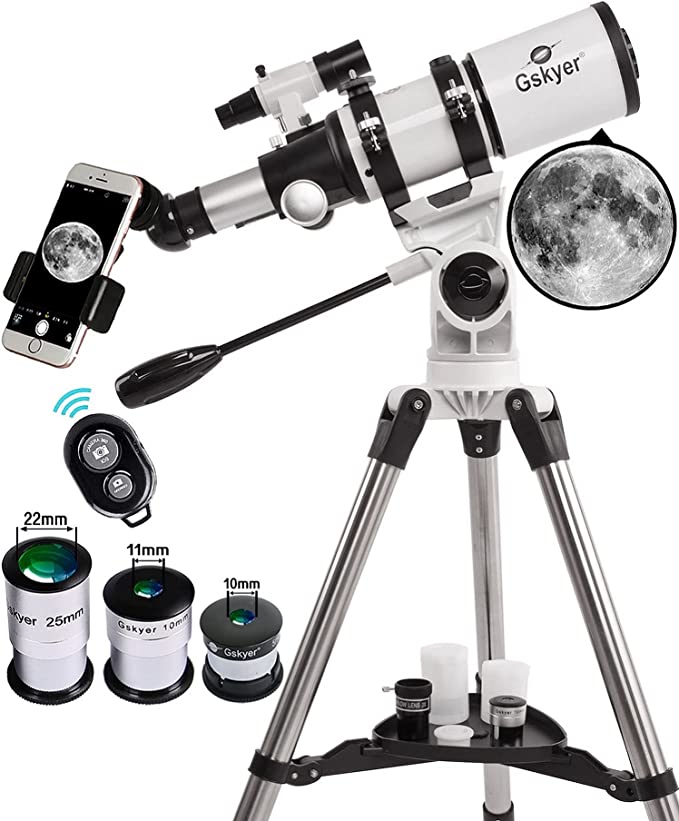
- Bring the Right Equipment: While many objects can be seen with the naked eye, a pair of binoculars can greatly enhance your viewing experience. A star chart or a smartphone app can also be helpful for identifying celestial objects.
- Dress Appropriately: Even in August, nights can get chilly. Bring warm clothes and blankets for comfort during extended viewing sessions.
- Pack Snacks and Drinks: Stargazing can be a lengthy activity, so bring some treats to keep energy levels up.
Celestial Highlights for August
The Perseid Meteor Shower
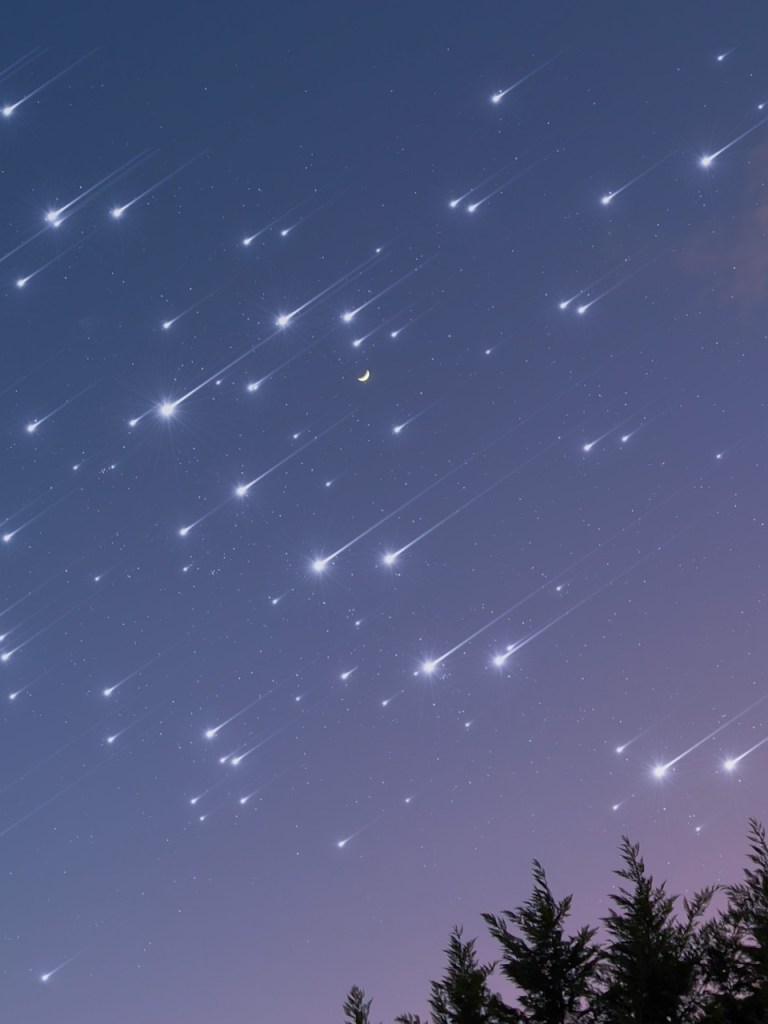
One of the most anticipated celestial events of August is the Perseid meteor shower. Known for its bright and numerous meteors, the Perseids peak around August 11-13. During this time, you can expect to see up to 60-70 meteors per hour under ideal conditions. The best time to observe the Perseids is after midnight when the radiant point (the point in the sky from which the meteors appear to originate) in the constellation Perseus is high in the sky.
To maximize your viewing experience, find a dark location with a clear view of the sky, lie back on a blanket or reclining chair, and look towards the northeast. The Perseids are known for their bright, fast-moving meteors, some of which leave persistent trails, making this meteor shower a spectacular event for the whole family.
Planets on Display
August offers excellent opportunities to observe several planets:
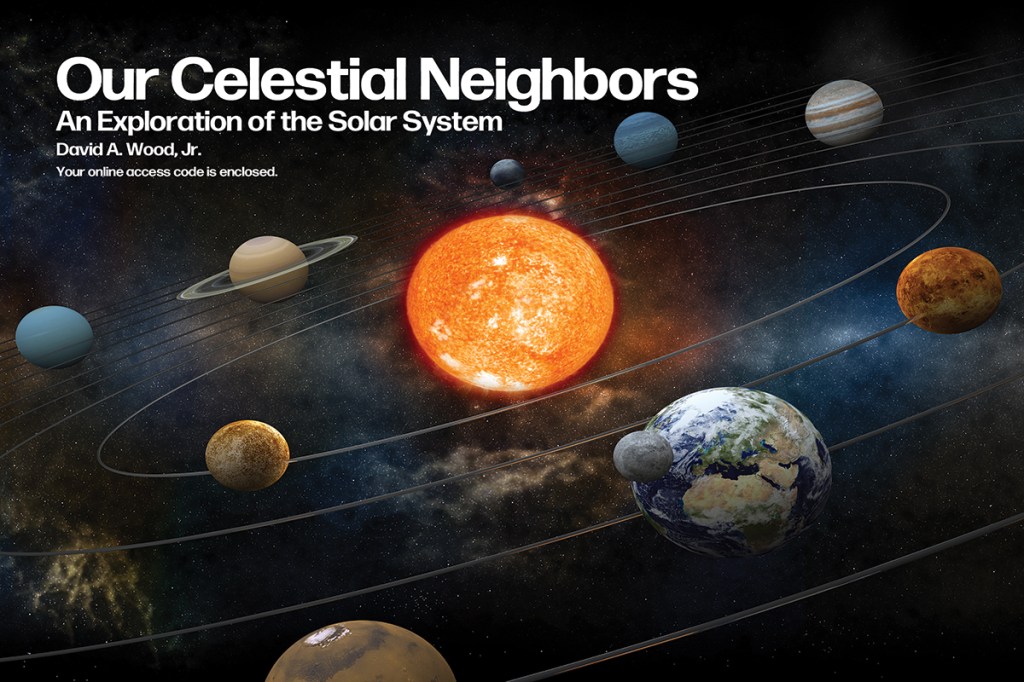
- Venus: The “Evening Star” shines brilliantly in the western sky after sunset. It’s the brightest object in the night sky after the Moon, making it easy for even the youngest stargazers to spot.
- Mars: The Red Planet can be seen in the western sky during the early evening hours. Its distinct reddish hue makes it stand out among the stars.
- Jupiter: Rising in the east during the late evening, Jupiter is a spectacular sight. With binoculars, you might even be able to spot its four largest moons.
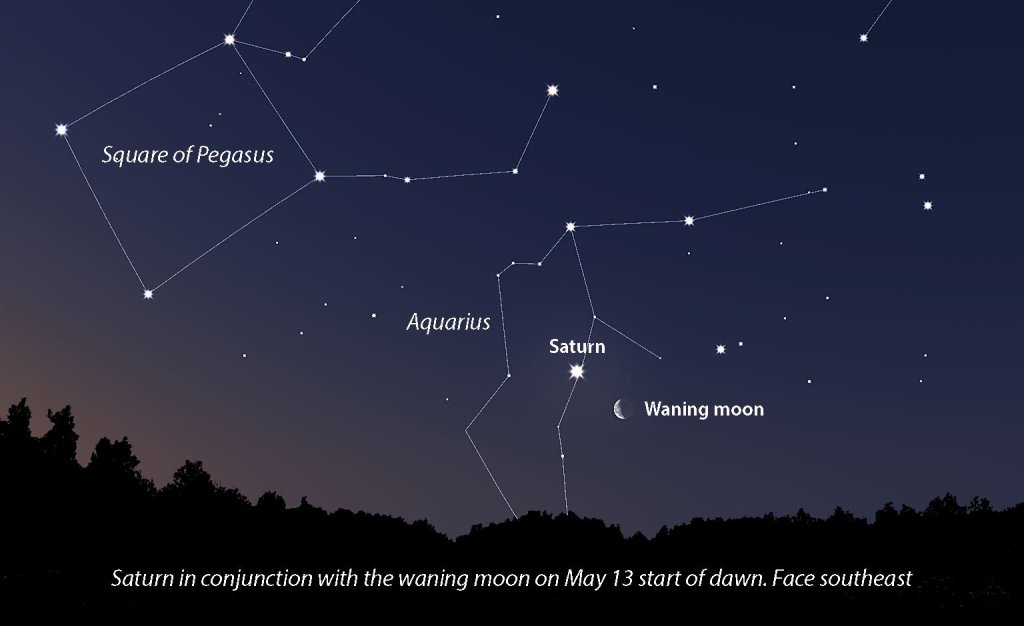
- Saturn: The ringed planet rises in the southeast as darkness falls. While its rings aren’t visible without a telescope, its golden hue is distinctive.
The Summer Triangle
One of the most prominent features of the August night sky is the Summer Triangle. This asterism (a pattern of stars that is not an official constellation) is formed by three bright stars:
- Vega in the constellation Lyra (the Harp)
- Deneb in Cygnus (the Swan)
- Altair in Aquila (the Eagle)
Challenge your family to spot this large triangle high in the eastern sky. It’s a great starting point for learning to navigate the night sky.
The Milky Way
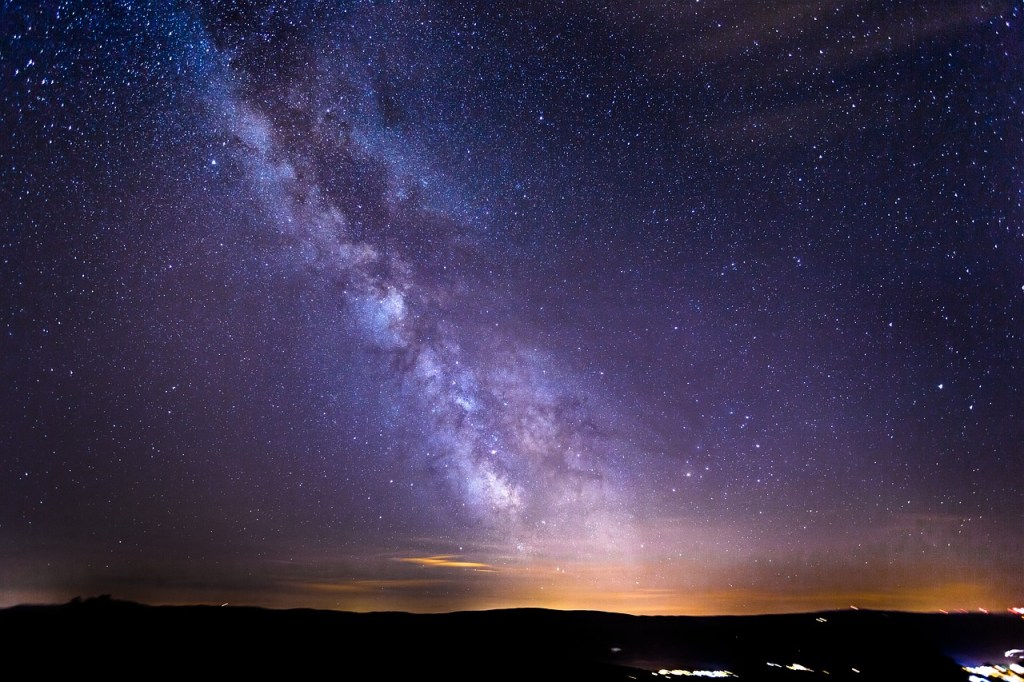
August provides an excellent opportunity to view our home galaxy, the Milky Way. On a clear, moonless night in a dark location, look for a faint, cloudy band stretching across the sky from the southern to the northern horizon. This is the combined light of billions of stars in our galaxy’s disk. Viewing the Milky Way can be a truly awe-inspiring experience for stargazers of all ages.
Constellations to Spot
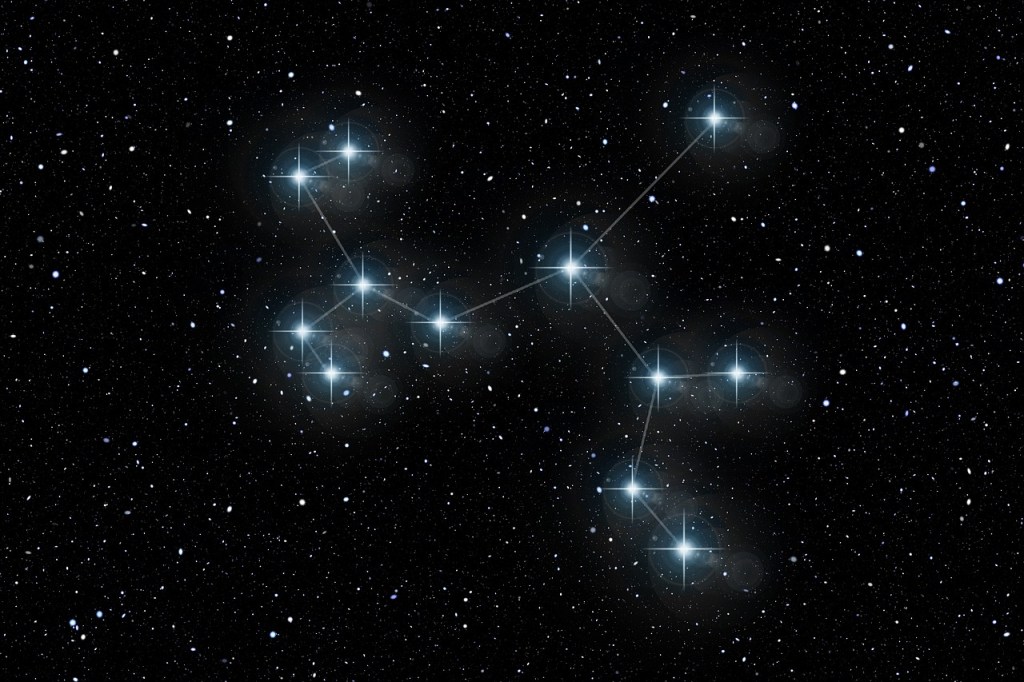
August’s night sky features several prominent constellations:

- Scorpius (the Scorpion): Look for this distinctive constellation low in the southern sky. Its bright red star, Antares, marks the scorpion’s heart.
- Sagittarius (the Archer): Just east of Scorpius, Sagittarius is often visualized as a teapot. The center of our galaxy lies in this direction.
- Cygnus (the Swan): Also known as the Northern Cross, this constellation flies high overhead, with its bright star Deneb marking the tail.
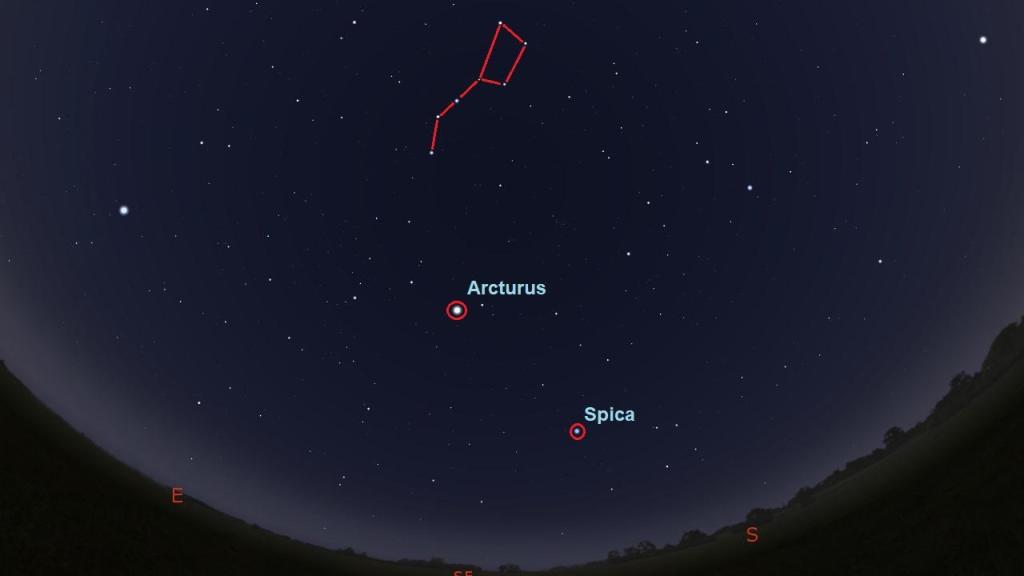
- Ursa Major (the Great Bear): This large constellation, which contains the Big Dipper, is visible year-round in the northern sky.
Fun Activities for Family Stargazing
- Constellation Story Time: Many constellations have fascinating myths associated with them. Research these stories beforehand and share them as you identify the constellations in the sky.
- Star Hop Challenge: Use bright stars or constellations as starting points to “hop” to other celestial objects. For example, use the Big Dipper to find Polaris, the North Star.
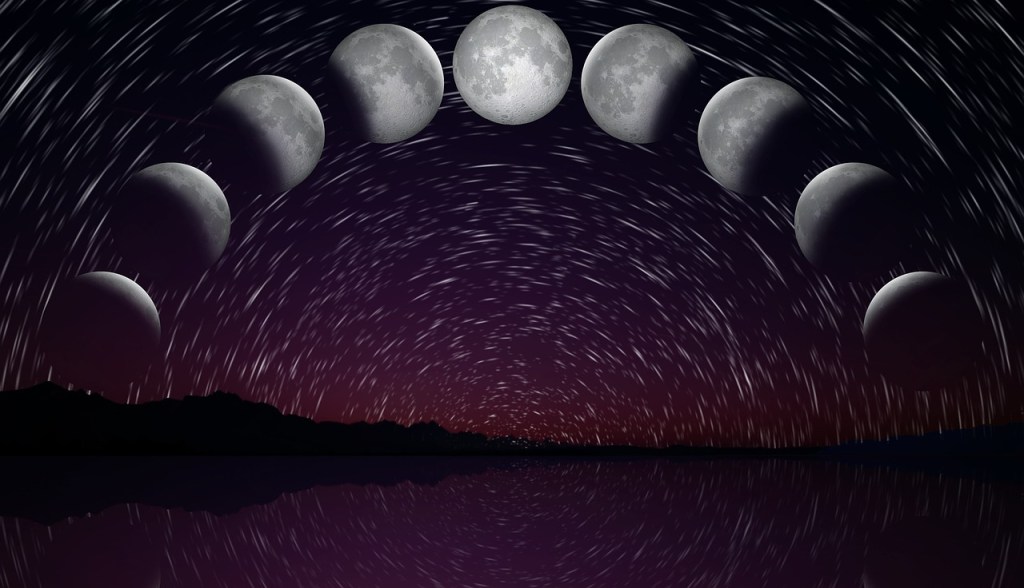
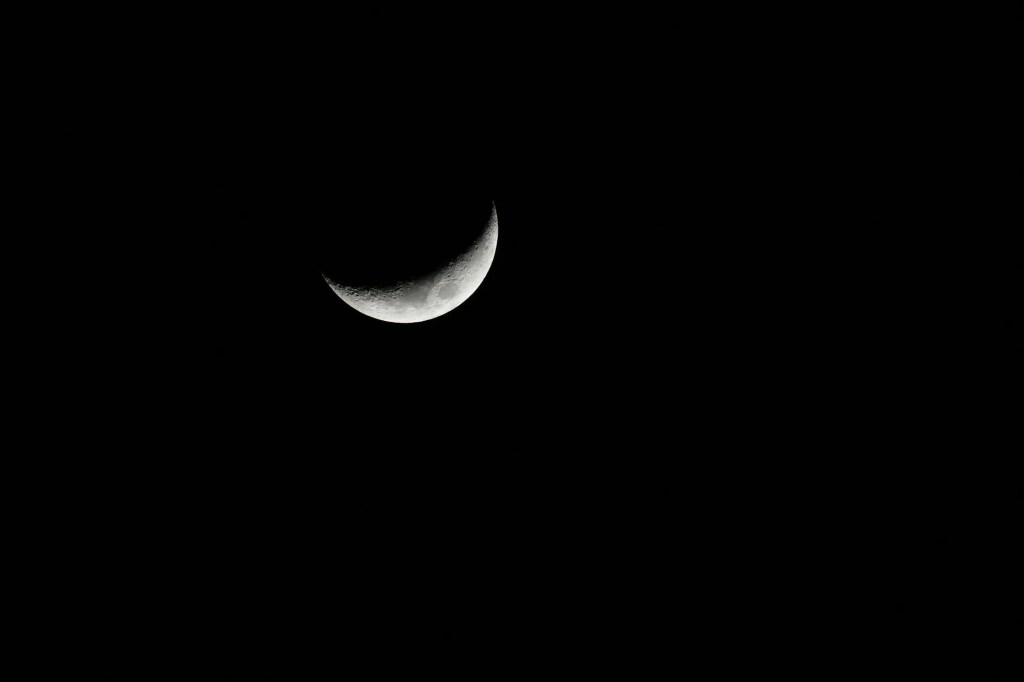
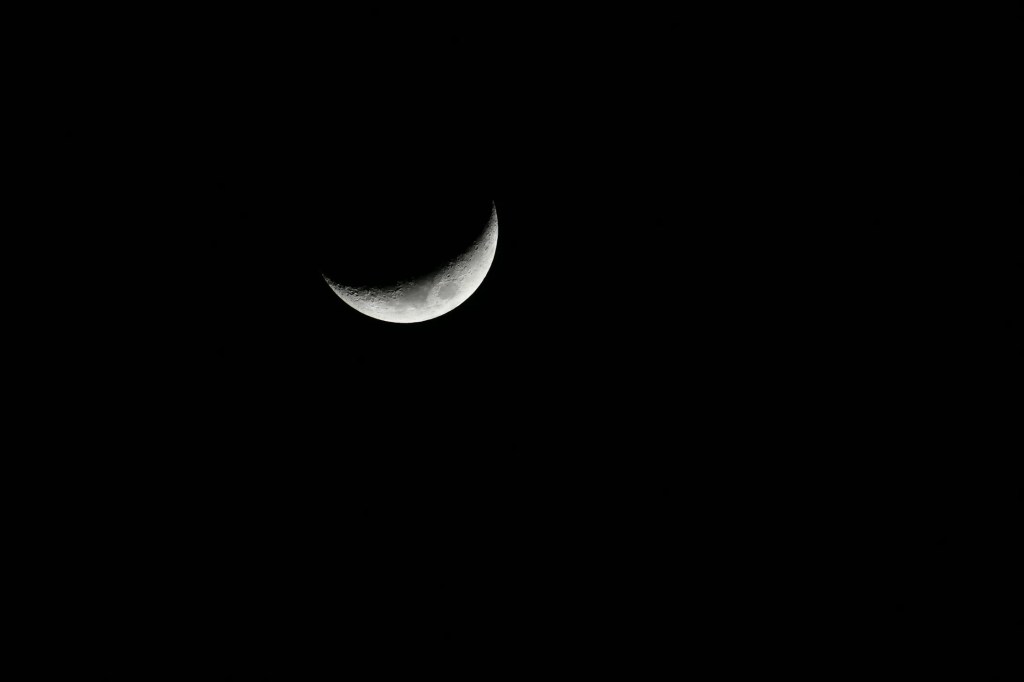
- Moon Observation: If the Moon is visible, observe its phases and prominent features like craters and “seas” (large, dark plains).
- Satellite Spotting: Try to spot artificial satellites moving across the sky. The International Space Station is particularly bright and can be seen at specific times.
- Astrophotography: With today’s smartphone cameras, it’s possible to capture basic images of the Moon and bright planets. This can be a fun way to document your stargazing adventures.
Astronomy Equipment
Tips for a Successful Stargazing Experience
- Be Patient: Stargazing requires patience. Take your time, let your eyes adjust, and don’t rush from object to object. The joy of stargazing often comes from the peaceful contemplation of the cosmos and the shared experience with loved ones.
- Stay Informed: Keep an eye on astronomy websites and apps for updates on celestial events and optimal viewing times. This will help you plan your stargazing sessions more effectively.
- Engage the Kids: Make stargazing a fun and educational experience for children by involving them in the preparation and observation process. Encourage them to ask questions and share their observations.
- Stay Comfortable: Bring comfortable seating, such as reclining chairs or blankets, to make your stargazing session more enjoyable. Don’t forget to pack insect repellent if you’re in an area with bugs.
- Respect Nature: If you’re stargazing in a natural setting, be mindful of your surroundings. Leave no trace, and respect wildlife and other stargazers.
Educational Resources for Stargazing
To further enhance your family’s stargazing experience, consider utilizing educational resources and guides tailored to celestial observation. Books such as “NightWatch” by Terence Dickinson and “The Backyard Astronomer’s Guide” by Alan Dyer provide invaluable insights and practical advice for exploring the night sky.
Additionally, online tutorials, astronomy vodcasts, and educational videos offer a wealth of information on stargazing techniques, celestial navigation, and the art of observing the night sky. Websites like NASA’s education portal and the Astronomy Picture of the Day (APOD) provide fascinating insights and stunning images that can inspire and educate stargazers of all ages.
Find your Astronomy Equipment HERE
Conclusion
Exploring the August night sky as a family can be an enriching and bonding experience. It offers a unique opportunity to learn about the universe, spark curiosity, and create lasting memories. From the Perseid meteor shower to the planets on display, and the constellation story time to the Milky Way, August presents a celestial treasure trove waiting to be discovered. So this August, take advantage of the warm nights, head outdoors, look up, and embark on your own cosmic adventure. The wonders of the universe await!
Citations:
[1] https://www.atlasobscura.com/articles/stargazing-with-kids
[2] https://wildbloomfamilies.com/star-gazing-with-kids/
[3] https://porch.com/advice/beginners-guide-stargazing-home-children
[4] https://spaceandbeyondbox.com/family-stargazing-with-kids/
[5] https://tinybeans.com/look-up-tips-for-an-awesome-night-of-stargazing/














 Stan's Hobbies and Interests