Exploring the July Night Sky: A Family-Friendly Guide

Jupiter Largest planet in the Solar System

Basic Information

A gas giant, fifth from the Sun, with a mass more than two and a half times that of all the other planets in the Solar System combined.

Orbital Period – 11.86 Earth years

Distance from Sun – 5.20 AU (778.5 million km)

As the warm summer nights of July unfold, the celestial canvas above offers a spectacular array of wonders for stargazers of all ages. This month presents an excellent opportunity for families to embark on a cosmic adventure, exploring the marvels of the night sky together. From bright planets to dazzling constellations, the July night sky is a treasure trove of celestial delights waiting to be discovered.

Getting Started: Preparing for Your Stargazing Adventure

Before venturing out to explore the night sky, it’s essential to prepare adequately:

  1. Choose a dark location: Find a spot away from city lights for the best viewing experience. A local park or even your backyard can work well if it’s sufficiently dark.
  2. Allow your eyes to adjust: Give your eyes about 20-30 minutes to adapt to the darkness. This will significantly improve your ability to see fainter celestial objects.
  3. Bring the right equipment: While many objects can be seen with the naked eye, a pair of binoculars can greatly enhance your viewing experience. A star chart or a smartphone app can also be helpful for identifying celestial objects.
  4. Dress appropriately: Even in July, nights can get chilly. Bring warm clothes and blankets for comfort during extended viewing sessions.
  5. Pack snacks and drinks: Stargazing can be a lengthy activity, so bring some treats to keep energy levels up.

Celestial Highlights for July

Planets on Parade

July offers excellent opportunities to observe several planets:

  1. Venus: The “Evening Star” shines brilliantly in the western sky after sunset. It’s the brightest object in the night sky after the Moon, making it easy for even the youngest stargazers to spot.
  2. Mars: The Red Planet can be seen in the western sky during the early evening hours. Its distinct reddish hue makes it stand out among the stars.
  3. Jupiter: Rising in the east during the late evening, Jupiter is a spectacular sight. With binoculars, you might even be able to spot its four largest moons.
  4. Saturn: The ringed planet rises in the southeast as darkness falls. While its rings aren’t visible without a telescope, its golden hue is distinctive.

The Summer Triangle

One of the most prominent features of the July night sky is the Summer Triangle. This asterism (a pattern of stars that is not an official constellation) is formed by three bright stars:

  1. Vega in the constellation Lyra (the Harp)
  2. Deneb in Cygnus (the Swan)
  3. Altair in Aquila (the Eagle)

Challenge your family to spot this large triangle high in the eastern sky. It’s a great starting point for learning to navigate the night sky.

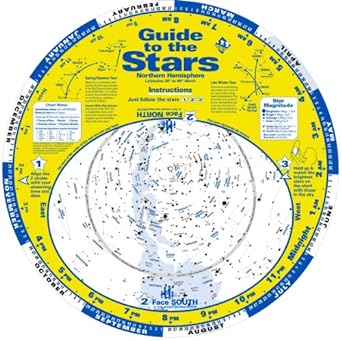
Locate your star locations with the star chart

The Milky Way

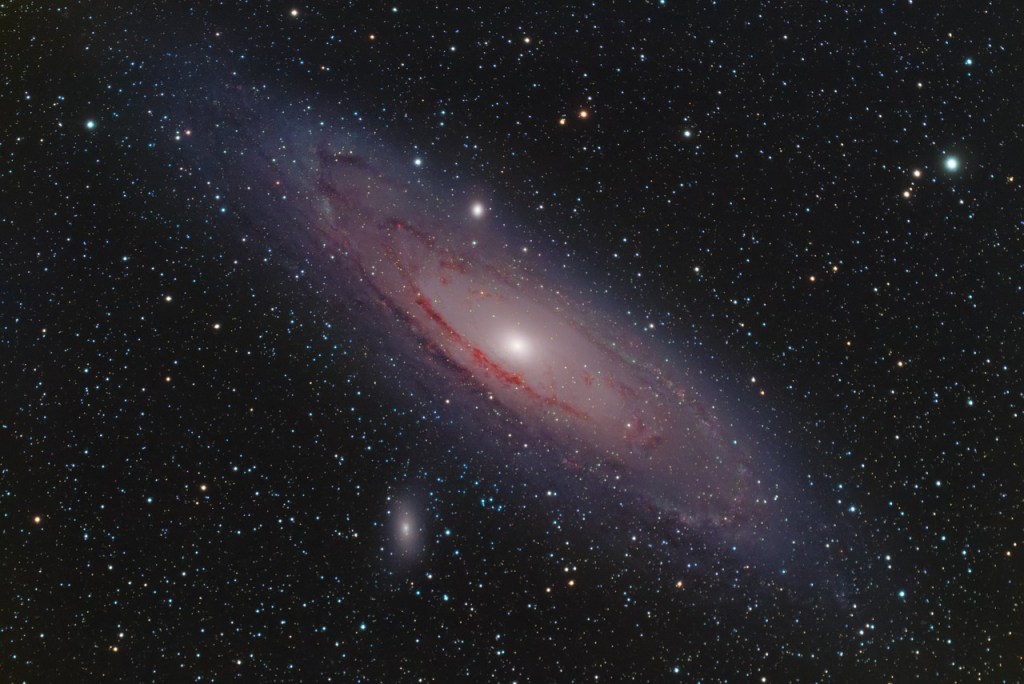
July provides an excellent opportunity to view our home galaxy, the Milky Way. On a clear, moonless night in a dark location, look for a faint, cloudy band stretching across the sky from the southern to the northern horizon. This is the combined light of billions of stars in our galaxy’s disk. Viewing the Milky Way can be a truly awe-inspiring experience for stargazers of all ages.

Constellations to Spot

July’s night sky features several prominent constellations:

  1. Scorpius (the Scorpion): Look for this distinctive constellation low in the southern sky. Its bright red star, Antares, marks the scorpion’s heart.
  2. Sagittarius (the Archer): Just east of Scorpius, Sagittarius is often visualized as a teapot. The center of our galaxy lies in this direction.
  3. Cygnus (the Swan): Also known as the Northern Cross, this constellation flies high overhead, with its bright star Deneb marking the tail.
  4. Ursa Major (the Great Bear): This large constellation, which contains the Big Dipper, is visible year-round in the northern sky.

Meteor Showers

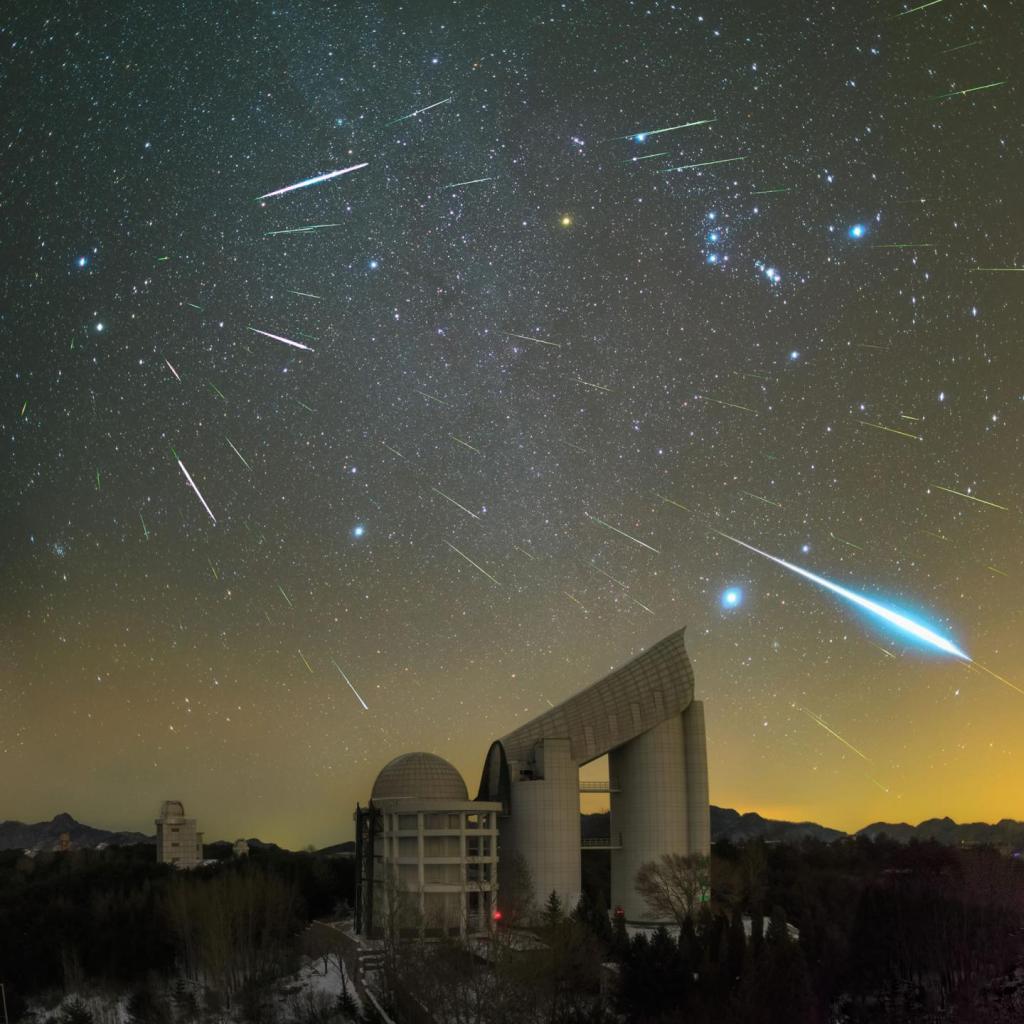
While July isn’t known for major meteor showers, patient observers might spot a few “shooting stars” on any given night. The Delta Aquariids meteor shower begins in mid-July and peaks at the end of the month, offering a chance to wish upon a star!

Fun Activities for Family Stargazing

  1. Constellation Story Time: Many constellations have fascinating myths associated with them. Research these stories beforehand and share them as you identify the constellations in the sky.
  2. Star Hop Challenge: Use bright stars or constellations as starting points to “hop” to other celestial objects. For example, use the Big Dipper to find Polaris, the North Star.
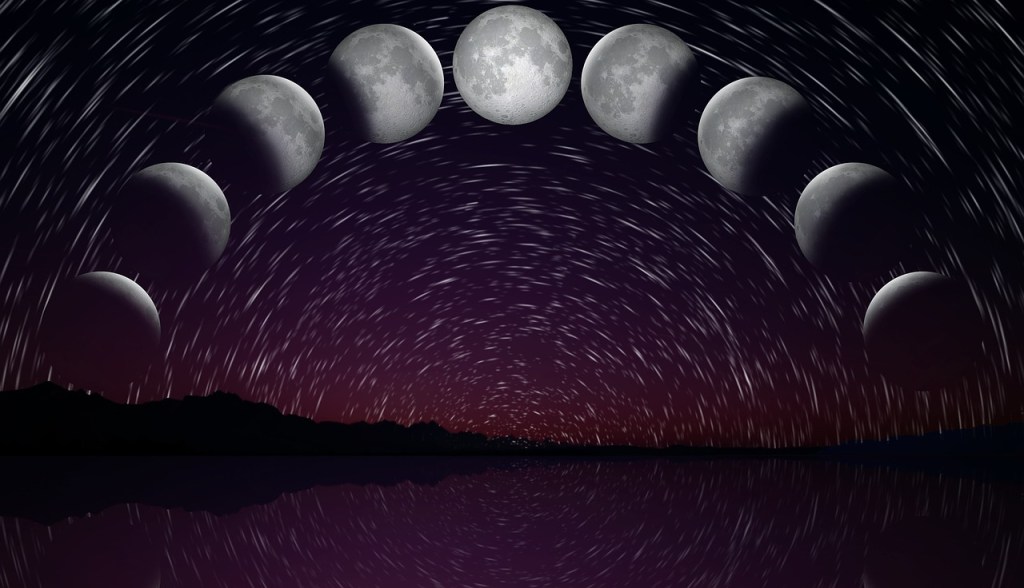
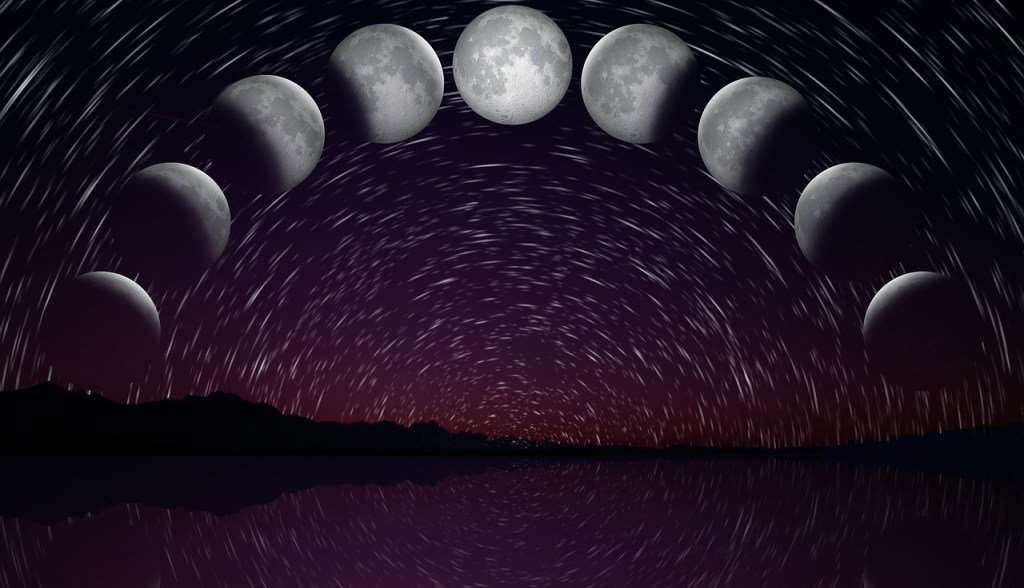
  3. Moon Observation: If the Moon is visible, observe its phases and prominent features like craters and “seas” (large, dark plains).
  4. Satellite Spotting: Try to spot artificial satellites moving across the sky. The International Space Station is particularly bright and can be seen at specific times.
  5. Astrophotography: With today’s smartphone cameras, it’s possible to capture basic images of the Moon and bright planets. This can be a fun way to document your stargazing adventures.

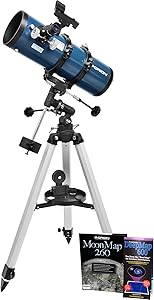
Find the BEST Equipment HERE

Remember, patience is key when stargazing. Take your time, let your eyes adjust, and don’t rush from object to object. The joy of stargazing often comes from the peaceful contemplation of the cosmos and the shared experience with loved ones.

Exploring the July night sky as a family can be an enriching and bonding experience. It offers a unique opportunity to learn about the universe, spark curiosity, and create lasting memories. So this July, take advantage of the warm nights, head outdoors, look up, and embark on your own cosmic adventure. The wonders of the universe await!

Citations:
[1] https://www.theguardian.com/science/2017/may/28/the-june-night-sky
[2] https://www.planetary.org/night-sky/night-sky-what-to-see-this-month
[3] https://en.wikipedia.org/wiki/Jupiter
[4] https://www.space.com/16452-jupiters-moons.html
[5] https://www.britannica.com/place/Jupiter-planet

Which Constellations are visible in the June Night Sky

According to the search results, some of the prominent constellations visible in the June night sky include:

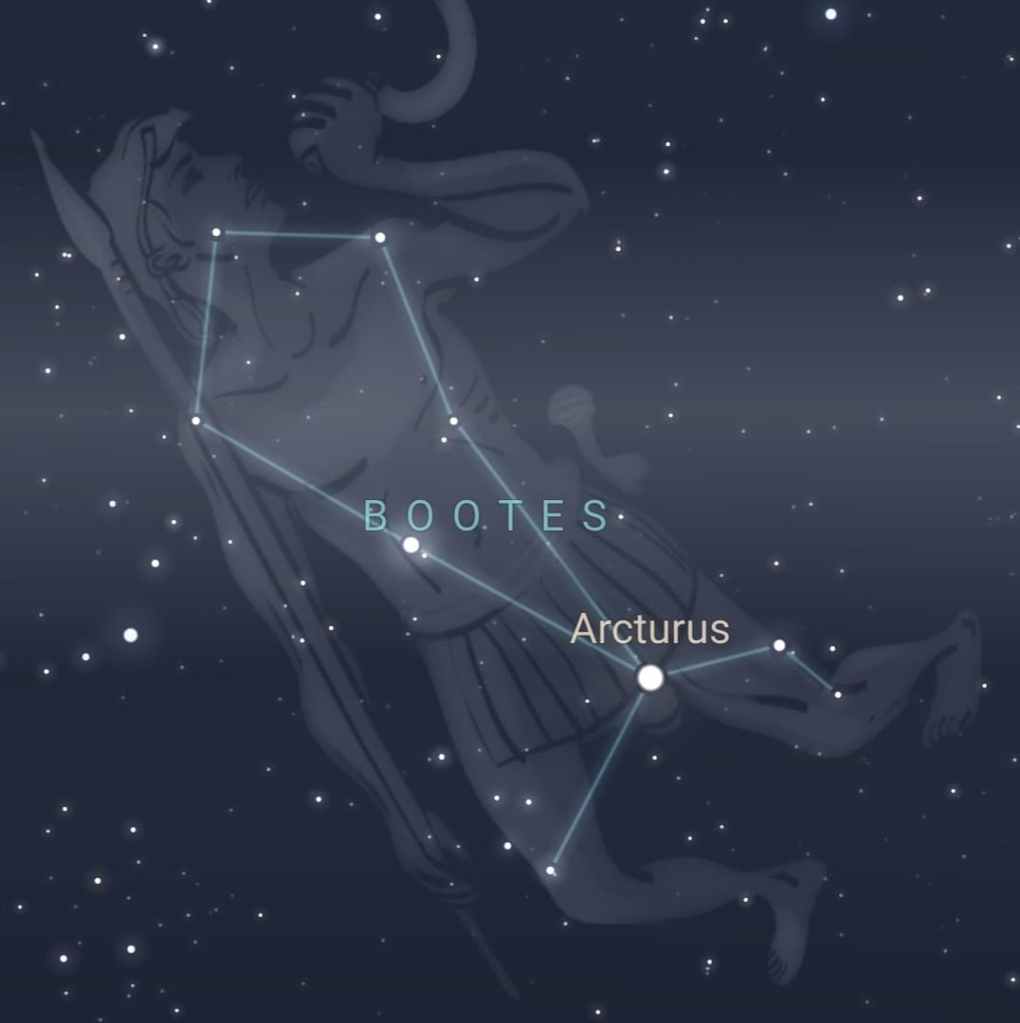
  1. Boötes (the Herdsman)[1][2] – This constellation is almost overhead on June evenings, containing the bright orange star Arcturus. It has a distinct kite-like shape.
  2. Ursa Major (the Great Bear)[2] – Home to the famous asterism the Big Dipper, Ursa Major is high overhead from mid-northern latitudes in June evenings. The Big Dipper can be used to locate Polaris, the North Star.
  3. Hercules (the Hero)[2] – A faint constellation, but its midsection contains the recognizable Keystone asterism. Hercules is located between the bright stars Vega and Arcturus, and contains the Hercules Cluster (M13).
  4. Libra and Lupus[1] – These two constellations lie in the southern part of the June night sky.
  5. Ursa Minor (the Little Bear)[4] – This constellation contains Polaris, the North Star, and appears as a smaller version of the Big Dipper standing on its end.
  6. Lyra (the Harp)[2] – Contains the bright star Vega, one of the three stars forming the prominent Summer Triangle asterism along with Altair and Deneb.
  7. Cygnus (the Swan)[5] – This constellation is home to the bright star Deneb, part of the Summer Triangle. The Veil Nebula, a supernova remnant, can also be found in Cygnus.
  8. Scorpius (the Scorpion)[3] – Contains the bright reddish star Antares. The waxing gibbous Moon passes near Antares on June 19th.

So in summary, the prominent June constellations are concentrated in the northern sky, including Boötes, Ursa Major/Minor, Hercules, Lyra, and Cygnus, along with some southern constellations like Libra, Lupus, and Scorpius.

For Constellation Maps and Star Charts shop HERE

Citations:
[1] https://www.constellation-guide.com/constellations-by-month/june-constellations/
[2] https://earthsky.org/astronomy-essentials/visible-planets-tonight-mars-jupiter-venus-saturn-mercury/
[3] https://www.rmg.co.uk/stories/blog/astronomy/night-sky-highlights-june-2023
[4] https://www.almanac.com/night-sky-map-june-see-stars-move
[5] https://www.space.com/16149-night-sky.html

Exploring the June Night Sky: A Celestial Delight for Stargazers

Exploring the June Night Sky: A Celestial Delight for Stargazers

As the warm embrace of summer approaches, the night sky in June offers a captivating spectacle for stargazers of all levels. With its longer days and shorter nights, this month presents a unique opportunity to witness the celestial wonders that grace our cosmic neighborhood. From the majestic planets to the shimmering stars and constellations, the June night sky is a treasure trove waiting to be explored. In this article, we’ll delve into the celestial highlights that adorn the heavens during this enchanting time of year.

The Planetary Parade

One of the most striking features of the June night sky is the presence of several planets, creating a celestial parade that spans the eastern horizon. As the month begins, the planets Saturn and Mars are the early risers, gracing the pre-dawn sky with their distinct hues[4][5]. Saturn, with its iconic rings, shines as a yellowish point of light, while Mars displays its characteristic reddish glow[5].

As the month progresses, the celestial lineup expands with the addition of Jupiter, the largest planet in our solar system[4][5]. This brilliant world emerges from behind the Sun’s glare, joining the planetary procession in the eastern sky[5]. By the end of June, stargazers can witness the remarkable sight of Saturn, Mars, and Jupiter aligned in the morning twilight, offering a breathtaking celestial display[4][5].

The Moon’s Celestial Dance

The Moon, our closest celestial companion, plays a pivotal role in the June night sky, serving as a guide to explore the wonders that surround it. On June 2nd and 3rd, the crescent Moon will be found in close proximity to Mars, providing a stunning visual contrast[5]. Later in the month, on June 27th, the Moon will appear remarkably close to Saturn, offering a celestial pairing that can be appreciated even with the naked eye or a pair of binoculars[5].

The full moon, known as the “Strawberry Moon,” graces the night sky on June 21st, coinciding with the summer solstice[1]. This celestial event marks the longest day of the year in the Northern Hemisphere, offering stargazers a unique opportunity to witness the Moon’s brilliance against the backdrop of a shorter night[1].

Constellations and Star Clusters

While the planets and the Moon steal the spotlight, the June night sky is also adorned with a tapestry of constellations and star clusters that beckon to be explored. The iconic Big Dipper, part of the larger constellation Ursa Major (the Great Bear), hangs high in the northern sky, serving as a celestial signpost for navigating the heavens[1].

As the night progresses, the Summer Triangle, formed by the bright stars Vega, Altair, and Deneb, rises in the eastern sky, offering a striking celestial landmark[3]. Within this region, stargazers can also glimpse the ethereal beauty of the Milky Way, our home galaxy, stretching across the night sky like a celestial river[3].

For those with binoculars or a small telescope, the June night sky presents an opportunity to explore the wonders of star clusters. The Beehive Cluster (M44) in the constellation Cancer and the Hercules Cluster (M13) in the constellation Hercules are two notable targets that showcase the breathtaking beauty of these celestial gatherings[4].

For books and maps on the Night Sky look HERE

Celestial Phenomena and Observing Tips

Beyond the celestial objects that adorn the June night sky, stargazers may also have the chance to witness unique celestial phenomena. Noctilucent clouds, delicate wisps of ice crystals that reflect sunlight at high altitudes, can sometimes be observed in the northern latitudes during the summer months[3]. These ethereal clouds paint the night sky with a silvery-blue hue, offering a mesmerizing sight for those willing to stay up late or rise early.

To fully appreciate the wonders of the June night sky, it’s essential to find a location away from light pollution, where the celestial objects can be observed in their full glory. Dark sky sites or rural areas with minimal artificial light are ideal for stargazing. Additionally, stargazers should allow their eyes to adjust to the darkness, which can take up to 30 minutes, to fully appreciate the faint details of the night sky[2].

For those seeking guidance and resources, astronomy clubs, planetariums, and online platforms offer a wealth of information, including star charts, observing tips, and educational materials. Books such as “NightWatch” by Terence Dickinson and “The Backyard Astronomer’s Guide” by Alan Dyer provide invaluable insights and practical advice for exploring the night sky[4].

The June night sky is a celestial treasure trove, offering stargazers of all levels an opportunity to witness the grandeur of our cosmic neighborhood. From the planetary parade to the celestial dance of the Moon, and the tapestry of constellations and star clusters, this month presents a unique window into the wonders of the universe. So, grab your binoculars, find a dark spot, and immerse yourself in the celestial splendor that the June night sky has to offer.

To learn more about the Night Sky Shop HERE

Citations:
[1] https://www.washingtonpost.com/weather/2023/06/01/june-night-sky-strawberry-moon/
[2] https://www.nature.com/articles/143892a0
[3] https://www.theguardian.com/science/2017/may/28/the-june-night-sky
[4] https://www.planetary.org/night-sky/night-sky-what-to-see-this-month
[5] https://science.nasa.gov/solar-system/skywatching/whats-up-june-2024-skywatching-tips-from-nasa/

Exploring the Celestial Wonders of the May Night Sky

As the spring season blossoms and the days grow longer, the May night sky offers a spectacular showcase of celestial wonders for stargazers of all ages. From dazzling planets to mesmerizing meteor showers, May’s cosmic display is sure to inspire awe and wonder in both novice and experienced observers alike. In this guide, we’ll embark on an astronomical journey through the May night sky, highlighting some of the most captivating sights and celestial events visible to the naked eye and with the aid of binoculars or a small telescope.

The Majestic Constellations of Spring

One of the most prominent features of the May night sky is the array of majestic constellations that grace the heavens. As the Earth continues its journey around the Sun, we are treated to a new cast of celestial characters that take center stage in the evening hours.

Ursa Major and the Big Dipper

High in the northern sky, the familiar asterism known as the Big Dipper, part of the larger constellation Ursa Major (the Great Bear), is a reliable signpost for stargazers. Its distinctive shape, with a bowl and handle, is easily recognizable and can serve as a starting point for exploring other nearby constellations. [1][4]

Virgo and the Springtime Galaxies

To the southeast, the constellation Virgo is home to a wealth of deep-sky objects, including numerous galaxies. With the aid of binoculars or a small telescope, you can spot the Sombrero Galaxy (M104), a striking spiral galaxy known for its prominent dust lane and central bulge. [1][2]

Boötes and Arcturus

Another prominent spring constellation is Boötes, the Herdsman, which features the brilliant orange-red star Arcturus. Arcturus is the fourth-brightest star in the night sky and can be easily found by following the arc of the Big Dipper’s handle. [1][4]

Night Sky Charts and Maps HERE

The Planetary Parade

As the month of May progresses, stargazers are treated to a celestial parade of planets gracing the evening sky. From the dazzling brilliance of Venus to the distant majesty of Saturn, each planet offers a unique perspective on our solar system.

Venus and the Crescent Moon

Early in the month, look for the brilliant planet Venus low in the western sky shortly after sunset. On May 11th, Venus will form a striking pair with a slender crescent Moon, creating a breathtaking celestial sight. [1]

Jupiter and Saturn

As the night progresses, turn your gaze to the southeast to spot the gas giants Jupiter and Saturn. Jupiter, the larger of the two, is easily recognizable by its bright, steady glow. With a small telescope, you can even glimpse some of Jupiter’s moons and the planet’s famous Great Red Spot. [1][2]

Saturn, known for its stunning ring system, appears slightly fainter than Jupiter but is still a captivating sight through a telescope. Look for its distinctive golden hue and the rings, which are currently tilted at a favorable angle for observation. [1][2]

Meteor Showers and Lunar Eclipses

In addition to the dazzling planets and constellations, May also offers a few celestial events that are sure to delight stargazers of all ages.

The Eta Aquariids Meteor Shower

One of the highlights of the May night sky is the Eta Aquariids meteor shower, which peaks on the night of May 5th and early morning of May 6th. This shower, originating from the debris of Halley’s Comet, can produce up to 30 meteors per hour under ideal conditions. [1][3]

To catch a glimpse of these shooting stars, find a dark location away from city lights, lie back, and gaze at the sky. Be patient and let your eyes adjust to the darkness – you may be rewarded with a dazzling display of celestial fireworks. [3]

A Total Lunar Eclipse

On May 26th, stargazers in parts of the world will be treated to a total lunar eclipse. During this event, the Moon passes through the Earth’s shadow, causing it to appear red or coppery in color. This phenomenon is sometimes referred to as a “Blood Moon.” [3]

The eclipse will be visible from most of the Americas, Europe, Africa, and parts of Asia. Check online resources or consult with local astronomy clubs to find out if the eclipse will be visible from your location and what time it will occur. [3]

Observing Tips and Resources

While many celestial objects are visible to the naked eye, binoculars or a small telescope can greatly enhance your views and allow you to see more detail. Consider investing in a pair of binoculars or a beginner-friendly telescope to enhance your stargazing experience. [1][4]

When planning your stargazing sessions, keep an eye on the weather forecast and aim for clear, moonless nights. The New Moon phase, when the Moon is not visible in the sky, is an ideal time for observing faint deep-sky objects. [3]

To learn more about the night sky and stay up-to-date with the latest celestial events, consider joining a local astronomy club or attending public stargazing events in your area. Many clubs offer beginner-friendly workshops, star parties, and telescope-viewing sessions that can help you get started on your cosmic journey. [4]

Help Observing the Night Sky

Conclusion: Embrace the Magic of the May Night Sky

As May unfolds its celestial wonders, take the time to explore the night sky and marvel at the beauty of the cosmos. Whether you’re admiring the brilliance of Venus, spotting planets in the evening sky, or counting shooting stars during the Eta Aquariids meteor shower, each celestial sight offers a unique opportunity for discovery and wonder. [1]

So gather your loved ones, step outside, and let the magic of the May night sky ignite your imagination and inspire your cosmic journey. Happy stargazing!

Citations:
[1] https://stanshobbiesandinterests.com/2024/04/03/exploring-the-april-night-sky-a-beginners-guide-to-celestial-wonders/
[2] https://stanshobbiesandinterests.com/2024/04/10/the-different-types-of-celestial-bodies-that-are-our-neighbors-in-space/
[3] https://darksky.org/news/planning-your-next-trip-to-the-dark-side/
[4] https://www.skyatnightmagazine.com/advice/astronomy-for-beginners
[5] https://www.kashiwaya.org/e/magazine/shimaonsen/starry-night-sky.html

 May’s Celestial Highlights: A Stargazer’s Guide

Some of the most interesting celestial events in the May night sky include:

The Eta Aquariids Meteor Shower

The Eta Aquariids meteor shower, originating from the debris of Halley’s Comet, peaks on the night of May 5th and early morning of May 6th. Under ideal conditions, this shower can produce up to 30 meteors per hour in the Northern Hemisphere. [1][3]

A Total Lunar Eclipse

On May 26th, stargazers in parts of the world will be treated to a total lunar eclipse. During this event, the Moon passes through the Earth’s shadow, causing it to appear red or coppery in color. The eclipse will be visible from most of the Americas, Europe, Africa, and parts of Asia. [1][3]

The Planetary Parade

As the month of May progresses, stargazers can enjoy a celestial parade of planets gracing the evening sky. Look for the brilliant planet Venus low in the western sky shortly after sunset, and later in the night, spot the gas giants Jupiter and Saturn in the southeast. [1]

The Majestic Constellations of Spring

The May night sky features the majestic constellations of spring, including Ursa Major (the Great Bear) with its famous asterism, the Big Dipper, and Virgo, which is home to numerous galaxies that can be spotted with binoculars or a small telescope. [1]

So mark your calendars and prepare to be enchanted by the celestial wonders of the May night sky!

Citations:
[1] https://stanshobbiesandinterests.com/2024/04/03/exploring-the-april-night-sky-a-beginners-guide-to-celestial-wonders/
[2] https://stanshobbiesandinterests.com/2024/04/10/the-different-types-of-celestial-bodies-that-are-our-neighbors-in-space/
[3] http://www.seasky.org/astronomy/astronomy-calendar-2025.html
[4] https://cw33.com/news/5-of-the-rarest-astronomical-events-and-when-youll-next-see-them/
[5] https://www.smithsonianmag.com/science-nature/nine-dazzling-celestial-events-to-watch-in-2024-180983505/

The Different Types of Celestial Bodies that are our Neighbors in Space

As we gaze up at the night sky, we are surrounded by a vast array of celestial bodies that make up our cosmic neighborhood. From the planets that grace our solar system to the distant galaxies that populate the universe, each of these celestial wonders offers a unique glimpse into the grandeur and mysteries of the cosmos. In this article, we’ll embark on a journey to explore the different types of celestial bodies that are our neighbors in space.

Planets and Dwarf Planets

Our celestial neighborhood begins with the planets that orbit our Sun, each with its unique characteristics and allure. These celestial bodies have been the subject of human fascination and exploration for millennia, and they continue to reveal new secrets with every passing year.

  1. The Major Planets: Our solar system is home to eight major planets, including the inner terrestrial planets (Mercury, Venus, Earth, and Mars) and the outer gas giants (Jupiter, Saturn, Uranus, and Neptune). Each of these planets has its own distinct features, from the scorching surface of Venus to the iconic rings of Saturn[2].
  2. Dwarf Planets: In addition to the major planets, our solar system also harbors a category of celestial bodies known as dwarf planets. These objects, including Pluto, Eris, Haumea, and Makemake, are massive enough to be rounded by their own gravity but have not cleared the neighborhood around their orbits[1][2].

Moons and Asteroids

Beyond the planets and dwarf planets, our cosmic backyard is home to a diverse array of smaller celestial bodies that play a crucial role in our understanding of the solar system.

  1. Moons: Many of the planets in our solar system are accompanied by moons, ranging from Earth’s solitary Moon to the numerous moons that orbit the gas giants. These natural satellites offer a glimpse into the formation and evolution of our solar system, with some even harboring potential for future exploration[2].
  2. Asteroids: Scattered throughout the solar system, asteroids are rocky objects that orbit the Sun, primarily concentrated in the asteroid belt between Mars and Jupiter. These celestial remnants from the early days of our solar system provide valuable insights into the processes that shaped our cosmic neighborhood[2].

Comets and Meteors

While planets, moons, and asteroids are the more familiar celestial bodies, our cosmic neighborhood is also home to transient visitors that captivate stargazers with their fleeting beauty.

  1. Comets: These icy bodies travel in highly elliptical orbits, often bringing them close to the Sun and developing stunning tails of gas and dust. Comets are remnants from the formation of our solar system and offer a glimpse into the primordial materials that gave birth to the planets[2].
  2. Meteors: When small particles of dust and debris from asteroids or comets enter Earth’s atmosphere, they burn up, creating the streaks of light we know as meteors or shooting stars. These celestial fireworks are a reminder of the constant interplay between celestial bodies in our cosmic neighborhood[3].

For more information on the Neighbors in Space or Astronomy check HERE

Stars and Star Systems

While our solar system is home to a single star, the Sun, our cosmic neighborhood extends far beyond our local celestial family. The universe is teeming with countless stars, each one a blazing furnace of nuclear fusion.

  1. Stars: From the brilliant stars that adorn our own Milky Way galaxy to the distant suns that reside in other galaxies, stars offer a glimpse into the life cycles of these celestial powerhouses and the processes that shape the cosmos[1].
  2. Star Systems: Many stars are accompanied by their own planetary systems, with some even harboring planets that could potentially support life. These exoplanets, or planets orbiting stars other than our Sun, have opened up new frontiers in the search for habitable worlds beyond our solar system[1][3].

Star Clusters and Nebulae

As we venture further into our cosmic neighborhood, we encounter stunning collections of stars and the celestial nurseries where new stars are born.

  1. Star Clusters: Scattered throughout the universe are breathtaking collections of stars known as star clusters. These celestial jewels come in two varieties: open clusters, which are loosely bound groups of young stars, and globular clusters, which are tightly packed spherical collections of ancient stars[1][3].
  2. Nebulae: These vast clouds of gas and dust are the birthplaces of stars, where new suns are formed from the cosmic raw materials. From the iconic Orion Nebula to the ethereal Crab Nebula, these celestial wonders offer a glimpse into the processes that shape the universe[1][3].

Galaxies and Beyond

Extending our cosmic neighborhood to its grandest scale, we encounter the vast collections of stars, gas, and dust that make up galaxies, and even the mysterious forces that govern the universe itself.

  1. Galaxies: Beyond our own Milky Way, the universe is teeming with countless galaxies, each one a vast collection of stars, gas, and dust. From the majestic spiral galaxies to the enigmatic elliptical and irregular galaxies, these celestial cities offer a glimpse into the large-scale structure of the cosmos and the mysteries that lie beyond our own galactic home[1][3].
  2. Dark Matter and Dark Energy: Our cosmic neighborhood is also home to a variety of fascinating phenomena, such as dark matter, the invisible substance that holds galaxies together, and dark energy, the mysterious force that is driving the accelerated expansion of the universe. These enigmatic entities challenge our understanding of the cosmos and push the boundaries of scientific exploration[1][3].

To get information on Astronomy Binoculars and Telescopes check HERE

As we explore the different types of celestial bodies that are our neighbors in space, we are reminded of the vastness and complexity of the cosmos. From the familiar planets that grace our night sky to the distant galaxies that populate the universe, each celestial wonder offers a unique perspective on the grandeur and mysteries of the cosmos.

For those seeking to delve deeper into the wonders of our cosmic neighborhood, a wealth of resources is available. Astronomy clubs, planetariums, and online resources offer opportunities to learn from experts, attend stargazing events, and engage with like-minded enthusiasts. Additionally, books such as “The Backyard Astronomer’s Guide” by Terence Dickinson and Alan Dyer provide invaluable insights and guidance for exploring the night sky and understanding our celestial neighbors.

Ultimately, our journey through the cosmos is a testament to the human spirit of exploration and curiosity. As we continue to unravel the secrets of our neighbors in space, we are reminded of the profound connections that bind us to the universe and the endless wonders that await our discovery.

Citations:
[1] https://exoplanets.nasa.gov/resources/2331/astronomical-objects-through-the-history-of-the-universe/
[2] https://science.nasa.gov/solar-system/planets/what-is-a-planet/
[3] https://www.astronomy.com/science/dark-energy-survey-finds-more-celestial-neighbors/
[4] https://spacemesmerise.com/en-us/blogs/planets/venus-vs-earths-moon-a-comparative-study-of-our-planetary-neighbors
[5] https://science.howstuffworks.com/milky-way.htm

BINOCULARS the underrated Tool for Backyard Astronomy

Why binoculars are the underrated tool for backyard astronomy,

Have you ever gazed up at the night sky, mesmerized by the twinkling stars and sparkling constellations? If so, you may be considering investing in a telescope for backyard astronomy. But have you considered the power of binoculars? These often-overlooked tools can be just as effective, if not more so, than larger telescopes. In this article, we’ll explore why binoculars deserve more credit in the world of amateur astronomy and share tips for using them to get the most out of your stargazing experience. So whether you’re a seasoned pro or a beginner in the world of stargazing, grab a pair of binoculars along with your star maps and observing charts, and let’s explore the night sky together.,

Binoculars vs telescopes: a comparison

While binoculars are often overlooked in the world of amateur astronomy, they can provide a unique observing experience compared to telescopes. Let’s take a closer look at some of the differences between binoculars and telescopes.

One advantage of binoculars is their portability. They are smaller and lighter than telescopes, making them easier to transport and set up in different locations. Additionally, binoculars provide a wider field of view than telescopes, allowing you to observe larger sections of the night sky at once.

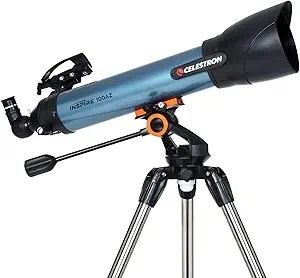
On the other hand, telescopes offer greater magnification than binoculars, allowing you to see finer details of celestial objects. They are also better suited for observing planets and deep-sky objects like galaxies and nebulae.

Ultimately, choosing between binoculars and telescopes depends on personal preference and observing goals. While telescopes may be better for specific types of celestial objects, binoculars offer a different perspective and can be more versatile for general stargazing.

So, whether you choose binoculars, a telescope or both, remember that the most important thing is to enjoy the wonders of the night sky and keep exploring.,

Moon Gazing

For many of us, our very first experience of learning about the celestial bodies begins when we saw our first full moon in the sky. It is truly a magnificent view even to the naked eye. If the night is clear, you can see amazing detail of the lunar surface just star gazing on in your back yard.

Naturally, as you grow in your love of astronomy, you will find many celestial bodies fascinating. But the moon may always be our first love because is the one far away space object that has the unique distinction of flying close to the earth and upon which man has walked.

Your study of the moon, like anything else, can go from the simple to the very complex. To gaze at the moon with the naked eye, making yourself familiar with the lunar map will help you pick out the seas, craters and other geographic phenomenon that others have already mapped to make your study more enjoyable. Moon maps can be had from any astronomy shop or online and they are well worth the investment.

The best time to view the moon, obviously, is at night when there are few clouds and the weather is accommodating for a long and lasting study. The first quarter yields the greatest detail of study. And don’t be fooled but the blotting out of part of the moon when it is not in full moon stage. The phenomenon known as “earthshine” gives you the ability to see the darkened part of the moon with some detail as well, even if the moon is only at quarter or half display.

To kick it up a notch, a good pair of binoculars can do wonders for the detail you will see on the lunar surface. For best results, get a good wide field in the binocular settings so you can take in the lunar landscape in all its beauty. And because it is almost impossible to hold the binoculars still for the length of time you will want to gaze at this magnificent body in space, you may want to add to your equipment arsenal a good tripod that you can affix the binoculars to so you can study the moon in comfort and with a stable viewing platform.

Binoculars for Astronomy

Of course, to take your moon worship to the ultimate, stepping your equipment up to a good starter telescope will give you the most stunning detail of the lunar surface. With each of these upgrades your knowledge and the depth and scope of what you will be able to see will improve geometrically. For many amateur astronomers, we sometimes cannot get enough of what we can see on this our closest space object.

To take it to a natural next level, you may want to take advantage of partnerships with other astronomers or by visiting one of the truly great telescopes that have been set up by professionals who have invested in better techniques for eliminating atmospheric interference to see the moon even better. The internet can give you access to the Hubble and many of the huge telescopes that are pointed at the moon all the time. Further, many astronomy clubs are working on ways to combine multiple telescopes, carefully synchronized with computers for the best view of the lunar landscape.

Becoming part of the society of devoted amateur astronomers will give you access to these organized efforts to reach new levels in our ability to study the Earth’s moon. And it will give you peers and friends who share your passion for astronomy and who can share their experience and areas of expertise as you seek to find where you might look next in the huge night sky, at the moon and beyond it in your quest for knowledge about the seemingly endless universe above us.

The Wow Hobby

Some people sometimes view hobbies as sometimes silly or frivolous pastimes. And it’s true some hobbies are like that. But it is healthy to have a hobby because it diversifies our interests and keeps us active and fun to be with. But many hobbies are for the few that really get into that area of study. Stamp collecting or rock climbing are valid hobbies. But to be sure, these are not hobbies that just anybody will get into.

Astronomy, by contract, that you could say everybody gets into at some point or another. It is safe to say that everybody at some point has looked up at a magnificent night sky and said “WOW.” At that moment, even if was only for that moment, that person became an amateur astronomy hobbyist. They had that “Wow” moment in what can only be described as the “WOW” hobby.

That common experience is what makes astronomy one of the most exciting and popular hobbies of them all. Any hobby has to have a few “wow” moments. Whether it’s hitting that strike in bowling or finding that perfect stamp, there has to be a moment when the bell rings. Well astronomy has many “wow” moments that occur virtually any clear night in the stars. From the coming of an asteroid shower to just figuring out another constellation, there is so much to do and play with in astronomy that you can be a hobbyist your whole life and never get bored.

THIS LINK WILL TAKE YOU TO THE WEBB TELESCOPE LAUNCH MEDIA KIT

WEBB TELESCOPE PICTURES

Besides the excitement of astronomy, another reason it makes a great hobby is that it is easy and cheap to get started. Unlike skiing for example, to just start enjoying astronomy, all you need is the night sky. But there is no end to the levels of complexity and sophistication you can get to as you move along in astronomy as well. So like any good hobby, astronomy is endlessly fascinating and tremendously addictive because there is always more you want to learn and more you can do to make your knowledge and experiences more interesting and fun.

A great side benefit of how many people are into astronomy is that it is a tremendously social hobby as well. This is unusual for a hobby that is associated with a science, that is executed by staring up in the sky by yourself and that is not competitive. But in any town or city, there are at least a few and probably dozens of astronomy clubs and associations that meet regularly to discuss astronomy.

This is the perfect way to introduce a new recruit to the hobby of astronomy. These clubs thrive on sharing their love of astronomy with new members, kids and those just learning how to explore the stars. Most astronomy clubs schedule regular “safaris” to go out away from the lights of the city and get a good night of sky watching done. Going on such an outing with a big group of enthusiasts is the type of experience that will take a passive interest into astronomy and change it into a healthy obsession.

This side-by-side comparison shows observations of the Southern Ring Nebula in near-infrared light, at left, and mid-infrared light, at right, from NASA’s Webb Telescope. This scene was created by a white dwarf star – the remains of a star like our Sun after it shed its outer layers and stopped burning fuel though nuclear fusion. Those outer layers now form the ejected shells all along this view. In the Near-Infrared Camera (NIRCam) image, the white dwarf appears to the lower left of the bright, central star, partially hidden by a diffraction spike. The same star appears – but brighter, larger, and redder – in the Mid-Infrared Instrument (MIRI) image. This white dwarf star is cloaked in thick layers of dust, which make it appear larger. The brighter star in both images hasn’t yet shed its layers. It closely orbits the dimmer white dwarf, helping to distribute what it’s ejected. Over thousands of years and before it became a white dwarf, the star periodically ejected mass – the visible shells of material. As if on repeat, it contracted, heated up – and then, unable to push out more material, pulsated. Stellar material was sent in all directions – like a rotating sprinkler – and provided the ingredients for this asymmetrical landscape. Today, the white dwarf is heating up the gas in the inner regions – which appear blue at left and red at right. Both stars are lighting up the outer regions, shown in orange and blue, respectively. The images look very different because NIRCam and MIRI collect different wavelengths of light. NIRCam observes near-infrared light, which is closer to the visible wavelengths our eyes detect. MIRI goes farther into the infrared, picking up mid-infrared wavelengths. The second star more clearly appears in the MIRI image, because this instrument can see the gleaming dust around it, bringing it more clearly into view. The stars – and their layers of light – steal more attention in the NIRCam image, while dust pl

THIS LINK WILL TAKE YOU TO THE Webb Telescope Launch Media Kit

WEBB TELESCOPE PICTURES

By going out with a group, you can rub elbows with people who know the night sky, can help you learn how to spot the great constellations and how to train your eyes to see the really cool stuff going on over our heads virtually every night. Astronomy is a passion that is shared equally by everyone from children, to college students to serious scholars in the field to even professional astronomers who work at exploring the universe full time. On any given night, you or your child may be sitting next to an award winning professional astronomer who will happily provide a private lesson looking up at the cosmos just for the sheer fun of shared learning.

The great thing is that everything we have talked about here costs virtually nothing. You can get started with your love of astronomy and learn as you go so when you are ready to make some investment in equipment, you have learned from others what is just the right thing for you. Sure, eventually you will want some astronomy magazine subscriptions, a star map or two and binoculars or a telescope. But those things come as your love of the hobby matures. Meanwhile, get out there, meet others who share your excitement about star gazing and get to know a hobby that never stops making you say “WOW”.

Astronomy Binoculars A Great Alternative

It seems from the moment you begin to take your love of astronomy seriously, the thing that is on your mind is what kind of telescope will you get. And there is no question, investing in a good telescope can really enhance your enjoyment of your new passion in astronomy. But don’t be too hasty to keep up with the big wigs in the astronomy clubs that have advanced telescopes. There is another alternative that can give you most of the advantages of a telescope and some extra flexibility and reduced cost to boot.

That alternative is a good pair of astronomy binoculars. Mostly we think of binoculars as the thing you use to see the football game when you have to sit in the cheap seats. But if you do some homework and had a good grasp on what your stargazing objectives are, the advantages of astronomy binoculars over an entry level telescope can be pretty convincing.

Stephen James O’Meara’s Observing the Night Sky with Binoculars: A Simple Guide to the Heavens 

* As a rule, they are cheaper. So you can get a lot of good stargazing at much less of an investment. You can always spend more money later but for now, this may be just the solution for you.

* There are not so many accessories. To own and operate a telescope takes a lot of orientation to how to set up and use the device. Beyond that, tuning it for optimum view and diagnosing it when you have problems can sometimes make the telescope more of the passion than stargazing itself.

* It is much easier to use. If you have not bought a telescope yet, you may have seen telescope owners going through a laborious set up and break down discipline for each use. This is time they are not looking at the stars. The binocular users are happily stargazing as this goes on.

* Binoculars are lightweight and portable. Unless you have the luxury to set up and operate an observatory from your deck, you are probably going to travel to perform your viewings. Binoculars go with you much easier and they are more lightweight to carry to the country and use while you are there than a cumbersome telescope set up kit.

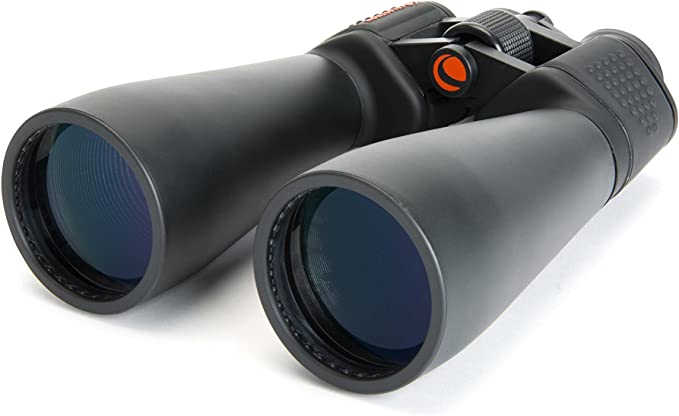
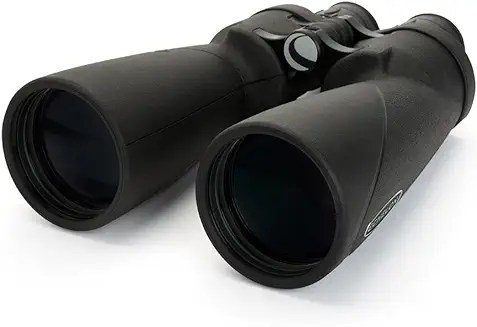
Professional High Powered Binoculars】Binoculars with 20X high power magnification and 50mm objective lens, provides wider field of view at 1000 yards

So give the binocular option some consideration. To make the most effective choice, however, here are a few facts about astronomy binoculars that will help you evaluate which ones are best for you…

Binoculars have two lens sets, one at the end of the eyepiece and a set right next to your eyes. The ones closest to the eye are called the ocular lenses which magnify the image (make it bigger). The ones closest to the sky are called the objective lenses and the size of these lenses will determine how much sky you can see at once. So anytime you are evaluating binoculars, there are two numbers associated with the set. So if the binoculars have a rating of 15-40, that means that the ocular lenses magnify 15 times and the later number is a relative number to how much of the sky you can see. The higher the second number, the more you can see. The explanation is simple. The bigger the lens, the more light it lets in. But be aware that the bigger the second number, the larger, heavier and more cumbersome the binoculars will be.

You will have to balance these two numbers with both your budget and what you want the binoculars to do for you. If you decide to go with a lower power binoculars, you could become frustrated with what you can see and you may have to take your eyes away from the view to get your orientation and consult the star map more often because your range of vision is so limited.

There will also be a temptation to buy a set of binoculars that have zoom functions and other features that will allow you to use it for other purposes such as hunting, whale watching or seeing the football game from the cheap seats. While this is good economy, those functions will get in the way when you are using the binoculars for astronomy. So if you are considering this purchase as your alternative to buying a telescope, our advice is buy binoculars made just for astronomy and don’t take them to the ball game.