Beginner Parent’s Guide: Finding a First Train Set Your Child Will Love for Years


Starting a model railroad with your child is fun, memorable, and educational. But with dozens of starter train sets—from classic brands to value bundles—choosing one can feel daunting. This guide breaks down the major options available on Amazon in 2025, with a focus on beginner-friendly features, expandability, and true family enjoyment.


What Sets Make Good Starters?

A quality starter set should have:

  • Reliable locomotive and cars with smooth operation
  • Solid, easy-to-assemble track for creative layouts
  • Expandable components to grow with your child or family’s interest
  • Durability (can withstand play by young hands)
  • Value (includes everything to get started at a fair price)

Let’s evaluate the most popular brands and kits, comparing pros, cons, and future possibilities. Read more


1. Bachmann HO Scale Starter Sets

Bachmann

Overview

Bachmann Trains are among Amazon’s best-sellers for beginners, particularly sets like the Santa Fe Flyer, Rail Chief, The Stallion, and Durango & Silverton. They’re electric, HO scale (medium size), and include an oval of EZ Track, a locomotive, cars, and a power pack. Read more

Pros

  • Affordable, all-in-one packages—open, assemble, and run immediately
  • EZ Track system snaps together easily and is highly expandable, with widely available extra pieces
  • Durable plastic construction (for careful play)
  • HO scale is large enough for little hands yet compact for most homes
  • Great variety in themes (steam, freight, passenger)
  • Compatible with other Bachmann or standard HO products for future expansion

Cons

  • Some quality concerns: Entry-level locomotives and cars can run less smoothly than premium brands; couplers and wheels may need upgrading for advanced play
  • Track provided makes only a simple loop or oval, which can get boring unless expanded
  • The power pack is basic and may limit future features (like multi-train control)
  • Can require regular cleaning for optimal function
  • Not as robust as higher-priced sets for heavy, unsupervised play

Expandability

Yes! Bachmann’s track and rolling stock are nearly universal in HO, allowing easy upgrades. Add track, switches, buildings, or more detailed cars as your child’s interest grows. Read More


2. Lionel Ready-to-Play and Electric Sets

Lionel Trains

Overview

Lionel offers “Ready-to-Play” battery sets (great for young children) and traditional electric O-gauge sets (for bigger layouts and realistic operation).

Pros

  • Large, chunky trains great for small hands (especially battery sets)
  • Battery sets are safe and easy to set up (no wiring or electricity)
  • Electric O-gauge sets offer realism, sound, and plenty of accessories
  • Durable and made to last through rougher play
  • Wide character themes (Disney, Polar Express, Christmas, etc.)
  • O-gauge electric sets are highly expandable with Lionel track and accessories

Cons

  • Ready-to-Play battery sets are not compatible with Lionel’s O-gauge track or trains (expanding them is tricky)
  • O-gauge electric sets are more expensive and take up more space
  • Battery sets may lack speed control and sound realism

Expandability

Electric O-gauge sets: yes—huge expandability. Battery sets: not really—these are more stand-alone toys. Read more


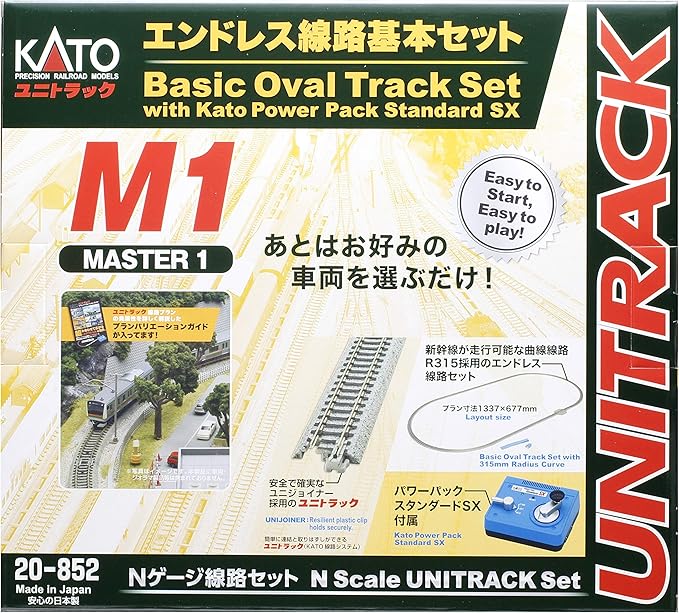
3. Kato N Scale Starter Sets

Kato Trains

Overview

Kato N Scale (smaller than HO) starter kits are praised for quality and modular “unitrack.” Their sets often feature Japanese or modern North American trains.

Pros

  • Excellent quality locomotives and reliable, smooth track
  • Compact layouts: N scale takes less space, ideal for homes with limited room
  • Track is modular and expands easily; Kato “Unitrack” is highly regarded
  • Great for slightly older children (ages 8+) or parent-child projects
  • Durable and precisely made

Cons

  • N scale trains are smaller and can be more delicate for younger kids (age 6 and up with supervision is ideal)
  • Sets can be pricier than typical retail starter packs
  • Beginning rolling stock selection on Amazon may be limited; hobby shops have more

Expandability

Absolutely—Kato Unitrack, additional trains, custom scenery, and digital upgrades available as your layout grows. Read more


4. LGB G Scale Construction Site Starter Set

LGB G scale Trains

Overview

This G-scale (largest common size) set is big, sturdy, and perfect for indoor or outdoor floor play—appropriate for ages 5 and up.

Pros

  • Very large, durable trains (perfect for playrooms, yards, or classrooms)
  • Set includes locomotive, cars, circle of track, and a robust power supply
  • Fully electric—no batteries required!
  • Very expandable with extra track, cars, figures, and scenery, all durable enough for young children
  • Great visual impact and accessible to kids of all agesyoutube​

Cons

  • Takes up more space, so needs a large area for setup
  • G scale accessories and track expansions are more expensive
  • Fewer fine-scale details (made for fun, not museum display)
  • Not as portable for taking to grandma’s house or between rooms

Expandability

Endless—G scale is made for growth but be aware of the cost of brass track and accessories. youtube​


5. Budget & No-Brand Amazon Sets

Starter Train sets

Overview

Cheap, often unbranded sets populate Amazon. They may look appealing for their price and big box contents but proceed with caution. youtube​

Pros

  • Very affordable initial price tag
  • Contain a lot of track, switches, and sometimes extra train cars
  • Often fun for short-term play, especially for small kids

Cons

  • Track and trains often have poor fit, weak construction, and electric contacts that fail quickly
  • Expanding the set is usually impossible due to “off-brand” connections
  • Replacement parts are hard or impossible to find
  • Not investments for years of play

Expandability

Generally, not expandable or compatible with other brands. Good for a fun “trial run” before investing in a higher quality set. youtube​


Quick Comparison Table

Set TypeExpandableDurabilityTrack QualityFor Ages
Bachmann HOYesGoodGood6+ supervised
Lionel Electric (O)YesExcellentExcellent6+
Lionel BatteryNoVery GoodGood3–7
Kato N ScaleYesExcellentOutstanding8+
LGB G ScaleYesExcellentExcellent5+
No-Brand Cheap SetsRarelyWeakPoor4+ short-term

Final Tips for Parents

  • Go Expandable: Sets from Bachmann, Kato, Lionel (electric), or LGB give your family years of imagination and growth.
  • Start Small, Plan Ahead: Even a basic loop is a foundation; expansion is part of the fun as your child’s skills and interests grow.
  • Supervise Young Children: Always keep an eye on kids under age 8, especially with small parts in HO and N scale sets.
  • Connect & Learn: Model railroading offers lessons in history, engineering, patience, and creativity—enjoy the journey together!

By choosing the right set from Amazon, you can ensure your first trips down the rails are fun, frustration-free, and just the start of a lifelong hobby full of memories and learning. Read more​youtube+1​

  1. https://www.reddit.com/r/modeltrains/comments/1ja1q8t/are_the_bachmann_starter_sets_good_for_a_first/
  2. https://www.armballast.com/best-starter-set-for-model-railroading/
  3. https://www.parents.com/best-train-sets-for-kids-8606278
  4. https://www.trainworld.com/which-train-set-is-right-for-me
  5. https://www.youtube.com/watch?v=YudIAQcaes8
  6. https://www.youtube.com/watch?v=nKIUEJkvCDA
  7. https://www.youtube.com/watch?v=d4-vf36BjVU
  8. https://www.tgauge.com/section/20/1/starter-sets
  9. https://www.reddit.com/r/lioneltrains/comments/16tzv46/good_train_sets_under_150_for_christmas_use_or_is/
  10. https://www.youtube.com/watch?v=J11J3hG0vUk

Stargazing Wonders of November 2025: A Family Guide to Planets, Constellations, and Celestial Magic

November 2025 is a holiday gift for skywatchers, offering planetary displays, dazzling meteor showers, a record-bright supermoon, and a host of famous constellations and stars. Whether you’re spending quiet moments in your backyard with family or gathering fellow enthusiasts in a local astronomy club, the month promises magic for stargazers of all ages and experience levels.


Planets on Parade

November is one of the richest months for planet watching in 2025. On clear nights, nearly every naked-eye planet makes a memorable appearance:

  • Mercury: The elusive innermost planet appears just above the southeastern horizon at dawn near the end of the month (November 28–30). Its fleeting glow is best caught about 30 minutes before sunrise, challenging even for seasoned observers but a thrill for patient families. farmersalmanac+1
  • Venus: Brilliant Venus shines low in the morning twilight the first three weeks of November before disappearing from view—look for it before sunrise in the east and southeast. astroshop+4
  • Saturn: The ringed planet graces the southwest after sunset all month. On November 1–2, Saturn pairs closely with the waxing gibbous Moon—don’t miss the pairing with binoculars or a telescope. adlerplanetarium+3
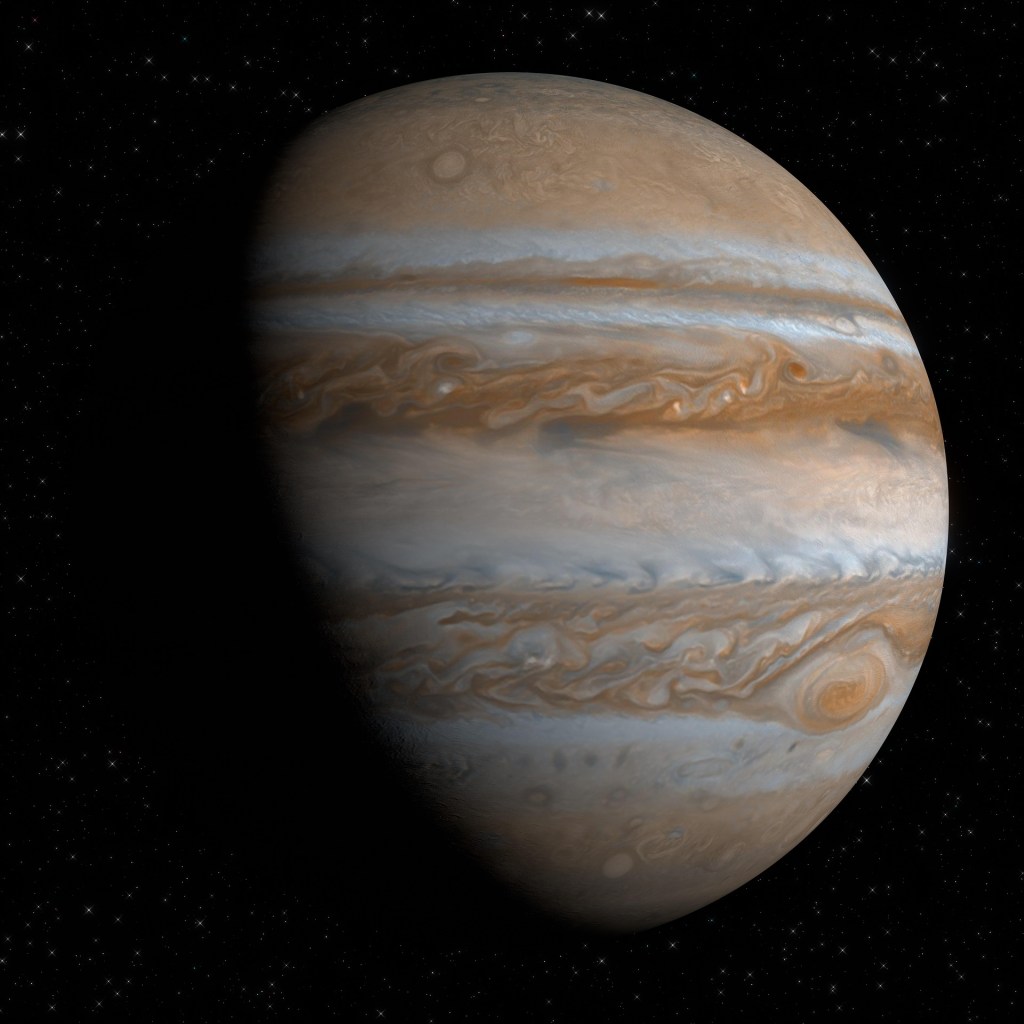
  • Jupiter: Jupiter rises in the east after 9 PM and dominates the late-night sky. Its moons and cloud bands are visible in even small telescopes, offering an inviting family observing project. skyatnightmagazine+2
  • Uranus: On November 21, Uranus reaches opposition and shines all night in Aries. Usually invisible to the naked eye, it’s within reach of binoculars or a modest telescope—a blue-green gem for those ready to find new worlds. timeanddate+3
  • Neptune: Faint Neptune lurks in Pisces, crossing the southern sky late at night. Binoculars or a telescope are needed, but locating this distant planet can be a rewarding family challenge. farmersalmanac+1

Moon Facts and Lunar Events

This November offers a lunar showstopper sure to spark curiosity and creativity, plus several phase changes for sky journaling:

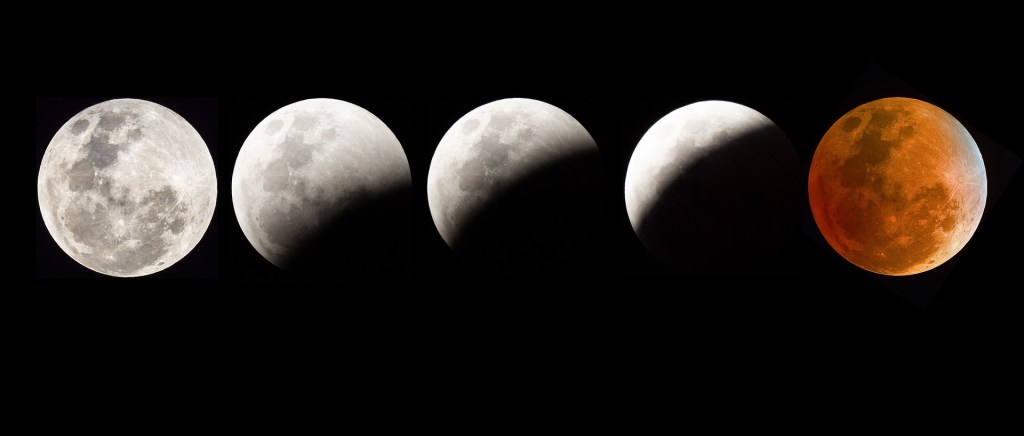
  • Supermoon – November 5: The year’s biggest and brightest full moon rises on Nov. 5. Named the Beaver Moon or Frosty Moon, it appears nearly 8% larger and up to 16% brighter than a typical full moon. Early Native Americans used this time to set beaver traps ahead of winter. rmg+5
  • Moon-Planet Conjunctions: The Moon passes near Saturn on Nov. 1–2 and pairs up with Aldebaran (the “Bull’s Eye”) in Taurus on Nov. 7—a great reason for crafty photos or family stories about the sky’s ancient myths. whenthecurveslineup+1
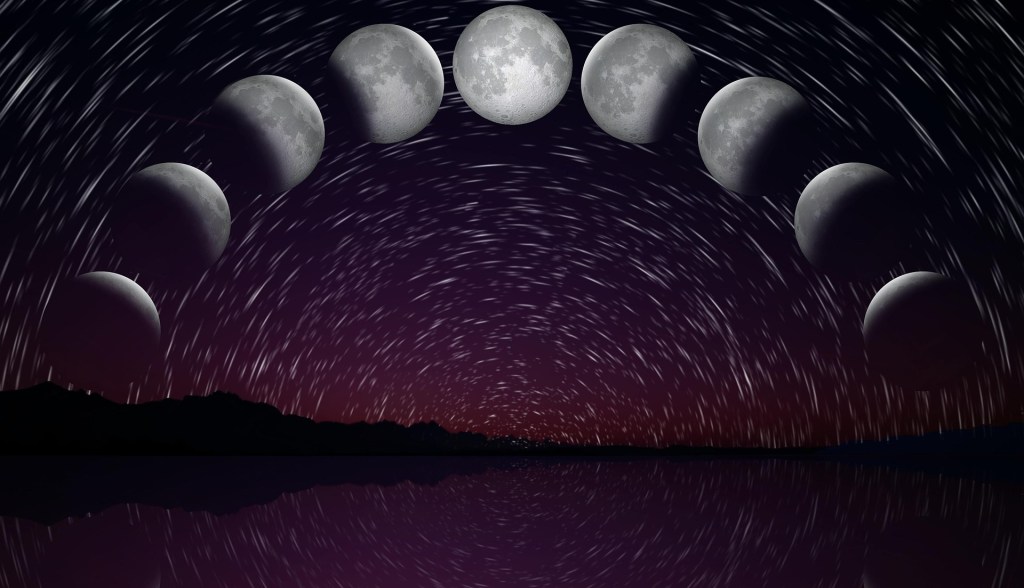
  • Other Phases: The moon’s changing face is easy to track and sketch:
    • Full Moon: Nov. 5
    • Last Quarter: Nov. 12
    • New Moon: Nov. 20 (a “micro” new moon at farthest distance from Earth)
    • First Quarter: Nov. 28. theskylive+1

Meteor Showers to Watch

November delivers two meteor showers—one spectacular, the other subtle but known for bright fireballs:

  • Southern Taurids – Nov. 4–5: This minor shower produces slow, bright meteors. Only 5–10 meteors per hour, but some may become fireballs as they radiate from Taurus. Try viewing after midnight—best with the whole family, lying back and sharing wishes. seasky+1
  • Leonids – Nov. 17: The Leonid meteor shower, famed for epic storms, produces 10–15 bright meteors per hour at its peak just before dawn. Look southeast from a safe, dark spot. The crescent moon will set early, leaving a perfectly dark sky for viewing. planetary+3

Constellations: Old Friends Return

As November evenings lengthen, classic constellations and famous stars reclaim their positions:

  • Orion the Hunter: Orion rises by midnight, instantly recognizable by his three-star “belt.” Follow the belt downward left to find Sirius, the sky’s brightest star, rising in the southeast near the end of the month. nationalgeographic+2
  • Taurus the Bull: Home to red-orange Aldebaran (the “Bull’s Eye”), the glimmering Pleiades (Seven Sisters), and the Hyades cluster—the V-shaped “face” of Taurus. rmg+2
  • Andromeda: High overhead, Andromeda forms a graceful arc and hosts the Andromeda Galaxy (M31)—a faint smudge in dark skies visible to the naked eye, binoculars, or small telescopes. starwalk+1
  • Pegasus: The Great Square of Pegasus marks autumn and is a great jumping-off point for star-hopping.
  • Cassiopeia, Pisces, and more: Cassiopeia’s “W” shape dominates the northeast. Pisces, the Fishes, is less obvious but sits south of Andromeda. starwalk
  • Sirius and Canis Major: By late November, Sirius—known as the “Dog Star”—rises in the southeast. It’s 25 times more luminous than the sun and just 8.6 light years away, a brilliant beacon for cold nights. rmg

Other Notable Night Sky Events

  • Planetary Encounters: Nov. 3, the Moon and three planets (Venus, Saturn, Jupiter) are on display overnight. Nov. 25, Venus and Mercury share the dawn in a rare pairing. whenthecurveslineup+1
  • Hyades at Apex – Nov. 27: The Hyades cluster, making the V of Taurus’s face, reaches its highest point around midnight. This is the best time to see its dozens of stars under dark skies, an ideal binocular or family-accessible target. nationalgeographic
  • Comet c/2025 A6: Expected to be visible from dark locations in late October and early November. It may be possible to spot it with binoculars just before sunrise or after sunset—watch astronomy news sites for updates. facebook

More Astronomy Information

Bright Stars to Visit

  • Aldebaran (Taurus): Orange-red, marking the Bull’s eye.
  • Betelgeuse and Rigel (Orion): Red and blue supergiants, highlighting Orion’s shoulder and foot.
  • Capella (Auriga): Bright, yellowish star rising high in the northeast.
  • Spica (Virgo): Visible near Venus in the dawn sky early in the month. whenthecurveslineup

Family Activities and Tips

  • Make a Sky Journal: Track phases of the moon and meteor counts. Sketch constellations or note unusual “shooting stars.”
  • Try Star Storytelling: Share myths about Orion, Taurus, and the Pleiades, or invent your own tales.
  • Holiday Stargazing: Pair a hot cocoa night with meteor counting or supermoon watching. Invite friends or neighbors for a “full moon walk” or a “Leonids pajama party.”
  • Binocular Astronomy: Many November targets—the moon’s craters, Pleiades, Hyades, Jupiter’s moons—look wonderful even through basic binoculars.
  • Prepare for the Cold: Layer up, bring blankets and sleeping bags, and warm drinks.

Handy Stargazing Tips

  • Allow 15 minutes for your eyes to adapt to the darkness.
  • Avoid bright lights (use red flashlights to preserve night vision).
  • Choose a safe, dark location away from city lights.
  • Use free sky map apps or printable star charts to help identify targets.
  • Record your sightings and try to spot new constellations each week.rmg

More Astronomy Information.

Looking Ahead and Inspiring Wonder

As the nights lengthen and the year edges closer to holidays, November 2025 offers families and astronomers a cosmos packed with both new wonders and returning favorites. There’s no better time to start a skywatching tradition with your children, friends, or students—nature’s awe-inspiring show is always free and never repeats in quite the same way.

From the joy of the supermoon’s silvery glow and the thrill of counting Leonid meteors to the satisfaction of picking out planets and patterns among the stars, the night sky rewards curiosity and connects us to ancient stories and ongoing scientific discovery.

Wishing clear skies, many discoveries, and countless family memories under the November night sky! kenpress+17

  1. https://www.farmersalmanac.com/visible-planets-guide
  2. https://www.astroshop.eu/magazine/practical-tips/observation/astronomy-highlights-in-autumn-2025/i,1244
  3. https://www.adlerplanetarium.org/blog/what-to-see-stargazing-tips-november-2025/
  4. https://www.skyatnightmagazine.com/advice/skills/astronomy-guide-viewing-planets-night-sky
  5. https://whenthecurveslineup.com/2025/10/23/2025-november-3-moon-and-three-planets-on-display-in-the-night-sky/
  6. https://www.rmg.co.uk/stories/space-astronomy/astronomy/night-sky-highlights-november-2025
  7. https://kenpress.com/files/2025WOT11Nov.pdf
  8. https://www.timeanddate.com/news/astronomy/night-sky-november-2025
  9. http://www.seasky.org/astronomy/astronomy-calendar-current.html
  10. https://www.planetary.org/articles/calendar-of-space-events-2025
  11. https://starlust.org/november-2025-skywatching-guide-this-years-biggest-supermoon-leonids-fireballs-and-more/
  12. https://theskylive.com/moon-calendar?year=2025&month=11
  13. https://www.calendarr.com/united-states/lunar-calendar-november-2025/
  14. https://whenthecurveslineup.com/2025/10/27/2025-november-7-moon-and-bulls-eye/
  15. https://www.nationalgeographic.com/science/article/november-night-sky-events-2025
  16. https://starwalk.space/en/news/november-constellations-and-stars
  17. https://www.space.com/stargazing/autumn-skywatching-targets-to-see-in-the-night-sky-2025
  18. https://www.facebook.com/groups/auroraaustralia/posts/2376217279460361/
  19. https://www.spaceweatherlive.com/en/moon-phases-calendar/2025/11.html
  20. https://www.timeanddate.com/astronomy/sights-to-see.html

The Ultimate 2025 Guide to Buying a Kid’s First Telescope — From a Mom Who’s Been There

When you’re a single mother shopping on Amazon for your 6–10-year-old’s first telescope or binoculars, the key is to focus on ease of use, safety, and lasting curiosity—something that makes astronomy fun without being frustrating. Here’s a complete list of questions you’ll want to know the answers to before buying, based on leading astronomy guides and family-focused resources. More Information.


1. What do I want my child to see?

Ask yourself what kind of viewing experience your son wants:

  • Moon and planets? Look for a refractor telescope with a smaller aperture (60–80mm) for bright, clear details.
  • Stars, nebulae, or galaxies? Choose a reflector telescope with a larger aperture (90–130mm) that gathers more light.
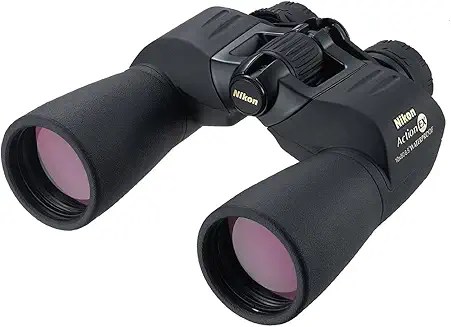
  • Simple sky watching or birding by day? Start with kid-sized binoculars (7×35 or 8×21)—they’re lightweight and affordable.

Amazon Search Example:
“Best telescope for kids to see the moon clearly”
“Binoculars for child astronomy and nature watching”


2. How easy is it to set up and use?

A telescope that’s too technical can frustrate a beginner.
Look for:

  • Clear instructions, labeled as “easy setup” or “no tools required.”
  • An alt-azimuth mount (simple up-down, left-right control).
  • Adjustable tripod height for both mom and child.

Tip: Avoid complex “GoTo” or computerized scopes until your child has experienced basic astronomy first.More Information.

Search Terms:
“Easy setup telescope for kids 6–10”
“Simple tabletop telescope for beginner family use”


3. Is it durable and stable for children?

Kids are naturally curious and sometimes rough on equipment.
You’ll want to check:

  • Durable housing: metal or rigid plastic.
  • A stable tripod: avoid models with wobbly mounts.
  • Shock-resistant eyepieces: especially for binoculars.

Binoculars Tip: Choose ones with rubberized grips, breakaway straps, and padded eyepieces. These protect both the equipment and your child’s face. More Information.

Search Example:
“Durable first telescope for kids”
“Shockproof binoculars for kids outdoor and astronomy”


4. What size and weight are manageable for a 6–10-year-old?

The best starter scope or binocular feels stable, not heavy.

  • For telescopes, look for under 10 lbs total weight.
  • For binoculars, choose lightweight models (under 1 lb) and magnifications between 2× and 8× so steady viewing is easy.

Example Keywords:
“Lightweight telescope for kids beginner”
“Compact binoculars for children small hands”


5. What is aperture—and why does it matter?

Aperture = the size of the telescope’s main lens or mirror.

  • More aperture = more light and better detail, but also heavier and costlier.
    For kids, 60mm–100mm is ideal—you’ll clearly see the Moon’s surface, Jupiter’s moons, and Saturn’s rings without frustration. More Information.

Ask: “What is the aperture size of this telescope?”

Search Example:
“70mm refractor telescope child beginner”
“100mm tabletop reflector telescope for kids”


6. What magnification is appropriate for a child?

High magnification sounds exciting (“400× power!”), but it’s often poor quality.
Look instead for:

  • Quality optics over power.
  • A starter telescope with 20×–100× magnification range — this gives crisp, steady viewing.
  • For binoculars, start around 7× or 8×.

Ask on Amazon:
“What is the maximum useful magnification for this model?”


7. Should I choose a refractor or reflector telescope?

Reflector

Refractor

Each type suits different goals: More Information.

TypeBest ForProsCons
RefractorMoon, planetsEasy to use, low maintenanceSmaller apertures
ReflectorNebulae, faraway starsGreat light gatheringNeeds alignment (collimation)
Tabletop ReflectorFamilies & kidsEasy to moveLow tripod height
BinocularsMulti-use, day/nightPortable, no setupLower detail level

Starter Telescopes

8. How much supervision and maintenance does it need?

Ask yourself realistically:
“Can I help assemble or supervise its use outside at night?”

  • Refractor telescopes are lower maintenance — sealed and simple.
  • Reflectors require occasional cleaning and optical alignment.
  • Binoculars need virtually no maintenance.

Best Low-Maintenance Models:
The Celestron AstroMaster 70AZ and Orion SkyScanner 100mm are top family picks for ease of use. More Information.


9. What kind of accessories do we need?

Starter telescopes should include:

  • Multiple eyepieces (low and high power)
  • A finder scope or red dot sight
  • Free software or a stargazing app
  • Optional smartphone mount for taking photos

Search Example:
“Kids telescope kit with app and phone adapter”
“Beginner telescope with tripod and dual eyepieces”

Tip: Don’t forget a simple astronomy beginners’ book—kids love matching constellations while observing. More Information.


10. Where will we use it most—indoors, backyard, or camping trips?

This helps decide between tripod telescopes (home use) and portable tabletop or handheld binoculars.

Ask:

  • “Does this telescope fit in my car/trunk?”
  • “Can it be used without plugging in?” (for electric sets)
  • “Does it include a carry bag or case?”

Search Phrases:
“Portable telescope for kids and families”
“Compact travel binoculars for children”


11. What is a realistic budget for a beginner astronomy setup?

TypeBudget RangeModel ClarityExample
Kid-friendly Binoculars$25–$60Great for stargazing & natureNikon Prostaff P3 8×42 More Information
Basic Telescope$70–$150Good for Moon & planetsCelestron FirstScope or AstroMaster 70AZ More Information
Advanced Starter$150–$250Planets & brighter galaxiesOrion SkyScanner or Meade Infinity More Information

Rule of thumb: Start affordable, see if your son loves stargazing, and upgrade gradually.

Telescopes


12. Are there learning resources or apps included?

Engaging materials can help keep your son curious beyond the first few nights.
Look for telescopes like Celestron Inspire 100AZ that include smartphone adapters or apps with guided tours of the sky. More Information.

Ask:

  • “Does this telescope include an app or guidebook?”
  • “Can we take photos with our phone?”

Search Examples:
“Telescope with smartphone adapter for kids”
“Starter astronomy kit for families”


Final Tip for Parents:

If your goal is to spark wonder (not confusion), choose simple, durable, and fun equipment that works right out of the box.
Pair observation nights with stories about planets and constellations—your child’s excitement will grow astronomically!

Quick Parent-Oriented Searches:

  • “Best beginner telescope for 7-year-old with help from mom”
  • “Educational astronomy kit for kids and parents”
  • “Family stargazing telescope easy to set up 2025”

Would you like a Pinterest Pin set (titles, descriptions, and keywords) designed for this article, geared toward fall and holiday search trends (“STEM gifts,” “family astronomy nights,” “early Christmas science toys”)? It would boost your reach for the 2025 season.

  1. https://www.astronomy.com/astronomy-for-beginners/the-best-telescopes-for-kids-picked-by-experts/
  2. https://www.livescience.com/best-binoculars-for-kids.html
  3. https://www.space.com/29798-best-telescopes-for-kids.html
  4. https://www.astroshop.eu/magazine/buying-guide/the-ultimate-buying-guide-telescopes-for-children-and-teenagers/i,1577
  5. https://www.reddit.com/r/telescopes/comments/16btts7/whats_a_good_starter_telescope_for_a_10_year_old/
  6. https://www.reddit.com/r/telescopes/comments/z9s352/beginners_quick_guide_to_choosing_your_first/
  7. https://www.reddit.com/r/telescopes/comments/168sjsq/help_for_daughters_first_telescope_what_to_buy/
  8. https://www.cloudynights.com/topic/902332-telescope-for-beginner-kids-10-12/
  9. https://www.facebook.com/groups/manastrosoc/posts/10169431340430612/
  10. https://www.livescience.com/technology/best-telescopes-for-kids

Beginner Parent’s Guide: Finding a First Train Set Your Child Will Love for Years”

When you’re a parent shopping on Amazon for your 6–10-year-old’s first model train set, it helps to go in knowing exactly what to ask and what details to check. This ensures you pick a set that’s fun, safe, durable, expandable, and—most importantly—something your child will love and can handle independently. The questions below are based on expert guidance and family-friendly hobby resources. More Information


1. Is this train set the right age level for my child?

Search on Amazon:
“Best model train set for 6–10 years old”

  • Avoid sets with small parts or fragile pieces.
  • Check the age recommendation on the box.
  • Look for “Age 6+” or “family starter sets.”

Tip: If your child is careful and you plan to help, you can safely start with simple HO or O scale electric sets.


2. What type of train is best for my child—wooden, battery, or electric?

Ask yourself:

  • “Will my son play with this mostly on his own or with me?”
  • “Do we want quick, creative play or a long-term hobby?”

Options:

  • Wooden train sets (like BRIO, Tiny Land, or Thomas & Friends): Safe and durable for ages under 8, great for free play.
  • Battery-powered trains: Move on their own but stay safe for kids to operate.
  • Electric model trains (Lionel, Bachmann): More realistic but require adult supervision and help with setup. More Information

Search on Amazon:
“Wooden train starter set for kids 6–10” or
“Battery-powered model train for beginners”


3. What scale or size should I buy?

Scale = how big the train is compared to real life.

  • O scale (large, easy to handle): Great for kids.
  • HO scale (medium, detailed): Ideal for older children with patience.
  • N scale (tiny, detailed): Best for adults or advanced teens.

Ask on Amazon:

  • “Best O scale model train set for beginners”
  • “HO scale train for kids 8–10 years old”

Tip: Bigger trains are easier for younger children and more resistant to rough handling. More Information


4. How safe and durable is this train set?

Search phrases:

  • “Non-toxic paint wooden train set”
  • “Child-safe battery train with large parts”

Check for:

  • Rounded edges and sturdy materials
  • Secure magnets or connectors on cars
  • Non-toxic or safety-certified markings (ASTM, CE)

BRIO’s “My First Railway” and Tiny Land sets are top-rated for safety and indoor use. More Information


5. How easy is it to set up and put away?

Single moms often ask:

  • “Can my child assemble this without help?”
  • “Does it include a table or storage bin?”

Look for:

  • Click-together tracks or magnetic connectors
  • Ready-to-run or Plug-and-play labeled sets
  • Sets that come with storage boxes or fold-flat designs

Search:
“Train set easy setup storage box kids”
“Lionel ready-to-run electric train set beginner”

Model Train Starter Sets – Information


6. Is it expandable so my child won’t get bored?

Look for:

  • “Compatible with BRIO / Thomas / Tiny Land” — for wooden sets
  • “Expandable track set” or “Add-on packs available” — for electric ones

Expandable sets keep your child interested for years as they collect new track pieces, freight cars, or bridges later on. More Information


7. What kind of features make it engaging?

Ask:

  • “Does it have lights, sound, or interactive accessories?”
  • “Can my child rebuild or modify the track easily?”

Fun features include:

  • Battery engines with forward/reverse controls
  • Whistle and train sounds
  • Bridges, tunnels, or cranes
  • Interchangeable layouts (oval, figure-eight, loop)

Search:
“Battery train set with lights and sound for kids”
“Expandable wooden railway with tunnels and bridges”


8. Does it fit our space?

Measure before buying:

  • “Can this run on the living room floor or table?”
  • “Do I have storage for pieces when not in use?”

Space Tip:

  • Wooden and battery sets can go on any floor or table.
  • Larger electric O-scale trains need about a 4-foot circle minimum.

Search:
“Compact train set for small space”
“Train set with foldable table for kids”


9. How much maintenance or supervision will it need?

For a busy single mom, the goal is low maintenance.

Ask:

  • “Does this need constant cleaning or delicate wiring?”
  • “Is it durable if it’s bumped or dropped?”

Wooden and battery sets need minimal care. Electric trains require supervision, especially during setup and track wiring.

Search:
“Low-maintenance kids train set”
“Durable electric train for families”


10. Is it educational and imaginative?

A good starter train should develop more than play—it helps kids learn:

  • Hand-eye coordination
  • Patience and problem-solving
  • Storytelling and design through layout building

Look for:
Descriptions mentioning “STEM,” “creative play,” or “motor skills.”

Search on Amazon:
“Educational wooden train set for creativity and learning”
“STEM model train set for kids age 6–10”. More Information


11. What is a realistic budget range?

TypeTypical Price RangeGood Starter Brand
Wooden$40–$80BRIO, Tiny Land, Thomas
Battery-Powered Plastic$60–$120Lionel Battery Sets, Fisher-Price
Electric (HO or O Scale)$130–$250Bachmann, Lionel Ready-to-Run

Remember: You don’t need the priciest one to make it meaningful! Focus on simplicity, sturdiness, and play value.More Information


12. What do parent reviews say?

Before adding to your cart, scroll through Amazon reviews and look for:

  • Mentions of “6-year-old loved it!” or “easy to assemble”
  • 4.5-star average ratings or higher
  • Verified video reviews showing playtime or setup ease

High-volume reviews often highlight durability, track fit, or customer support—use these to avoid frustration later.


Quick Amazon Search Examples:

  • “Best train set for kids 6–10 expandable and safe”
  • “Wooden train with bridges and tunnels for boys”
  • “Lionel ready-to-run battery train set family gift”
  • “Starter set HO scale train for beginners 2025 kids”

Model Train Starter Sets – Information

Final Tip for Parents

If your son (or daughter!) loves building worlds, playing pretend, or watching trains pass, a model train set can become a lifelong hobby. Focus on simplicity, safety, and fun, and let curiosity carry the rest. Ask these questions up front, and your Amazon search will lead you to the perfect starter set for hands-on creativity and years of shared joy.

  1. https://charlesro.com/how-to-choose-the-right-model-train-set/
  2. https://www.tinylandus.com/en-de/blogs/collections/what-is-the-best-train-set-for-kids
  3. https://www.parents.com/best-train-sets-for-kids-8606278
  4. https://tandkhobby.com/blog/how-to-choose-juniors-first-train-set/
  5. https://play-trains.com/best-wooden-train-sets/
  6. https://www.trainworld.com/which-train-set-is-right-for-me
  7. https://www.strasburgrailroad.com/blog/best-train-toys-and-model-trains/
  8. https://www.reddit.com/r/modeltrains/comments/rjywci/how_young_is_too_young_for_model_trains/
  9. https://www.facebook.com/groups/438725726326410/posts/2600023460196615/
  10. http://www.joesherlock.com/train-faq.html
  11. https://www.reddit.com/r/modeltrains/comments/18dxjfv/whats_the_best_starter_train_set_for_kids/
  12. https://www.tcmrm.org/about/ask-the-train-doctor/
  13. https://www.trainworld.com/train-set.html
  14. https://forum.trains.com/t/store-bought-train-set-vs-indavidual-bought-pieces/116133
  15. https://www.reddit.com/r/modeltrains/comments/5lao6n/what_train_set_would_you_recommend_for_a_first/
  16. https://factorydirecthobbies.com/collections/kids-toys
  17. https://www.nmra.org/beginners-guide
  18. https://www.youtube.com/watch?v=5-wf2tEmUAI
  19. https://forum.trains.com/t/which-is-the-best-train-set-for-a-young-child/99592
  20. https://www.youtube.com/watch?v=J11J3hG0vUk

Picking Your First Locomotive: A Family Guide to Smarter Model Railroading Expansion


Introduction

Upgrading your starter train set is a major milestone for every new model railroad family. While your original set likely came with a dependable locomotive, expanding your roster brings diversity, improves play, and sets the stage for more realistic operations as your layout and interest grow. But faced with so many brands and models, how do you choose your first new locomotive? This article will empower parents and kids to select a locomotive that looks great, runs reliably, and fits their goals—so everyone enjoys the next stage of the journey.

Understanding Scales and Compatibility

Before selecting, double-check your train’s scale (HO, N, O, etc.) so the new locomotive matches both your track and existing rolling stock. Mixing scales is a frequent rookie mistake—so read the box or manual if you’re unsure.

Choosing Locomotive Types

  • Steam vs. Diesel: Steam engines have classic, old-time charm, perfect for vintage scenes and younger kids who love “Thomas”-like engines. Diesels and electrics are rugged, easy to run, and suit modern layouts.
  • Passenger vs. Freight: Think about what you want to haul most. Passenger locos pair with elegant coaches for family travel scenes. Freight engines are ideal for operational games—delivering cargo across your budding empire.

Key Features to Consider

  • Ease of Maintenance: Choose models with simple, accessible mechanisms so families can keep them clean and running.
  • Durability: Young children may be hands-on. Opt for sturdy mechanisms and robust body shells, especially for entry-level use.
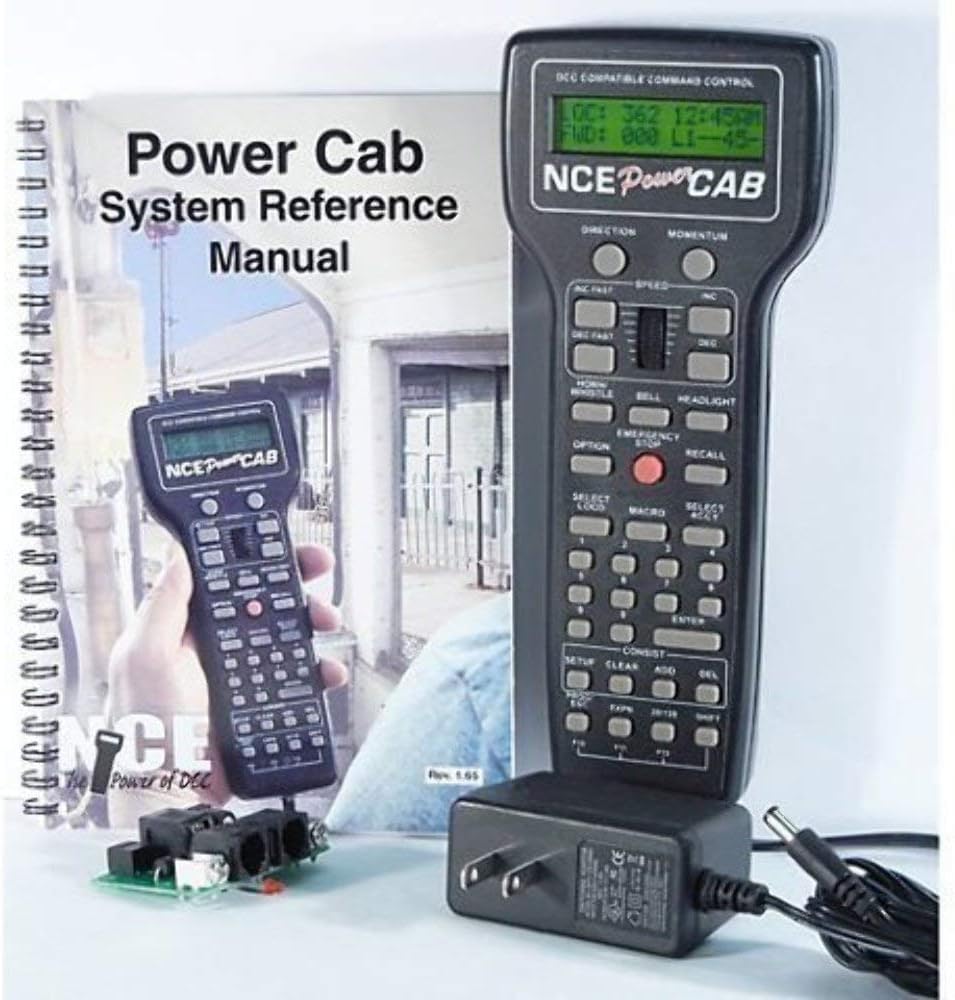
  • Control System Compatibility: If you plan to switch from DC (traditional) to DCC (digital), look for “DCC-ready” locomotives for easy future upgrades.

Top Picks for Starter Family Locomotives

  • Bachmann, Lionel, and Kato are all beginner-friendly brands with strong reputations for reliability and support.
  • Consider local railroad favorites or engines seen in your area for personal connections and history learning.

For a look at various steam and diesel locomotives check here.

Color, Style, and Storytelling

Involve the whole family in picking a color or type. Vote on favorites or research real-life trains that inspire your adventures—this sparks creative energy and deeper play.

Testing, Running, and Learning

Once purchased, test your new loco at different speeds, on curves, over switches, and hauling cars. Practice running two engines if your system allows, encouraging teamwork and gentle competition.

Wrapping Up

With the right locomotive, your family’s model railroad will gain energy, realism, and fun. Remember, upgrading is about play—enjoy the journey, and grow your skills together

October 2025 Night Sky: A Family-Friendly Guide

October is one of the year’s very best months for skywatching—perfect for families, beginners, and experienced observers. The air is crisp, darkness falls early, and the heavens are packed with cosmic treats: a super harvest moon, meteor showers, bright planets, and famous constellations ready for everyone to explore. Here’s your guide to October’s best celestial events, how to see them, and why they’re worth a moment outdoors—whether you spend five minutes or all night under the stars.


The Super Harvest Moon & Saturn Dazzle the Skies

October 6–7 brings this year’s Harvest Full Moon—a supermoon, bigger and brighter than most.
Also called the “Hunter’s Moon,” this full moon rises just after sunset, filling the eastern sky in gold and lighting up fields, parks, and city rooftops. This month’s moon is “super” because it’s especially close to Earth in its orbit, making it up to 14% larger and 30% brighter than average. More Information.

On October 5, Saturn appears close to the full moon in the southeast.
The ringed planet shines as a steady, golden “star” above and to the right of the glowing moon shortly after dark. Point out Saturn to kids: tell them that, even though its rings are not visible without a telescope, they can use their imagination and binoculars to spot its unique color.

Family tip:
No special equipment needed—just step outside after sunset and gaze east. Try taking a moonrise photo with a smartphone or watch the moon usefully light up an evening walk.


Meteor Showers: Orionids Steal the Show

The Orionid Meteor Shower peaks on the nights of October 21–22.
Each year, Earth passes through the leftover dust of Halley’s Comet, resulting in fast, sometimes bright meteors—up to 20 per hour streaking from the direction of Orion’s “shoulder.” This year, the new moon means truly dark skies for peak viewing. Look for the brightest meteors after midnight, anywhere from an open backyard or park. More Information.

Draconids (Oct 8–9):
A minor shower peaking after dusk, best for those who enjoy an early evening search for “shooting stars.” This year, strong moonlight means just a few may be visible.

How to watch a meteor shower:

  • Find a dark spot away from streetlights.
  • Bring blankets or reclining chairs and face southeast (for Orionids) or north (for Draconids).
  • Let your eyes adjust 20–30 minutes to maximize faint meteor sightings.
  • Don’t use binoculars—meteors fly across the whole sky!

Family tip:
Hold a contest: Who can spot the first meteor, or the most meteors in an hour? Every “shooting star” is a great chance for a wish!


Planet Perfection: Saturn, Jupiter, Venus, Mercury

Saturn
Visible all October in Pisces after sunset, Saturn is high in the southeast—easy to spot as a steady, golden light. Early in the month, Saturn appears close to the full moon. More Information.

Jupiter
By mid-October, the solar system’s brightest planet (after Venus) rises after 9 p.m. in the east and grows even brighter as it approaches its November opposition. With binoculars, you can see up to four of its big moons lined up beside it. The moon swings close to Jupiter on October 13. Details.

Venus
Dazzles as the “Morning Star” all month, especially when paired with a slender crescent moon on October 19. It blazes low in the east just before sunrise, impossible to miss—even from cities. Details.

Mercury
The solar system’s speediest planet is toughest to see but reaches its best evening show of 2025 around October 29. Look low in the west just after sunset for a tiny, bright “star.” Use binoculars for your best chance, and pick a flat, unobstructed view. More Information.

Family tip:
Challenge kids to spot Saturn’s steady glow (it doesn’t twinkle!), Jupiter’s brightness, and Venus’s dawn appearance. Use an astronomy app to find the planets’ exact places each night.


October’s Constellations & Deep-Sky Wonders

Pegasus
The Great Square of Pegasus is a huge, easy-to-spot diamond in the eastern sky after dusk, high overhead by midnight. It’s the “stepping stone” to autumn’s most famous constellations.

Andromeda
Follow a gentle line of stars away from the Square to see Andromeda, stretching northeast. If you’re far from city lights, you might spot the faint oval of the Andromeda Galaxy—2.5 million light-years away and the most distant object you can see with your eyes! Binoculars make it easy, even from suburbs.

Cassiopeia
Always visible as a giant “W” or “M” in the northeast, Cassiopeia is a perfect sky marker for beginners. Its legends of a vain queen are fun to share as you star-hop.

Other constellations:

  • Pisces and Aquarius (zodiac): Lower and fainter, but both cross the sky through October, trailing Saturn and Jupiter.
  • Taurus and the Pleiades (the “Seven Sisters”): Rising after 10 p.m. in the east and easily found with a star map or phone app.

Special Sky Events & Group Activities

October 10: Moon Meets The Pleiades

Look east 9–11 p.m. to see a lovely pairing between the waxing moon and the glittering “Seven Sisters” star cluster. Binoculars give a fantastic family view.

October 13–14: Moon and Jupiter Pairing

Shortly after moonrise, see bright Jupiter beside the moon in the evening sky. Binoculars show Jupiter’s moons.

October 19: Crescent Moon, Venus, and Comet Hunt

Before sunrise, look east for a bright Venus and a thin crescent moon paired in the twilight. At sunset, try for Mercury and possibly even Mars with binoculars, low in the west. Check astronomy news for updates about Comet Lemmon, which could make a faint binocular appearance after dusk. Details.

October 21: New Moon & Milky Way

With no moonlight, it’s the best night to see faint constellations and the full sweep of the Milky Way. Try for star clusters in Cassiopeia, Perseus, and Andromeda with binoculars. More Information.

October 23–24: Lunar Triangle

Right after sunset, the crescent moon, Mercury, and Mars gather to form a small triangle low in the southwest (binoculars best).


How, When, and Where to Watch

  • Best Times:
    • Evenings (8–11 p.m.) for the moon, Saturn, Jupiter, and major stars.
    • Pre-dawn for Venus and the moon.
    • After midnight for the Orionid meteor shower.
  • Best Places:
    • Any open space with a low view of the east and west.
    • Parks, backyards, campgrounds, or drive a short way from city lights for a darker view.
    • Even city dwellers can enjoy planets, the moon, and the brightest stars.
  • Tips for Families:
    • Bring a blanket or reclining chair, warm clothes, and snacks.
    • Allow 20 minutes for eyes to adjust to darkness.
    • Try a red flashlight or phone “night mode” to preserve night vision.
    • Use phone apps (“Stellarium,” “Star Walk 2,” “Sky Tonight”) for real-time stargazing help.

Stargazing Fun & Learning

  • Draw Your Night Sky: Sketch the moon’s different shapes or map constellations in a journal each night.
  • Meteor Journals: Count “shooting stars” and make note of color or speed.
  • Planet Spotting: Try to find all visible planets in one night—Jupiter, Saturn, Venus, and Mercury.
  • Constellation Storytelling: Share the mythology of Pegasus, Andromeda, Orion, and Cassiopeia with kids—or create new family legends!
  • Binocular Treasure Hunt: List interesting things to find: Jupiter’s moons, the Andromeda Galaxy, the Pleiades, Saturn’s color.

Quick October 2025 Event Calendar

DateEventBest Viewing
Oct 5–7Supermoon & SaturnAfter sunset, east/southeast
Oct 8–9Draconid Meteor ShowerAfter dusk, face north
Oct 10Moon near Pleiades9–11 p.m., east, binoculars helpful
Oct 13–14Moon near JupiterEvening, east
Oct 19Crescent Moon & Venus (dawn)30 minutes before sunrise, east
Oct 19Mercury & Mars (sunset)15–30 min after sunset, low west
Oct 20–22Orionid Meteor ShowerAfter midnight, southeast/anywhere
Oct 21New Moon (darkest skies)Any time
Oct 23–24Moon, Mercury, Mars triangleAfter sunset, low west
Oct 29Mercury at its best (evening)30–45 min after sunset, west

Resources & Further Reading

  1. [Adler Planetarium – October 2025 Tips]adlerplanetarium
  2. [Hipcamp Stargazing Calendar]hipcamp
  3. [Star Walk Astronomy Calendar]starwalk
  4. [Sea and Sky Astronomy Calendar]seasky
  5. [High Point Scientific – Events Guide]highpointscientific
  6. [What’s Out Tonight PDF]kenpress

October’s night sky is rich with memories, new discoveries, and cosmic stories awaiting your family. Whether you’re five or ninety-five, clear a little space, look up, and let the universe dazzle you!

  1. https://www.hipcamp.com/journal/camping/stargazing-guide-astronomical-calendar/
  2. https://koa.com/blog/celestial-events-2025/
  3. https://www.adlerplanetarium.org/blog/what-to-see-stargazing-tips-october-2025/
  4. https://www.highpointscientific.com/astronomy-hub/post/night-sky-news/2025-astronomical-calendar
  5. https://blog.whiteduckoutdoors.com/stargazing-calendar-for-2025-where-to-camp-to-watch/
  6. https://www.farmersalmanac.com/monthly-stargazing-night-sky-guide
  7. https://phil.camera/2025/?mc
  8. https://www.cruiseamerica.com/trip-inspiration/ultimate-2024-stargazing-calendar
  9. https://www.metroparks.org/mark-your-calendar-astronomical-events/
  10. https://starwalk.space/en/news/astronomy-calendar-2025
  11. https://ts2.tech/en/dont-miss-these-skywatch-wonders-in-october-2025/
  12. http://www.seasky.org/astronomy/astronomy-calendar-current.html
  13. https://kenpress.com/files/2025WOT10Oct.pdf

October 2025 Night Sky — Beginner’s Calendar.

Here’s a concise, beginner-friendly October 2025 night-sky events calendar for easy skywatching:


October 6–7: Full Harvest Supermoon

  • The brightest, closest full moon of the yelar! Look east just after sunset—no equipment needed. More Info.

October 8–9: Draconid Meteor Shower

  • Watch for a few “shooting stars” from the Dragon constellation just after sunset. This year’s display will be faint due to moonlight, but it’s a fun, easy event for families. More Info.

October 13: Moon Close to Jupiter

  • Spot the moon and bright Jupiter together in the east after sunset—great with naked eyes or binoculars. More Info.

October 19: Moon Close to Venus at Dawn

  • Before sunrise, look east to see super-bright Venus and a thin crescent moon side by side. More Info.

October 20–22: Orionid Meteor Shower Peaks

  • Watch after midnight for bright, fast meteors “shooting” from Orion’s shoulder. Best seen from dark spots, and this year, the moon will be out of the way for better viewing. More Info.

October 21: New Moon

  • The sky will be extra dark—you’ll see more stars than usual. Perfect for spotting constellations and the Milky Way. More Info.

October 29: Mercury at Its Best

  • Mercury shines low in the west just after sunset. Use binoculars and a clear horizon to catch it, as it fades quickly with twilight. More info.

Planets All Month

  • Saturn visible after sunset, high in the southeast.
  • Jupiter rises in the east, growing brighter each week.
  • Venus—spectacular before dawn in the east.

Pro Tips for Beginners:

  • For most events, just step outside—no telescope needed!
  • Use a stargazing app to help identify planets and constellations.
  • The best nights for stargazing are near the new moon (October 21–24).

Clear skies! October is packed with easy, awe-inspiring sky events for everyone to enjoy.


🌟 October 2025 Night Sky Calendar 🌟

Plan Your Stargazing Month – Beginner Friendly

October Highlights

DateEventWhat to Watch forViewing Tips
Oct 5Moon near SaturnMoon & bright Saturn together in SE8–10 PM: naked eye or binocularsstarwalk+2
Oct 6–7Full Harvest SupermoonLarge, golden moonrise in eastAfter sunset; great for family photosseasky+1
Oct 8–9Draconid Meteor ShowerSlow, bright “shooting stars”After dusk, face north; moonlight may lessen showkenpress
Oct 10Moon near PleiadesMoon close to star cluster in Taurus9–11 PM, binoculars add sparklestarwalk+1
Oct 13–14Moon near JupiterMoon & brightest planet in eastJust after moonrise; spot Jupiter’s moons with binocularsstarwalk+1
Oct 19Moon near VenusCrescent moon & Venus at dawnLook east, 30 min before sunrise highpointscientific
Oct 19Mercury & Mars at duskTwo planets low in west after sunsetUse binoculars; flat western horizonstarwalk+1
Oct 20–22Orionid Meteor Shower PeakUp to 20 meteors/hour, dark skiesAfter midnight, face southeast, best after moonsetstarwalk+1
Oct 21New MoonDeepest dark sky of the monthPerfect for seeing faint stars & Milky Wayseasky+1
Oct 23Moon near Mars & MercuryThree close at sunset in southwest15–30 min after sunset; binoculars helpstarwalk+1
Oct 29Mercury at greatest elongationBright Mercury low in west at dusk30–45 min after sunset, use low horizonstarwalk+1

All Month

  • Saturn: Southeast, golden glow after sunset
  • Jupiter: Rises in east, 4 moons visible with binoculars
  • Venus: Dazzling “Morning Star” before sunrise
  • Pegasus, Andromeda, Cassiopeia: Easy autumn constellations overhead for family star-hopping
  • Comet Lemmon: May be visible with binoculars after sunset; check astronomy news for updatests2
  • Milky Way: Visible from dark sites after sunset (best Oct 21–24)

Family Tips:

  • Print and hang this calendar for easy reference.
  • Use a blanket or chair for comfort. Let eyes adjust 20 minutes for best night vision.
  • Download the “Star Walk 2” or “Sky Tonight” app for real-time planet and constellation guides.

Celebrate autumn under the stars—every night is a new adventure!

starwalk+4

If you need a PDF or image file for printing, just ask—this format can be adapted to any design you like!

  1. https://www.wiki-calendar.com/october-calendars.html
  2. https://starwalk.space/en/news/astronomy-calendar-2025
  3. http://www.seasky.org/astronomy/astronomy-calendar-current.html
  4. https://www.highpointscientific.com/astronomy-hub/post/night-sky-news/2025-astronomical-calendar
  5. https://kenpress.com/files/2025WOT10Oct.pdf
  6. https://science.nasa.gov/multimedia/2025-nasa-science-planning-guide/
  7. https://www.etsy.com/listing/1623609853/printable-calendar-2025-night-sky
  8. https://in-the-sky.org/newscal.php?year=2025&month=10
  9. https://capturetheatlas.com/milky-way-calendars/
  10. https://ts2.tech/en/dont-miss-these-skywatch-wonders-in-october-2025/
  1. https://www.tensixphotography.com/eclipse-blog/2025-astrophotography-events
  2. https://discoveryplace.org/stay-at-home-science/celestial-events-to-see-in-octobers-night-sky/
  3. https://koa.com/blog/celestial-events-2025/
  4. https://starwalk.space/en/news/astronomy-calendar-2025
  5. http://www.seasky.org/astronomy/astronomy-calendar-current.html
  6. https://www.planetary.org/articles/calendar-of-space-events-2025
  7. https://in-the-sky.org/newscal.php?year=2025&month=10
  8. https://www.highpointscientific.com/astronomy-hub/post/night-sky-news/2025-astronomical-calendar
  9. https://www.space.com/39469-best-meteor-showers.html
  10. https://www.adlerplanetarium.org/blog/what-to-see-stargazing-tips-october-2025/
  11. https://www.hipcamp.com/journal/camping/stargazing-guide-astronomical-calendar/
  12. https://www.timeanddate.com/astronomy/sights-to-see.html
  13. https://ts2.tech/en/dont-miss-these-skywatch-wonders-in-october-2025/

Five Starter Track Plans That Make Model Railroading Fun.


Stepping into the world of model trains is exhilarating—especially if a shiny new starter set found its way under the tree this holiday season! While simply running loops is good fun, adding a layout designed for operational challenges opens up new levels of enjoyment and learning. Below, you’ll find five proven, easy-to-build layouts ideal for new modelers. Each plan encourages hands-on activity and sets you up for deeper adventures in the world’s greatest hobby.


1. The Classic Oval with a Siding

Why it’s great for beginners:
Every starter set includes enough track for a simple oval. The continuous closed loop lets you just run trains and watch them go. Once the thrill of spinning laps wanes, it’s time to add a short siding. Using a turnout, you can branch off for storage, pretend deliveries, or engine changes.

How to make it interesting:

  • Use your siding as a delivery spot for different freight cars.
  • Invent stories: “Drop the boxcar at the bakery, pick up the flatcar at the lumber mill.”
  • Challenge yourself with basic operations, such as swapping cars between trains using the siding to minimize moves.

Scalability:
This layout is endlessly expandable. Add sidings and industries as your collection grows, turning a simple loop into a busy rail network.More Info.


2. Inglenook Sidings – The Puzzle Champion

Why it’s great for new modelers:
This classic British yard puzzle fits on a bookshelf and works in HO, N, or OO scale—especially if space is limited. The basic ingredients are a headshunt (main track) and three sidings: one long, two short.

How to play the Inglenook puzzle:

  • Arrange 8 cars in the sidings.
  • Draw cards to assemble a train of 5 cars in a set order.
  • Only use the available track space—no cheating!
    The fun comes from working out how to marshal the train by shunting back and forth, often with limited room to maneuver.

Learning from it:
The Inglenook teaches essential switching skills, logical thinking, and real-world railroading practices like coupling, reversing, and making strategic decisions. It’s endlessly replayable, and you can compete against friends or your own “best score.”
For detailed building tips, see resources like the [Wymann sidings guide].More Info.


3. The Timesaver – A Tidy Little Challenge

Why it’s great:
Invented by John Allen, the Timesaver is a classic switching puzzle famous worldwide for its tricky operations. It uses a simple yard ladder with five stub sidings and a connecting main line.

How to set up:

  • Place a car in each siding, randomly.
  • Assign each car a destination: warehouse, station, mill, etc.
  • Your goal is to sort the cars to those destinations using as few moves as possible.

Why you’ll love it:
Timesaver fits on a door-sized table or smaller and can be customized with extra spurs, scenery, or industries. It brings real railroad logic to the living room, keeps you thinking, and becomes even more fun when played as a timed challenge or shared with friends.More Info.


4. Point-to-Point Branch Line

Why it’s great for play and realism:
Not all trains run in endless circles! Many real railroads operate “branches” linking small towns or factories in a straight (or gently curved) line. A point-to-point layout brings purpose and realism to your runs.

How to use it:

  • Build a straight or L-shaped track with a station at either end and optional sidings for industry.
  • Send your train from one end to the other, making “collections” and “deliveries” along the journey.
  • Use waybills or dice rolls to assign tasks: “Deliver the blue boxcar to the furniture factory, then pick up the coal hopper.”

Benefits for beginners:
The branch line approach teaches scheduling, multi-tasking, and has a much more realistic feel than pure loops or ovals. Best of all, it can fit on a bookshelf or desktop and you can expand it by adding stations or yards over time.More Info.

For Model Railroad Supplies look Here.


5. Holiday Village Layout – Family, Fun, and Festivity

Why it’s a perennial favorite:
Trains and Christmas go together perfectly! Building a simple loop around the tree, through a festive village, offers unlimited imaginative play and family tradition.

How to set up:

  • Lay a continuous loop around your tree or under the living room table.
  • Add short sidings and decorate with miniature buildings, people, and seasonal scenery (fake snow, street lamps, even Santa!).
  • Play delivery games: “Drop presents at the post office,” “Pick up candy from the sweet shop,” etc.

Making memories:
This layout isn’t just for rail fans—it’s for everyone! Kids can get hands-on, grownups can compete in delivery races, and every year, you can add new accessories or rolling stock.More Info.


Tips for Starting Strong with Your First Layout

Stay Simple:
Don’t stress about complex wiring or scenery for your first build. Focus on reliable track-laying, smooth running, and fun operations.

Adapt to Your Space:
From tabletops to under-the-tree villages, these track plans work in small spaces and can be moved or modified as needed.

Build Gradually:
Start with the basics, then add turnouts, sidings, and mini-scenes as your skills grow and your interest deepens. Every new piece brings new challenges and fun.

Embrace the Community:
Model railroading is filled with welcoming enthusiasts who love helping beginners. Join a local club, watch YouTube build-alongs, or follow forums to ask questions and get inspired.More Info.


Conclusion: The Start of a Wonderful Journey

No matter which starter set you received or which track plan you choose, remember: every layout is a blank canvas for creativity, learning, and play. These five layouts are practical, accessible, and designed to teach you the joys of operations—a lifelong model railroad adventure awaits!

Whether you chase holiday magic, puzzle out switching challenges, or simply enjoy the whir and click of wheels on rails, you’re now part of a worldwide tradition. So set up your tracks, gather loved ones, and let imagination lead the way—steam ahead into model railroading fun!


Happy Railroading!
For more inspiration and detailed beginner guides, explore resources at Trains.com and join local groups or online communities to boost your skills and enthusiasm.More Info

  1. https://www.trains.com/mrr/beginners/model-railroading-the-beginners-guide/
  2. https://www.trains.com/mrr/beginners/10-recommended-track-plans-for-beginners/
  3. https://www.reddit.com/r/modeltrains/comments/1uuxfb/complete_beginner_wondering_where_to_start_on_a/
  4. http://www.wymann.info/ShuntingPuzzles/SPL-build.html
  5. https://www.reddit.com/r/modeltrains/comments/zm1o0k/jd_railroad_ho_scale_christmas_train_layout/
  6. https://shop.trains.com/blogs/the-trains-com-store-blog/crafting-your-christmas-model-train-layout
  7. https://www.hearnshobbies.com/blogs/model-kits/what-is-the-most-expensive-model-railway-layout-the-cheapest-which-layout-should-you-go-for
  8. https://www.reddit.com/r/modeltrains/comments/wxi987/looking_to_get_started_with_my_first_model_train/
  9. https://www.armballast.com/best-starter-set-for-model-railroading/
  10. https://forum.mrhmag.com/post/good-starter-sets-for-newbie-12192816
  11. https://www.trainshop.co.uk/blog/post/1400-shunting-yards-designing-a-track-plan-for-realistic-operations.html
  12. https://www.youtube.com/watch?v=GHLMFrk9zXY
  13. https://www.youtube.com/watch?v=Ozo7gK4oc6Y
  14. https://www.nmra.org/beginners-guide-part-9-operations
  15. https://www.trainworld.com/train-set/ho-scale-train-set.html
  16. https://www.youtube.com/watch?v=le6MmX7wZHU
  17. https://www.reddit.com/r/modeltrains/comments/qfp2no/recommendations_needed_christmas_village_meets/
  18. https://www.youtube.com/watch?v=cUcVJM5bsSw
  19. https://www.modeltrainforum.com/threads/designing-for-operations.198257/
  20. https://www.trainz.com

The Ultimate Model Railroad Gift Guide: Top Accessories to Wish for Christmas 2025

Here’s a comprehensive, family-friendly article about the newest accessories for model railroading in 2025, with expanded descriptions, organized references, and annotated footnotes for deeper insight. The recommended gifts are divided for beginners and advanced modelers to make holiday shopping easy and rewarding.


The world of model railroading keeps evolving, and 2025 brings exciting new accessories for every level of hobbyist. Whether it’s a first train set under the tree or cutting-edge upgrades for a sprawling rail empire, this year’s releases offer better realism, easier setup, and more immersive experiences. Here’s a look at the hottest accessories—perfect for Christmas surprises—with detailed descriptions, credible references, and clear, organized lists. For more information.


Accessories for Beginners

Designed to spark imagination, streamline layout setup, and encourage family participation, these products are ideal for newcomers and young engineers.

Starter Train Sets

Description:
Starter sets from top brands like Bachmann and Lionel now come in fresh themes—holiday, classic American railroads, and even licensed children’s favorites such as “Thomas Saves Santa’s Sleigh.” These sets offer reliable engines, robust couplers, and snap-together tracks, making them perfect for quick holiday assembly. Most sets include plug-and-play features, sound modules, and detailed rolling stock to keep interest high for new users. More information Click here

Reference:
Model Train Stuff highlights new arrivals and regular updates to starter sets, available in most popular scales (HO, N, O, and more).Information

Plug-and-Play Track Systems.

Description:
Track systems like Kato’s Unitrack and Bachmann’s E-Z Track have updated connectors in 2025, offering even sturdier fit and faster setup. These modular tracks reduce errors and help beginners create layouts efficiently, ideal for small spaces or temporary holiday displays. Recent upgrades include more realistic ballast textures and integrated electronic connection ports, making layout expansion easy.More information. Where to Buy

Prelit Buildings

Description:
LED-lit structures by Woodland Scenics and Lionel can plug straight into both DC and DCC power systems. No additional wiring knowledge required—simply place on the layout and connect to your starter set’s power terminal. Buildings now feature animated holiday scenes and synchronized window lighting, making village setups magical.More info. Purchase

Scenic Mini-Packs

Description:
New scenery bundles include flocked snow mats, holiday market figures, mini trees, lamp posts, and even removable candy cane decorations for tracks. These packs allow beginners and families to easily enhance layouts with seasonal charm and character, often without the need for glue or specialty tools.Information. Buy
Reference:
Midwest Model Railroad and Model Train Stuff offer affordable packs and variety for all scales—especially popular for family layouts and first-timers.More info.

Animated Accessories

Description:
Animated crossing gates, passenger platforms with moving figures, and sound-equipped signal towers bring layouts alive without technical hassle. These accessories arrive pre-assembled and feature simple “plug and play” connectors or battery operation, making them ideal for younger hobbyists looking for action and excitement.More listings Buy
Reference:
Micro-Mark and other major accessory retailers showcase these animated features and their easy installation guides.Info

Railroad Signs and Billboards

Description:
Clip-on signs with seasonal messages, directional arrows, or playful graphics are now available in most scales. Reversible designs let hobbyists swap themes for different holidays, adding personalization to any layout.Article Purchase

Reference:
TrainWorld’s latest billboard sets are highly rated for creative family layouts and seasonal displays.More Info


Accessories for Advanced Modelers

For those seeking deeper realism, precision control, and advanced layout management, these new releases deliver professional-grade features and innovation.

Smart DCC Systems

Description:
Digital Command Control (DCC) systems continue to evolve. The newest units for 2025 feature wireless connectivity to dedicated apps, voice-control commands, easy firmware updates, and direct integration with home automation (Alexa/Google Home). Advanced multiplexing allows up to 10 locomotives on a single channel, with individual accessory control and real-time monitoring of track voltage and engine performance.Additional Info. Purchase.
Reference:
Model Train Stuff’s “Just Arrived” and “Preorder” sections highlight the emerging DCC controllers and their technical specs.More Info

Sound Decoders and Upgraded Locos

Description:
LokSound, TCS, and Soundtraxx have released new sound chips and sound-equipped locomotives with refined sampling, customizable sound libraries, and environmental effects (rain, wind, crossing bells). The latest decoders support manual and automatic adjustments for dynamic volume, speaker type, and “sound zone” operation based on engine location on the track.modeltrainstuff+1 Buy dcc equiped locomotives Buy
Reference:
Industry reviews praise these modules for bringing “mainline realism” to even small home layouts.modeltrainstuff

Programmable Lighting Sets

Description:
Addressable RGB LEDs now feature ultra-thin wires and glue-free mounting clips, letting advanced modelers illuminate entire city blocks, animate trackside scenes, and synchronize train headlights and building interiors. Updated controllers interface with DCC throttles, enabling “layout-wide” light shows or real-time intensity adjustments.micromark Buy
Reference:
Micro-Mark’s 2025 catalog lists compatible kits for expansion on existing and new layouts.micromark

Bluetooth Turnout Motors

Description:
2025 brings mobile-app-enabled turnout motors—mountable without soldering or drilling—so users can change switch positions from phones or tablets. This innovation empowers operators to manage complex yard operations or puzzle layouts without crawling under benchwork, a frequent challenge in traditional designs.modeltrainstuff+1 Coming.
Reference:
Featured on Model Train Stuff’s accessory page and in online user reviews for quick installation.modeltrainstuff

Weathering Tools Kits

Description:
Weathering is an art, and this year’s kits include new airbrush-compatible applicators, “seasonal” pigment packs (rust, soot, snow, autumn leaves), and video tutorials. These make realistic car, building, and landscape aging possible for every modeler, without risk of permanent damage.charlesro+1 Purchase
Reference:
MegaHobby and Micro-Mark showcase popular brands and their step-by-step guides for advanced finishing.charlesro+1

3D Printed Accessories

Description:
With high-resolution 3D printing now accessible, hobbyists can order or design ultrafine detail figures, rare vehicles, and custom structures—precisely scaled to their layout’s era or geographical setting. 2025’s offerings include build-your-own kits or “made to order” pieces from new boutique print shops.megahobby Buy
Reference:
ModelTrainStuff and MegaHobby’s partnership with accessories designers means an ever-changing catalog of exclusive items.megahobby+1

High-Definition Cameras

Description:
“Cab ride” cameras and layout monitors have moved to true HD/4K, with streaming and instant sharing features. Modelers can now capture inside-the-train perspectives or broadcast their club’s switching puzzle challenges live—and even analyze operations for improvement.modeltrainstuff Buy


Reference:
Midwest Model Railroad’s tech section features trending video and control products for advanced users.modeltrainstuff

Automated Car Routing Systems

Description:
Using RFID or Bluetooth tags, layouts can now have every car digitally tracked. Integration with management apps and sensors allows real-time switch lists, “favorited” operational plans, and automated accidental routing fixes, which streamlines puzzle play or full-operation sessions.trains
Reference:
Trains.com’s planning bundles and digital operations guides introduce these systems for both club and home layouts.trains


Final Touches and Gift Suggestions

Stocking Stuffers:
Don’t forget utility items: specialty hobby knives, extra brushes, track cleaning pads, repositionable signage, and era-specific detail packs are always appreciated—even by experienced hobbyists.charlesro

Gift Bundles:
Family-oriented “starter scenery plus a new animated accessory” packs, e-gift cards from favorite retailers, and new-release books on creative layout design and railroad history make for ideal group or solo gifts that inspire and educate.


References & Footnotes

** Model Train Stuff: Shop for trains, accessories, and newly launched gadgets, offering up-to-date listings and periodic sales for every skill level.transum+1
** Midwest Model Railroad: Resource for affordable trains, skill-building tips, and trending layout tools, with accessible advice for beginners and advanced users.
robotimeonline+1
** Micro-Mark & MegaHobby: Specializing in weathering tools, animated accessories, and model building packs for creative upgrades.escaperoomgeeks+2
** TrainWorld: Leading source of seasonal and family-oriented model railroading products, including billboard and signage options for 2025.
happilyevermom+1
** Trains.com: Guide to digital management systems, advanced planning materials, and the latest railroad trends for serious enthusiasts.parents.highlights+1
** Retailer and manufacturer product reviews: Cited throughout for specific features, innovations, and practical installation tips.
bloomberg


May every model railroader’s wish list find inspiration and delight from the newest 2025 accessories—and may your holiday layouts shine brighter and run smoother than ever!trainworld+3

  1. https://www.modeltrainstuff.com
  2. https://micromark.com/collections/model-trains
  3. https://www.trainworld.com/gifts/christmas-trains.html
  4. https://www.trainworld.com/gifts.html
  5. https://www.modeltrainstuff.com/train-layout/
  6. https://charlesro.com/ultimate-christmas-guide-for-model-trains/
  7. https://www.megahobby.com/categories/model-railroading.html
  8. https://shop.trains.com/products/great-model-railroads-and-model-railroad-planning-2025-bundle
  9. https://www.transum.org/Software/Shunting/Default.asp?Level=1
  10. https://www.robotimeonline.com/blogs/all-blogs/family-puzzle-time-how-to-make-it-a-fun-experience-1
  11. https://midwestmodelrr.com
  12. https://escaperoomgeeks.com/diy-puzzles/
  13. https://happilyevermom.com/puzzle-activities-for-kids/
  14. https://parents.highlights.com/7-family-games-to-play-anywhere
  15. https://www.bloomberg.com/company/stories/get-ready-for-bloombergs-summer-of-puzzles-2025/

September & October 2025 Night Sky Constellations: A Family-Friendly Guide

September and October are magical months for family stargazing. As days grow shorter, evenings cool, and the night sky swells with brilliant stars, both beginners and seasoned astronomers can find joy in the constellations that rise and sweep overhead. Whether stargazing from a backyard, a park, or on a camping trip, here’s a friendly guide to the brightest, easiest, and most memorable constellations on display—and how families can best enjoy them together throughout early autumn.


Why Early Autumn Is Perfect for Family Stargazing

September and October offer nights that come earlier and last longer, making it easy for kids and adults to explore the sky without staying up late. The air is clear, there’s less humidity and haze than summer, and the moon’s phase lets some moonless nights reveal even fainter stars. For experienced observers, the shift in constellations marks a transition between summer and winter favorites, and brings the celestial equinox—a balance between day and night—right overhead. For more information.


The Brightest Autumn Constellations: Your Top Six

1. Aquila (The Eagle)

  • How to Find: Look high in the southern sky on September evenings for Altair, a blazing white star. Two nearby fainter stars, Tarazed and Alshain, outline Aquila’s “head,” forming a short straight line. Aquila is a part of the famous Summer Triangle, along with Cygnus and Lyra. For more information.
  • Best Time: 9 p.m.–midnight, from September through early October.
  • How to View: Naked-eye for the main shape; sweep binoculars along the Milky Way for star clusters and nebulae.
  • Family Fact: In Greek myth, Aquila carried Zeus’s thunderbolts and the youth Ganymede to the gods.

2. Cygnus (The Swan, or Northern Cross)

  • How to Find: High overhead right after dusk, Cygnus stretches across the Milky Way. Find Deneb, a bright star, as the top of the “cross.”
  • Best Time: 9 p.m.–midnight, best viewed in September; in October it moves westward.
  • How to View: Very easy with just your eyes. Binoculars bring out the rich star clouds nearby.
  • Family Fact: Cygnus resembles a swan flying along the river of the Milky Way.

3. Lyra

  • How to Find: Vega, the dazzling blue-white star, marks Lyra; search overhead or a bit west after sunset.
  • Best Time: 9–11 p.m. in September, earlier evenings in October.
  • How to View: Vega can be seen from cities; binoculars pick out the tiny parallelogram of Lyra and may show the famous Ring Nebula.
  • Family Fact: Vega is one of the closest bright stars to Earth and part of the Summer Triangle.

4. Cassiopeia (The Queen)

  • How to Find: A big “W” or “M” of five bright stars in the northeast. As autumn progresses, Cassiopeia rises higher and is easily spotted all night. For more information.
  • Best Time: All evening, from dusk onward.
  • How to View: Naked-eye; it’s perfect for teaching star patterns to kids.
  • Family Fact: Cassiopeia was a vain queen from Greek myth—her throne now glimmers in the sky.

5. Pegasus (The Winged Horse)

  • How to Find: At dusk in September, look east for the Great Square—a near-perfect diamond of four stars. Through October, Pegasus soars higher, marking the gateway to other autumn constellations.For additional information.
  • Best Time: 9 p.m.–midnight, climbs higher each night.
  • How to View: Naked-eye for the Square; with binoculars, scan for faint star clusters like M15.
  • Family Fact: Imagine the Winged Horse carrying heroes across the sky—let kids create their own stories!

6. Andromeda

  • How to Find: Trace a line from the top left corner of Pegasus’s Square upward. Look for a chain of stars running northeast.
  • Best Time: 10 p.m.–midnight in September; by October, visible earlier in the east. More information.
  • How to View: Naked-eye may reveal the faint smudge of Andromeda Galaxy (M31) under dark skies. Binoculars or a small scope show it as a clear oval.
  • Family Fact: Light from Andromeda’s stars started traveling here over two million years ago!

Other Notable Constellations and Features

  • Capricornus: Faint, low in the south—best seen on moonless nights with a star chart.
  • Pisces & Aquarius: Zodiac patterns rising in the east. Binoculars make finding their stars easier.
  • Perseus & Auriga: In the northeast after 10 p.m., lovely for finding star clusters.
  • Milky Way: Still visible sweeping overhead in early autumn—binoculars reveal clouds and dark lanes near Aquila and Cygnus.Additional information.

How to View: Family-Friendly Tips

With the Naked Eye

  • All the constellations above are easily visible without any equipment, especially under clear, moonless skies.
  • Let your eyes adapt to the dark for 15–20 minutes.
  • Use a reclining chair or blanket for comfort—looking up is much easier!
  • A printed star chart or a phone app (try “Star Walk 2” or “Stellarium”) helps everyone find patterns and learn names.

With Binoculars

  • All you need is a basic pair (7×50 or 10×50). They reveal more stars, clusters, and even the Andromeda Galaxy’s true shape.
  • Sweep Cygnus and Aquila for star clouds; scan Andromeda for the galaxy M31.
  • Avoid city lights; the darker the sky, the more you’ll see.

Best Times to View

  • Early Evening (8–10 p.m.): Great for young families; Pegasus, Cygnus, Vega, Cassiopeia are high.
  • Late Night (10 p.m.–midnight): Andromeda, Perseus, Auriga, and the Milky Way move higher.

Activities for All Ages

  • Star Pattern Drawing: Let everyone draw their favorite constellation or invent new ones.
  • Sky Storytelling: Share the myths for each constellation, or create your family’s own!
  • Constellation Bingo: Make a game out of spotting shapes, bright stars, and unique patterns.
  • Sky Journals: Track what you see each week, watch how the sky moves and changes.

Special September & October Events

  • Equinox: September brings the celestial balance of day and night—observe how sunset time changes!
  • Saturn at Opposition (Sept 21): Glows golden, near Pisces, visible all night. Spot it with the naked eye or binoculars.
  • Blood Moon Eclipse (Sept 7): A total lunar eclipse turns the Moon red for many regions.
  • Orionid Meteor Shower (October 21–22): Watch for “falling stars” near Orion after midnight.

References & Further Learning

  1. [Star Walk – September Constellations]starwalk
  2. [Constellation Guide – September Constellations]constellation-guide
  3. [Sky Guide September 2025 – Bresser]bresser
  4. [Sea and Sky – Astronomy Calendar]seasky
  5. [Young Stargazers – What’s Up for September]popastro

For best stargazing, check local weather, moon phase, and sunset times before heading out. Use apps, join astronomy clubs, and let every family member’s curiosity guide the adventure! Clear autumn skies and happy stargazing!

  1. https://starwalk.space/en/news/september-constellations
  2. https://www.planetary.org/night-sky/night-sky-what-to-see-this-month
  3. https://www.bresser.com/recommendations/sky-guide/sky-guide-september-2025/
  4. https://www.astronomy.com/observing/sky-this-month-september-2025/
  5. https://powerhouse.com.au/stories/sky-guide-september-2025
  6. http://www.seasky.org/astronomy/astronomy-calendar-current.html
  7. https://www.popastro.com/youngstargazers/whats-up/
  8. https://www.constellation-guide.com/constellations-by-month/september-constellations/