The Night Sky Unveiled – A Beginner’s Guide
The night sky has been captivating humanity for as long as we’ve existed. Its endless expanse, adorned with countless stars, planets, and celestial wonders, has sparked our imagination and curiosity. Whether you’re a budding astronomer or just someone who gazes at the stars in wonder, the night sky has something magical to offer everyone. In this beginner-friendly guide, we’ll embark on a journey through the cosmos, exploring the mysteries of the night sky and discovering how to unlock its secrets with your family.
Chapter 1: The Cosmic Canvas
Imagine stepping outside on a clear, dark night and looking up at the sky. What do you see? Stars, right? But there’s so much more to it than meets the eye. The night sky is like a canvas, and the stars are just the first layer of paint. Let’s take a closer look:

- Stars: Those twinkling dots are stars, and they come in various sizes, colors, and temperatures. Some are incredibly bright, like Sirius, while others are faint and hard to spot.
- Constellations: Stars group together to form patterns called constellations. Imagine them as cosmic connect-the-dots pictures. Some famous constellations include Orion, the Hunter, and the Big Dipper.
- Planets: Occasionally, you’ll notice bright “stars” that don’t twinkle like the others. These are often planets, like Venus, Mars, and Jupiter. They’re closer to us than the stars and don’t shine with that same twinkling effect.
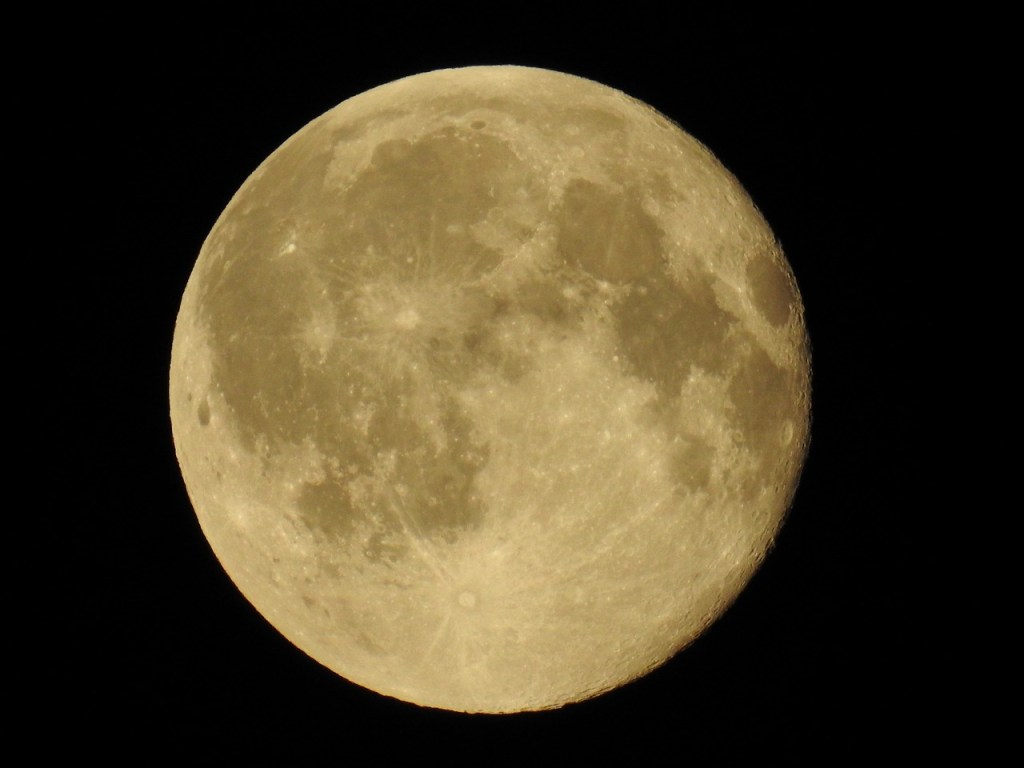
- The Moon: Our closest neighbor in space, the Moon, is a familiar sight in the night sky. Its appearance changes throughout the month, transitioning from a thin crescent to a full, glowing orb.
- Galaxies and Nebulae: Beyond the stars and planets, there are galaxies, enormous collections of stars like our Milky Way. Nebulae are giant clouds of gas and dust, often where new stars are born.
Chapter 2: Your Night Sky Toolkit
Now that we’ve introduced you to the celestial wonders above, let’s prepare your stargazing toolkit. You don’t need fancy equipment to begin your cosmic adventure; just some basic items will do:
- Your Eyes: Your eyes are the most important tools for stargazing. They can see much more than you might think, even in the darkness.
- Binoculars: If you have a pair of binoculars lying around, they can be incredibly helpful for observing celestial objects. They’ll bring the Moon, planets, and some star clusters closer.
- Telescope (Optional): While not essential, a small telescope can reveal more details on the Moon and planets and even some deep-sky objects like nebulae and galaxies.
- Star Charts and Apps: Star charts are maps of the night sky, showing you what’s visible at different times of the year. Smartphone apps like Stellarium or SkySafari can also help you identify stars, constellations, and planets.
- Red LED Flashlight: A red LED flashlight is handy because it won’t ruin your night vision, allowing your eyes to adjust better to the dark.
- Comfortable Seating: Stargazing can take time, so bring a blanket or some comfortable chairs to sit or lie on while you look up.
Chapter 3: Stargazing Tips and Tricks
Before you head outside, here are some tips to make your stargazing adventures more enjoyable:
- Dark Skies: Light pollution from cities can wash out the stars. If possible, go to a dark-sky location away from bright city lights.
- Patience: Give your eyes time to adjust to the darkness. It can take about 20-30 minutes for them to adapt fully.
- Dress for the Weather: Nighttime can get chilly, even in summer. Dress warmly and consider bringing a thermos of hot cocoa or tea.
- Use a Star Chart: A star chart will help you navigate the night sky. Start with simple constellations like the Big Dipper or Orion.
- Learn the Phases of the Moon: The Moon’s brightness can affect stargazing. When it’s full, it can drown out fainter objects, so plan accordingly.
Chapter 4: Exploring the Moon and Planets

Let’s start our stargazing journey with some of the most accessible celestial objects, the Moon and planets:
- The Moon: The Moon is a fantastic target for beginners. With just your eyes, you can see craters, mountains, and even dark patches called lunar seas or maria. Binoculars or a telescope will reveal even more details, like the rugged terrain and crater walls.
- Venus: Often called the “Evening Star” or “Morning Star,” Venus is one of the brightest objects in the sky. Its phases change, much like the Moon’s, as it orbits the Sun. Observe it through binoculars or a small telescope, and you might see its crescent shape.
- Mars: Known as the “Red Planet” because of its rusty hue, Mars is another intriguing target. While it won’t reveal as much detail as the Moon or planets like Jupiter and Saturn, you can still spot its reddish color and, with a telescope, maybe even polar ice caps and dark markings on its surface.
- Jupiter and Saturn: Jupiter and Saturn are giants of the solar system. Even small telescopes will reveal Jupiter’s cloud bands and its four largest moons. Saturn is famous for its stunning ring system, which is a sight to behold through a telescope.

Chapter 5: Beyond Our Solar System
As you become more comfortable with stargazing, you can start exploring objects beyond our solar system:
- Star Clusters: Star clusters are groups of stars held together by gravity. Open clusters, like the Pleiades, are scattered groups of young stars. Globular clusters are dense, spherical collections of old stars.
- Nebulae: Nebulae are vast clouds of gas and dust where stars are born. The Orion Nebula is a famous example and can be seen with the naked eye from dark locations.
- Galaxies: Galaxies are colossal systems of stars, gas, and dust. Our Milky Way is just one of billions of galaxies in the universe. Try to spot the Andromeda Galaxy on a dark night; it’s our closest galactic neighbor.
- Meteor Showers: Throughout the year, Earth passes through the debris left behind by comets, resulting in meteor showers. These brief bursts of shooting stars are thrilling to watch.
Chapter 6: Stargazing with Family and Friends

Stargazing is a fantastic activity for families and friends to enjoy together. Here’s how to make it a memorable group experience:
- Stargazing Parties: Invite friends and family for a stargazing party. Set up telescopes, bring snacks, and make it a social event.
- Astronomy Apps and Games: There are numerous apps and games designed for learning about the night sky. They’re fun for kids and adults alike.
- Star Stories: Share ancient myths and stories associated with constellations. It adds a layer of cultural richness to your stargazing sessions.
 Stan's Hobbies and Interests